Rhododendron: The National Flower of Nepal and Its Hidden Botanical Story
Arati Dawadi
Contents
- What Is the National Flower of Nepal?
- Why the Rhododendron Was Chosen as a National Symbol
- Where Rhododendrons Grow in Nepal
- Rhododendron Species Diversity in Nepal
- Cultural and Practical Significance
- Best Time to See Nepal's National Flower
- Timeline: Rhododendron and Nepal's Botanical Identity
- Myths vs Facts
- Conservation and Environmental Realities
- Frequently Asked Questions
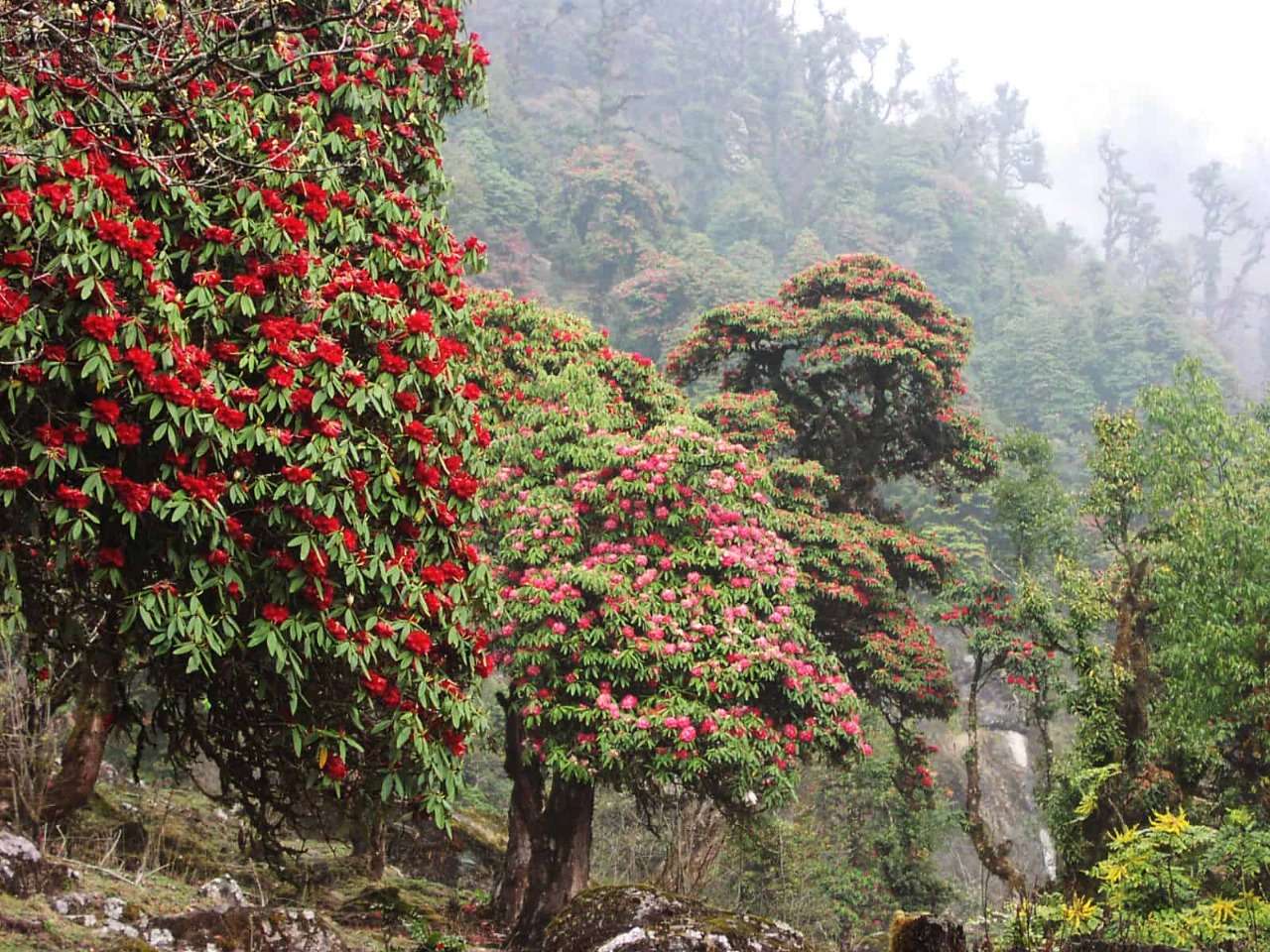
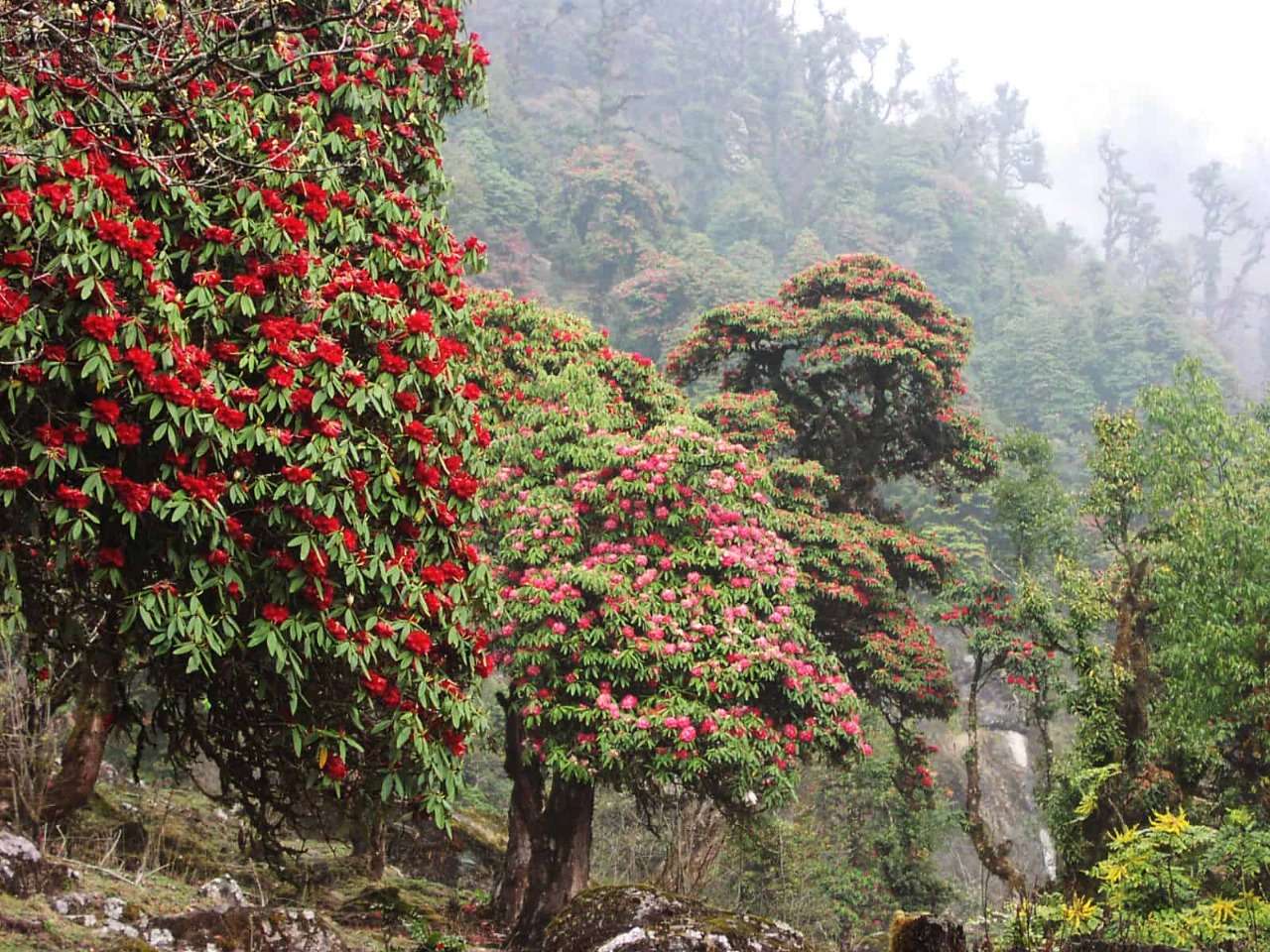
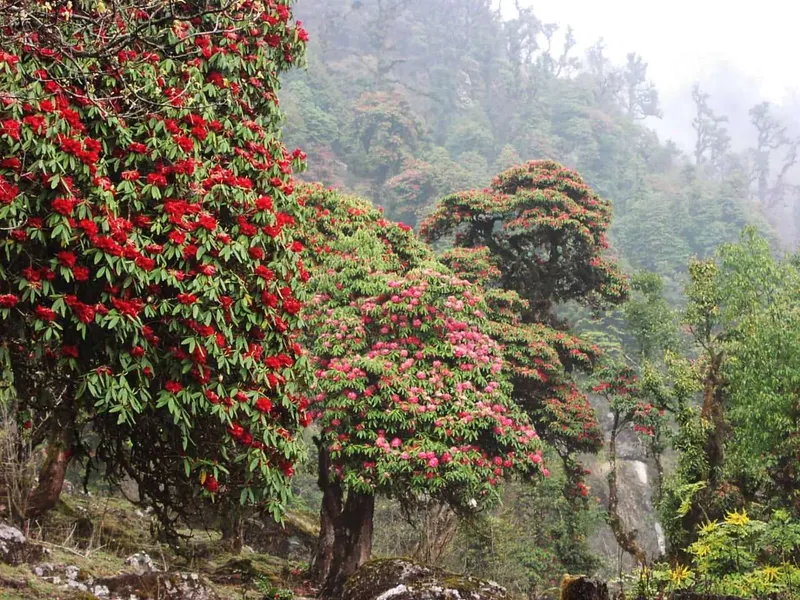
The national flower of Nepal is the rhododendron, known locally as Lali Gurans. For most visitors, it is a flash of red across Himalayan hillsides in spring. For Nepal, it is a botanical identity marker tied to elevation, climate, ecology, and cultural memory. The flower most people picture is Rhododendron arboreum, but the story is far larger than a single red bloom.
What many sources get wrong is treating the rhododendron as one plant. In reality, Nepal is one of the richest rhododendron zones on Earth, hosting dozens of species across a steep altitude gradient. Understanding the national flower means understanding how the Himalaya stacks ecosystems vertically within a few kilometers.
What Is the National Flower of Nepal?
Direct Answer: The national flower of Nepal is the rhododendron, locally called Lali Gurans. The species most strongly identified with the symbol is Rhododendron arboreum, recognized for its red flowers found across mid-elevation Himalayan forests, typically blooming in spring between March and May.
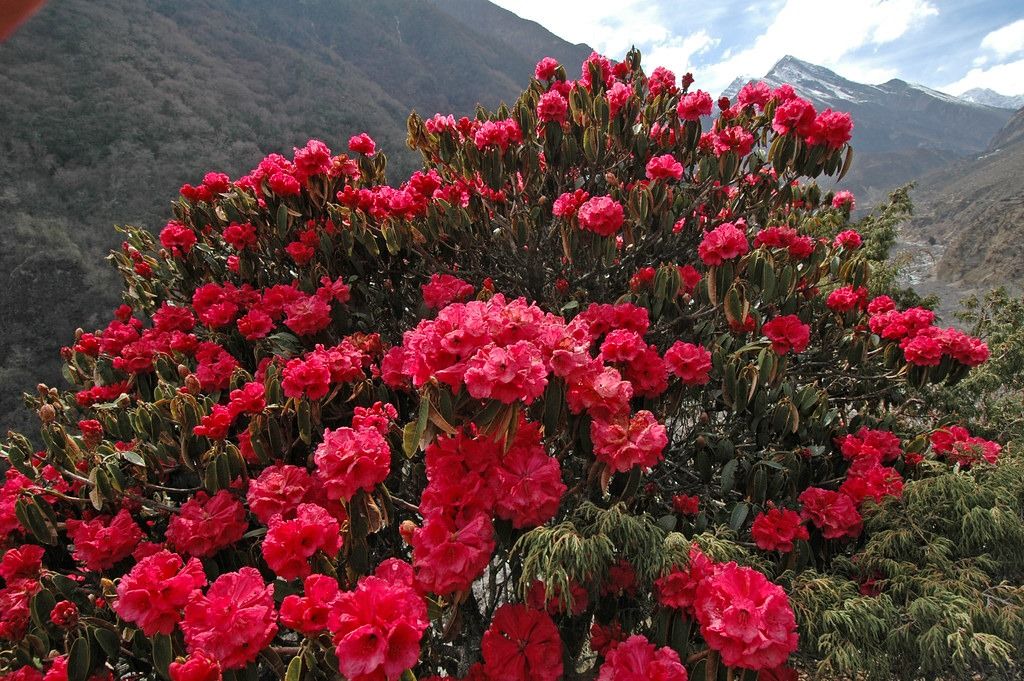
The rhododendron belongs to the genus Rhododendron in the family Ericaceae. The Nepali term Gurans refers to the tree itself, while Lali describes its red coloration. The combined name reflects the most iconic version of the flower: the deep-red blooms that cover hillsides during the trekking high season.
While red is the cultural reference point, rhododendron flowers in Nepal actually range from crimson and pink to white, lavender, and pale yellow depending on species and altitude. This color variation is one of the most overlooked facts about the national flower.
Why the Rhododendron Was Chosen as a National Symbol
Direct Answer: The rhododendron was chosen as Nepal's national flower because it grows abundantly across the country's mid-hill and Himalayan zones, blooms vividly during the main travel season, and carries strong cultural recognition. Its presence across diverse elevations made it a natural representation of Nepal's mountain landscape.
National symbols usually reflect something a country considers distinctive and widely shared. The rhododendron fits both conditions. It appears in folk songs, regional identity, and everyday recognition in hill communities. Few plants are as visually associated with the Nepali spring as the gurans forest in full bloom.
There is also an ecological logic. The rhododendron spans an enormous altitude band, from roughly 1,400 meters up to alpine zones above 3,600 meters. This vertical reach mirrors Nepal's own geography, which compresses subtropical, temperate, and alpine environments into a short horizontal distance.
Where Rhododendrons Grow in Nepal
Direct Answer: Rhododendrons grow across Nepal's mid-hills and Himalayan slopes, concentrated in regions such as the Annapurna foothills, Langtang, Ilam, and the eastern hills. Forests dominated by rhododendron are especially common between 2,000 and 3,500 meters, where temperate conditions favor dense flowering stands.
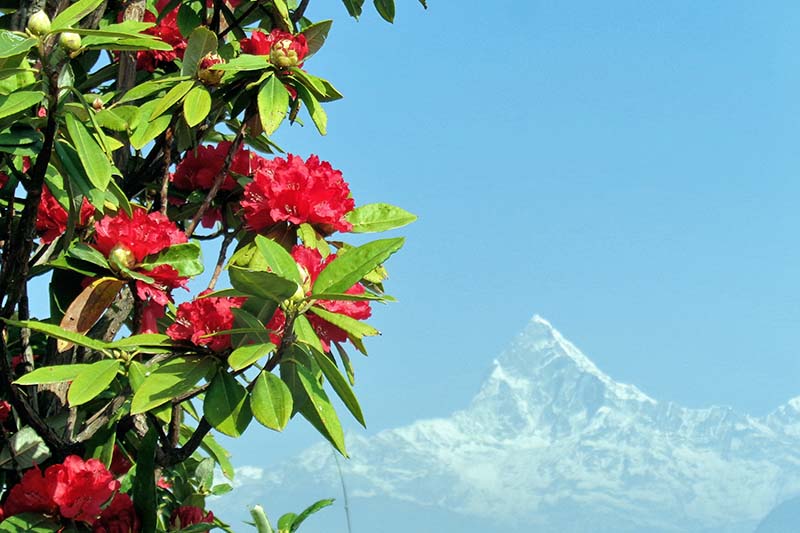
Some of the most reliable places to see rhododendron forests include:
- Ghorepani and Poon Hill (Annapurna region): Among the most famous spring rhododendron trekking corridors.
- Langtang Valley: Mixed temperate forests with strong rhododendron presence.
- Ilam and eastern Nepal: Rich in higher-altitude species and varied colors.
- Tinjure-Milke-Jaljale (TMJ) area: Often described as one of the densest rhododendron belts in the country, with many species concentrated in a single zone.
An operational reality trekkers often miss: blooming is altitude-dependent. A trek that starts low in March may show full blooms at the bottom but bare buds higher up. Timing a trek to match peak flowering at your target elevation matters more than simply picking spring.
Rhododendron Species Diversity in Nepal
Direct Answer: Nepal hosts roughly 30 or more rhododendron species, though exact counts vary by classification. They range from tall tree forms like Rhododendron arboreum at lower elevations to dwarf alpine shrubs near the tree line, reflecting a wide ecological spread across the Himalaya.
The diversity is structured almost entirely by altitude. At lower temperate zones, rhododendrons grow as full trees. As elevation increases, they shrink into shrubs, and near the alpine zone they become low, cushion-like plants adapted to cold, wind, and thin soils.
A little inspiration for your next trip
Get travel ideas and local experiences from My Easy Guide in your inbox.
Spam free. Unsubscribe anytime. We respect your privacy.