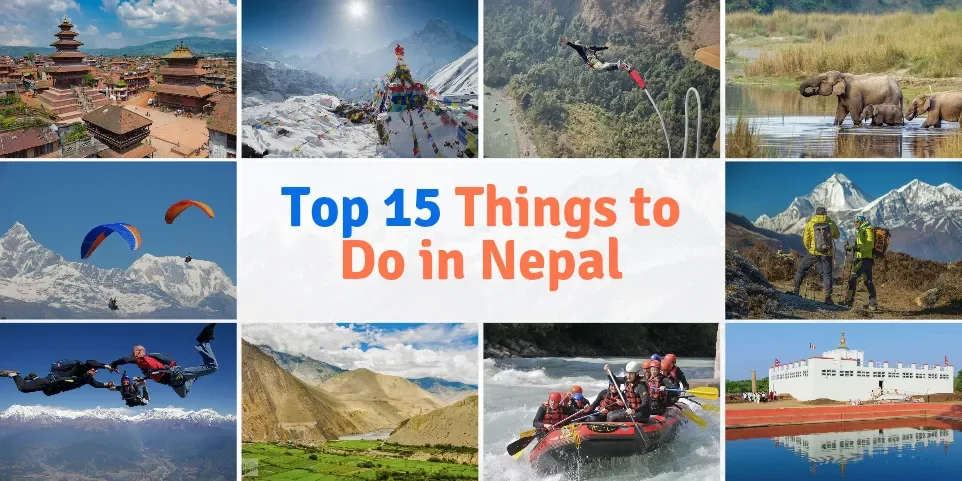
Top 15 Things to Do in Nepal in 2026/27: A Practical Guide for Every Traveler
My Easy Guide
Contents
There is no shortage of things to do in Nepal.
Eight of the world’s 14 highest mountains rise here, rhinos roam the jungles of Chitwan, Lumbini marks the Buddha’s birthplace, and in Pokhara you can paraglide above a lake. The hard part is deciding what actually fits your trip.
This guide covers the 15 best things to do in Nepal in 2026/27, from the classic highlights to quieter places most visitors miss.
Each one shows how much time you need, the best season to go, and who it suits, so you can match it to your budget and travel style.
Whether you have one week or two, prefer adventure or culture, or want to see Nepal without trekking, you can build a plan from this list.
15 Best Things to Do in Nepal
1. Explore Kathmandu Durbar Square, Patan, and Bhaktapur
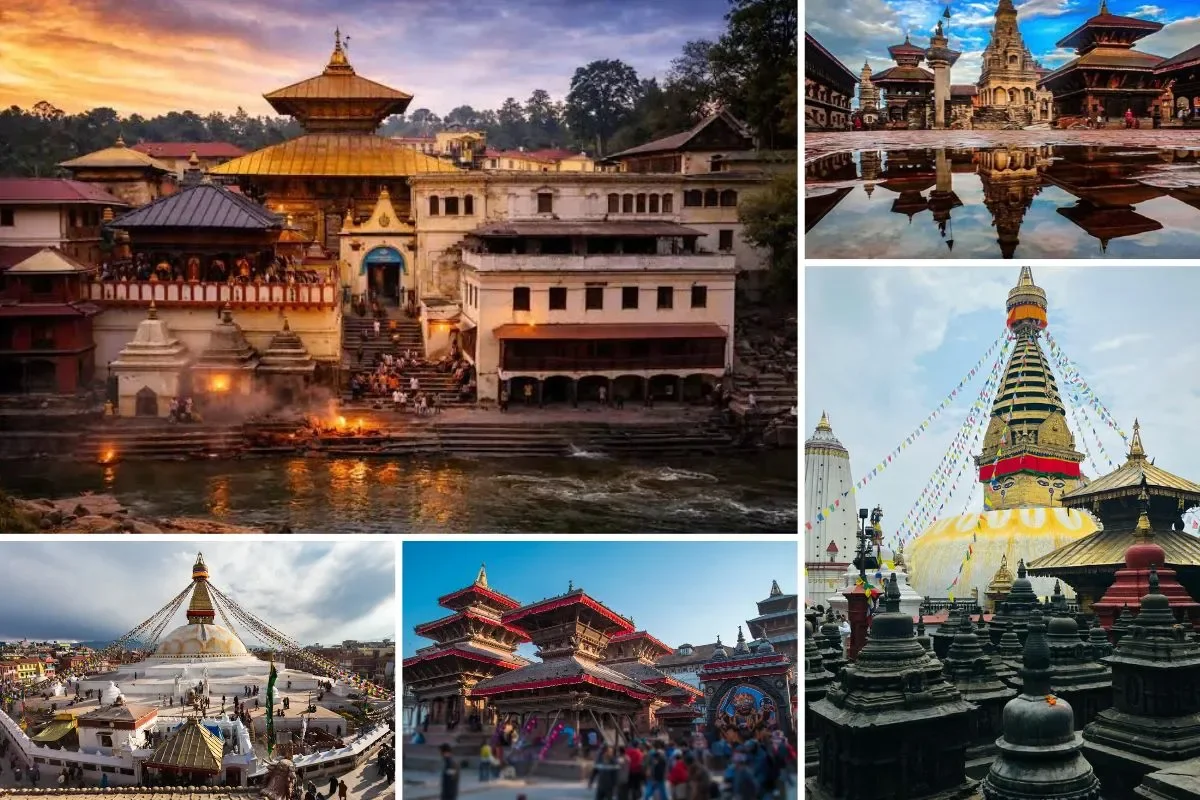
The Kathmandu Valley packs seven UNESCO World Heritage monument zones into a small area.
Three of them are old royal squares: Kathmandu Durbar Square, Patan Durbar Square, and Bhaktapur Durbar Square. The rest include Swayambhunath, Boudhanath, Pashupatinath & Changu Narayan Temple.
Give Kathmandu one full day for the main sights, and a second day for Patan or Bhaktapur.
Time needed: 2 to 3 days
Best season: Year-round, clearest in October to November
Perfect for: First-timers and culture lovers
Skip if: You dislike busy, noisy streets. Thamel in particular is loud.
Read next: The 10-day Nepal heritage tour mixes culture, wildlife, spirituality, and Himalayan views.
2. Go Trekking in the Himalayas
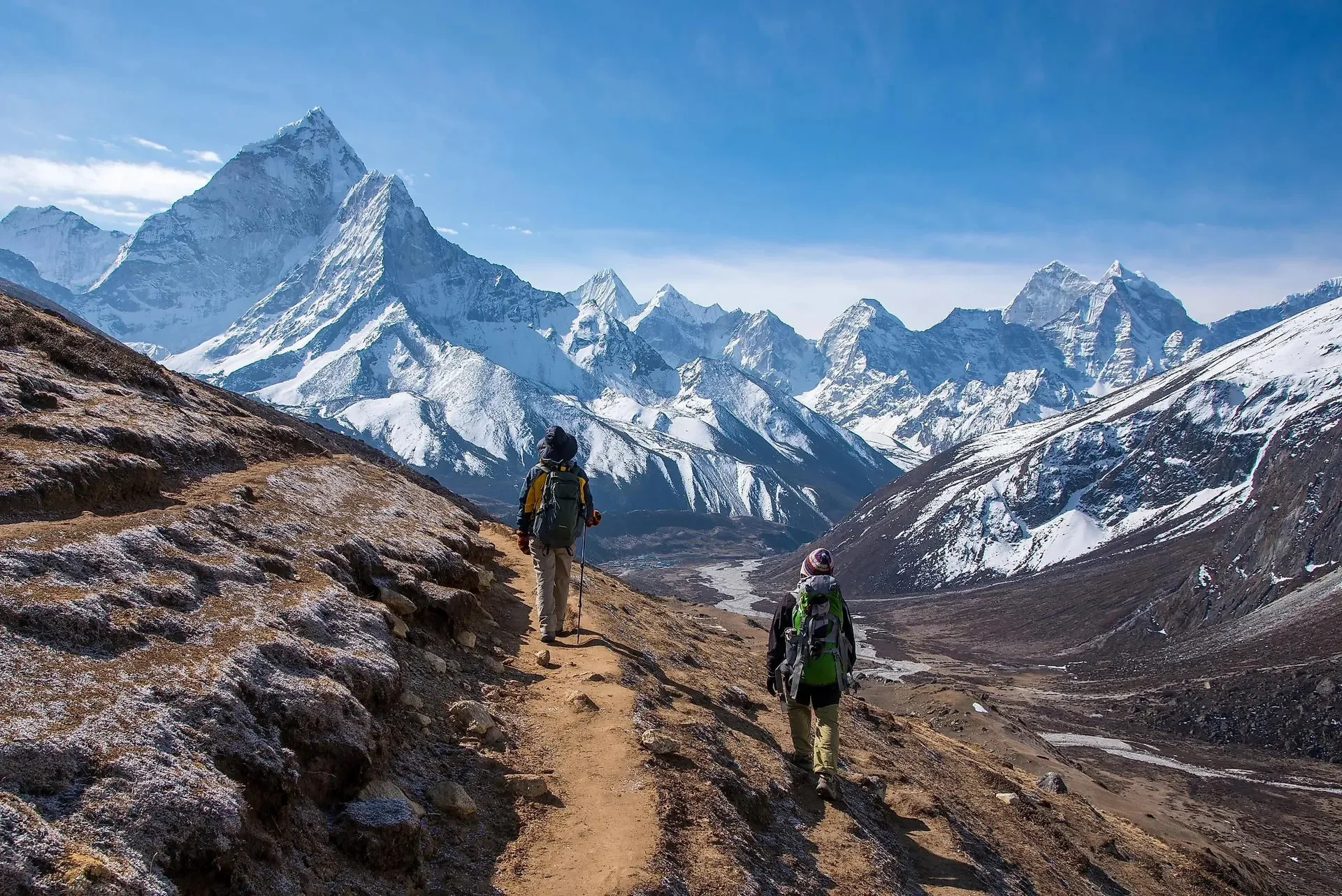
Trekking is the reason many people come to Nepal, and the country has a route for almost every fitness level, schedule, and budget. Instead of picking one famous trail, it helps to start with how many days you have and how comfortable you are at altitude.
Short treks (3 to 7 days). These are ideal for first-timers or anyone short on time. The Poon Hill trek and the 7-day Mardi Himal trek give you mountain views and teahouse life without a long commitment. The Helambu trek, close to Kathmandu, is another gentle option.
Mid-length treks (8 to 12 days). Annapurna Base Camp and the Langtang Valley trek suit travelers with some hiking experience who want to go deeper into the mountains. Langtang is quieter and easier to reach from Kathmandu.
Classic long treks (12 to 18 days). Everest Base Camp, the Annapurna Circuit, and the Gokyo Lakes trek are demanding and involve serious altitude, so they call for good fitness and a proper acclimatization schedule.
Remote and restricted-area treks (12+ days). Manaslu Circuit, Upper Mustang, and Kanchenjunga are for experienced trekkers who want fewer crowds and a more remote feel. These regions need special permits and usually a licensed guide.
Permits and guide rules differ by region, so read the permits section below before you book.
Time needed: 3 to 20+ days depending on the route
Best season: October to November and March to May
Perfect for: Active travelers, from first-timers (short routes) to experienced trekkers (long and remote routes)
Skip if: You have very limited time or do not enjoy long walking days. See the mountain flight below instead.
3. Go Paragliding in Pokhara
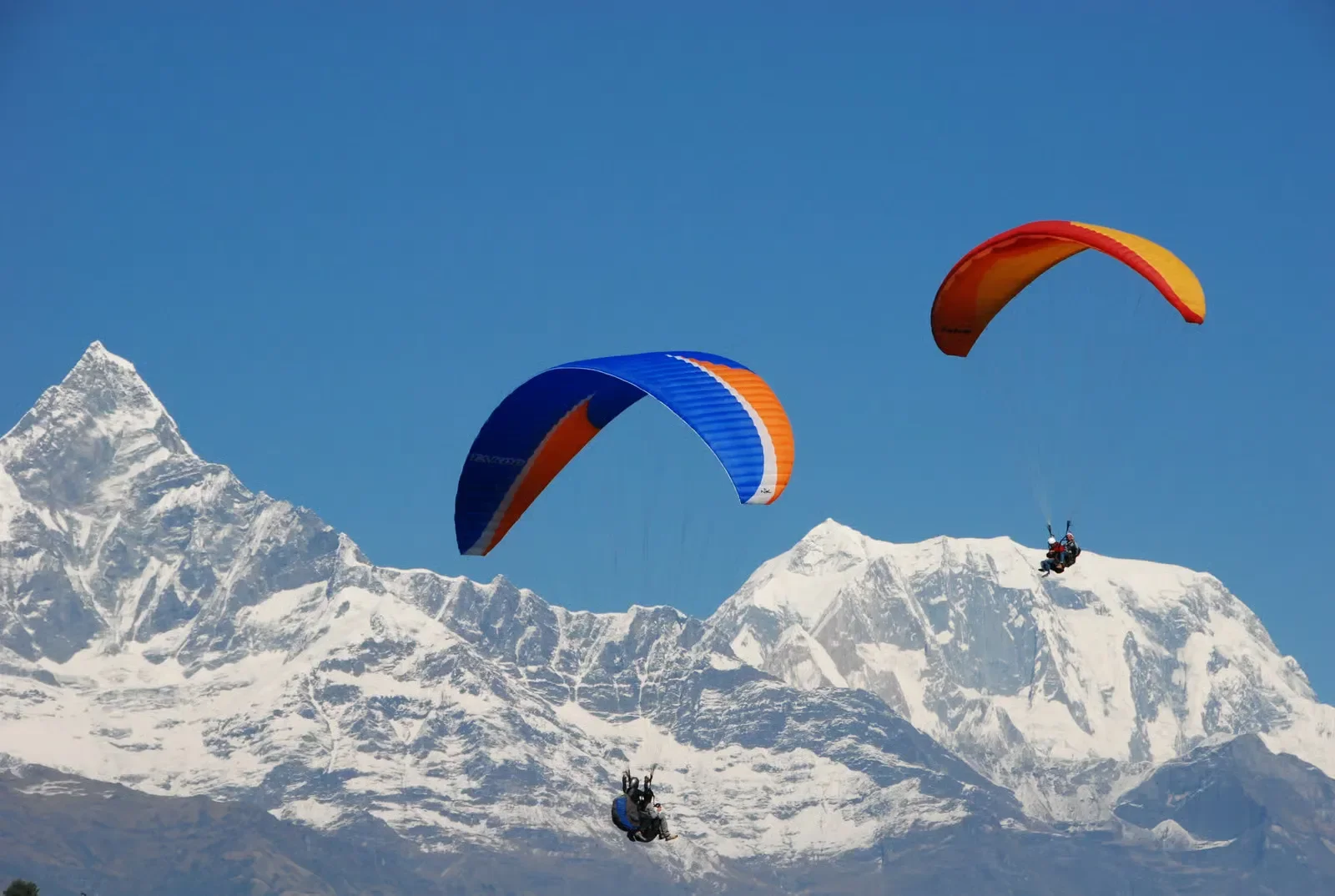
Pokhara is known as one of the best places in the world for tandem paragliding.
You fly with an experienced pilot, so you do not need any training. The flight lasts roughly 20 to 40 minutes and drifts over Phewa Lake with the Annapurna range in the background.
Take-off arrangements can change, so ask your operator where the launch site is on the day you book. Choose a licensed company, ask about insurance, and check what the price includes. Photos and video are often an extra charge.
Time needed: Half a day
Best season: October to December and February to May, mornings usually give the clearest views
Perfect for: Adventure seekers and first-time flyers
Skip if: You get motion sickness easily. Ask the pilot to skip the spiral turns.
4. Try Bungee Jumping in Kusma, Nepal
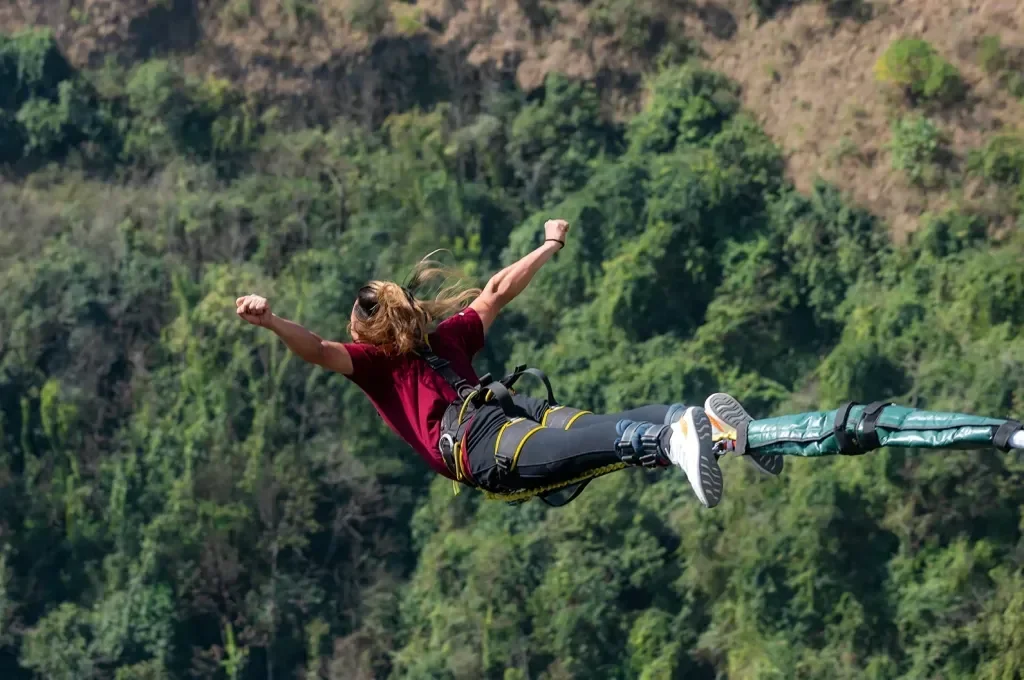
Kusma is a small town between Pokhara and Baglung, and its bungee jump is a drop from a suspension bridge over the Kali Gandaki gorge.
It is commonly quoted at around 228 meters, which puts it among the highest bungee jumps in the world. Most people come as a half-day trip from Pokhara.
Book through an established operator and ask what the price covers. Transport from Pokhara and photos are not always included. If you are on a longer route toward the Annapurna or Mustang regions, it can fit neatly on the way.
Time needed: Half a day plus road travel from Pokhara
Best season: October to December and March to May
Perfect for: Thrill seekers
Skip if: You are nervous about heights. It is a very real drop.
5. Go Skydiving Over the Himalayas
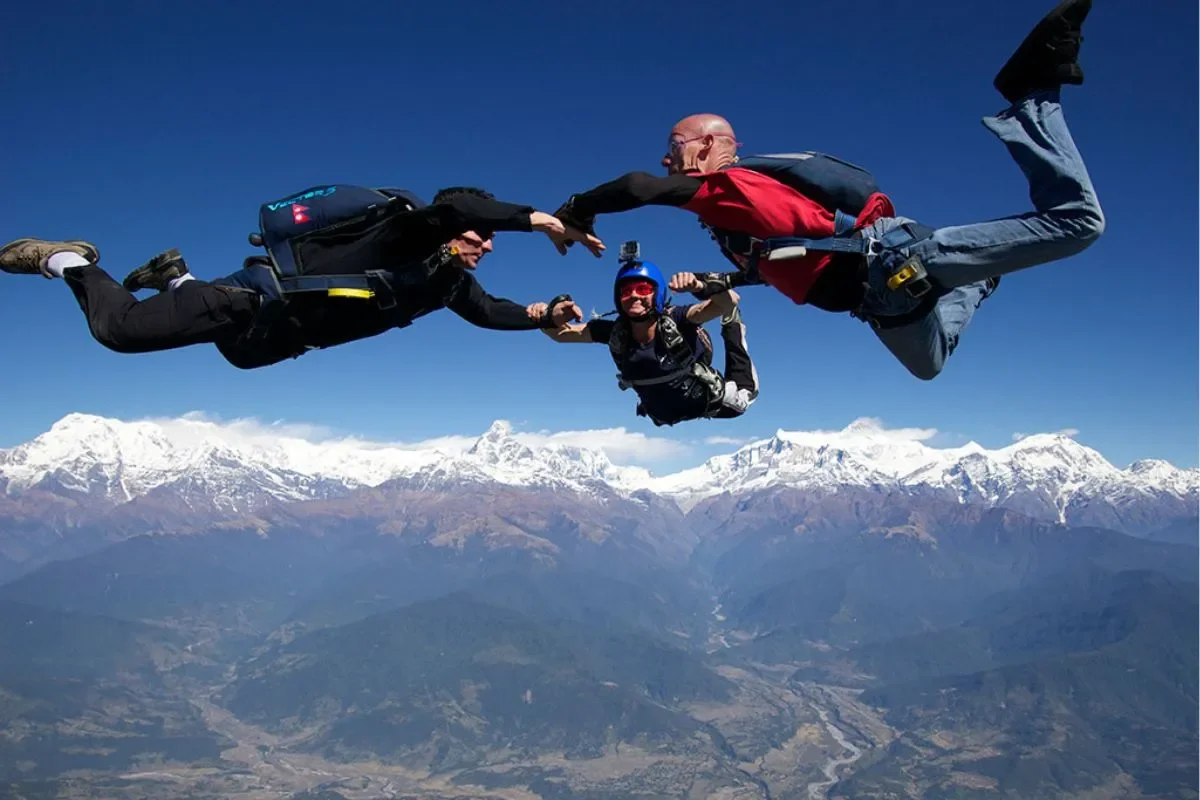
Nepal offers two very different skydives. The first is over Pokhara, with a drop zone near Phewa Lake, and the second is the Everest skydive, where a helicopter takes you up to about 23,000 feet and you land near Syangboche (3,750 m) in the Khumbu.
Both are tandem jumps, so no experience is needed.
Here is the catch: neither is a walk-in activity. Skydiving in Pokhara has moved toward regular year-round operations following reported regulatory approval in October 2026.
Jumps operate from the Pokhara area, with helicopter flights to the drop zone. Availability, weather, participant limits, and prices can still vary, so confirm the latest arrangements directly with the operator before booking.
The Everest skydive is a once-a-year expedition built around a trek to Namche Bazaar, with operator listings starting around USD 25,000 per person.
Time needed: Half a day for Pokhara, 10+ days for the Everest expedition
Best season: Autumn, when skies are clearest, with exact dates set by the operator
Perfect for: Experienced thrill seekers with a flexible budget and schedule
Skip if: You need a guaranteed date. Confirm dates, weight and health limits, and the total price in writing before you commit.
6. Experience a Wildlife Safari in Chitwan National Park
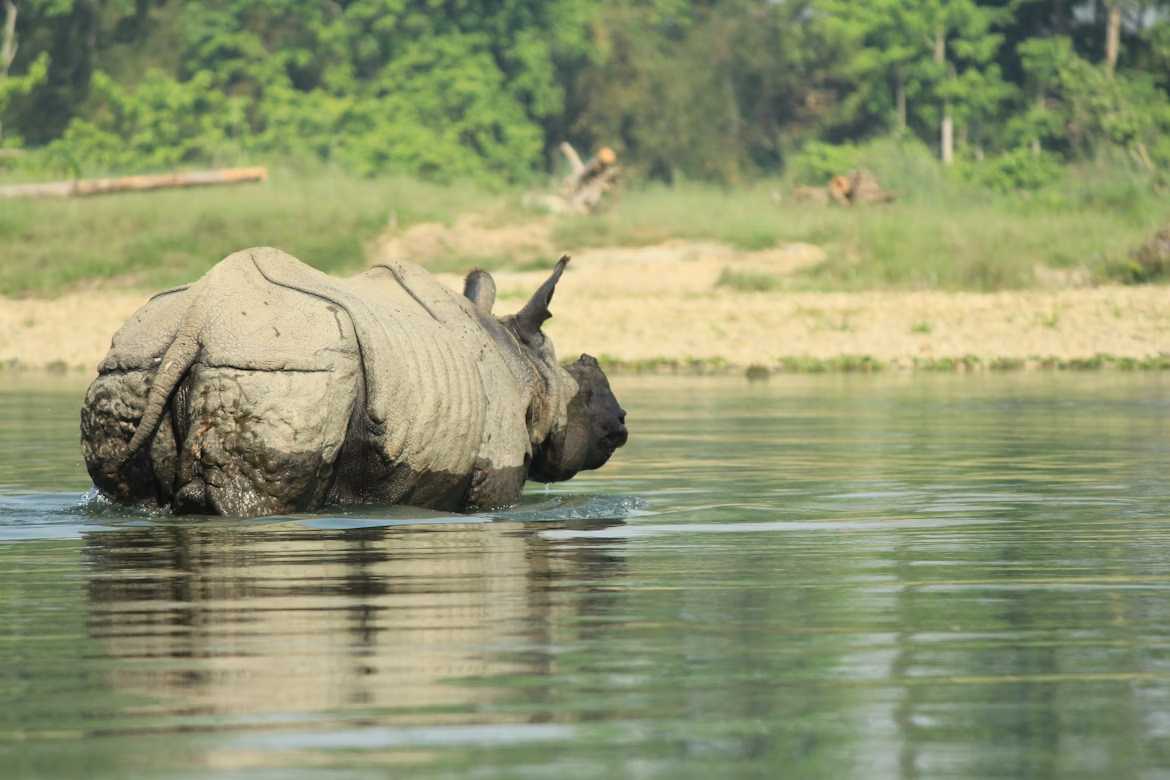
Chitwan National Park, in the southern lowlands, is the classic wildlife stop in Nepal.
It is home to one-horned rhinos, and with patience you may also spot deer, crocodiles, birdlife, and, with a lot of luck, a Bengal tiger. Jeep safaris, canoe rides, and guided walks are the usual ways to explore.
It pays to choose lodges that treat animals and staff well. Many travelers now skip elephant rides and choose jeep, canoe, or guided walking activities instead.
If you want a quieter park with better tiger-seeing chances, see Bardia National Park later in this list.
Time needed: 2 to 3 days
Best season: October to March for cooler weather
Perfect for: Wildlife lovers, families, and anyone who wants a break from the mountains
Skip if: You are short on time. Chitwan needs at least two nights to be worth the travel.
7. Take an Everest Mountain Flight for Himalayan Views
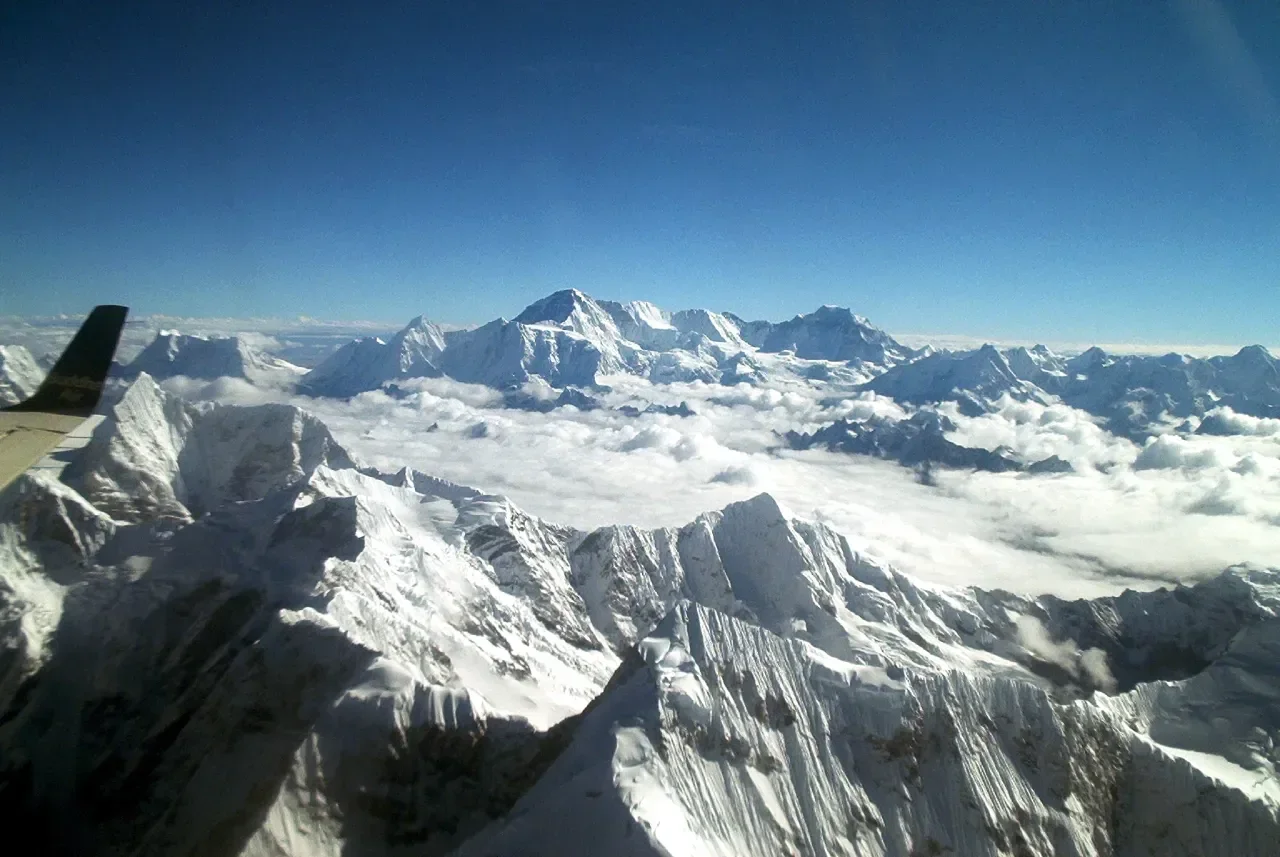
An Everest mountain flight is a roughly one-hour scenic flight from Kathmandu that takes you alongside the Himalayan range, with a view of Everest on a clear day.
It is the easiest way to see the big peaks if you are not trekking.
Flights leave early in the morning when skies are clearest. Weather decides everything. If clouds roll in, flights can be delayed or canceled, so do not schedule it on your last morning in Nepal.
Book a window seat, or check whether your airline guarantees one. If you want to actually land in the mountains, helicopter tours are the step up.
Time needed: 1 morning
Best season: October to December and March to May
Perfect for: Non-trekkers, families, photographers, and older travelers
Skip if: You expect to see the mountains from every seat. Views vary by seat and weather.
8. Go White-Water Rafting on Nepal's Himalayan Rivers
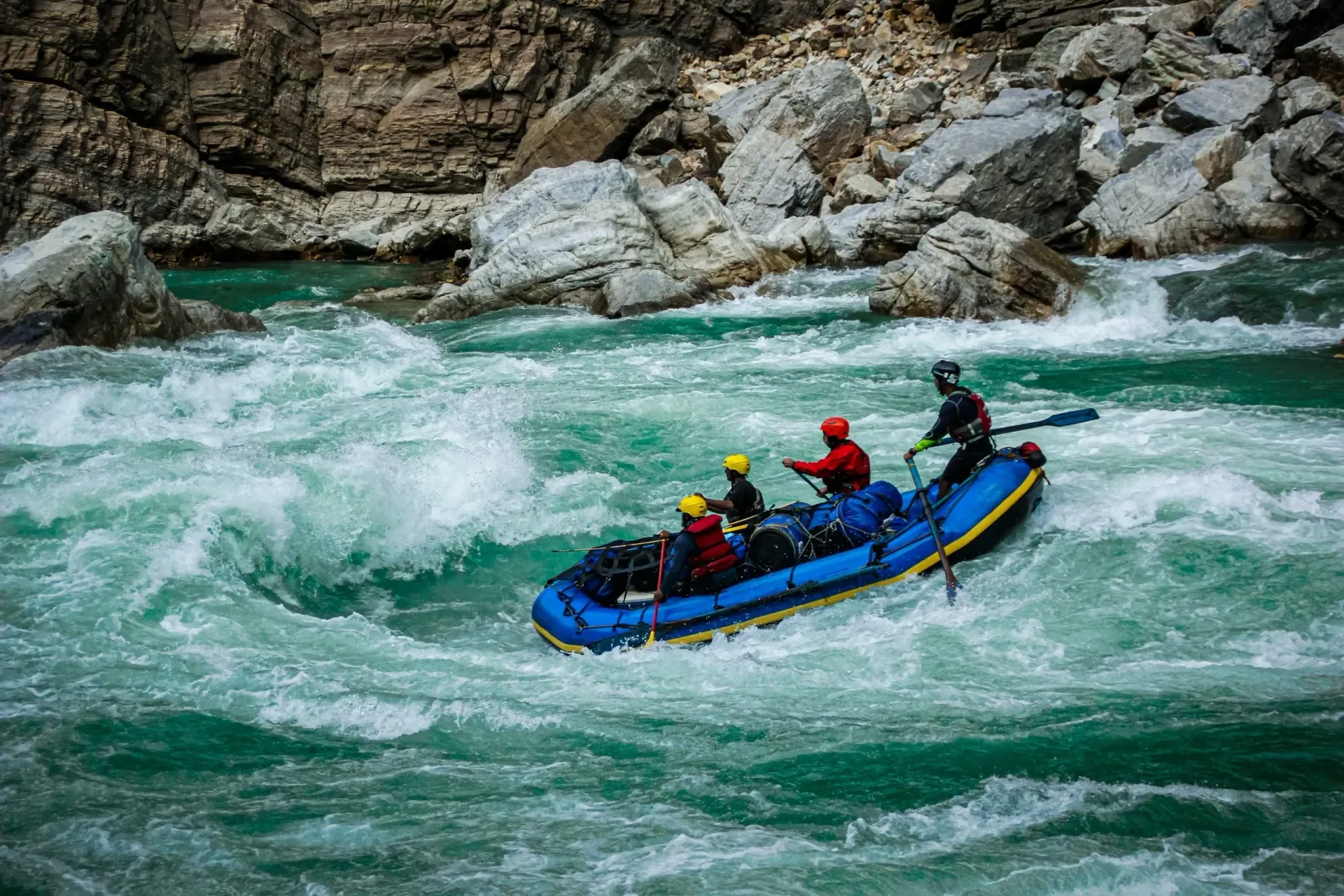
Nepal has rivers for every comfort level. The Trishuli is a popular, beginner-friendly option that fits neatly on the Kathmandu to Pokhara route.
The Bhote Koshi is known for more intense rapids, while the Seti near Pokhara is gentler and scenic. Longer multi-day trips run on rivers like the Karnali and Kali Gandaki.
Always go with a licensed operator that provides life jackets, helmets, and trained river guides. Ask about the grade of the rapids before you book so the trip matches your confidence. Water levels change by season, which changes the difficulty.
Time needed: 1 to 3 days
Best season: October to December and March to May
Perfect for: Groups, friends, and adventure travelers
Skip if: You cannot swim and are not comfortable in a lifejacket. Start with a mild river.
9. Experience Nepali Food and Traditional Newari Cuisine

Food is one of the easiest ways to understand Nepal. Dal bhat, the lentil, rice, and vegetable set, is everyday food for much of the country, and momos are a street-food favorite.
The Newar community of the Kathmandu Valley adds a whole different layer with dishes like bara (lentil patties), choila (spiced grilled meat), and samay baji, a traditional platter.
Try a Newari meal in Bhaktapur or Patan, and join a cooking class that goes beyond a quick demo. Look for classes where you shop for ingredients or cook in a family kitchen.
During the winter festival of Yomari Punhi, you may also find yomari, a sweet steamed dumpling, in local shops.
Time needed: Fits into any day, or a half-day cooking class
Best season: Year-round
Perfect for: Food lovers, solo travelers, and families
Skip if: You avoid street food. Stick to busy, freshly cooked places and carry hand sanitizer.
Read More: What do Nepali People Eat?
10. Stay in a Traditional Nepali Village or Community Homestay
A homestay lets you slow down and see everyday life. Panauti, near Kathmandu, is a well-known community homestay stop, and Barauli is another village stay that travelers mention.
Tharu homestays near Chitwan and Bardia, and Gurung villages like Ghale Gaun in Lamjung, are also popular.
You can expect simple rooms, home-cooked meals, and conversations with your hosts. Try to pick programs run by community cooperatives, since the income stays in the village. Bring small gifts and ask before taking photos of people.
Time needed: 1 to 2 nights
Best season: October to May, rain can affect access during monsoon
Perfect for: Slow travelers, families, and anyone who wants a less touristy side of Nepal
Skip if: You need hot showers and strong Wi-Fi at all times. Facilities are basic.
11. Visit Lumbini, the Birthplace of Buddha
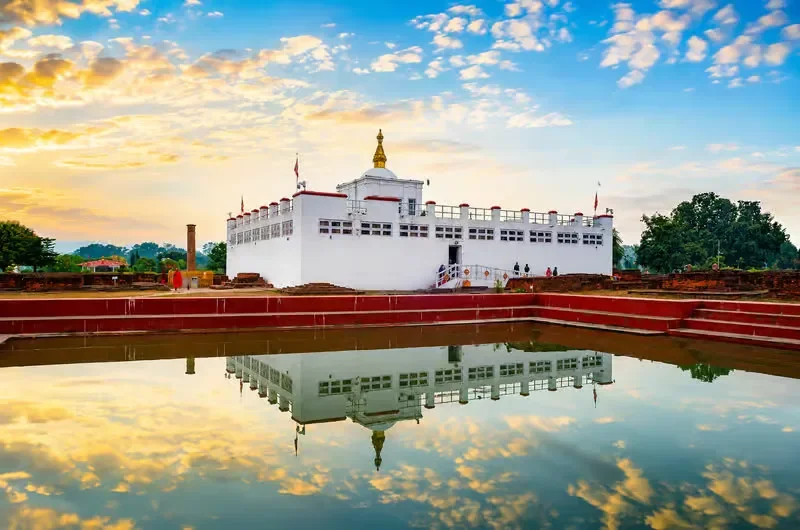
Lumbini, in southern Nepal, is a UNESCO World Heritage Site and the traditional birthplace of the Buddha.
The Maya Devi Temple, the sacred garden, and the monastic zone, where countries have built their own temples, make up the main area.
It is a calm place that is best explored slowly, by walking or cycling.
To get there, you can fly to Bhairahawa (Gautam Buddha Airport) or take a long road trip from Pokhara.
Plan at least one night rather than a rushed day trip. Summers can be extremely hot, so winter and early spring are more comfortable.
Time needed: 1 to 2 days
Best season: October to March
Perfect for: Spiritual travelers, history lovers, and return visitors
Skip if: You only have a week. The distance is better saved for a longer trip.
12. Slow Down by Phewa Lake and Pokhara's Gentler Side
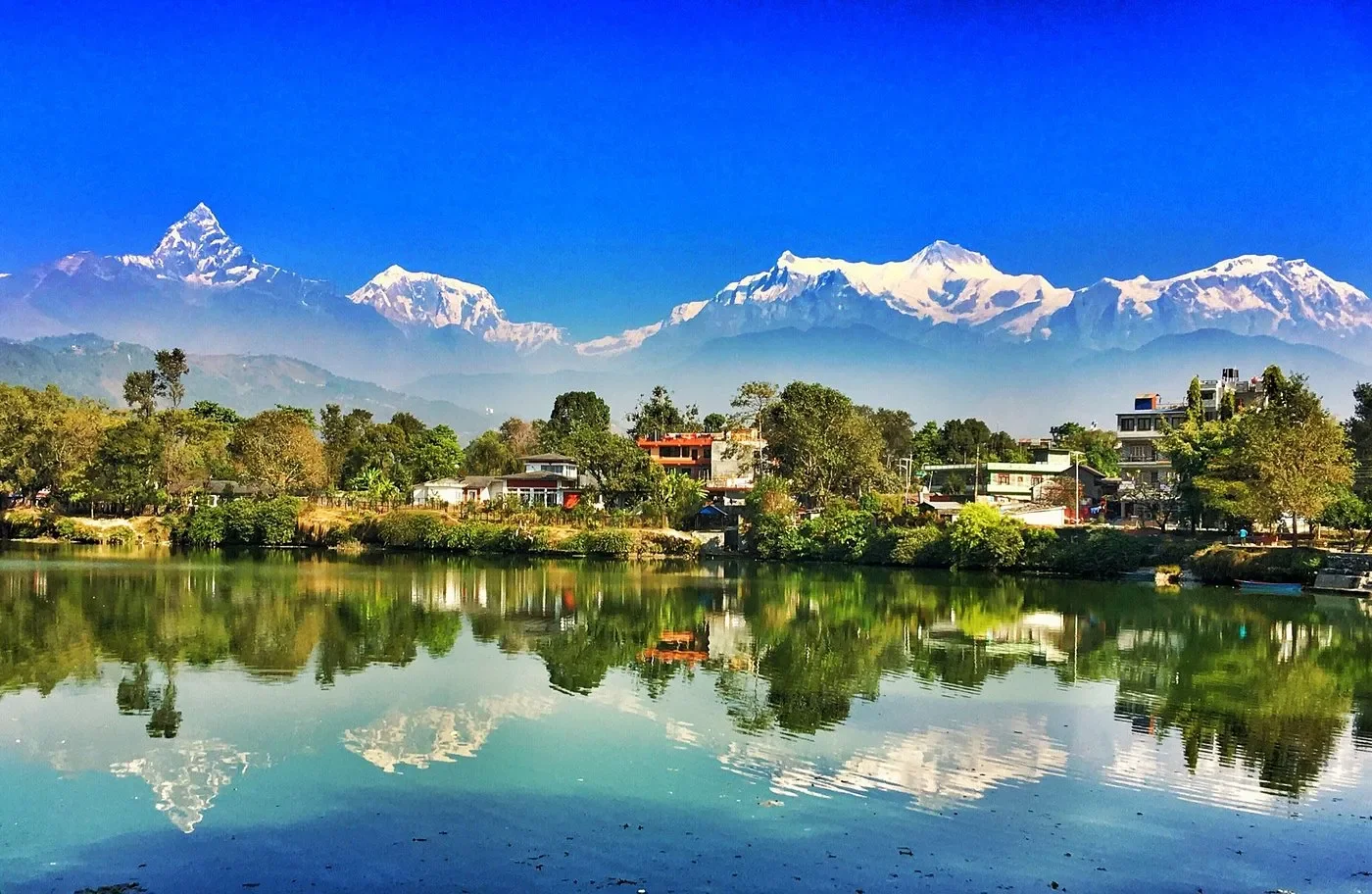
Pokhara is not only for adrenaline.
Rent a boat on Phewa Lake and row out to the island temple of Tal Barahi, then climb to the World Peace Pagoda for a view over the lake and the Annapurna range.
Add Davis Falls, Gupteshwor Cave, or the International Mountain Museum if you want a full day of easy sightseeing.
This is the best recovery day on a busy trip, and it works well for families and older travelers. Go early for calmer water and clearer mountain views, then spend the evening in a lakeside cafe.
Time needed: 1 day
Best season: October to May
Perfect for: Families, couples, and easy-pace travelers
Skip if: You only want adventure. Pair it with paragliding and you get both.
13. Spend a Night in Bandipur
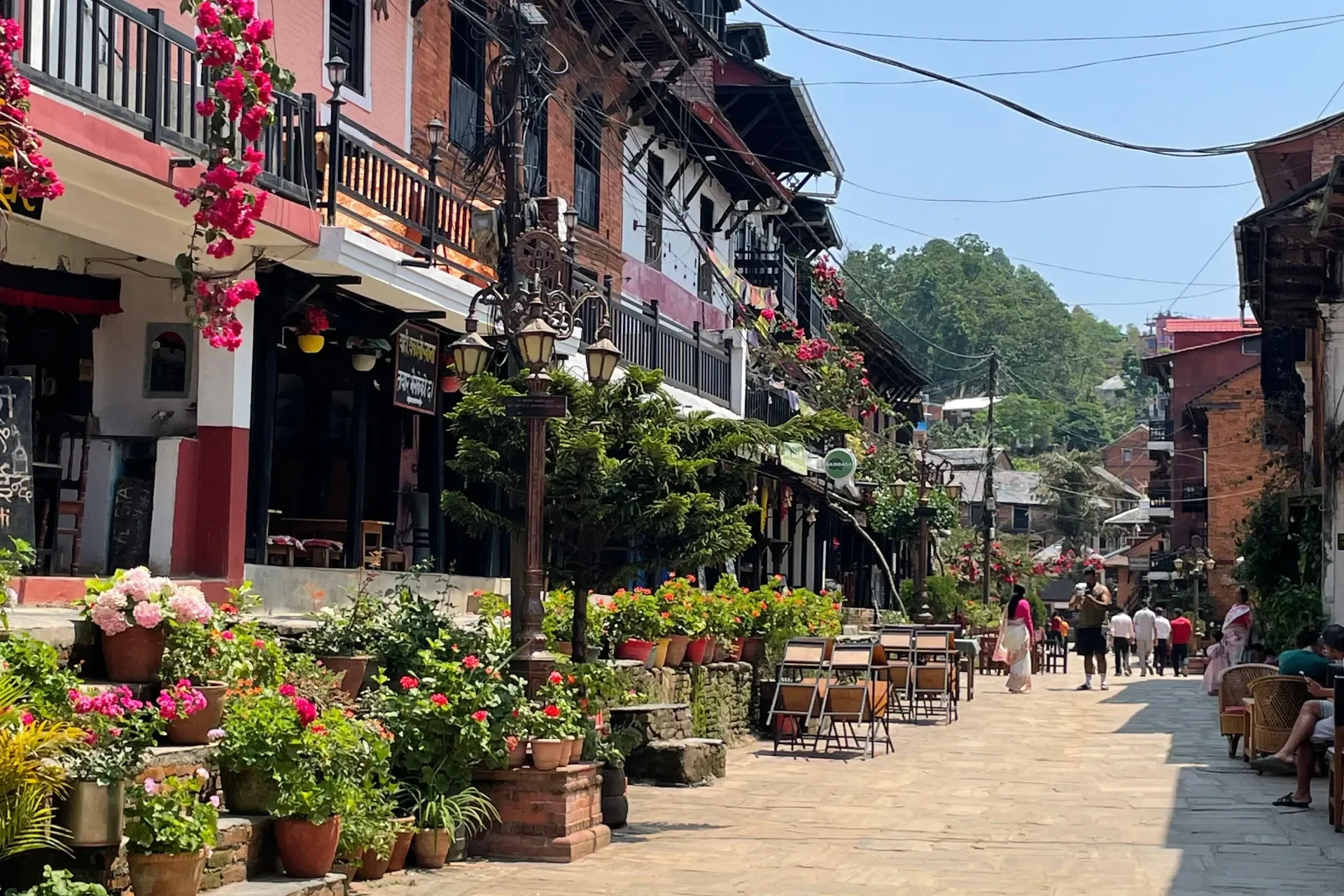
Bandipur is a hilltop Newar town in the hills between Kathmandu and Pokhara. Its old bazaar street is lined with traditional buildings, and on a clear day you get views toward the Himalayan range.
It feels like a slower, older Nepal, and most visitors have it nearly to themselves compared with Kathmandu or Pokhara.
It makes a smart overnight stop on the road between the two cities. Explore the old bazaar, walk up to a viewpoint, and visit the nearby Siddha Cave if you have time.
Time needed: 1 night
Best season: October to November and March to May
Perfect for: Quiet-town lovers, photographers, and return visitors
Skip if: You want nightlife or a lot of activities. Bandipur is about the view and the pace.
14. Visit Bardia National Park for Tigers and Fewer Crowds
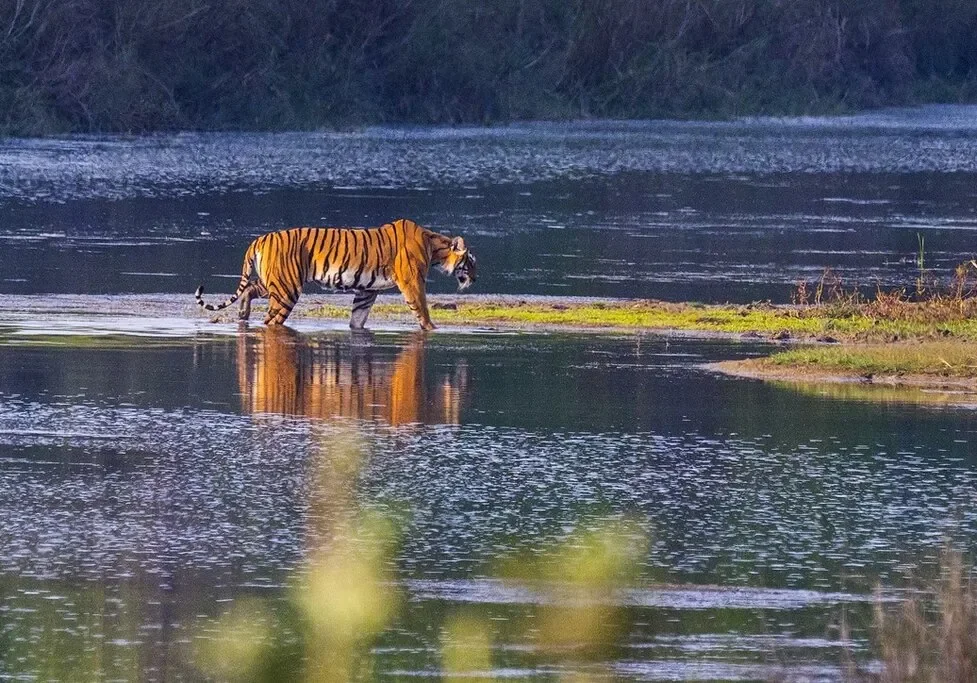
Bardia National Park, in the far west, is Nepal's quieter wildlife alternative to Chitwan.
It is known for tigers, one-horned rhinos, wild elephants, and river wildlife along the Karnali, and many travelers pick it for a more remote feel.
The trade-off is distance. Bardia takes longer to reach, either by a long road journey or by flying to Nepalgunj and continuing by road, so give it at least two or three nights.
No park can promise a tiger sighting, but fewer vehicles means a calmer safari.
Time needed: 2 to 3 days
Best season: October to March
Perfect for: Wildlife lovers, repeat visitors, and travelers who dislike crowds
Skip if: You have under ten days. Chitwan is easier to fit in.
15. Trek to Upper Mustang and the Walled Town of Lo Manthang
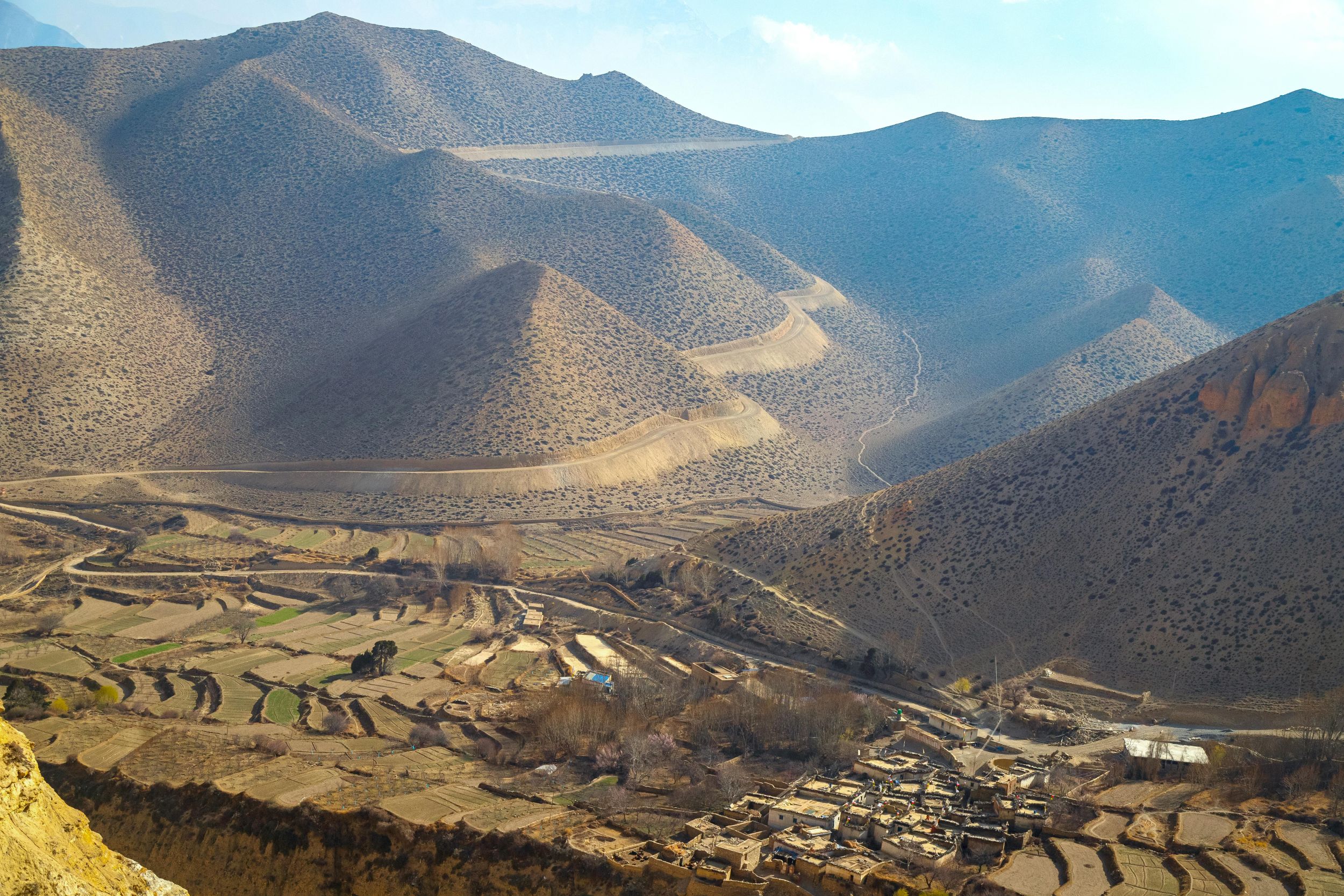
Upper Mustang is a dry, high-desert region on the Tibetan plateau side of the Himalayas, with cliff caves, painted monasteries, and the walled town of Lo Manthang.
The culture feels closer to Tibet than to the rest of Nepal, and the landscape is more desert than alpine.
It is a restricted area, so you need a special permit and must go through a registered agency with a licensed guide.
The Nepal Tourism Board currently lists the Upper Mustang restricted-area permit at USD 50 per person per day for the specified restricted areas and groups usually need at least two trekkers.
Landslides can cut off roads in this region, so check conditions before you travel.
Time needed: 10+ days
Best season: March to November, since it sits in a rain shadow and is less affected by monsoon
Perfect for: Culture-focused trekkers who want something different from Everest or Annapurna
Skip if: You want a short trip or an independent trek. Permit rules require a guide and planning ahead.
Best Time to Enjoy These Activities in Nepal
The best months to visit Nepal are October to November and March to May for most activities. Autumn has clear skies and stable weather after the monsoon, and spring brings warmer days and blooming rhododendrons in the hills.
Monsoon runs roughly from mid-June to late September, when rain can block roads and trails and cloud the views.
This table is a general guide. Mountain weather can shift quickly, so build a spare day into your schedule for flights and treks.
Travel Tips for Visiting Nepal
A few practical details can save you time and money. These cover the rules most visitors ask about, and all of them can change, so check official sources close to your travel date.
Nepal Visa and Entry Requirements
Most nationalities can get a tourist visa on arrival at Tribhuvan International Airport and major land borders.
Fees are USD 30 for 15 days, USD 50 for 30 days, and USD 125 for 90 days. Indian citizens do not need a visa, and a few other nationalities have special rules, so check yours before you fly.
Fill in the online form before you travel to cut the airport wait, and carry cash for the fee. Visas can be extended at immigration offices in Kathmandu and Pokhara, up to 150 days in a visa year.
For costs, safety, and where to go, see our first-time visitor guide to Nepal.
Trekking Permits and Guide Requirements
Most treks need at least one permit, and the main protected areas charge NPR 3,000 for foreign visitors: Annapurna Conservation Area, Sagarmatha National Park, and Langtang National Park.
The Everest region also has a separate local municipality fee. Restricted areas such as Upper Mustang and Manaslu need special permits and a licensed guide.
The rules on solo trekking and TIMS cards have changed more than once recently, and operators report different details.
Before you plan an independent trek, check the latest rules with the Nepal Tourism Board or a registered trekking agency. When in doubt, hire a licensed guide: it supports local jobs and adds a real safety margin.
For details, read the ACAP permit guide and the Manaslu Circuit trek cost and permits guide.
Getting Around Nepal
Domestic flights are the fastest option, for example between Kathmandu and Pokhara, but they depend on weather, so avoid tight connections. Tourist buses and private cars are cheaper or more flexible, and they let you see the country, though journeys take many hours.
In Kathmandu and Pokhara, taxis and ride-hailing apps such as Pathao and inDrive are common.
Flights to Lukla for the Everest region are especially weather-dependent, so leave spare days. As a rule, plan one major move per day, and do not schedule a long road transfer right before an international flight.
Safety Tips and Responsible Tourism
Nepal is a popular and welcoming destination, but conditions can change, so check your government's travel advice before you go.
In September 2026, a US advisory update kept Nepal at Level 2, citing natural disasters, and listed parts of Rasuwa district at the highest level. Heavy monsoon rain, landslides, and floods are the main seasonal risks, especially on roads and mountain trails.
A few habits help you travel safely and respectfully:
Buy travel insurance that covers high-altitude trekking and medical evacuation.
Learn the signs of altitude sickness (HACE and HAPE) and descend if symptoms get worse.
Choose operators that treat guides and porters fairly.
Dress modestly at temples, remove your shoes where asked, and walk clockwise around stupas.
Carry a refillable bottle and avoid single-use plastic where you can.
Keep away from large demonstrations and follow local advice if something is happening in the city.
Plan Your Nepal Adventure
Nepal rewards travelers who match the trip to their own pace. Pick the activities that excite you, choose the right season, and leave a little room for weather and long roads.
Ready to turn this list into a real trip? Browse treks, helicopter tours, and multi-day tours from local suppliers on My Easy Guide, or start with the Nepal travel guides for route and permit details.
Frequently Asked Questions
1. What are the best things to do in Nepal for first-time visitors?
First-time visitors usually enjoy the Kathmandu Valley heritage sites, paragliding or lakeside time in Pokhara, and either a short trek or an Everest mountain flight for mountain views. If you have extra days, add a Chitwan safari.
2. Can you visit Nepal without trekking?
Yes. You can see UNESCO sites, fly past Everest, try paragliding, raft a river, go on safari, eat your way through Newari food, and stay in a village homestay without trekking at all.
3. Can you go skydiving in Nepal?
Yes, but availability is limited. Pokhara skydives have mostly run as scheduled events and seasonal packages, and the Everest skydive is a once-a-year expedition. Confirm dates, limits, and the full price with the operator before you plan around it.
4. How many days do you need to explore Nepal?
Seven days is enough for Kathmandu and Pokhara. Ten days lets you add Chitwan or a mountain flight, and 14 days allows a short trek, a homestay, and quieter places such as Bandipur or Lumbini.
5. What is the best month to visit Nepal?
October and November are the most popular months, with clear skies and stable weather. March to May is also good, especially for hill scenery. Monsoon, from mid-June to late September, is the hardest time for travel.
6. Is Nepal affordable for tourists?
Nepal can be good value for food, local transport, and simple accommodation. The big costs are activities like mountain flights, paragliding, permits, and domestic flights, so your budget depends on how many of those you add.
7. Is Nepal safe for solo travelers?
Many solo travelers visit Nepal without problems. Stay alert in crowded areas, use licensed operators, share your plans with someone, and check government advisories before you travel. Solo female travelers often choose reputable guesthouses and arrange transport through their accommodation.
8. Do I need a guide to trek in Nepal?
It depends on the region. Restricted areas such as Upper Mustang and Manaslu require a licensed guide, and rules for other routes have shifted recently. Check the latest requirements with a registered agency or the Nepal Tourism Board before you go.
9. Is it better to visit Chitwan or Bardia?
Chitwan is easier to reach and has more facilities, which suits first-timers and families. Bardia is quieter and more remote, and many travelers choose it for a more wild feel and better tiger chances.
A little inspiration for your next trip
Get travel ideas and local experiences from My Easy Guide in your inbox.
Spam free. Unsubscribe anytime. We respect your privacy.