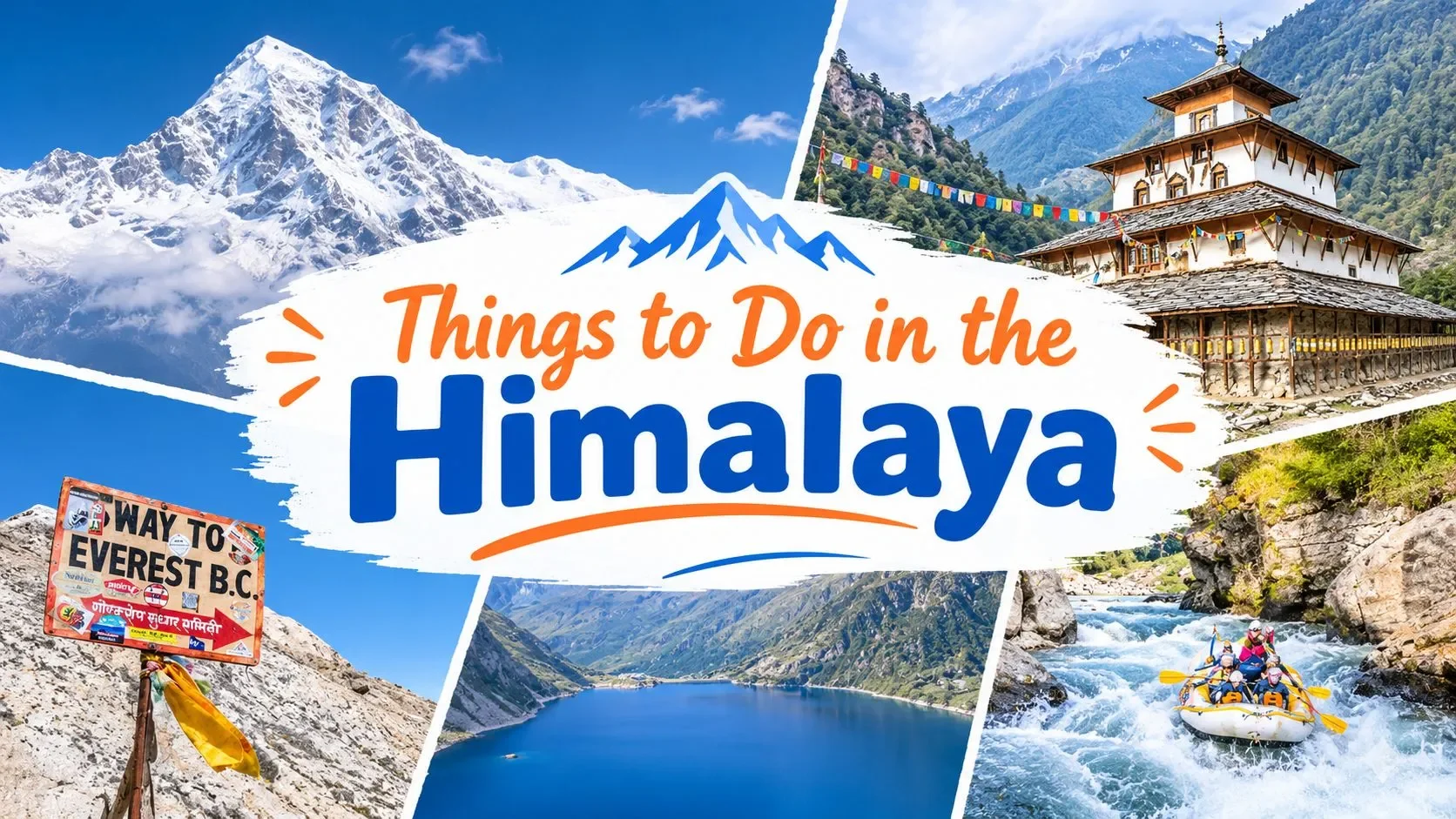
Things to Do in the Himalaya: 14 Experiences to Have in Nepal
Asmita Karki
Contents
- 1. Trek to Himalayan Base Camps and Mountain Passes
- 2. Watch Sunrise and Sunset Over the Himalayan Peaks
- 3. Visit Himalayan Monasteries and Spiritual Sites
- 4. Explore Traditional Himalayan Villages
- 5. Explore Nepal's Beautiful Himalayan Lakes
- 6. Experience White-Water Rafting on Himalayan Rivers
- 7. Go Paragliding or Take a Scenic Mountain Flight
- 8. Go Mountain Biking in the Himalaya
- 9. Explore Himalayan Wildlife and Go Birdwatching
- 10. Camp Beneath the Himalayan Night Sky
- 11. Try Traditional Nepali food
- 12. Relax in Natural Hot Springs
- 13. Attend Traditional Himalayan Festivals
- 14. Visit Ancient Caves and Explore the Landscapes of Upper Mustang
The Himalayas are often associated with trekking, snow-covered peaks and mountaineering. While these are some of the most popular ways to explore the mountains, they are far from the only experiences Nepal has to offer.
You can watch the sunrise over the Annapurna range, explore Buddhist monasteries in the Everest region, walk through traditional mountain villages or fly above deep Himalayan valleys. Each experience offers a different way to understand the mountains and the communities that live there.
The landscape and culture also change as you travel between regions. Annapurna combines mountain scenery with lakes, villages and adventure activities. Around Everest, high-altitude trails lead through Sherpa settlements and Buddhist monasteries. Further west, Mustang has dry mountain valleys, ancient caves and settlements shaped by Tibetan culture.
So, whether you're interested in outdoor adventures, cultural exploration or simply spending time in the mountains, there are plenty of ways to experience the Himalayas without taking on a demanding trek. Here are some things you can do in the Himalayas when travelling in Nepal.
1. Trek to Himalayan Base Camps and Mountain Passes
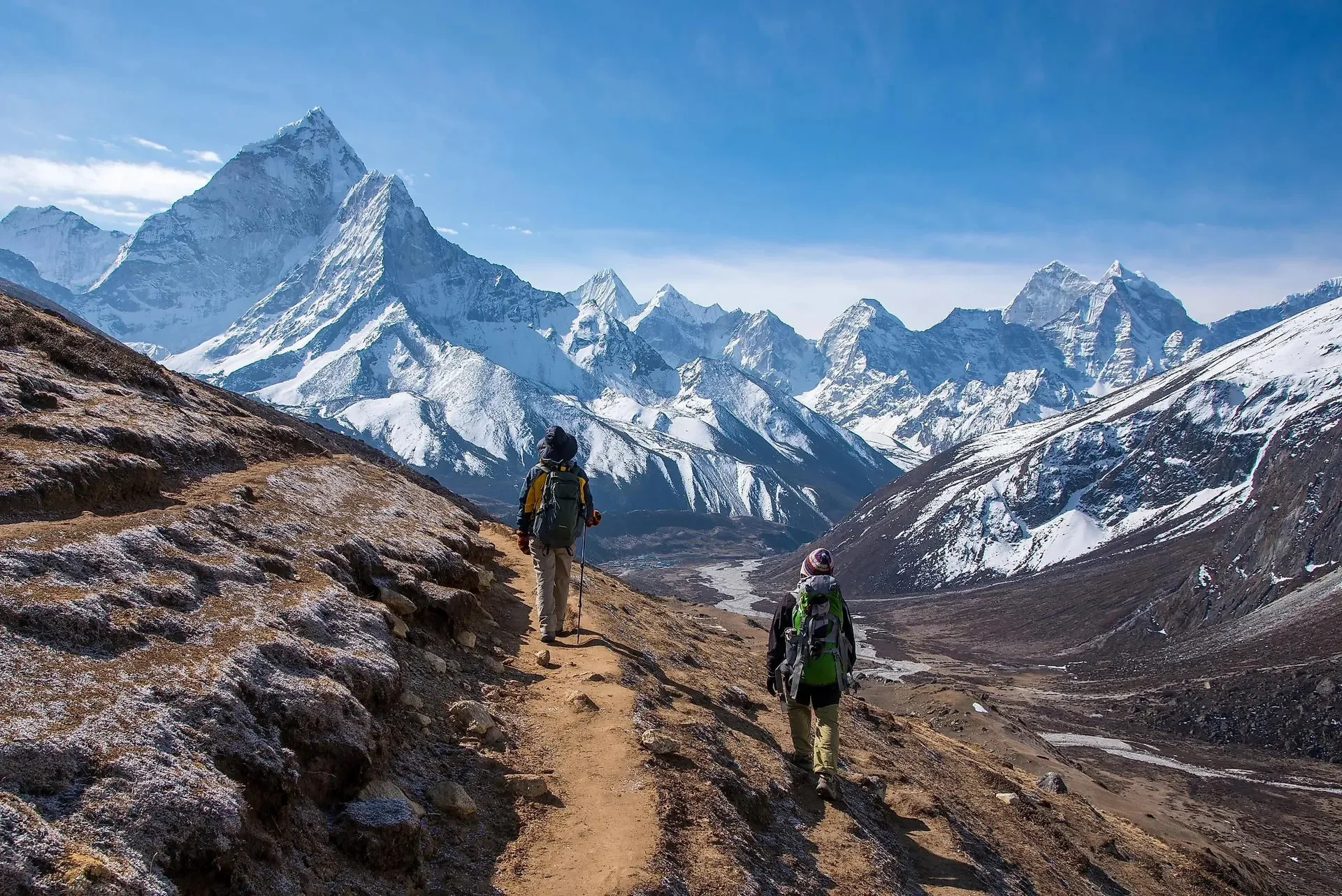
Trekking is one of the main reasons travellers visit Nepal.
The country has walking routes that take you through subtropical forests, traditional villages, alpine landscapes and high mountain valleys.
Some lead to the foot of famous mountains, while others cross high passes or reach remote mountain lakes.
If you want to experience the Himalaya on foot, consider these routes:
Everest Base Camp Trek: Walk through the Khumbu region, visit Sherpa villages, pass Buddhist monasteries and reach the base camp of Mount Everest at approximately 5,364 metres.
Annapurna Base Camp Trek: Follow forest trails and traditional settlements before entering a mountain sanctuary surrounded by Annapurna peaks.
Langtang Valley Trek: Explore Tamang villages, yak pastures, forests and glacial landscapes north of Kathmandu.
Gokyo Lakes Trek: Visit a series of turquoise glacial lakes and climb Gokyo Ri for panoramic views of the surrounding mountains.
Annapurna Circuit Trek: Cross Thorong La Pass at 5,416 metres and experience the changing landscapes between Manang and Mustang.
Not every trek requires weeks of walking. Shorter routes such as the Ghorepani Poon Hill Trek offer a mountain experience within a few days. Choose a route based on your available time, fitness and comfort with altitude.
2. Watch Sunrise and Sunset Over the Himalayan Peaks
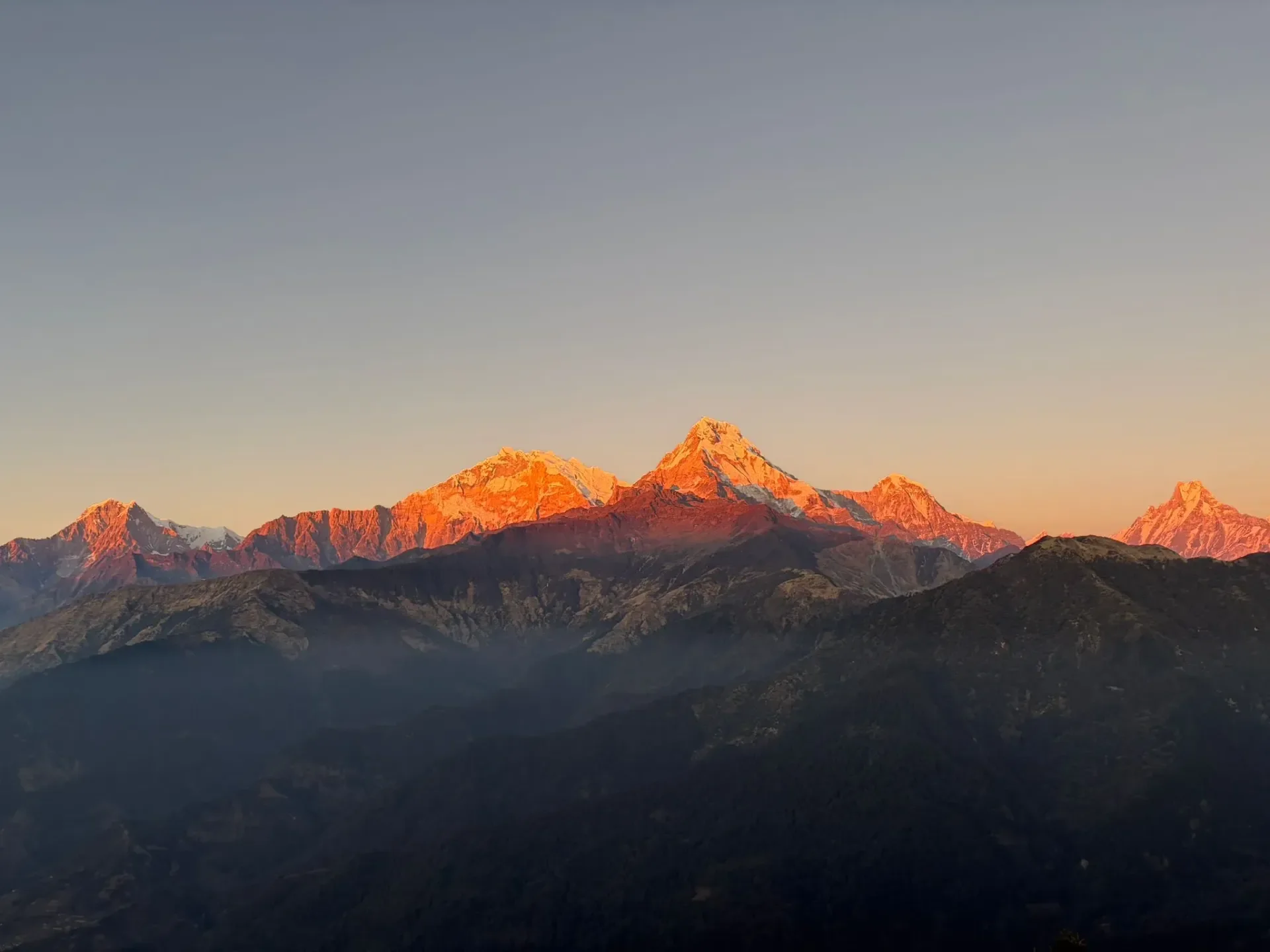
There is a difference between seeing a mountain during the day and watching the first sunlight reach its summit.
At sunrise, the peaks gradually change colour as sunlight moves across the snow-covered slopes.
It is one of the simplest ways to appreciate the Himalayan landscape without committing to a demanding adventure.
Nepal has several viewpoints where you can experience this.
Sarangkot, Pokhara: A popular viewpoint for watching the Annapurna and Machhapuchhre ranges, particularly at sunrise.
Poon Hill: Located above Ghorepani, this viewpoint offers a panoramic view of the Annapurna and Dhaulagiri ranges.
Kala Patthar: A high-altitude viewpoint near Everest Base Camp, known for its close views of Mount Everest and surrounding peaks.
Nagarkot: Located east of Kathmandu, it offers mountain views on clear days and is accessible by road.
Mardi Himal Viewpoints: The trekking route provides several opportunities to see Machhapuchhre and the Annapurna range as the trail gains elevation.
If you are visiting during the monsoon, mountain visibility can be unpredictable. Autumn and spring generally offer better opportunities for clear mountain views, although weather conditions can change at any time.
3. Visit Himalayan Monasteries and Spiritual Sites
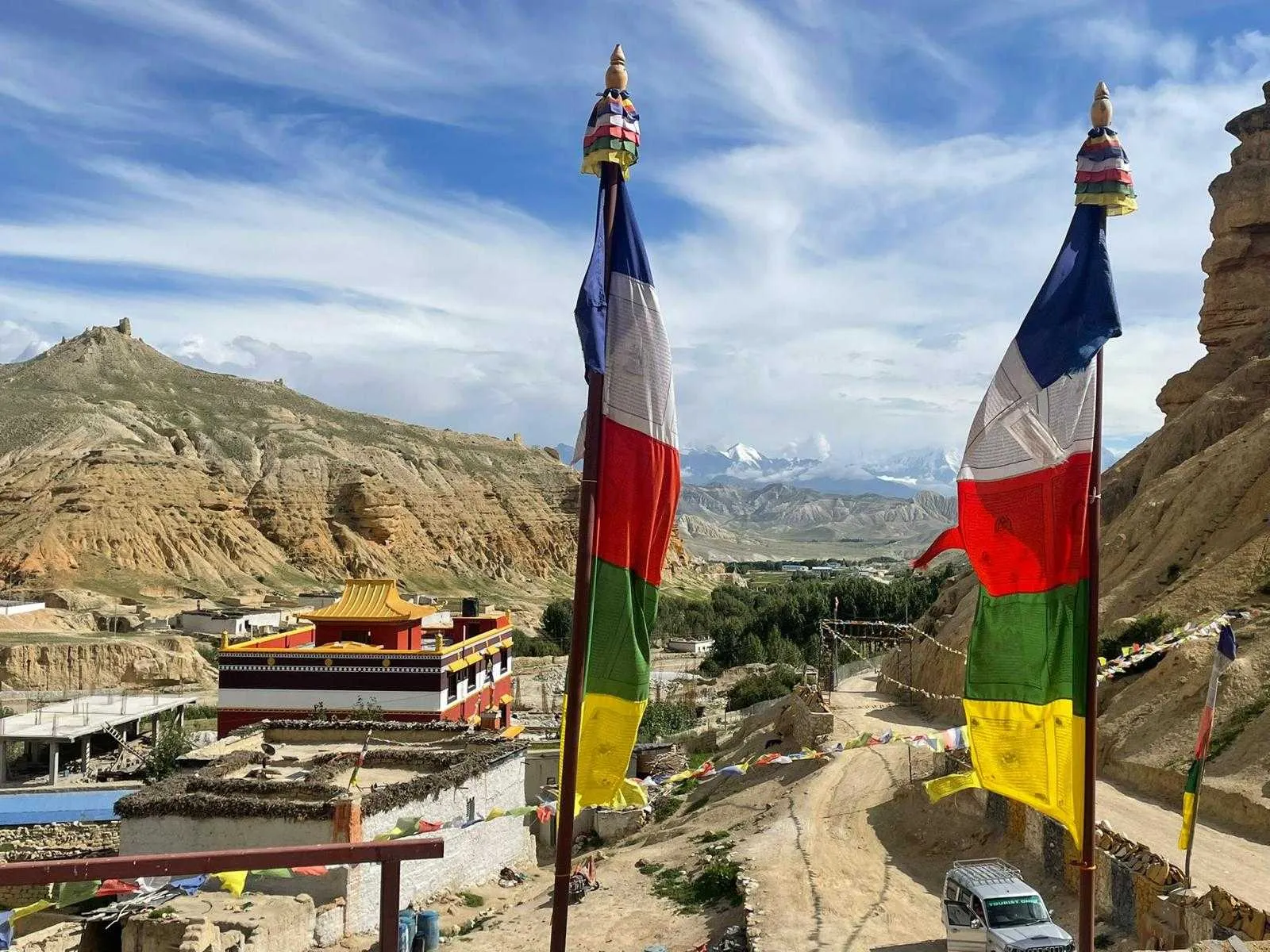
The Himalaya is not only a natural landscape. It is also home to communities with deep religious and cultural traditions.
Buddhist monasteries, prayer wheels, stupas and temples are part of everyday life in several mountain settlements.
Visiting these places gives you an opportunity to understand the spiritual side of Nepal's Himalayan communities.
Some places worth visiting include:
Tengboche Monastery: Located in the Everest region, this is one of the most recognised Buddhist monasteries along the Everest Base Camp trekking route. It offers views of surrounding Himalayan peaks.
Kopan Monastery: Situated on a hill near Kathmandu, it is known for Tibetan Buddhist teachings and meditation courses.
Shey Gompa: Located in the remote Upper Dolpo region, this monastery is associated with the spiritual and cultural heritage of the region.
Muktinath Temple: Located in Mustang, this sacred pilgrimage site is important to both Hindu and Buddhist visitors.
Boudhanath Stupa: Although situated in Kathmandu rather than the high mountains, it is an important centre of Tibetan Buddhist culture and a useful addition before or after a Himalayan journey.
When visiting monasteries, dress respectfully, follow photography rules and avoid interrupting prayers or religious activities. Some monasteries may have restricted visiting hours.
4. Explore Traditional Himalayan Villages
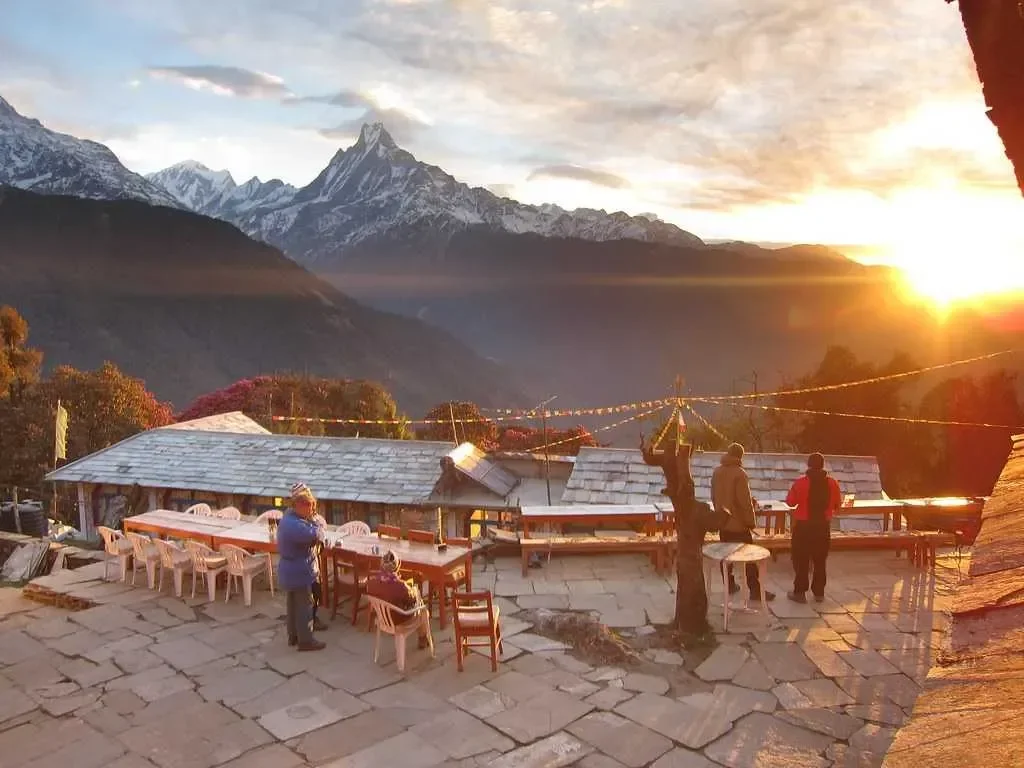
Mountain villages offer a different perspective on Nepal than its busy cities and popular tourist centres.
Many settlements still retain traditional houses, local farming practices, community traditions and lifestyles shaped by their surroundings.
Rather than rushing through these places, spend some time walking around, talking with local people and learning about everyday mountain life.
Here are some villages and settlements worth exploring:
Ghandruk: A traditional Gurung village in the Annapurna region, known for stone houses, mountain views and its cultural heritage.
Marpha: A beautiful settlement in Mustang, recognised for its whitewashed houses, narrow streets and apple orchards.
Manang: A high-altitude village along the Annapurna Circuit, where visitors can experience local mountain culture and observe traditional architecture.
Kagbeni: Located near the entrance to Upper Mustang, this village has narrow alleys, traditional houses and a strong Tibetan cultural influence.
Ghiling and Ghami: Remote settlements in Upper Mustang where traditional architecture and local lifestyles remain an important part of the landscape.
You can also stay in local teahouses or homestays, depending on the destination. These stays provide opportunities to experience local hospitality and try traditional food.
5. Explore Nepal's Beautiful Himalayan Lakes
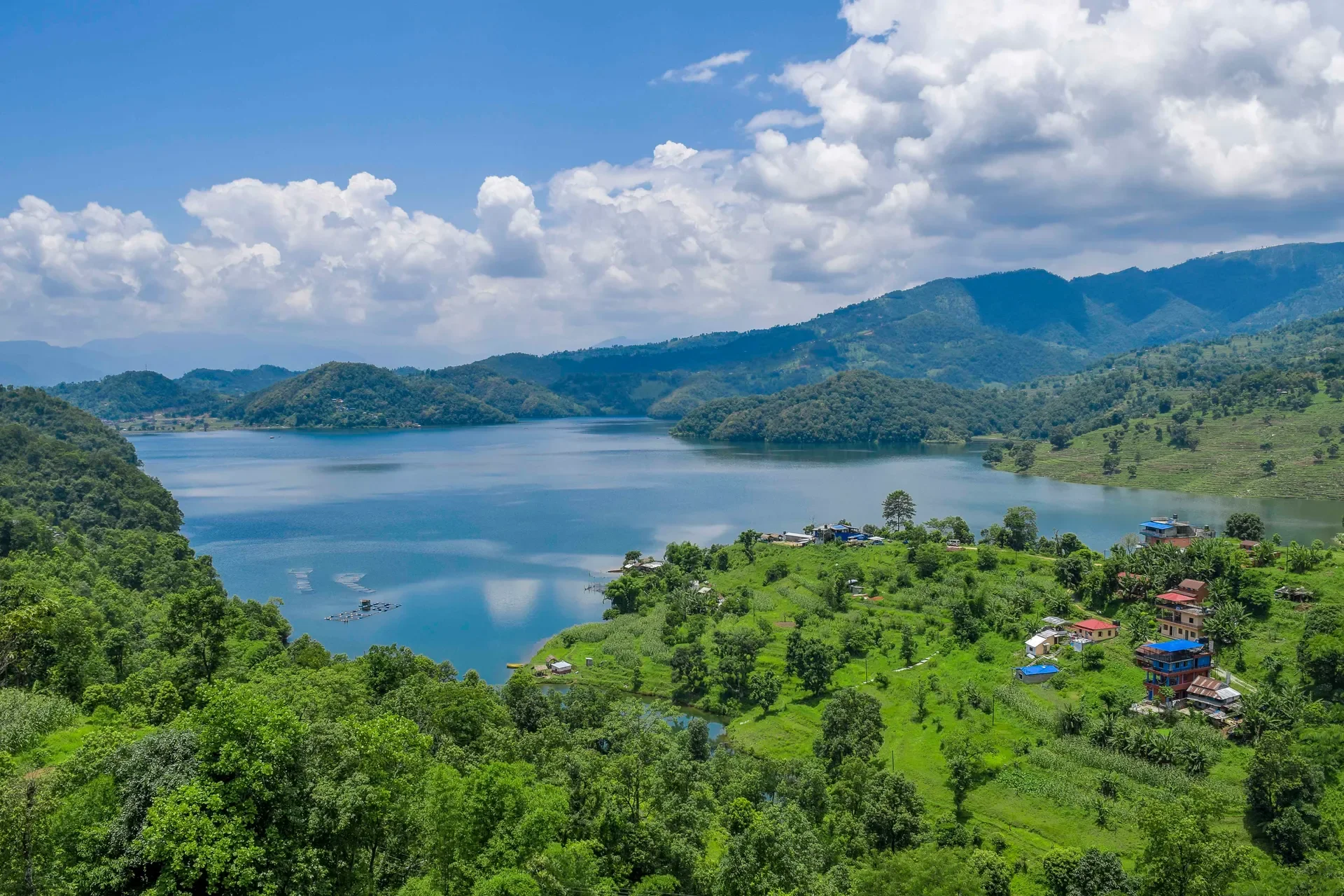
Nepal's Himalayan lakes offer more than just beautiful views. Some are perfect for boating and relaxing by the water, while others require a trek through mountain villages, forests and high-altitude landscapes.
Phewa Lake in Pokhara is one of the easiest places to enjoy a lake experience. You can rent a traditional wooden boat, paddle across the water, visit Tal Barahi Temple on its small island or simply enjoy views of Machhapuchhre on a clear day.
Other lakes worth exploring include
Begnas Lake: Located outside Pokhara, Begnas is generally quieter than Phewa Lake. You can enjoy boating, fishing and a relaxed day by the water.
Gokyo Lakes: These glacial lakes in the Everest region are known for their striking turquoise colour and dramatic mountain surroundings. Reaching them involves a high-altitude trek.
Tilicho Lake: Situated at approximately 4,919 metres in the Annapurna region, Tilicho Lake is a challenging trekking destination surrounded by high mountain terrain.
Rara Lake: Located in western Nepal, Rara is known for its clear blue water, forested hills and peaceful surroundings. You can walk along the lakeshore, enjoy the scenery and explore the nearby national park.
6. Experience White-Water Rafting on Himalayan Rivers
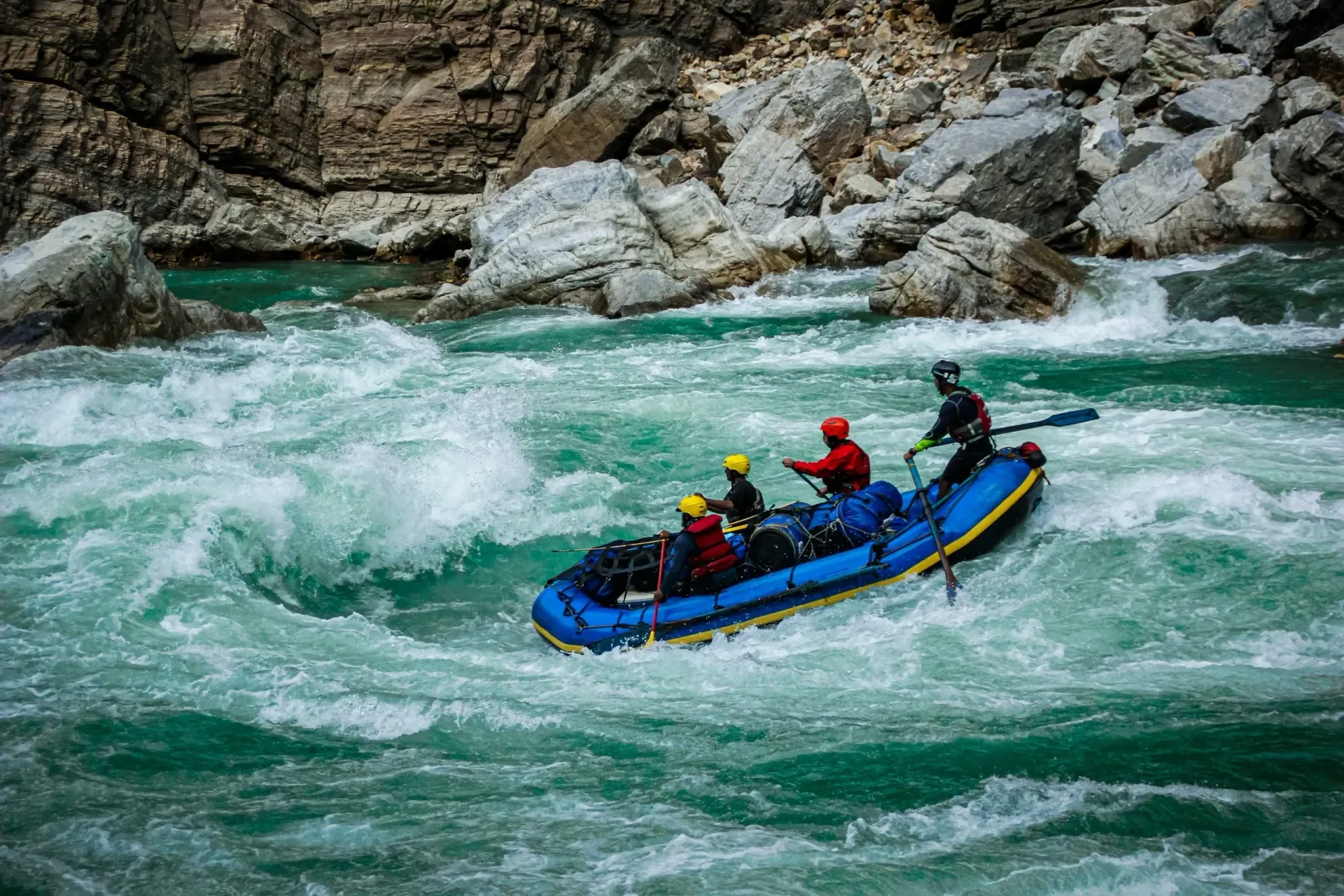
Nepal's rivers originate in the Himalaya, making the country an attractive destination for white-water rafting.
Depending on the river, you can experience anything from a short introductory trip to a multi-day rafting expedition.
Some popular rivers for rafting include:
Trishuli River: One of Nepal's most accessible rafting destinations, particularly for travellers moving between Kathmandu and Pokhara.
Bhote Koshi River: Known for its challenging rapids and adventurous rafting experience.
Sun Koshi River: A popular choice for multi-day rafting expeditions through river valleys and remote landscapes.
Kali Gandaki River: Offers rafting through a dramatic river valley with views of the surrounding hills and mountains.
Karnali River: A longer expedition destination in western Nepal, known for its remote setting and white-water sections.
Rafting difficulty varies by river and season. Spring and autumn are popular periods, but the actual conditions depend on rainfall and water levels. Always choose a licensed operator and follow the guide's safety instructions.
7. Go Paragliding or Take a Scenic Mountain Flight
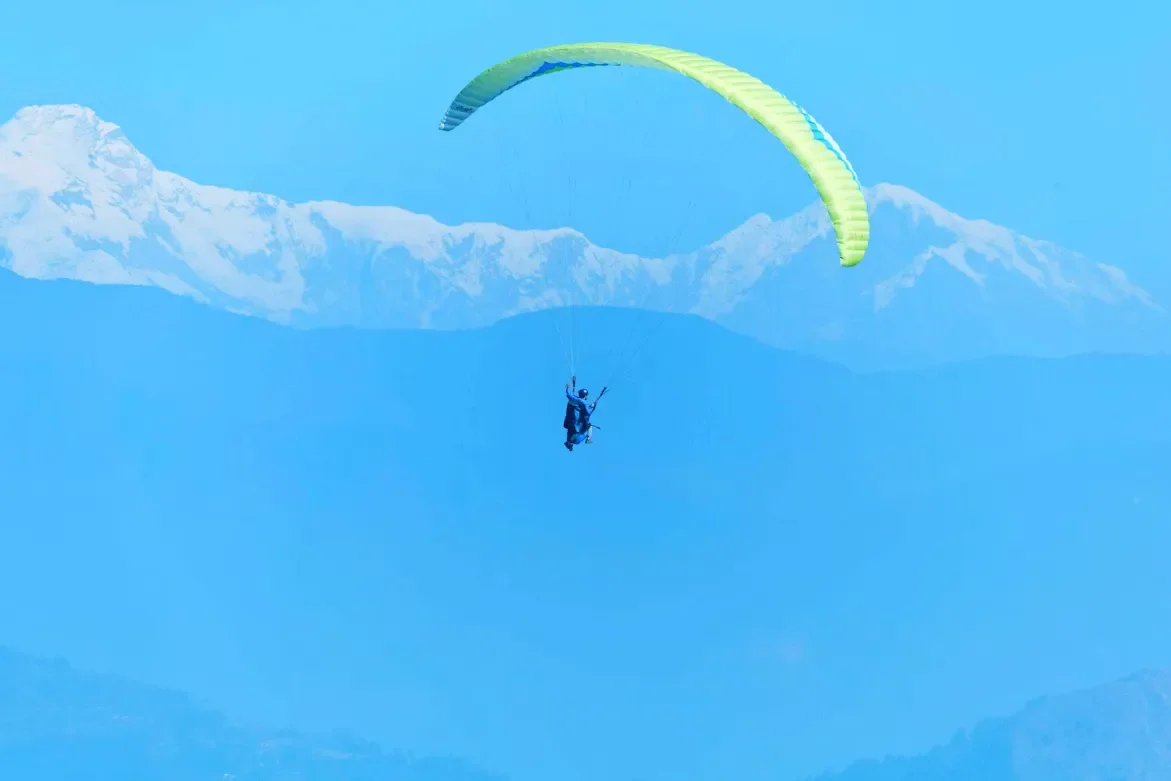
If you want to see the Himalaya from above without trekking for several days, Nepal has several aerial experiences worth considering.
Paragliding in Pokhara is one of the most popular options. Flights usually begin from Sarangkot and offer aerial views of Phewa Lake, Pokhara Valley and the surrounding Annapurna range.
Tandem flights with trained pilots make the experience accessible to people without previous paragliding experience.
Other ways to experience the mountains from the air include:
Ultralight flights in Pokhara: Take a small aircraft flight for closer views of the surrounding mountains and valley.
Everest mountain flight: A scenic flight from Kathmandu that offers aerial views of Everest and other major Himalayan peaks, subject to weather and visibility.
Helicopter tours: Helicopter sightseeing trips are available in destinations such as Everest and Annapurna, providing access to mountain viewpoints without completing a long trek.
These experiences depend heavily on weather conditions. Check the operator's safety arrangements, flight schedule and cancellation policy before booking.
8. Go Mountain Biking in the Himalaya
Mountain biking is another way to explore Nepal's varied landscapes. Instead of following trekking trails on foot, you can ride through mountain roads, forest tracks, village paths and challenging downhill sections.
Pokhara is a popular starting point for mountain biking, with routes around the valley and nearby hills. More experienced riders can explore sections of the Annapurna region, Mustang and other mountain destinations.
Some places to consider include:
Pokhara Valley: Suitable for exploring nearby hills, rural settlements and scenic countryside.
Lower Mustang: Ride through dry landscapes, traditional villages and mountain roads around Jomsom and Marpha.
Kakani: A hill destination north-west of Kathmandu with countryside roads and mountain views on clear days.
Nagarkot: Offers cycling routes through rural settlements and hilly landscapes near Kathmandu.
Mountain biking routes differ in difficulty. Some are suitable for recreational cyclists, while others require technical riding skills, physical fitness and proper equipment. Check road conditions and altitude before planning a longer ride.
9. Explore Himalayan Wildlife and Go Birdwatching
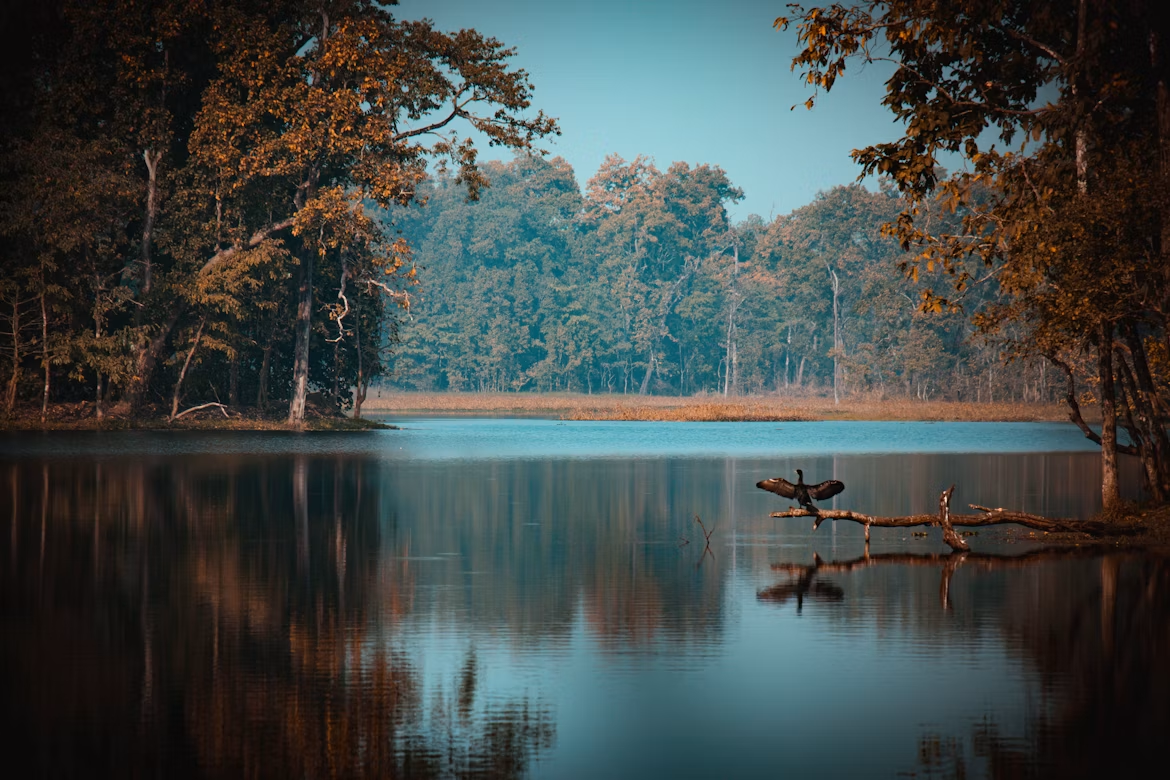
Nepal's Himalayan region contains different habitats, from temperate forests to alpine grasslands. These environments support a variety of wildlife, including rare mammals and colourful mountain birds.
If wildlife interests you, consider visiting these protected areas:
Langtang National Park: Home to red pandas, Himalayan black bears, musk deer and several bird species.
Sagarmatha National Park: Protects the high-altitude ecosystem of the Everest region, including species such as Himalayan tahr and musk deer.
Shey Phoksundo National Park: Located in Dolpo, it provides habitat for snow leopards, blue sheep and other high-altitude wildlife.
Annapurna Conservation Area: Supports diverse wildlife and bird species across its changing landscapes.
Kanchanjunga Conservation Area: A remote eastern Himalayan destination with rich biodiversity and important wildlife habitats.
Wildlife sightings are never guaranteed. If you want to observe animals, consider hiring a knowledgeable local guide and maintaining a safe distance. Avoid feeding wildlife or disturbing their natural habitat.
10. Camp Beneath the Himalayan Night Sky
Spending a night in the mountains can be very different from staying in a city hotel.
Once you move away from populated settlements and artificial lights, the night sky can become one of the most memorable parts of the experience.
Nepal offers opportunities for camping in different mountain environments, from established trekking campsites to organised wilderness expeditions.
Some destinations and experiences include:
Poon Hill and the Annapurna region: Stay in mountain teahouses and experience early mornings surrounded by Himalayan scenery.
Upper Mustang: Explore remote settlements and open landscapes, with opportunities for organised camping experiences.
Rara Lake: Spend time around the lake and enjoy its peaceful surroundings.
Remote Dolpo: Experience more isolated landscapes through organised trekking and camping expeditions.
Camping in the high Himalaya requires preparation. Temperatures can drop considerably after sunset, even when daytime conditions are comfortable.
Carry appropriate sleeping equipment and follow local camping and waste-management rules.
11. Try Traditional Nepali food
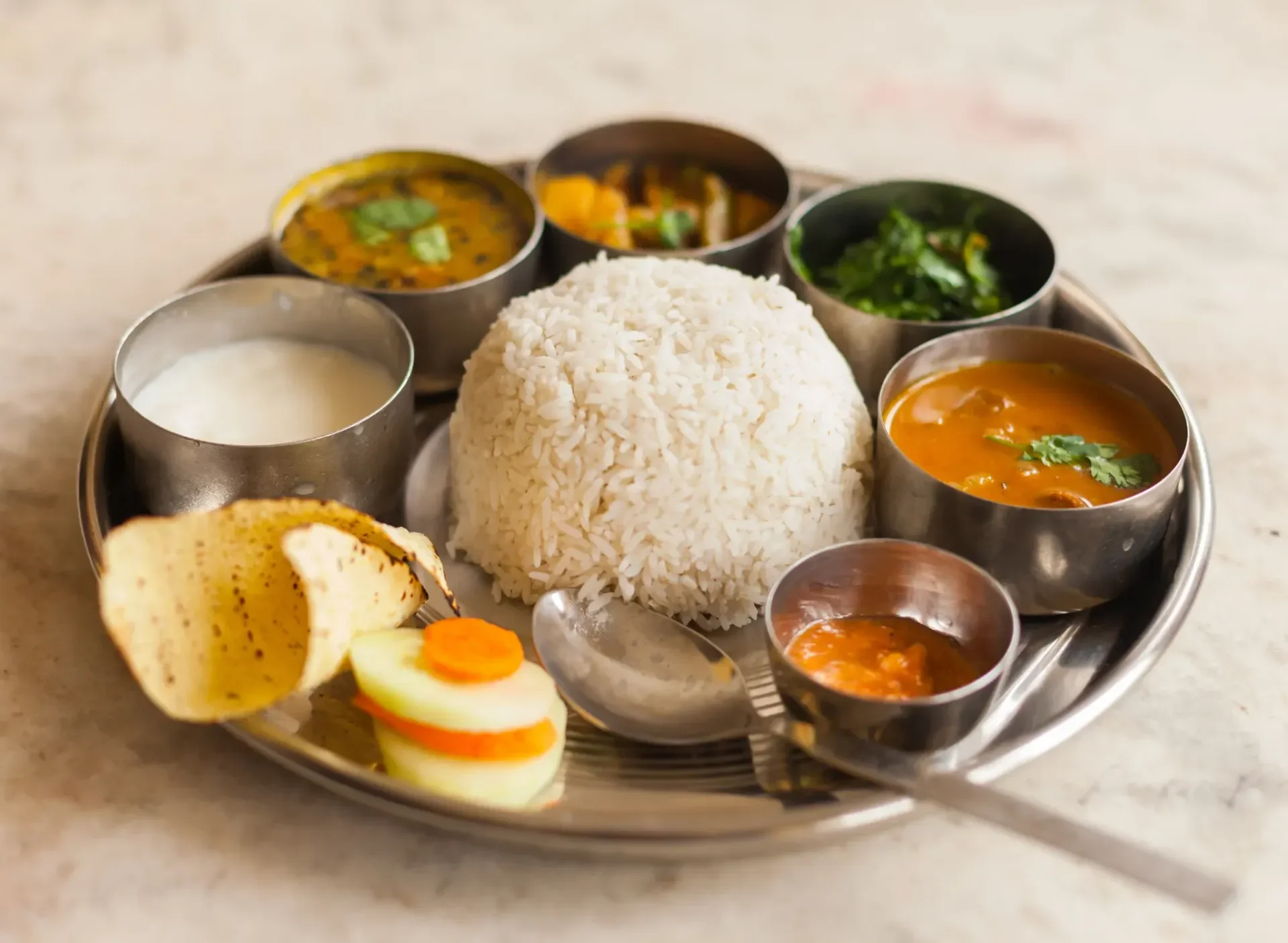
Food is another way to experience the cultural diversity of Nepal's mountain communities.
The dishes you find in a Sherpa settlement may differ from those served in a Gurung village or a traditional Mustang household.
Some foods worth trying include:
Dal Bhat: A traditional Nepali meal consisting of rice, lentil soup, vegetables and accompanying dishes. It is commonly served in mountain teahouses.
Momos: Steamed or fried dumplings filled with vegetables or meat, often served with a spicy dipping sauce.
Thukpa: A noodle soup popular in Himalayan and Tibetan-influenced communities, particularly in colder mountain regions.
Tibetan bread: A fried or pan-cooked bread commonly served with tea or other accompaniments.
Dhido: A traditional dish prepared from buckwheat or millet flour and eaten with vegetables, lentils or other side dishes.
Butter tea: A traditional Tibetan-style drink made using tea, butter and salt, found in some Himalayan communities.
Food traditions vary between regions, so try local dishes when visiting different settlements rather than expecting the same menu everywhere.
12. Relax in Natural Hot Springs
After several days of walking, spending some time in a natural hot spring can be a welcome break.
Nepal has several hot spring destinations, particularly around mountain rivers and trekking routes.
Tatopani in Myagdi is one of the better-known places. Its name literally means hot water in Nepali, and the village is visited by both trekkers and domestic travellers.
Other hot spring experiences can be found around parts of the Annapurna region, including the Tatopani area on routes towards Mustang.
You can include a hot spring visit as part of a longer trekking journey or plan a separate trip depending on accessibility. Facilities and water conditions vary between locations, so check local information before visiting.
13. Attend Traditional Himalayan Festivals
Festivals offer an opportunity to understand the religious beliefs, customs and community traditions of Nepal's Himalayan regions.
Some celebrations follow the Tibetan Buddhist calendar, while others are connected to local agricultural and cultural traditions.
A few festivals worth knowing about include:
Mani Rimdu: Celebrated in monasteries in the Everest region, including Tengboche. The festival features Buddhist rituals, prayers and traditional masked dances.
Tiji Festival: A major cultural and religious celebration in Lo Manthang, Upper Mustang. It includes traditional masked dances and ceremonies over several days.
Losar: The Tibetan and Himalayan New Year, celebrated by several Buddhist communities across Nepal. Celebrations include family gatherings, traditional food, prayers and cultural performances.
Yartung Festival: Celebrated in parts of Mustang, this festival is associated with traditional horse racing, community gatherings and cultural activities.
Festival dates vary according to the lunar calendar, so check the dates before planning your visit. Some celebrations also take place in remote locations that require additional travel time.
14. Visit Ancient Caves and Explore the Landscapes of Upper Mustang
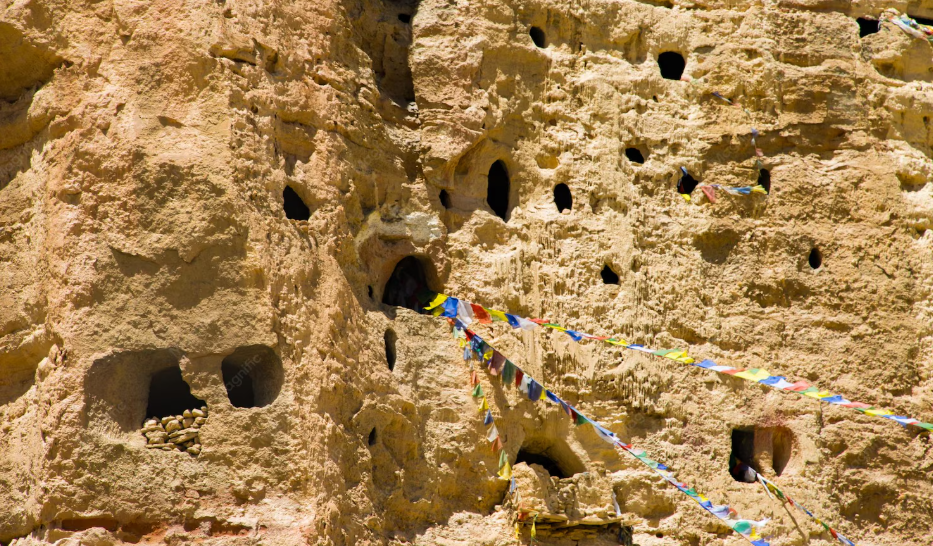
Upper Mustang offers a Himalayan experience that looks quite different from the green valleys and snow-covered mountain scenery commonly associated with Nepal.
Located in the rain-shadow region of the Annapurna and Dhaulagiri ranges, Upper Mustang has dry cliffs, deep gorges, barren hills and settlements influenced by Tibetan culture.
One of its most fascinating attractions is the collection of ancient caves carved into the cliffs.
The caves around Chhoser, near Lo Manthang, are particularly interesting because of their unusual locations and archaeological significance.
Other experiences in Upper Mustang include:
Walking through the old walled settlement of Lo Manthang.
Exploring traditional villages such as Ghami and Tsarang.
Visiting monasteries and ancient religious sites.
Observing the distinctive red and ochre-coloured cliffs.
Experiencing local culture and traditional architecture.
Upper Mustang requires a restricted-area permit and a licensed guide. It is also a destination where you should allow enough time for travel and exploration rather than treating it as a quick sightseeing trip.
When Is the Best Time to Experience the Himalaya in Nepal?
The best time depends on what you want to do. Nepal has different weather conditions across its Himalayan regions, and an ideal season for one activity may not be suitable for another.
Spring (March to May): Spring is a popular season for trekking, mountain photography and wildlife observation. Rhododendron forests bloom in several trekking regions, and temperatures are generally comfortable at lower elevations.
Autumn (September to November): This is another popular period for Himalayan travel. Post-monsoon conditions often bring clearer mountain views, making it suitable for trekking, mountain flights and outdoor adventures.
Winter (December to February): Lower-altitude destinations such as Pokhara and Kathmandu remain accessible, while higher trekking routes can experience snow, freezing temperatures and difficult conditions. Winter is suitable for some lower-altitude hikes and mountain photography, depending on the weather.
Monsoon (June to August): Heavy rainfall affects many trekking routes, particularly in regions exposed to monsoon weather. However, rain-shadow destinations such as Upper Mustang and Dolpo can offer different travel opportunities during this period. Landslides, road conditions and flight disruptions still need consideration.
Before choosing your travel dates, check the conditions of your specific destination rather than relying only on Nepal's general seasonal calendar.
A Few Things to Consider Before Exploring the Himalaya
The Himalayan environment is different from Nepal's cities and lowland destinations.
Even if you are travelling for sightseeing rather than trekking, a little preparation makes the experience safer and more comfortable.
Take altitude seriously: Destinations above 2,500 metres can increase the risk of altitude-related illness. Acclimatise properly when travelling to higher elevations, and never ignore symptoms such as headaches, nausea or unusual fatigue.
Check road and trail conditions: Mountain roads can be affected by landslides, rainfall, snow and construction. Allow extra travel time, particularly during the monsoon and winter.
Carry suitable clothing: Weather can change quickly in the mountains. Bring warm layers, rain protection, comfortable footwear and sun protection.
Respect local customs: Ask before photographing people, follow monastery rules and dress appropriately when visiting religious sites.
Choose responsible operators: For activities such as rafting, paragliding and mountain flights, check the operator's safety arrangements and qualifications.
Leave no waste behind: Carry reusable water bottles where practical, avoid single-use plastics and take your rubbish back with you when visiting remote areas.
Conclusion
The experiences listed above are only a starting point. The Himalayas offer far more than any number can capture, and there's no single way to explore them.
You can trek through mountain villages, watch the sunrise over snow-covered peaks, visit ancient monasteries, explore high-altitude lakes, ride through remote mountain roads, experience local festivals, spot wildlife, camp beneath the stars or simply spend a quiet afternoon beside a mountain lake. Some adventures take days of walking, while others begin with a short drive or a visit to a nearby village.
Every region has something different to offer, from the busy trails of Annapurna to the remote landscapes of Upper Mustang and the cultural communities of the Everest region.
You don't have to climb a mountain or complete a demanding trek to experience the Himalayas. Sometimes, it's the small moments, the people you meet and the places you discover along the way that make the journey memorable.
So, don't let a list decide what your Himalayan experience should look like. Explore beyond the familiar routes, follow your interests and leave some room for unexpected discoveries. There's always more to see, experience and learn in the mountains.
A little inspiration for your next trip
Get travel ideas and local experiences from My Easy Guide in your inbox.
Spam free. Unsubscribe anytime. We respect your privacy.