Winter Trekking in Nepal: What It's Really Like and Which Routes Still Work
Asmita Karki
Contents
- What Is Winter Like in Nepal's Trekking Regions?
- December, January and February: Which Month Should You Choose?
- Best Trekking Routes in Nepal During Winter
- Winter Treks That Require Extra Planning
- Can You Trek to Everest Base Camp and Gokyo in Winter?
- What Happens to High Passes During Winter?
- What to Pack for Winter Trekking in Nepal
- Teahouses, Transportation, Permits and Other Practical Details
- The Quieter Side of Winter Trekking
- Is Winter Trekking in Nepal Right for You?
- Frequently Asked Questions
You've probably seen photos of Nepal in winter: snow-covered peaks, clear blue skies and quiet mountain trails. It looks like an ideal time to trek. But winter in the Himalayas comes with a different set of challenges. Temperatures drop sharply at night, snowfall can affect higher trails, and some teahouses close or reduce their services.
That doesn't mean you have to avoid trekking in Nepal between December and February. Many lower and mid-altitude routes remain accessible, and the quieter trails offer a different experience from the busy spring and autumn seasons.
The important thing is choosing the right route. A trek to Poon Hill is very different from crossing Thorong La or reaching Everest Base Camp in January. Altitude, snowfall, trail exposure and accommodation availability all influence how manageable a winter trek will be.
This guide covers what winter trekking actually feels like, how conditions differ between December and February, which routes are worth considering and what you should prepare before heading into the mountains.
What Is Winter Like in Nepal's Trekking Regions?
Winter in Nepal generally runs from December to February. The weather is often clear, particularly in the mornings, but temperatures vary considerably depending on elevation and location.
Lower trekking destinations are usually more manageable, while higher villages and exposed trails experience much colder conditions. Snowfall can also change trail conditions, particularly around high passes and mountain ridges.
Cold Mornings and Freezing Nights
Mornings and evenings are usually the coldest parts of a winter trek. Above approximately 3,500 m, temperatures can drop below freezing, and water left outside overnight may freeze.
Teahouses don't always have heating in bedrooms. Most trekkers spend their evenings around a stove in the dining room, where they can warm up, eat and prepare for the following day.
Daytime walking is often more comfortable when the sun is out. You might start with several layers in the morning and remove some as you gain warmth on the trail.
However, temperatures drop quickly once the sun disappears behind the surrounding mountains. Reaching your overnight stop by mid-afternoon is a sensible approach.
Snowfall and Icy Trails
Snow is one of the main factors that can change a winter trekking plan.
Higher sections of routes such as Mardi Himal, Annapurna Base Camp and Everest Base Camp can experience snowfall. Even when snowfall stops, shaded paths and stone steps may remain icy.
This is particularly important on exposed ridges and high-altitude trails, where snow can make navigation and walking more difficult.
A route that's manageable in early December might become considerably more challenging after a snowfall in January. Check local conditions before starting each higher section rather than relying only on the general seasonal forecast.
Clear Skies and Shorter Days
Winter often brings excellent mountain visibility. On clear mornings, the Annapurna, Dhaulagiri and Everest ranges can appear particularly sharp against the blue sky.
However, shorter daylight hours mean you have less time for walking. Starting early and reaching your teahouse before late afternoon helps avoid walking in falling temperatures or fading light.
December, January and February: Which Month Should You Choose?
Winter conditions change throughout the season. December is generally the easiest starting point, January brings the coldest conditions, and February gradually moves towards spring.
Trekking in December
December is often the most comfortable month for winter trekking in Nepal. Many lower routes have relatively clear weather, and snowfall is generally less of a concern than during the colder part of January.
Ghorepani Poon Hill, Panchase and Chisapani–Nagarkot are worth considering. Higher routes can also be accessible, but freezing nights and snowfall remain possible.
If you want winter mountain views without dealing with the deepest winter conditions, December is a sensible option.
Trekking in January
January is usually the coldest month of winter. Nights become particularly cold at higher elevations, and snowfall can affect exposed trails, mountain ridges and high passes.
Some teahouses at higher elevations may close or operate with limited services. Shaded stone steps can also remain slippery after snowfall.
Lower-altitude treks are generally better choices during this period. If you're considering a higher route, confirm accommodation and trail conditions before departure.
Trekking in February
February is still a winter month, particularly during its first half. However, the days gradually become longer, and temperatures start moving towards spring conditions.
Late February can be a good compromise for travellers who want quieter trails and clear mountain views without the full intensity of January's cold.
Higher-altitude routes still require careful planning. Don't assume that the approach of spring makes snow-covered trails or high passes safe to cross.
Best Trekking Routes in Nepal During Winter
Not every trekking route offers the same experience during winter. Some stay relatively accessible, while others become more demanding because of snow, cold temperatures or reduced accommodation services.
Here are some options worth considering.
Ghorepani Poon Hill Trek
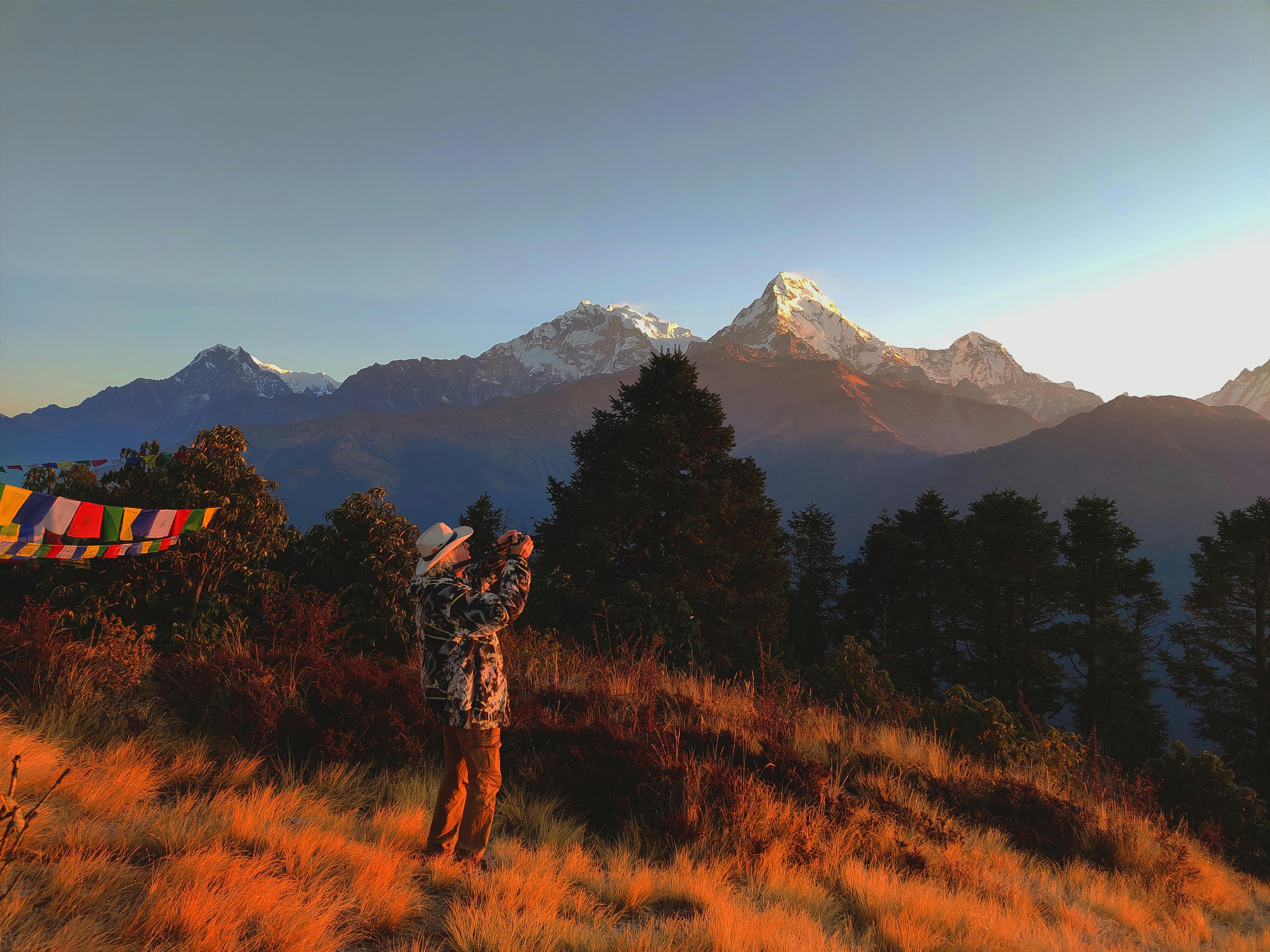
Ghorepani Poon Hill is one of the more accessible winter treks in Nepal. Its main viewpoint sits at approximately 3,210 m, and the route has established teahouses along the way.
The main attraction is the sunrise panorama over the Annapurna and Dhaulagiri ranges. Winter can offer particularly clear mountain views, although early mornings at Poon Hill are very cold.
Stone steps can become slippery after snowfall, so good trekking boots and warm clothing are important. If you're planning to watch the sunrise, carry a headlamp and an extra layer for the early climb and time spent at the viewpoint.
Best for: First-time trekkers, families and travellers looking for a shorter Himalayan trek.
Panchase Trek
Panchase is one of the gentler winter trekking options in the Annapurna foothills. At approximately 2,500 m, it stays lower than many popular Himalayan routes.
The trek offers forest trails, village experiences and wide mountain views on clear days. Its relatively low elevation makes it a practical choice when colder conditions affect higher trekking destinations.
You can also combine Panchase with other short walks around Pokhara, depending on how much time you have.
Best for: Beginners, families and travellers looking for a quieter, lower-altitude trek.
Chisapani–Nagarkot Trek
If you're staying in Kathmandu, the Chisapani–Nagarkot route offers an opportunity to explore the surrounding hills without travelling far from the valley.
The trail passes through forested areas and local settlements, with Himalayan views on clear mornings. Its lower elevation makes it more manageable during winter than many high-altitude trekking routes.
Mornings can still be cold, so bring warm clothing, particularly if you're planning to watch the sunrise.
Best for: Travellers with limited time who want a short trek near Kathmandu.
Dhampus and Sarangkot Ridge Walks
Dhampus and Sarangkot are convenient options for travellers staying in Pokhara. These ridge walks offer views of the Annapurna range and Machhapuchhre without requiring a high-altitude trekking itinerary.
Because the destinations are relatively close to roads and accommodation, they also provide alternatives when weather conditions affect longer treks.
You can explore them as day walks or spend a couple of days enjoying the surrounding villages and mountain scenery.
Best for: Families, beginners and travellers with only a few days available.
Helambu Trek
Helambu is another option for winter trekking near Kathmandu. The route passes through Sherpa and Tamang settlements, forested hills and ridges overlooking the Langtang region.
Much of the trek stays below approximately 3,700 m, although higher sections still experience cold nights during winter.
Unlike some of the more popular mountain routes, Helambu offers a stronger focus on village life and local culture. Check conditions around the higher overnight stops before setting out.
Best for: Travellers interested in local culture, quieter trails and moderate-altitude trekking.
Winter Treks That Require Extra Planning
Some popular trekking destinations remain possible during winter, but conditions can change quickly. Snowfall, icy trails and reduced teahouse services make flexibility particularly important.
Mardi Himal Trek
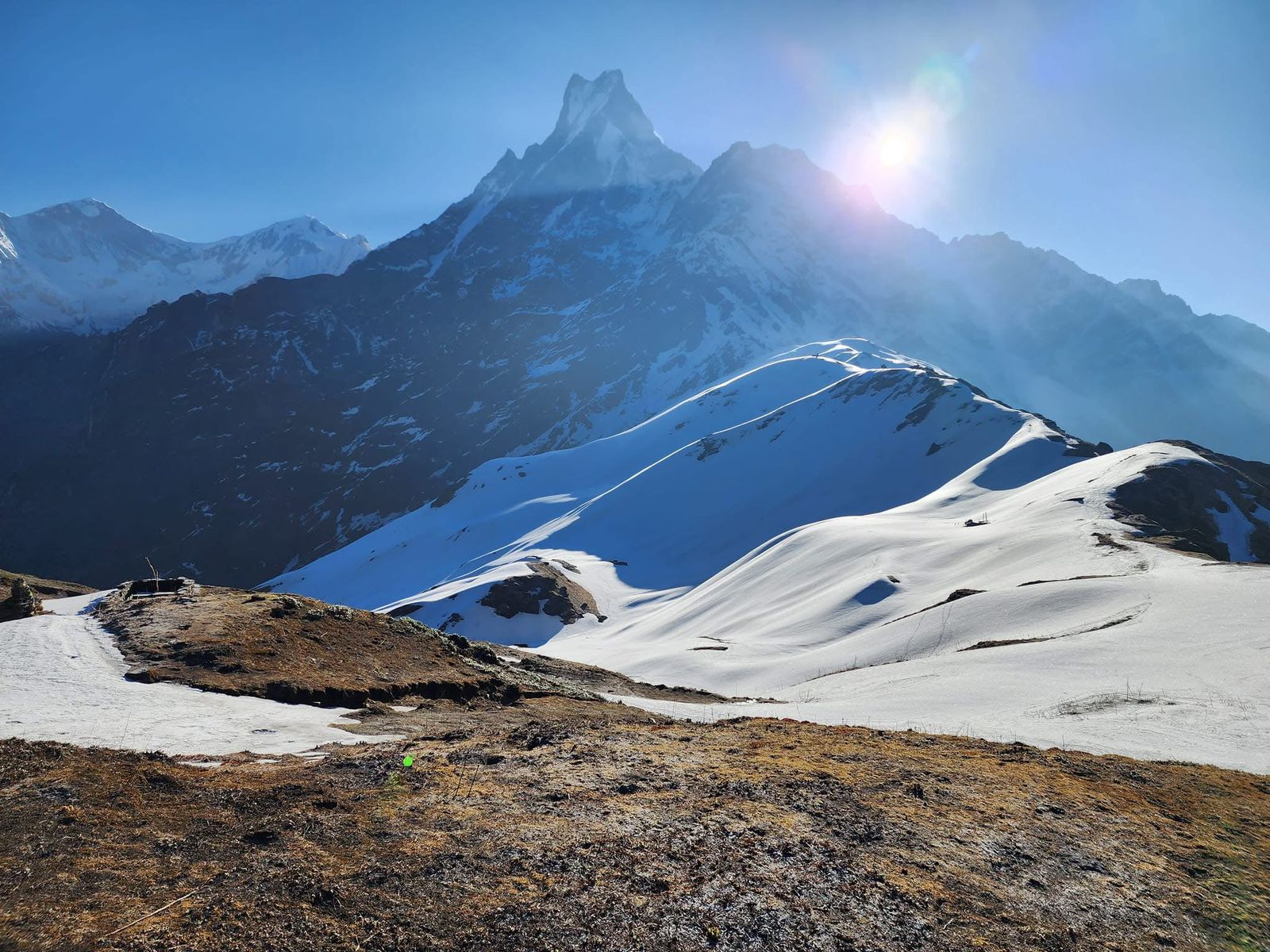
Mardi Himal reaches approximately 4,200 m at its highest destination, making winter conditions more demanding than on lower-altitude routes.
The upper ridge towards High Camp, around 3,580 m, can hold snow, and some lodges may operate with reduced services. The trail also becomes slippery after snowfall.
The reward is a quieter ridge walk with close views of Machhapuchhre and the Annapurna range. However, don't underestimate the cold at higher overnight stops.
Consider going with a local guide who knows the current trail conditions, and confirm accommodation before starting.
For a rough idea of the expenses involved, see this Mardi Himal trek cost breakdown.
Best for: Fit trekkers who are comfortable with cold conditions and flexible plans.
Khopra Danda Trek
Khopra Danda is a more remote trekking option in the Annapurna region. Its ridge sits around 3,600 m and offers wide views of Annapurna South and Dhaulagiri.
Winter makes the route more challenging because snow can cover sections of the trail. Community-run lodges may also close or operate with limited services during the colder months.
Before choosing this trek, confirm which accommodation is available along your planned route. A local guide can also help with navigation when trails are covered in snow.
Best for: Experienced trekkers looking for quieter trails and remote mountain scenery.
Langtang Valley Trek
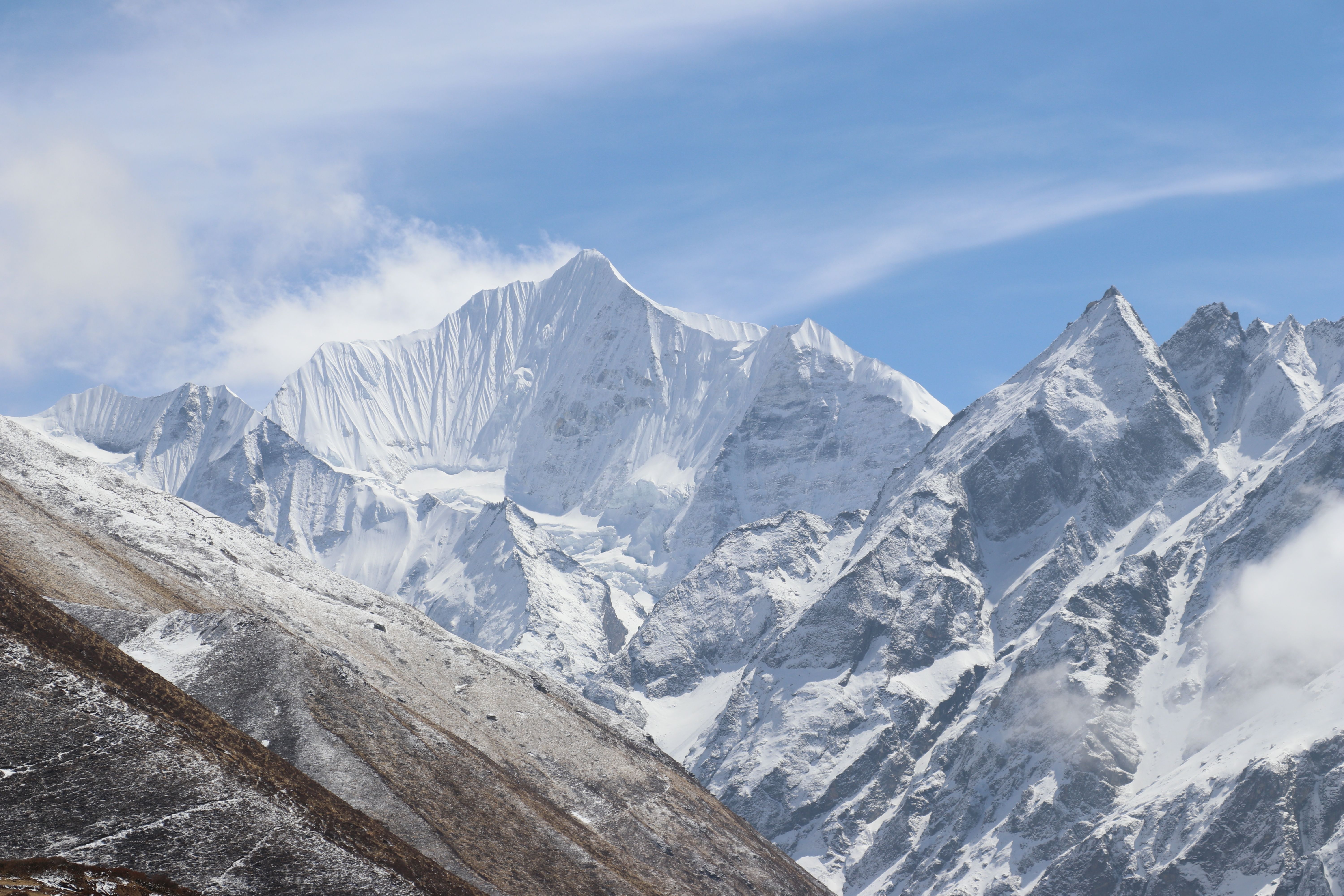
Langtang Valley offers a different winter trekking experience, with a route following a mountain river through forests and traditional Tamang settlements towards Kyanjin Gompa (approximately 3,870 m).
However, access to the region needs particular attention following the flash flood on 26 August 2026.
The flood damaged roads and river crossings around Syabrubesi, affecting access to Langtang Valley, the Tamang Heritage Trail and Gosaikunda. The routes reportedly reopened in October following the installation of a Bailey bridge at Betrawati, with alternative access through Dhunche or Thulo Syabru depending on the itinerary.
Conditions may continue to change as recovery work progresses. Check current road and trail information with the Department of National Parks and Wildlife Conservation or a licensed local trekking operator before travelling.
Once in the valley, expect colder conditions and possible snow on higher sections, particularly during January. Keep extra days in your itinerary rather than planning around a fixed return date.
Best for: Trekkers interested in mountain scenery and Tamang culture who can remain flexible with access and weather conditions.
Tamang Heritage Trail
The Tamang Heritage Trail passes through traditional villages in the Rasuwa region. It offers a cultural experience, with stone-built settlements, local homestays and opportunities to learn about Tamang traditions.
Winter can be a quieter time to explore the area, but access conditions need checking because of the August 2026 flooding.
Confirm the current road conditions, river crossings and accommodation availability before travelling.
Best for: Cultural travellers who want to explore Tamang villages after confirming current access.
Annapurna Circuit: Lower Section to Manang
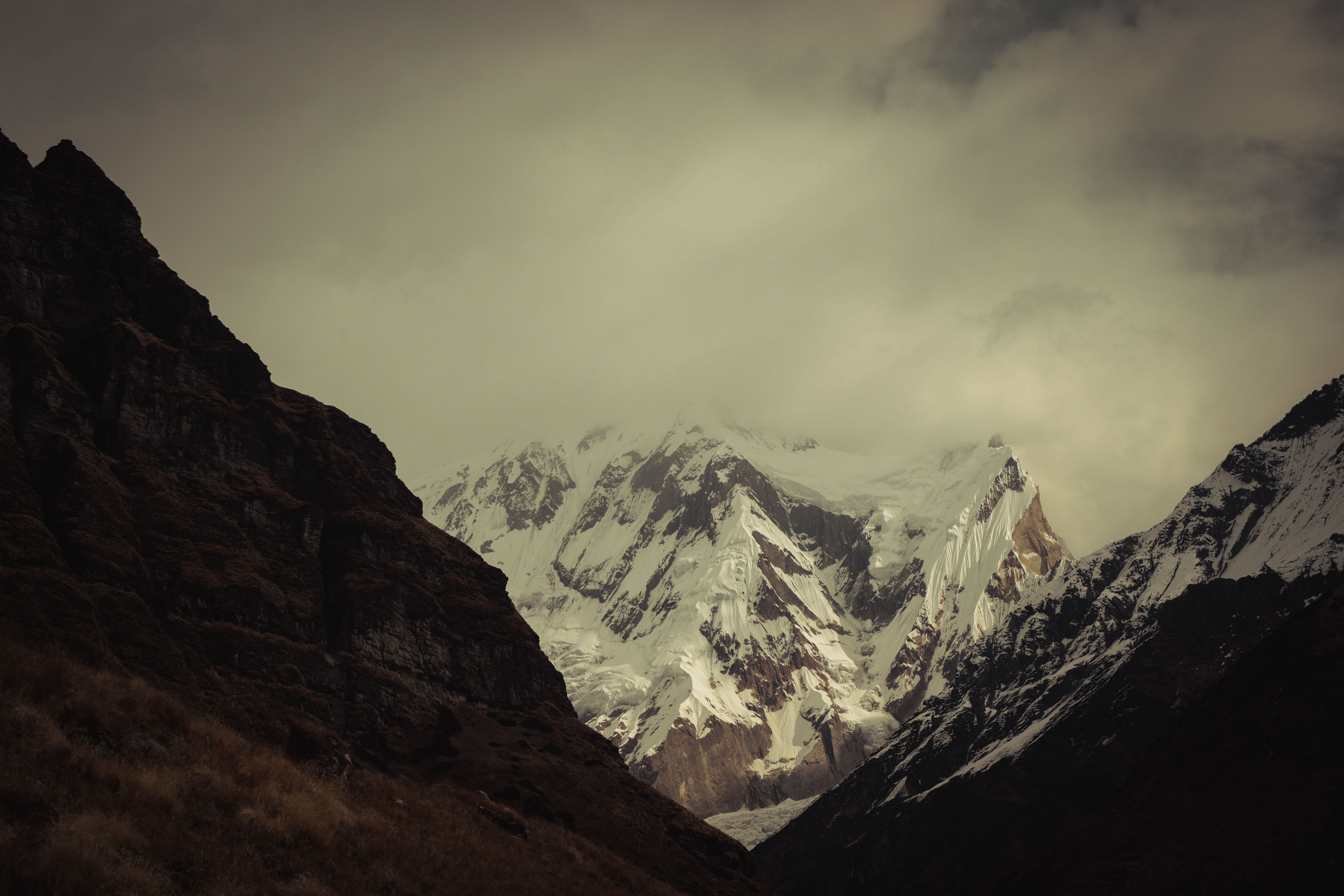
The lower Annapurna Circuit offers a different experience from the full circuit during winter.
The route from Besisahar towards Manang (approximately 3,540 m) passes through changing landscapes, from green river valleys to drier mountain settlements.
Early December can be a good time to explore this section. However, continuing towards Thorong La (5,416 m) is a different challenge.
Snowfall can make the pass difficult or impossible to cross, particularly as winter progresses. Some trekkers therefore treat the lower section as an out-and-back journey, returning from Manang instead of attempting the pass.
This allows you to experience part of the Annapurna Circuit without committing to a potentially difficult winter crossing.
Best for: Experienced trekkers who are comfortable adjusting their route and turning back at Manang.
Annapurna Base Camp Trek
Annapurna Base Camp sits at approximately 4,130 m. Reaching the sanctuary during winter can be rewarding, but snowfall makes some sections considerably more challenging.
The stretch between Deurali and Machhapuchhre Base Camp deserves particular attention because of its avalanche exposure.
Heavy snowfall can make the trail unsafe or impassable. Conditions can change quickly, so don't rely on a fixed itinerary or assume that reaching base camp is always possible.
Only consider this trek with an experienced local guide who can assess current conditions. Allow additional days and be prepared to wait, change your route or turn back.
Best for: Fit and experienced trekkers with flexible schedules and proper winter equipment.
Can You Trek to Everest Base Camp and Gokyo in Winter?
High-altitude destinations in the Everest region offer some of Nepal's most recognisable mountain scenery. However, winter brings extreme cold and more demanding trekking conditions.
Everest Base Camp Trek
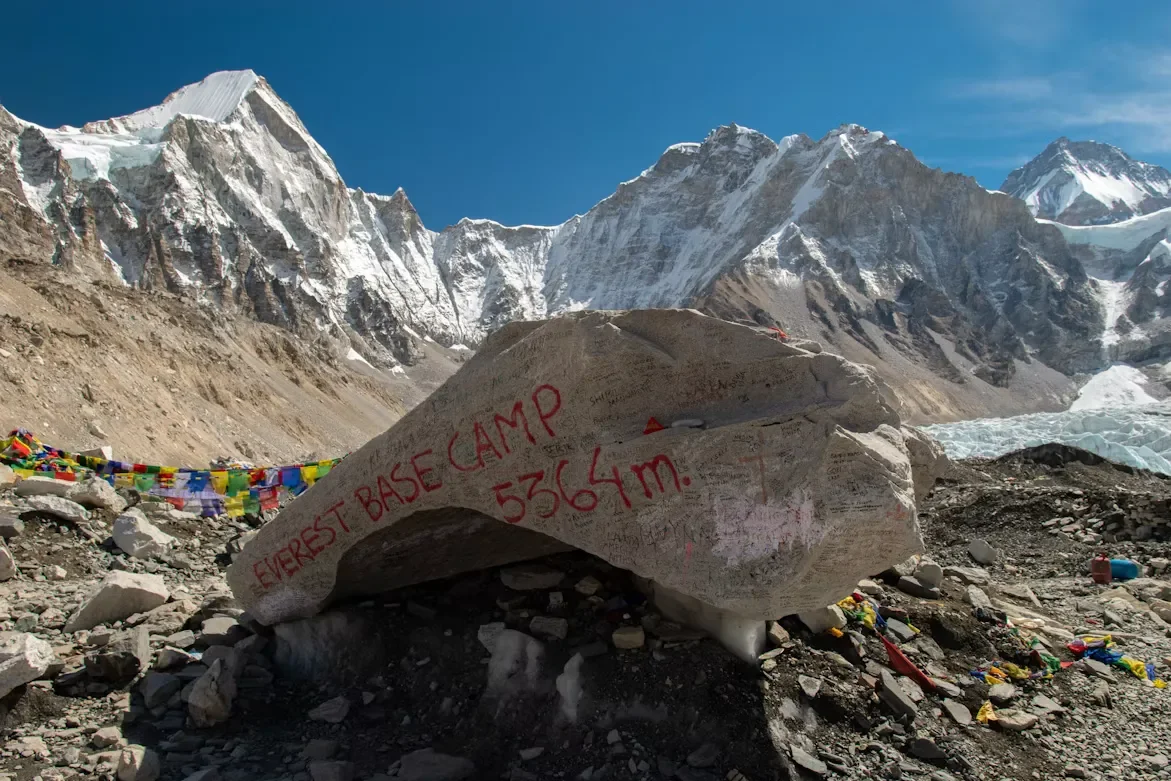
Everest Base Camp remains possible during winter, but it requires considerable preparation.
Nights around Gorak Shep can drop to approximately -20°C. Some high-altitude lodges may also reduce their services or close during the colder months.
The quieter trails and clear mornings can make the journey rewarding, particularly from Kala Patthar. However, the extreme cold can be difficult for trekkers who are unfamiliar with high-altitude winter conditions.
Carry a suitable four-season sleeping bag, warm clothing and enough supplies for changing conditions. Check accommodation availability before departure and allow extra days for weather and flight delays.
Best for: Well-prepared trekkers with experience, suitable equipment and flexible schedules.
Gokyo Lakes Trek
The Gokyo Lakes trek is another demanding winter option. Gokyo village sits at approximately 4,790 m, and the surrounding landscape can look particularly striking when the lakes freeze.
Early December may offer suitable conditions, but snow and freezing temperatures become greater concerns as winter progresses.
Accommodation options in higher villages may be limited, and quieter trails mean fewer trekkers around to assist if conditions deteriorate.
This is not a route to choose simply because you want to avoid the crowds on the Everest Base Camp trail. Proper preparation and current local advice are essential.
Best for: Experienced high-altitude trekkers who are comfortable with cold and changing trail conditions.
What Happens to High Passes During Winter?
High passes are among the most challenging parts of winter trekking in Nepal.
Routes involving Thorong La (5,416 m), Larkya La (5,106 m), Cho La and the Everest Three Passes can become difficult or inaccessible following heavy snowfall.
Fresh snow can cover the trail, while strong winds and freezing temperatures make exposed sections particularly demanding. Even experienced trekkers can face serious difficulties when weather changes unexpectedly.
The Manaslu Circuit and full Annapurna Circuit are generally better planned for another season if crossing their high passes is essential to your itinerary.
If you want to trek during winter, lower and mid-altitude alternatives are usually more practical.
What to Pack for Winter Trekking in Nepal
The right equipment makes a considerable difference during winter. You might feel comfortable while walking in the afternoon, but the same clothing may not be enough when temperatures drop in the evening.
Here are some essentials to prepare before leaving.
Sleeping bag: Check the comfort rating rather than relying on the extreme temperature rating. A sleeping bag with a comfort rating around -10°C to -15°C is a useful starting point for higher-altitude winter treks.
Down jacket: Bring an insulated jacket for cold mornings, evenings and breaks along the trail.
Thermal layers: Pack a warm base layer, fleece, windproof jacket, hat and insulated gloves.
Trekking boots: Waterproof boots with good grip help on icy stone steps and snowy paths.
Microspikes: These can provide additional traction on icy trails and frozen steps. They are not a replacement for mountaineering equipment on steep, snow-covered terrain.
Hot water bottle: Fill one with hot water before bed and keep it inside your sleeping bag to stay warmer overnight.
You can rent much of your winter trekking equipment in Kathmandu or Pokhara. However, check its condition and temperature ratings before relying on rented gear.
Keep your phone and power bank close to your body when temperatures drop, as batteries can drain faster in cold conditions. Also, carry your water bottle in a way that reduces the chance of its contents freezing overnight.
Teahouses, Transportation, Permits and Other Practical Details
Winter trekking involves more than choosing a route and packing warm clothes. Accommodation, transportation and permits can all affect your plans.
Teahouse Availability
Many teahouses on established trekking routes remain open during winter, but accommodation availability becomes less predictable at higher elevations.
Some lodge owners move down to lower villages during the colder months, leaving certain overnight stops closed or operating with reduced services.
Confirm accommodation before heading towards remote or high-altitude sections, particularly above 3,500 m.
Heating, hot showers and charging facilities may also cost extra or be less reliable than during peak trekking seasons.
Trekking Permits and Guide Requirements
Permit and guide requirements depend on the trekking region and applicable regulations.
Before travelling, check the latest requirements through the Nepal Tourism Board and the Department of Immigration, especially if you're planning to visit restricted areas.
Some routes require a licensed guide and agency-issued TIMS card. Don't assume that requirements for one trekking region automatically apply to another.
Transportation and Mountain Flights
Winter weather can affect transportation, particularly mountain flights.
Fog and wind can delay or cancel flights to Lukla, potentially disrupting your trekking schedule. If your itinerary depends on a mountain flight, keep one or two additional days as a buffer.
Our Lukla Airport guide explains what to expect when travelling to the Everest region.
Road access can also become difficult when weather affects mountain routes. Check transportation conditions before travelling to your trailhead.
Finally, make sure your travel insurance covers trekking at your planned altitude and includes emergency evacuation.
The Quieter Side of Winter Trekking
Winter isn't only about snow and cold temperatures. One of its biggest attractions is the quieter atmosphere along many trekking routes.
With fewer trekkers around, teahouses can feel less crowded, and you may have more opportunities to talk with lodge owners and local families.
Routes such as Panchase, Mohare Danda and Ghorepani offer opportunities to experience village life at a slower pace while enjoying mountain views.
Winter is also a time for cultural celebrations in Nepal. Tamu Lhosar, celebrated by Gurung communities, falls on 30 December in 2026. Maghe Sankranti falls on 15 January, while Sonam Lhosar is celebrated by Tamang communities on 7 February 2027.
If your trek coincides with these celebrations, you may get to experience traditional food, music and local festivities along the way.
Is Winter Trekking in Nepal Right for You?
Winter trekking can be a rewarding experience if you enjoy quieter trails, clear mountain views and don't mind cold mornings and nights.
You don't necessarily need to be an experienced mountaineer to enjoy Nepal during winter. Lower-altitude routes such as Panchase, Ghorepani Poon Hill and Chisapani–Nagarkot offer more manageable options for beginners and families.
However, higher destinations require a different level of preparation. Routes such as Everest Base Camp, Gokyo and Annapurna Base Camp involve colder conditions, possible snowfall and reduced accommodation services.
If crossing high passes such as Thorong La or Larkya La is an important part of your trekking plan, spring or autumn is generally a better choice.
Ultimately, winter trekking is about choosing a route that matches the conditions rather than trying to complete a particular destination at any cost. Keep your itinerary flexible, check local conditions and be prepared to change your plans when necessary.
Frequently Asked Questions
Can you trek in Nepal in winter?
Yes. Many lower and mid-altitude trekking routes remain accessible between December and February. Popular options include Ghorepani Poon Hill, Panchase, Helambu and Chisapani–Nagarkot. Higher routes require more preparation because snowfall, freezing temperatures and accommodation closures can affect the journey.
Which winter month is best for trekking in Nepal?
December is generally the easiest winter month for trekking, with relatively manageable temperatures and clear weather. January is usually the coldest, while February gradually moves towards spring. Late February can be a good option for travellers looking for a balance between winter conditions and longer days.
How cold does it get while trekking in Nepal during winter?
Temperatures depend on elevation and weather conditions. Lower trekking destinations are generally milder, while nights above 4,000 m can drop well below -10°C. Around Gorak Shep, temperatures can reach approximately -20°C during winter.
Are teahouses open during winter?
Many teahouses on established trekking routes remain open, but some higher-altitude lodges close or operate with limited services. Confirm accommodation availability before starting remote sections, particularly above 3,500 m.
Can you trek to Everest Base Camp in winter?
Yes, but Everest Base Camp is a challenging winter trek. Extreme cold, possible snowfall and reduced accommodation services make preparation essential. Carry suitable winter equipment, check lodge availability and allow additional days for weather and flight delays.
Can you cross Thorong La Pass in winter?
Thorong La can sometimes be crossed in early December when conditions are suitable. However, snowfall can make the pass dangerous or inaccessible, particularly during January and February. Many trekkers choose to turn back at Manang rather than risk the crossing.
Is the Langtang Valley trek open in winter 2026?
The Langtang trekking routes reportedly reopened in October 2026 following the August flash flood and the installation of a Bailey bridge at Betrawati. Alternative access through Dhunche or Thulo Syabru may be available depending on the itinerary. However, road and trail conditions can change, so confirm the latest information before travelling.
Do you need a guide for winter trekking in Nepal?
A licensed local guide is particularly advisable during winter, especially on higher and less frequently travelled routes. Some trekking regions also have specific guide and TIMS requirements. Check the latest Nepal Tourism Board regulations for your chosen route before departure.
Do flights to Lukla operate during winter?
Yes, flights to Lukla operate during winter, but fog and wind can cause delays or cancellations. Keep one or two additional days in your itinerary to account for possible disruptions.
Is winter trekking cheaper in Nepal?
Some travel expenses, such as city accommodation and flights, may be lower during the off-season. However, teahouse prices along trekking routes may remain similar, and heating, hot showers and charging can cost extra.
What should you do if snow blocks your trekking route?
Don't continue along a snow-covered trail simply to stay on schedule. Check conditions with your guide or local authorities, and consider waiting, turning back or choosing a lower route. Keeping spare days in your itinerary gives you more flexibility when snowfall changes your plans.
A little inspiration for your next trip
Get travel ideas and local experiences from My Easy Guide in your inbox.
Spam free. Unsubscribe anytime. We respect your privacy.