Planning a trip to Chitwan in June? This is the month when the monsoon begins to arrive in Nepal's lowlands, bringing warmer temperatures, rising humidity, and increasingly frequent afternoon showers. Yet June is not a complete washout. Many mornings remain clear, and Chitwan National Park's forests become noticeably greener as the rains return. For travelers, understanding Chitwan weather in June is important because rainfall patterns, safari conditions, wildlife sightings, and transportation can vary significantly between the start and end of the month.
Quick Answer: Chitwan Weather in June
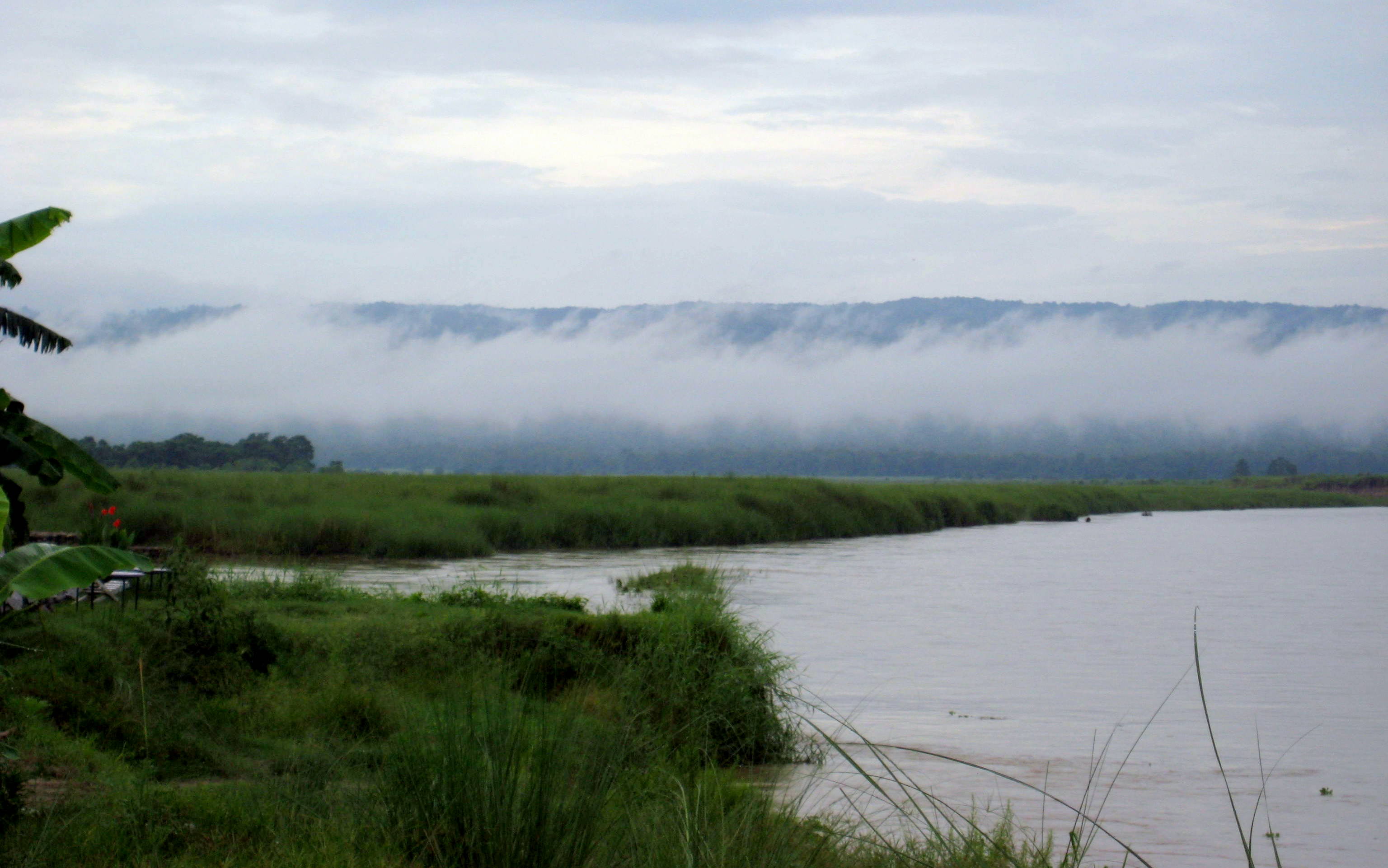
Gateway to the wild, the peaceful waters of the Rapti River separating village life from the deep jungle.
June marks the transition from pre-monsoon heat to active monsoon in Chitwan. Daytime temperatures range from 28°C to 36°C, with humidity climbing above 80%. Expect 280–350mm of rainfall, concentrated in afternoon thunderstorms after mid-June. Mornings stay clear, wildlife remains active, and tourist crowds drop significantly compared to spring.
Breaking Down the Two Halves of June
June is essentially two different months stitched together. The first half feels like the tail end of pre-monsoon, hot, dry, and dusty. The second half flips dramatically once the southwest monsoon front pushes north across the Terai. Planning your trip around this split makes a huge difference to your experience.
Early June (1st–15th): Pre-Monsoon Heat
Early June in Chitwan is hot. Afternoon temperatures regularly hit 35–36°C with intense sun. Rainfall is sporadic usually short, dramatic thunderstorms lasting 30–60 minutes, often in the evening. Wildlife concentrates near waterholes, making this one of the better windows for tiger and rhino sightings before the foliage thickens.
Our field contacts at lodges in Sauraha consistently report that the first ten days of June are the sweet spot. The rivers are full enough for canoe rides, the trails are firm, and most lodges offer monsoon discounts of 30–40% off peak rates.
Late June (16th–30th): Active Monsoon
Once the monsoon establishes itself typically around June 13–18 based on the Department of Hydrology and Meteorology's average onset dates the weather shifts decisively. Expect daily rain, sometimes lasting 2–4 hours, with occasional all-day downpours. Temperatures drop slightly to 28–32°C, but humidity makes it feel much heavier.
June Weather Snapshot Table
Ready? Let's go.
The ultimate guide to planning your dream web travel adventure with the experts from myeasyguide.
Spam free. Unsubscribe anytime. We respect your privacy.
Metric
Early June
Late June
Daytime High
34–36°C
28–32°C
Nighttime Low
24–26°C
23–25°C
Humidity
65–75%
85–95%
Rainfall
60–100mm
200–280mm
Rainy Days
4–6 days
12–16 days
River Level
Moderate
High & muddy
Leech Activity
Low
High
What This Weather Means for Wildlife Sightings
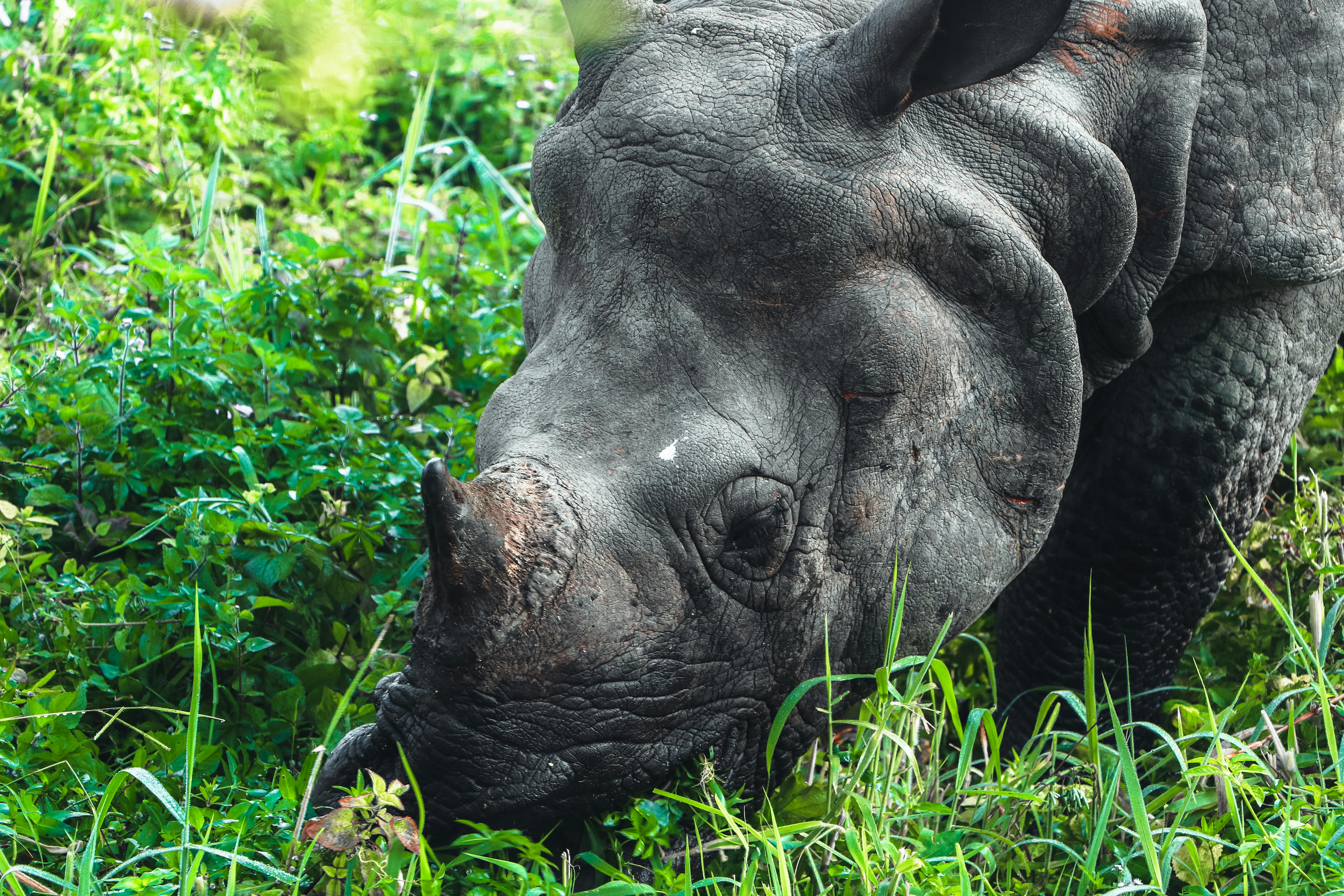
A majestic encounter: Spotting Nepal’s iconic one-horned rhino in its natural habitat.
June wildlife viewing in Chitwan is a trade-off. Tall elephant grass starts growing aggressively after the first rains, reaching 2–3 meters by month-end, which reduces visibility for tigers, leopards, and sloth bears. However, water-loving species become dramatically more active.
Best Species to Spot in June
One-horned rhinos remain visible year-round in Chitwan, and June actually pushes them toward the riverbanks and bathing pools, making sightings during canoe rides excellent. Gharial and mugger crocodiles bask along the swollen Rapti River. Migratory birds have left, but resident species like the giant hornbill, paradise flycatcher, and lesser adjutant stork are in breeding plumage.
Tiger sightings drop noticeably after mid-June. The cats retreat into denser cover, and the muddy forest floor muffles tracking. If tigers are your priority, push your trip to October–April instead.
Safari Activity Logistics in June
Source: Kasara Resort, Up close with conservation: Protecting the rare, long-snouted gharial crocodiles in Chitwan.
Not all safari activities run reliably during monsoon onset. Here's the operational reality:
Jeep safaris: Run daily, but afternoon slots may cancel during heavy rain. Morning departures (6:00 AM) are most reliable.
Canoe rides: Operate in early June, but suspended in late June if river levels rise dangerously.
Walking safaris: Limited due to leeches, thick grass, and reduced visibility. Some guides refuse them after mid-June for safety.
Elephant-back safaris: Officially phased out within the national park's core zone. Buffer zone community walks remain available.
Tharu cultural tours: Run year-round, weather-independent. Highly recommended on rain-heavy days.
Getting to Chitwan in June
Travel logistics matter more during monsoon. The two main routes from Kathmandu to Chitwan have different June risk profiles.
By Road (Kathmandu to Sauraha)
The Prithvi Highway and Mugling–Narayanghat road cover roughly 165 kilometers and take 5–7 hours in dry conditions. June landslides occasionally close the Mugling stretch, adding 2–3 hours of delays. We recommend departing Kathmandu by 7:00 AM to clear landslide-prone zones before afternoon rain. Tourist buses cost roughly $10–15 USD; private cars or jeeps vary widely, confirm live rates through your booking platform.
By Air (Kathmandu to Bharatpur)
Flights take 20–25 minutes and typically operate morning slots to avoid afternoon thunderstorms. Bharatpur is roughly 30 minutes by taxi from Sauraha. Build in flexibility, afternoon flights face higher delay risk in late June.
What to Pack for Chitwan in June
Packing for monsoon Chitwan is about managing moisture, insects, and quick weather swings.
Lightweight, quick-dry clothing in muted earth tones
Sturdy waterproof rain jacket (poncho-style works for safaris)
Closed-toe trekking shoes plus sandals for lodge wear
Long cotton socks for leech protection during walks
Wide-brim hat and high-SPF sunscreen, UV is strong even on cloudy days
Reusable water bottle with built-in filter or UV purifier
Small dry bag for cameras and phones
Binoculars (8x42 is the sweet spot for jungle viewing)
Oral rehydration salts, heat exhaustion is real in pre-monsoon humidity
Health, Hygiene & Practical Tips
The combination of standing water, heat, and humidity creates specific health considerations. Mosquito-borne illness risk rises in June, including dengue and Japanese encephalitis in the Terai lowlands. Sleep under treated nets, use repellent religiously after sunset, and consider consulting a travel clinic about JE vaccination before arrival.
Food and Water
Stick to hot, freshly cooked meals at established lodges. Traditional Dal Bhat, lentils, rice, and seasonal vegetable curry is your safest, most energizing option and usually comes with free refills. Avoid pre-cut fruit and salads at roadside stalls during peak monsoon humidity. Carry purification tablets or a Sawyer-style filter rather than buying plastic bottled water.
Connectivity
Ncell and Nepal Telecom (NTC) both offer solid 4G coverage in Sauraha and the buffer zone. Lodge Wi-Fi exists but slows dramatically during storms when humidity affects local infrastructure. Budget NPR 200–500 daily for SIM data top-ups if you need reliable connectivity.
Permits, Entry Fees & Cash Realities
Chitwan National Park entry fees as of 2026 sit at NPR 2,000 per foreign visitor per day, payable at the park office in Sauraha. Activity fees are separate jeep safaris run roughly NPR 3,500–5,000, canoe rides NPR 1,500–2,500, and guided walks NPR 1,500–2,000 per person. ATMs exist in Sauraha and Bharatpur, but we recommend carrying sufficient Nepalese Rupees from Kathmandu since machines occasionally run dry during peak weekends.
Cultural Etiquette in the Tharu Heartland
Chitwan's buffer zone is home to the indigenous Tharu community. When visiting villages or attending stick dance performances, dress modestly with shoulders covered. Always ask before photographing people, especially elders and women. Removing shoes before entering homes or local temples is standard. Tipping your safari guide and naturalist is culturally expected, we suggest 15–20% of the activity cost split across your crew at the end of your stay.
Should You Actually Visit Chitwan in June?
June works brilliantly for budget travelers, photographers seeking dramatic stormy light, birders interested in resident species, and anyone who wants a quiet jungle experience without crowds. It works poorly for first-time visitors with limited days, families with young children sensitive to heat, and travelers prioritizing tiger sightings.
If your dates are flexible, target the first two weeks of June for the best balance of dry trails, active wildlife, and lower lodge rates. If you're locked into late June, embrace the monsoon mood, book a comfortable lodge with covered verandahs, plan flexible activities, and treat sudden downpours as part of the experience rather than an interruption.
Frequently Asked Questions
Is June a good time to visit Chitwan National Park?
June is a budget-friendly shoulder-to-monsoon window with fewer tourists, lush vegetation, and active birdlife. Expect heavy afternoon rain after mid-month, high humidity, and reduced visibility for big cats. Early June offers the best overall balance.
How much rainfall does Chitwan get in June?
Chitwan receives 280–350mm of rain in June, with the bulk falling in the final two weeks. Rain typically arrives as heavy afternoon thunderstorms rather than continuous drizzle, leaving mornings clear for activities.
Can you do a jungle safari in Chitwan during June?
Yes. Jeep safaris and canoe rides operate throughout June, though late-month flooding can suspend canoes. Walking safaris become harder due to dense vegetation and leeches. Book morning slots for the most reliable conditions.
Are there leeches in Chitwan in June?
Yes, leeches become active after the first heavy rains around mid-June. Wear long socks, closed shoes, and apply salt or DEET repellent on ankles. They're harmless but unpleasant during forest walks.
What should I wear for a Chitwan safari in June?
Lightweight, quick-dry clothing in earth tones, closed shoes, a wide-brim hat, and a waterproof jacket. Avoid dark blue and bright colors. Bring a dry bag for electronics and binoculars for jungle viewing.
Will my flight to Bharatpur get cancelled in June?
Cancellations are uncommon, but afternoon thunderstorms occasionally delay flights. Book morning departures and keep the 5–7 hour road option as backup. Bharatpur Airport is far more reliable than mountain airports during monsoon.