Why Helicopters Don't Land at Base Camp
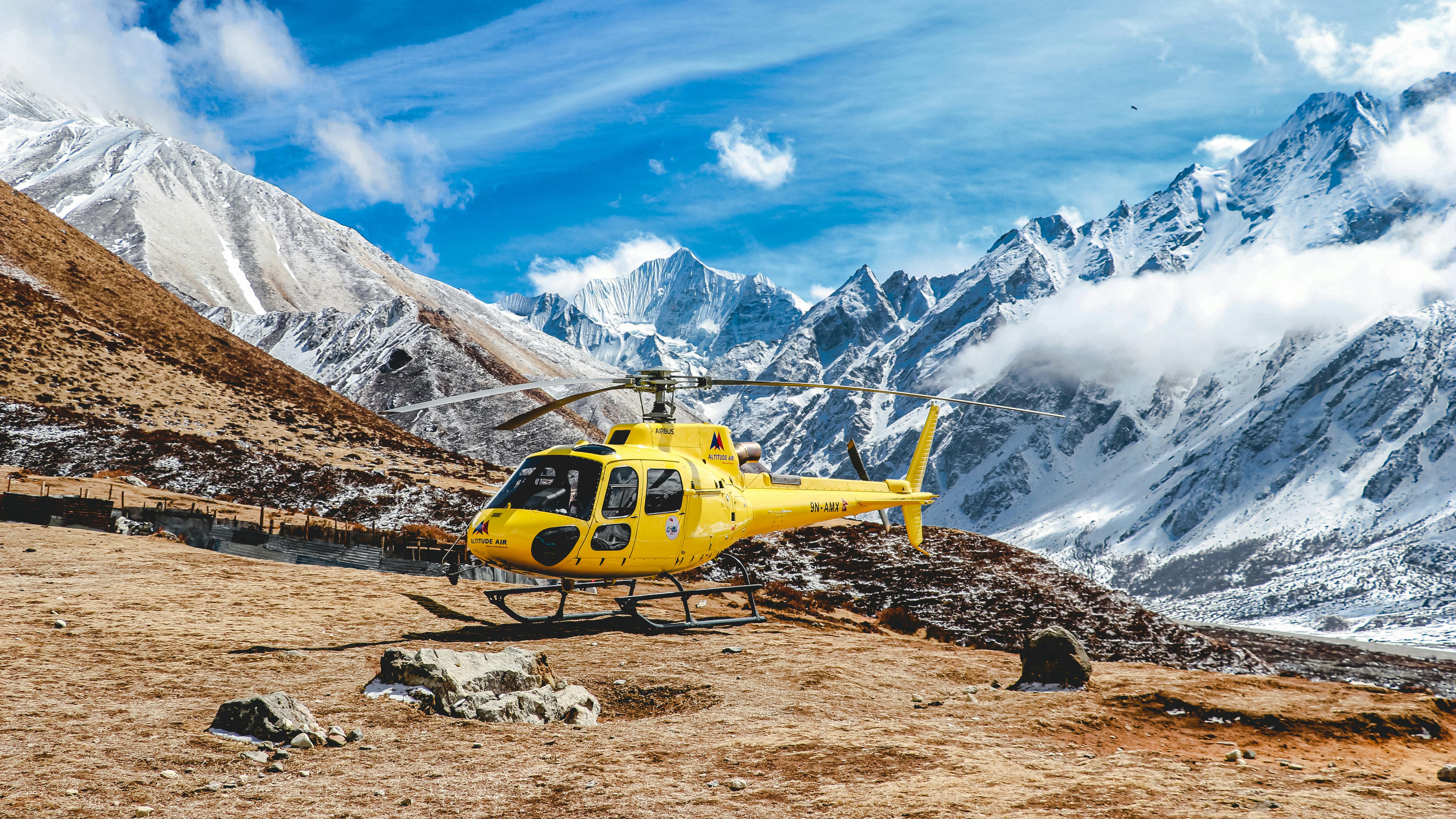
Three reasons. First, EBC itself sits at 5,364m on an active glacier moraine, rotor wash there destabilizes climbing tents and rescue caches. Second, the air density at that altitude limits the AS350 B3e's lift capacity; pilots can only carry two passengers maximum at landing weight, which breaks the group economics. Third, Nepal's Civil Aviation Authority restricts non-emergency landings inside the expedition perimeter during climbing season.
Kala Patthar, at 5,545m, actually sits higher than Base Camp and offers a far superior view, you see Everest, Nuptse, Lhotse, and the Khumbu Icefall in one panorama. The trade-off you accept is that you photograph EBC from above rather than walking among its tents.
Altitude Safety: The Risk Most Operators Downplay
Going from 1,400m to 5,545m in under 90 minutes is medically aggressive. The body has no time to acclimatize, and even fit travelers can experience headaches, nausea, or dizziness at Kala Patthar. Pilots strictly limit ground time to 8–10 minutes for this reason.
Mandatory Pre-Flight Preparation
Avoid alcohol the night before. Hydrate aggressively the morning of the flight. Eat a light, carbohydrate-based breakfast traditional Dal Bhat the previous evening is excellent fuel. If you have any history of cardiovascular issues, consult a doctor before booking. Supplemental oxygen masks are stored under the seats; ask your pilot to demonstrate use before takeoff.
Insurance Is Non-Negotiable
Standard travel insurance does not cover helicopter activities above 4,500m. You need a policy specifically covering high-altitude tourism up to 6,000m, including emergency rescue and HAPE/HACE treatment. World Nomads Explorer Plan and Global Rescue both offer compliant 2026 policies.
Best Time to Book the EBC Helicopter Tour
Two seasonal windows dominate. Mid-September through November offers the clearest skies and most stable mornings flight cancellation rates drop below 10%. March through mid-May brings warmer temperatures and active expedition season at EBC, so you'll see the colorful base camp tents from above.
Avoid June through August, monsoon clouds block visibility, and flights get scrubbed daily. December and January are flyable but bitterly cold at Kala Patthar, with surface temperatures around -20°C at the landing site.
Connectivity and Cash on Tour Day
You won't need much cash for the tour itself, but bring NPR 5,000–8,000 for permit fees if not pre-paid, tips for the pilot and crew, and any souvenir purchases at Hotel Everest View. Nepal Telecom (NTC) SIM cards work intermittently in the Khumbu, so pre-load offline maps before departure.
Sharing vs Private: Which Should You Book?
Book the shared flight if you're a solo traveler or couple on a mid-range budget, comfortable sharing the window seats on rotation. Book the private charter if you have a group of 4–5, want flexible departure times, or need extra time at landing points for photography. Private flights can also reroute slightly for custom views — shared flights follow a fixed corridor.
Cultural Etiquette at the Hotel Everest View
The lodge sits in Sherpa Buddhist territory above Namche. Walk clockwise around any chortens or mani walls in the grounds, keeping the structures on your right. Don't photograph monks or local staff without permission. Remove sunglasses and hats when entering the dining hall. These small acts of decorum matter more than most tourists realize.
Tipping Your Pilot and Ground Crew
Tipping is expected. For shared flights, plan on USD 20–40 per passenger split between the pilot, co-pilot, and ground handler. For private charters, USD 100–150 total for the crew is standard. This is meaningful supplementary income for the aviation team, particularly during shoulder seasons.
Frequently Asked Questions
Can I combine the helicopter tour with a trekking itinerary?
Yes. Many trekkers fly into Lukla, complete the standard 12-day EBC trek, and use the helicopter as a one-way return from Pheriche or Gorak Shep to Kathmandu, saving 3–4 days of downhill walking. One-way helicopter returns cost USD 1,500–2,500 per person on a shared basis.
Is the Lukla flight diversion to Ramechhap relevant for helicopter tours?
No. The Manthali Airport (Ramechhap) diversion applies only to fixed-wing flights during peak seasons. Helicopters depart directly from Kathmandu's Tribhuvan domestic terminal year-round, eliminating the 4–5 hour overnight drive that fixed-wing Lukla travelers must endure.
What should I wear for the Kala Patthar landing?
Thermal base layers, a down jacket, gloves, sunglasses with UV protection, and sturdy closed-toe shoes. Surface temperatures at 5,545m drop well below freezing even in spring. Many travelers underestimate this and step out in sneakers.
Can pregnant travelers or children take the tour?
Operators generally refuse passengers under 5 years old or pregnant women in any trimester due to altitude risk. Travelers over 70 are usually asked for a medical clearance letter.
What happens if weather cancels the flight?
Reputable operators reschedule for the next available morning at no extra cost. If you've allocated only one day and the weather cancels, most companies refund 80–90% of the booking minus permit fees. Always build 1–2 buffer days into your Kathmandu itinerary.
Are landing tours different from non-landing tours?
Yes. Non-landing tours fly over the Khumbu and circle Everest without touching down, these run $900–$1,100 per person shared. Landing tours include the Kala Patthar touchdown and breakfast stop, justifying the higher price.