Travel Guide
Everest Base Camp Trek Cost in 2026: Real Budget Breakdown
AD
Arati Dawadi
14 min read
Arati Dawadi
Most blogs throw out a single number for the Everest Base Camp trek and call it a budget. That number is almost always wrong by the time you land at Tribhuvan International. We coordinate dozens of EBC departures every season, and the honest answer is that your final cost depends on five moving parts: how you fly to Lukla, what category of lodge you sleep in, whether you trek with a licensed guide, the hidden trail micro-economy, and your insurance tier.
This is the unfiltered 2026 breakdown our field coordinators use when quoting trekkers. No fluff, no marketing math, just the real spreadsheet.
A standard 12-14 day Everest Base Camp trek in 2026 costs between $1,400 USD and $3,200 USD per person for international trekkers, excluding international flights to Nepal. Budget trekkers booking locally land near the lower end, while mid-range guided packages through verified marketplaces average $1,800-$2,400 USD all-in.
Your first expense is the tourist visa stamped at Kathmandu airport. The Department of Immigration charges $30 USD for 15 days, $50 USD for 30 days, and $125 USD for 90 days, multiple entry. Pay in USD cash for the smoothest counter experience , card terminals frequently fail.
For a standard EBC itinerary plus buffer days, the 30-day visa is the sweet spot. Don't cut it close with the 15-day option because Lukla weather delays routinely add 2-4 days to your plan.
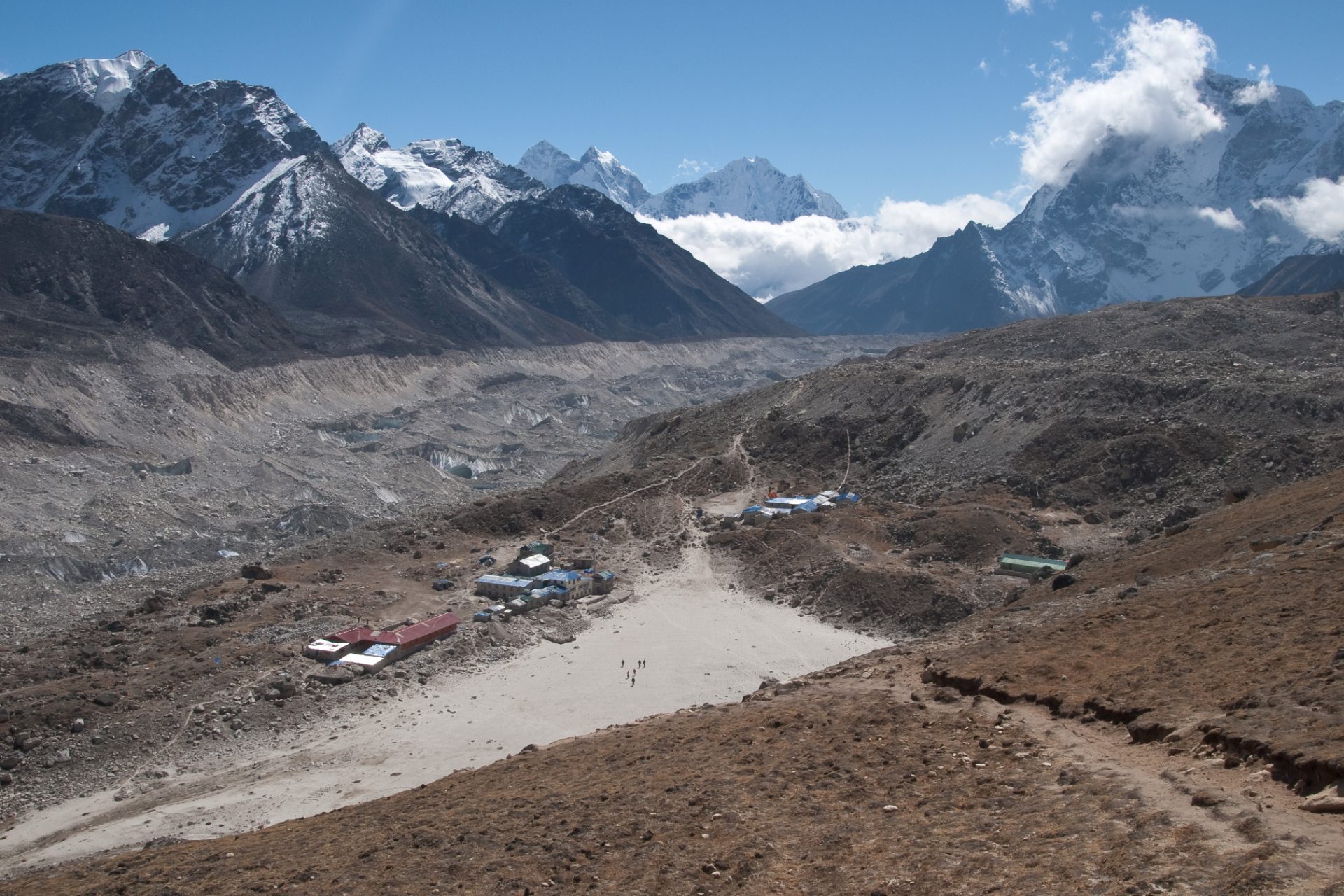
The Everest region does NOT use the standard e-TIMS card that covers Annapurna and other zones. Khumbu operates under its own local municipality system. You need two permits, both purchasable on the trail or pre-arranged through your agency.
Total permit cost: Exactly NPR 5,000 (roughly $38 USD) per foreign trekker. Make sure to carry exact Nepalese Rupee cash for this, as card terminals do not exist at either trailhead checkpoint.
However, a critical legal nuance remains for Restricted Area Permits (RAP) in zones like Manaslu, Upper Mustang, Upper Dolpo, and the Tsum Valley: the Department of Immigration still strictly enforces a minimum requirement of two foreign trekkers per permit.
If you are a solo female traveler wanting to experience these restricted regions, you cannot obtain the permit entirely by yourself. Instead, your trekking agency will pair your permit application with another traveler's passport "on paper" to clear the legal hurdle. Once on the trail, you can still trek independently with just your hired guide and porter without having to walk with a physical group.
Conversely, in the Everest (Khumbu) region, local authorities do not enforce the central government's solo ban and do not use the e-TIMS card system. You can legally hike there without a guide using their local regional permit, though hiring a guide is still strongly advised for safety.
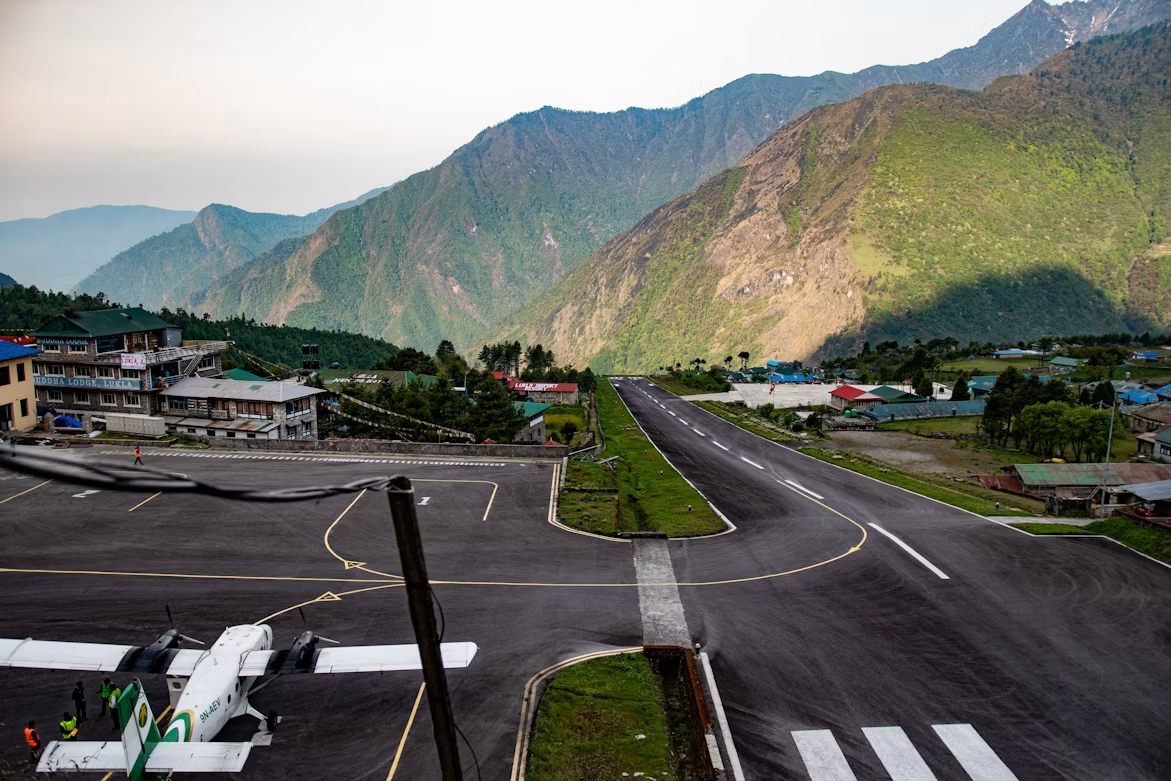
Lukla flights are where budgets implode. In peak seasons (March-May and September-November). During peak trekking seasons, most Lukla flights are rerouted through Manthali Airport in Ramechhap due to Kathmandu air traffic congestion. You'll leave your Kathmandu hotel around 1:00 AM for a 4-5 hour jeep transfer through the night, then fly the short 20-minute hop into Lukla at sunrise.
Round-trip Lukla flight rates fluctuate heavily with season, fuel costs, and operator availability. Our coordinators currently see ranges of approximately $220-$240 USD one-way for foreigners in peak season. Off-season (December-February, June-August), flights operate directly from Kathmandu and may be slightly cheaper, but cancellations spike.
Add a Kathmandu-Ramechhap jeep transfer at roughly $25-$40 USD per person shared, or $160-$220 USD for a private vehicle. Always verify live flight pricing through your booking agency, these rates shift weekly.
Build 1-2 buffer days on each end of your trek for weather cancellations. Skipping this is the most common rookie mistake we see. A missed international flight home because of a Lukla weather hold costs more than the entire trek.
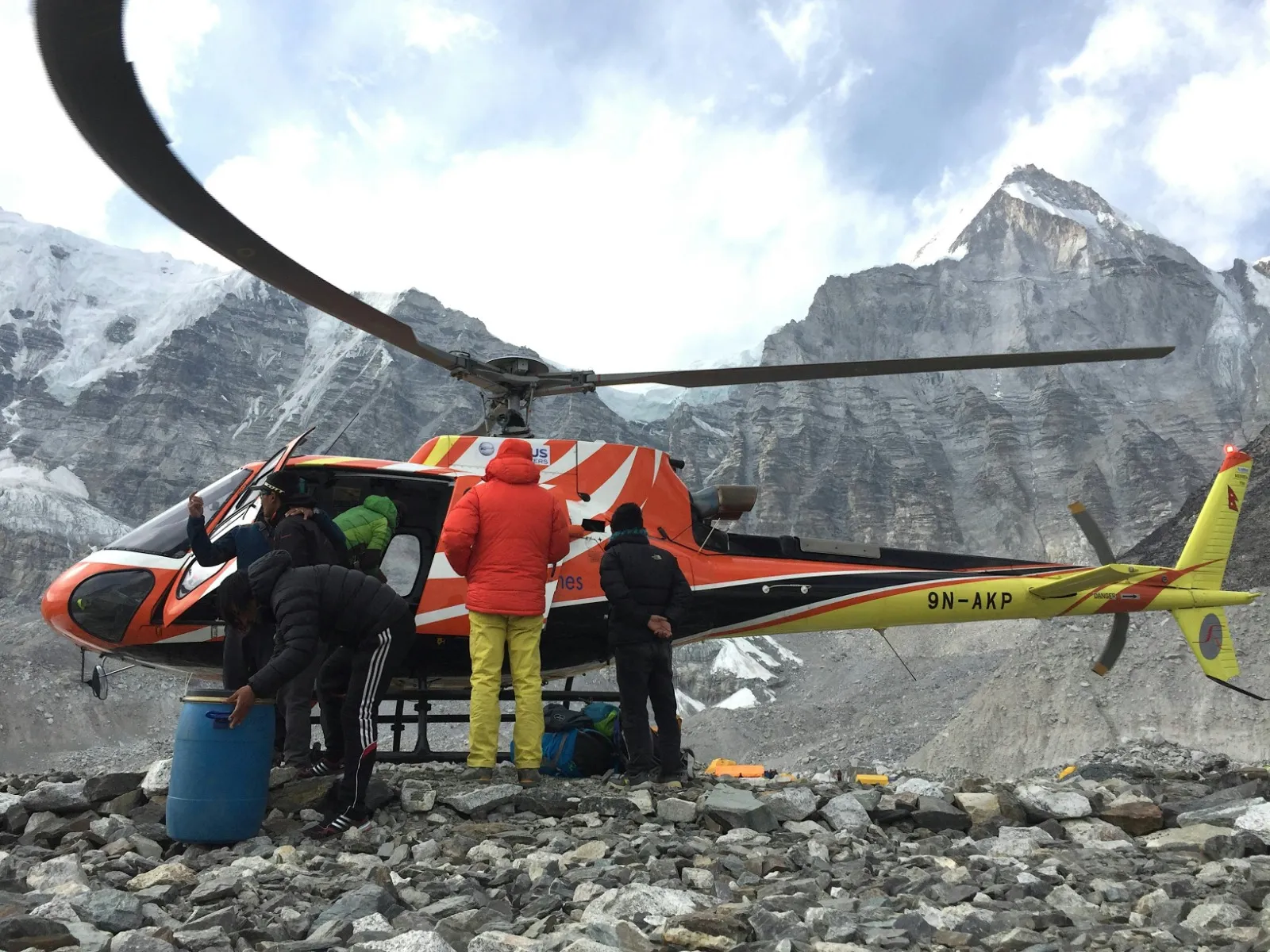
Shared helicopter returns from Gorak Shep or Pheriche have become increasingly common on the Everest Base Camp route, especially among trekkers with limited vacation time or those wanting to avoid potential Lukla flight delays on the return journey. Instead of retracing the full trail back to Lukla over 2-3 days, trekkers can join a shared helicopter flight back toward Kathmandu or Lukla, depending on weather and passenger load.
In 2026, shared helicopter seats from the upper Khumbu typically range between $500-$1,200 USD per person, depending on the season, fuel prices, weather conditions, and how many passengers split the charter. Private helicopter charters cost significantly more and are usually arranged only for luxury itineraries or medical evacuations.
While helicopter exits save time and reduce physical strain on the descent, weather in the Khumbu remains unpredictable. Flights can still face delays due to cloud cover and high winds, particularly around Gorak Shep and Lukla. Always keep at least one weather buffer day in Kathmandu even if you plan a helicopter return.
Many trekkers now combine a traditional trek to Everest Base Camp with a shared helicopter exit from Gorak Shep after visiting Kala Patthar, creating a hybrid itinerary that balances trekking experience with time efficiency.
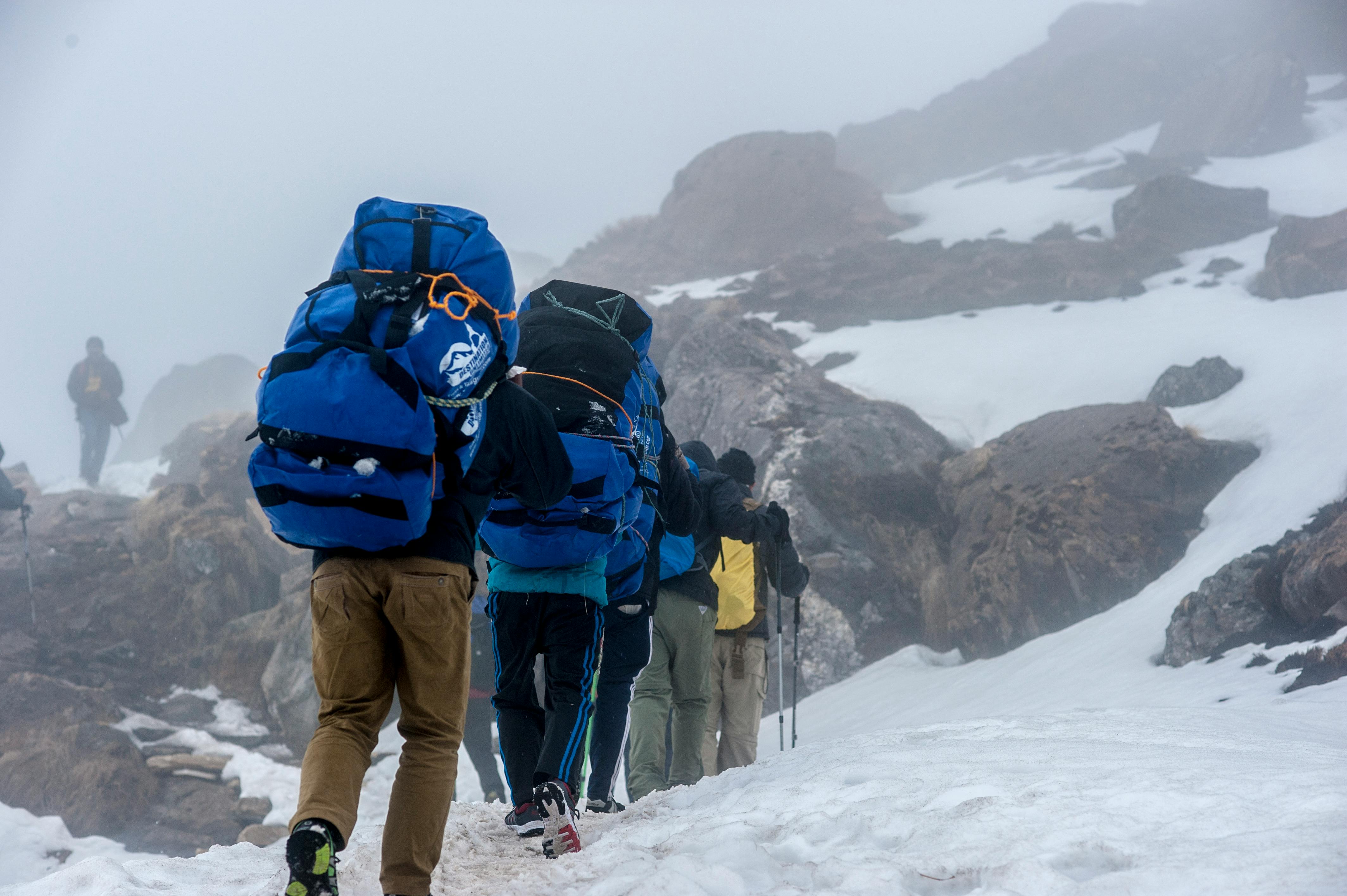
Guide requirements in the Everest region remain more flexible than Annapurna and restricted areas, but many operators and safety organizations strongly recommend licensed guides due to altitude, weather, and evacuation complexity. Restricted areas across Nepal now mandate licensed guides at a 1:7 guide-to-trekker ratio, and Khumbu trends in that direction.
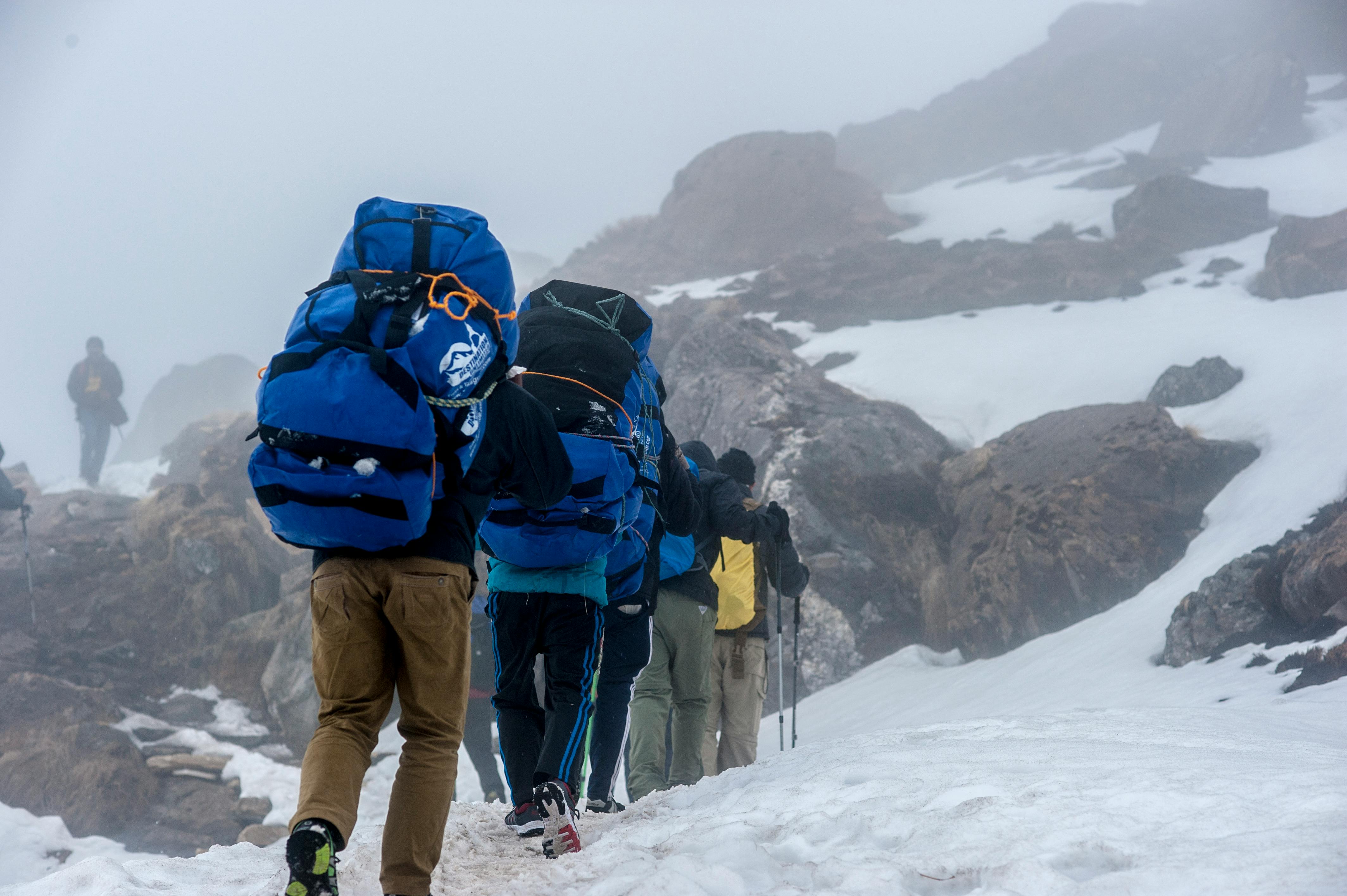
For a 14-day trek with a guide and shared porter, plan on roughly $550-$750 USD in crew costs alone. This usually gets bundled into marketplace packages but is broken out here for transparency.
Teahouse pricing has climbed sharply since 2023. Most lodges now operate a quiet pricing rule: the room is cheap only if you eat dinner and breakfast at the same lodge. Skip meals there, and your room price triples.
Premium heated rooms in Namche and Dingboche (think Yeti Mountain Home, Panorama Lodge) range from $60-$180 USD per night. These are worth it for cold-sensitive trekkers in November-February.
At lower elevations, rooms may be heavily discounted or effectively bundled into meal purchases during non-peak periods.
Food prices increase roughly 15-25% with every village above Namche. This is fair, every potato, egg, and noodle is carried up on a porter's back or a yak's flank.
Eat Dal Bhat at least once a day. The free refills, clean carbs, and freshly cooked lentils are unbeatable trail fuel. Much of the meat above Namche is transported over long distances with limited refrigeration, which is why many guides recommend sticking to vegetarian meals at higher elevations.
For drinking water, do NOT buy bottled water on the trail. It costs NPR 200-500 per bottle and creates massive plastic waste. Carry a reusable bottle plus a UV purifier (SteriPen) or chlorine dioxide tablets. Boiled water at lodges runs NPR 100-300 per liter.
Most trekkers spend roughly $25-$45 USD per day on food and drinks depending on appetite, altitude, and snack habits. Over a 14-day trek, that's $420-$630 USD in food alone.
This is the line item travel agencies almost never disclose upfront. Above Namche, every comfort costs extra cash.
Realistic extras budget: $8-$15 USD per day, totaling $120-$210 USD over the trek. Bring a high-capacity power bank (20,000 mAh+) and you'll cut charging costs dramatically.
For the Everest region, Nepal Telecom (NTC) has superior coverage over Ncell. Buy a tourist SIM at Kathmandu airport for around NPR 1,500-2,500 with 20-30 GB of data. Signal works reliably to Namche, becomes patchy at Tengboche, and is spotty above Dingboche.
Standard travel insurance will not cover you on EBC. You need a policy with explicit coverage for:
Quality policies from World Nomads, Global Rescue, IMG, or True Traveller for a 3-week Nepal trip range from $120-$300 USD. A helicopter rescue from Gorak Shep costs $3,500-$7,000 USD uninsured. Don't gamble this one. Emergency helicopter evacuation and associated treatment can easily exceed several thousand USD without proper insurance.
Once above 3,000 meters, sleeping elevation ideally should not increase by more than 300-500 meters per day, with scheduled acclimatization days at Namche Bazaar (3,440m) and Dingboche (4,410m).
Beware ultra-cheap 10-day itineraries marketed online. They skip rest days and dramatically increase your AMS risk. A proper 12-14 day itinerary saves lives, not money. The few extra dollars for an extra teahouse night are the best insurance you'll buy.
Tipping in Nepal is not optional, it's a significant supplement to your crew's base income. The marketplace standard is 15-20% of the total trek cost, distributed among guide and porters.
Tip in NPR cash, presented in an envelope on the final day. Group trekkers should pool and present tips collectively.
If you arrive without gear, Kathmandu's Thamel district has excellent rental options. Quality local brands and used Western gear are widely available.
Renting a down jacket and sleeping bag for the full trek costs around $30-$50 USD. Buy your hiking boots at home and break them in for at least 40-50 km before departure.
This is a realistic standalone booking. Marketplace packages typically bundle most of these elements together at $1,800-$2,400 USD because of group flight rates and pre-negotiated lodge prices.
ATMs exist only in Namche Bazaar (two machines, frequently offline), and they cap withdrawals at NPR 35,000 per transaction with a NPR 500 fee per pull. Beyond Namche, it's strictly cash.
Carry NPR 40,000-55,000 per person from Kathmandu (roughly $300-$420 USD) to cover food, extras, and tips. Exchange currency in Thamel where rates beat the airport by 3-5%.
The Khumbu is a deeply Buddhist region. Walk clockwise around stupas and chortens, and always pass mani stones on your left so the carved prayers stay on your right. Remove shoes and hats before entering any monastery. Photography inside monastery prayer halls is strictly prohibited unless a resident monk explicitly grants permission.
Respecting these practices isn't just polite, it directly shapes how locals welcome you, the conversations you'll have over tea, and the access guides can negotiate at sites like Tengboche Monastery.
Technically, the Khumbu region has not imposed the same nationwide mandatory licensed guide rule as Annapurna and Manaslu, but enforcement is tightening every season. We strongly recommend hiring a licensed guide for navigation, altitude monitoring, and emergency coordination. Solo unsupported trekking offers minimal savings against significantly higher risk.
We recommend exchanging and carrying NPR 45,000 to 60,000 in cash from Kathmandu. Namche Bazaar ATMs are notoriously finicky and frequently freeze or run out of money during peak waves. Once you pass Namche, you will rely completely on physical cash for your daily incidentals.
Yes, via Everest Link Wi-Fi cards sold at most lodges for NPR 600-700 per 10 GB. Speeds are slow and weather-dependent. NTC SIM cards also work intermittently up to Gorak Shep when skies are clear.
During peak seasons (March-May and September-November), Kathmandu's air traffic congestion forces all Lukla flights to operate from Manthali Airport in Ramechhap. Trekkers must drive 4-5 hours through the night at around 1:00 AM to catch the early morning flight.
Book a budget guided package through a verified local Kathmandu agency for $1,100-$1,400 USD covering 12-14 days. This includes licensed guide, permits, basic lodges, and Lukla flights. Going cheaper than this means cutting safety margins.
Plastic cards are practically useless outside of major operations in Namche Bazaar and select luxury lodges, which hit you with a steep 4% processing surcharge. However, digital terrain is moving fast: many teahouses along the EBC corridor can now process local Fonepay QR transfers if your guide holds a domestic account. For independent foreigners, carrying physical currency remains mandatory.
Get travel ideas and local experiences from My Easy Guide in your inbox.
Spam free. Unsubscribe anytime. We respect your privacy.