Cash, Connectivity, and Trail Economics
ATMs exist in Namche Bazaar but become unreliable past that point. Carry enough Nepalese Rupees in cash for the full circuit beyond Namche, including a buffer for emergencies and tips. Our standard guidance: budget realistically for daily teahouse expenses and add roughly 30% for incidentals.
The Hidden Trail Upcharges
Lodge stays in the Khumbu rarely include the comforts you'd expect. Plan for these add-ons:
- Hot shower (gas-heated): NPR 400-700
- Phone or power bank charging: NPR 300-500 per device
- Everest Link Wi-Fi card: NPR 200-700 depending on data
- Bottled drinks and snacks (price scales with altitude)
For mobile coverage, Nepal Telecom (NTC) is the reliable choice in the Everest region. Buy a SIM in Kathmandu with a data package. Signal drops near the high passes but returns in major villages.
Food and Water on the Three Passes Route
The Khumbu region is spiritually Buddhist, and slaughtering animals is locally prohibited. All meat consumed in lodges is carried up by foot or mule over days without refrigeration. Our standing advice: go vegetarian above Namche. The risk of gastrointestinal illness from trail meat is real, and a stomach bug at 5,000m ends treks.
Stick to Dal Bhat, lentil soup, rice, and vegetable curry, often with free refills. It's clean, high-energy, locally grown, and exactly what your body needs for a 7-hour trek day.
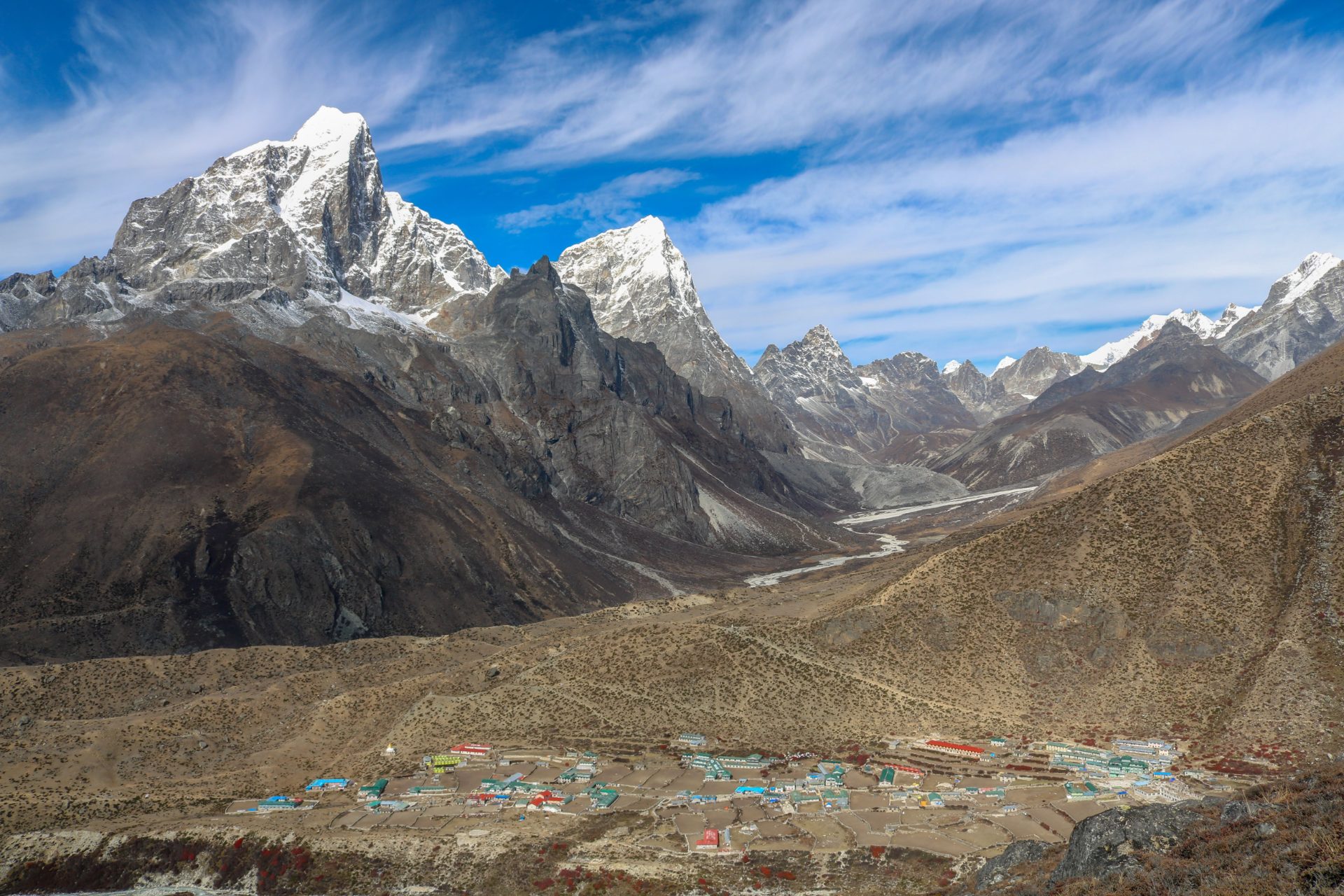
Accommodation bottlenecks are more serious on the Three Passes route than on standard EBC because villages like Dzongla, Thagnak, and Lungden have far fewer beds. During October and November, arriving late in the afternoon can leave trekkers sleeping in dining halls.
Sustainable Water
Do not buy plastic bottled water. Carry reusable bottles and an active purification system: a UV purifier (Steripen), Sawyer squeeze filter, or chlorine dioxide drops. Teahouses sell boiled water cheaply, and this approach saves money and respects the fragile Khumbu environment.
Why Most Guides Prefer Counterclockwise Direction
Most experienced Khumbu guides run the circuit counterclockwise via Kongma La → Cho La → Renjo La. This sequence allows better acclimatization before the technically harder Cho La crossing and places the gentler Renjo La later in the trek when fatigue is highest.
Cultural Etiquette on the High Passes
You'll pass mani stones, chortens, and stupas constantly on this circuit. Always pass them on the LEFT side, keeping the structure to your right, and walk clockwise around all religious monuments. This is non-negotiable cultural practice.
Inside monasteries, Tengboche being the most-visited, remove shoes and hats. Photography inside prayer halls is strictly prohibited unless a resident monk explicitly grants permission. Donations to monasteries (NPR 200-500) are appreciated but never demanded.
Tipping Your Crew
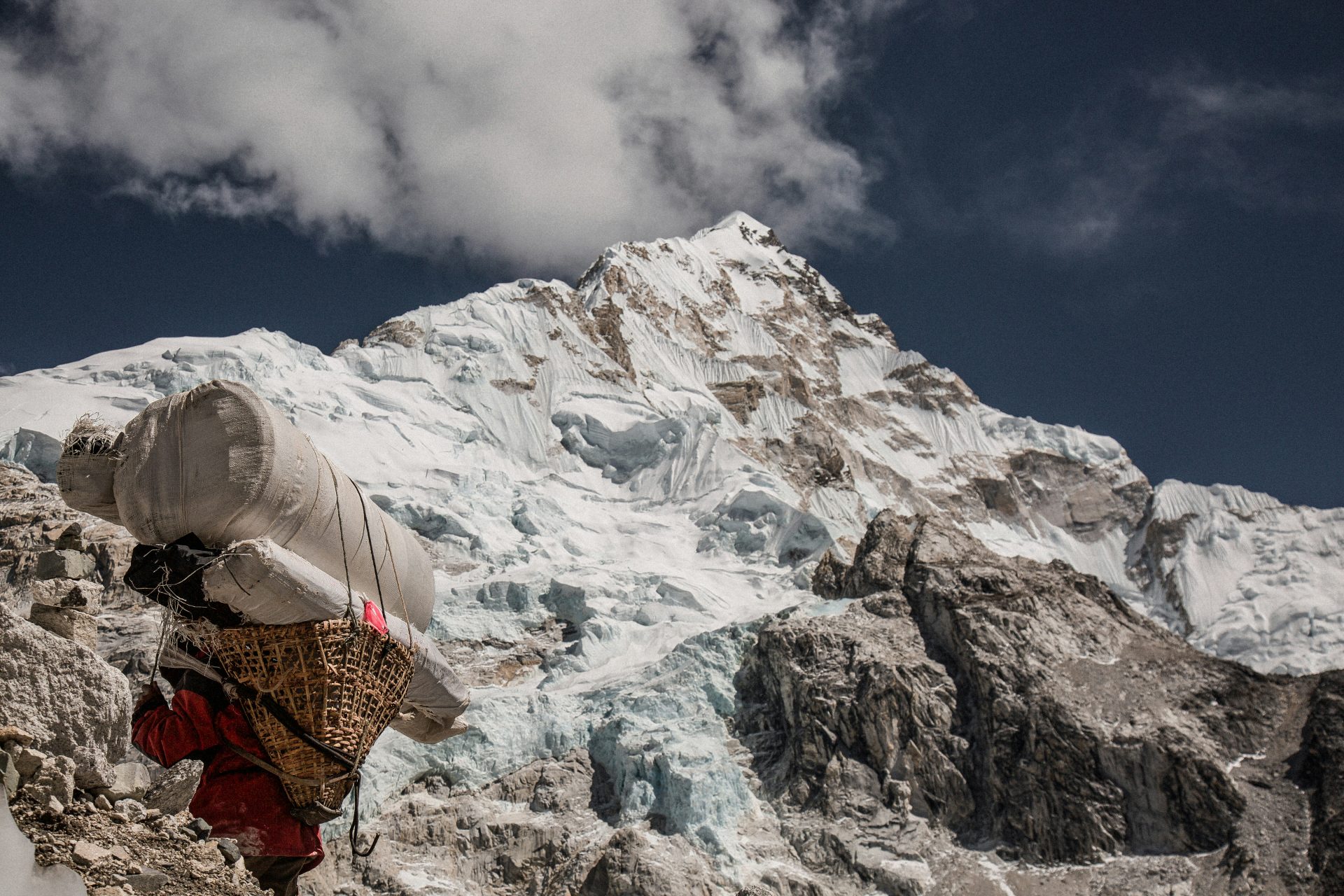
Tipping is culturally expected in Nepal and forms a vital portion of guide and porter income. Standard marketplace guidance: budget 15%-20% of your total trek cost distributed among the crew at the end of the trip. For a Three Passes trek with one guide and one porter over three weeks, this is meaningful money, and rightfully so given what they carry and the risks they share with you.
Who Should Actually Attempt Three Passes?
Honest answer: not first-time Himalayan trekkers. We recommend Three Passes only if you meet these criteria:
- You've previously trekked above 4,500m without AMS issues
- You can comfortably walk 7-9 hours with a daypack on consecutive days
- You're comfortable on scree, mild scrambling, and short glacier sections with microspikes
- You have 20+ days available including buffers
- You're mentally prepared for cold, sleep deprivation, and reduced appetite at altitude
If you're newer to high-altitude trekking, do EBC first. There's no shame in this, and many of our repeat clients return for Three Passes specifically because EBC built their confidence and conditioning.
Best Season for Three Passes (2026)