Kanchenjunga Circuit Trek 2026: Permits, Cost & What to Expect
Prabesh Tamang
Contents
- The Kanchenjunga Circuit Trek at a Glance
- 2026 Permits: Exact Costs and the New Solo Rules
- Realistic Trek Cost Breakdown for 2026
- The 24-Day Itinerary: What Each Day Actually Looks Like
- Altitude Safety: Why Kanchenjunga Demands Discipline
- Best Season for the Kanchenjunga Circuit in 2026
- Connectivity, Charging, and Daily Trail Reality
- Cultural Etiquette on the Kanchenjunga Trail
- Tipping Your Crew
- Packing Essentials Specific to Kanchenjunga
- Final Thoughts From Our Field Team
- Frequently Asked Questions
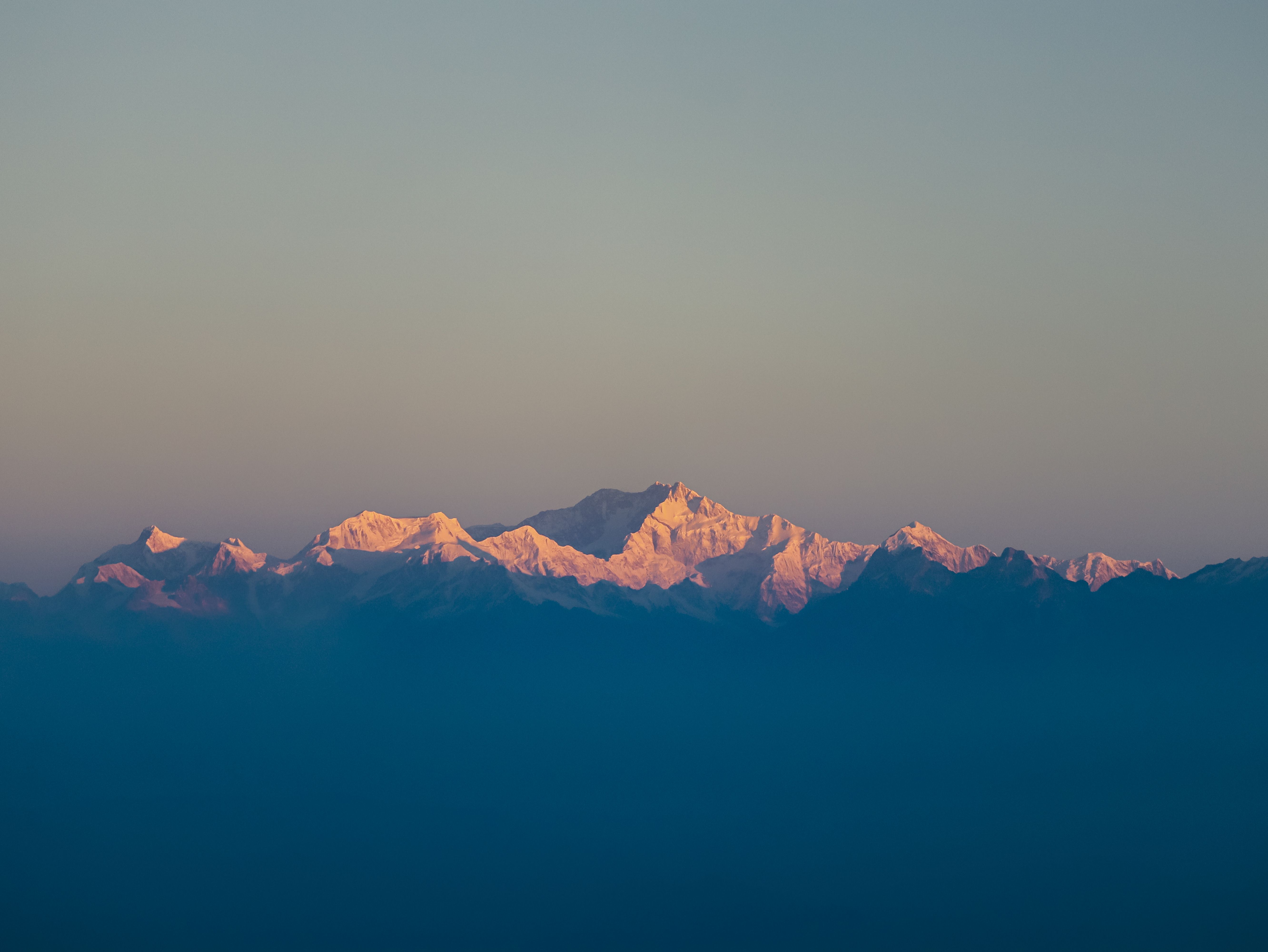
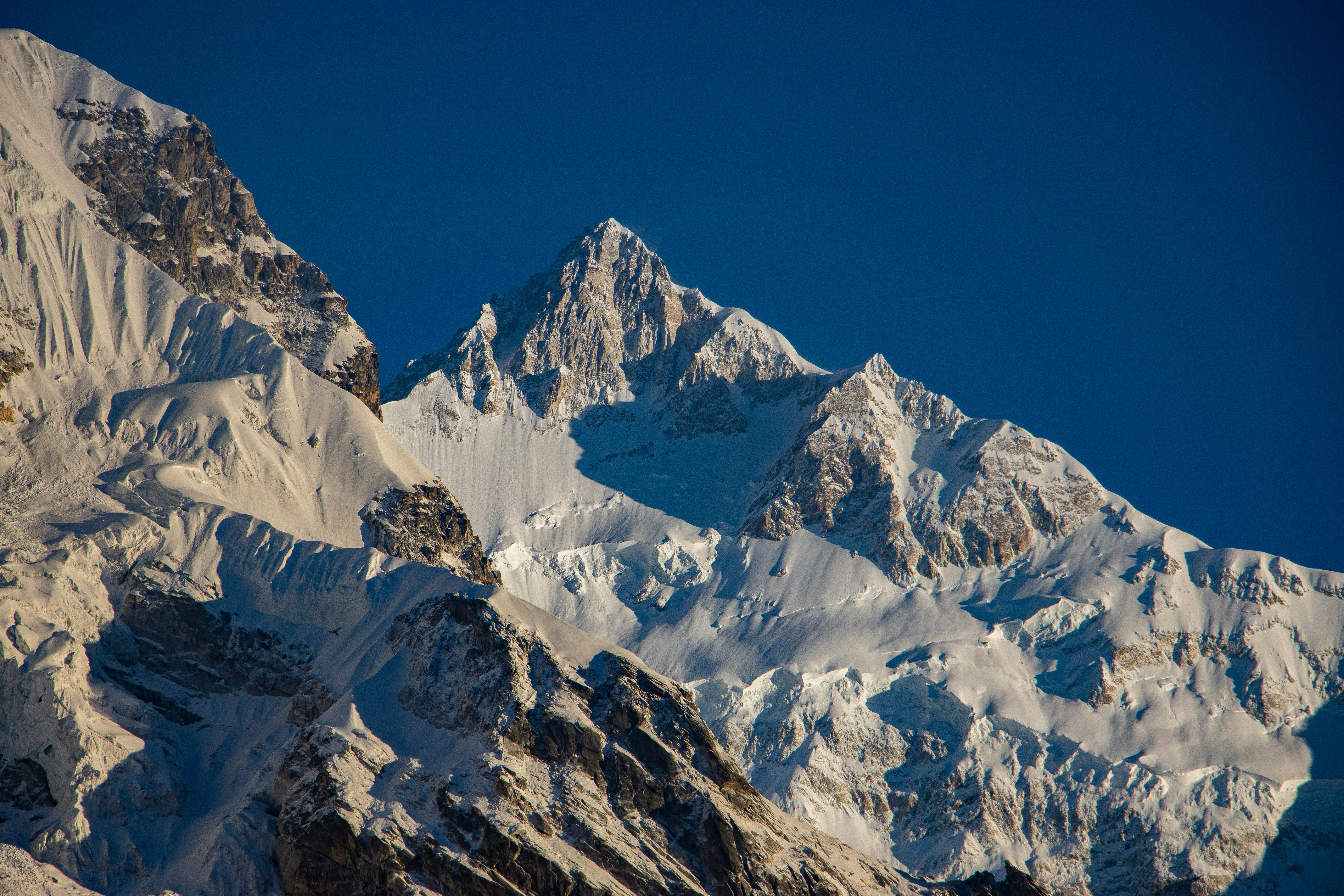
The Kanchenjunga Circuit Trek is one of Nepal's most remote and challenging trekking routes. Set in the far eastern Himalayas, it circles the slopes of Kanchenjunga (8,586m), the world's third-highest mountain, and passes through deep forests, high alpine valleys, and traditional villages shaped by Limbu, Rai, and Tibetan-Bhote cultures.
Unlike the busier trails of Everest and Annapurna, this restricted-area trek sees relatively few visitors each year, offering a rare sense of wilderness and solitude. For experienced trekkers planning a Himalayan adventure in 2026, the Kanchenjunga Circuit Trek remains one of the country's most rewarding journeys.
This guide is built from our marketplace's working files, the same logistics our licensed guides use to brief trekkers in Kathmandu before flying east to Bhadrapur. We've updated everything for the March 2026 Restricted Area Permit changes, current flight realities, and the new guide-ratio enforcement.
The Kanchenjunga Circuit Trek at a Glance
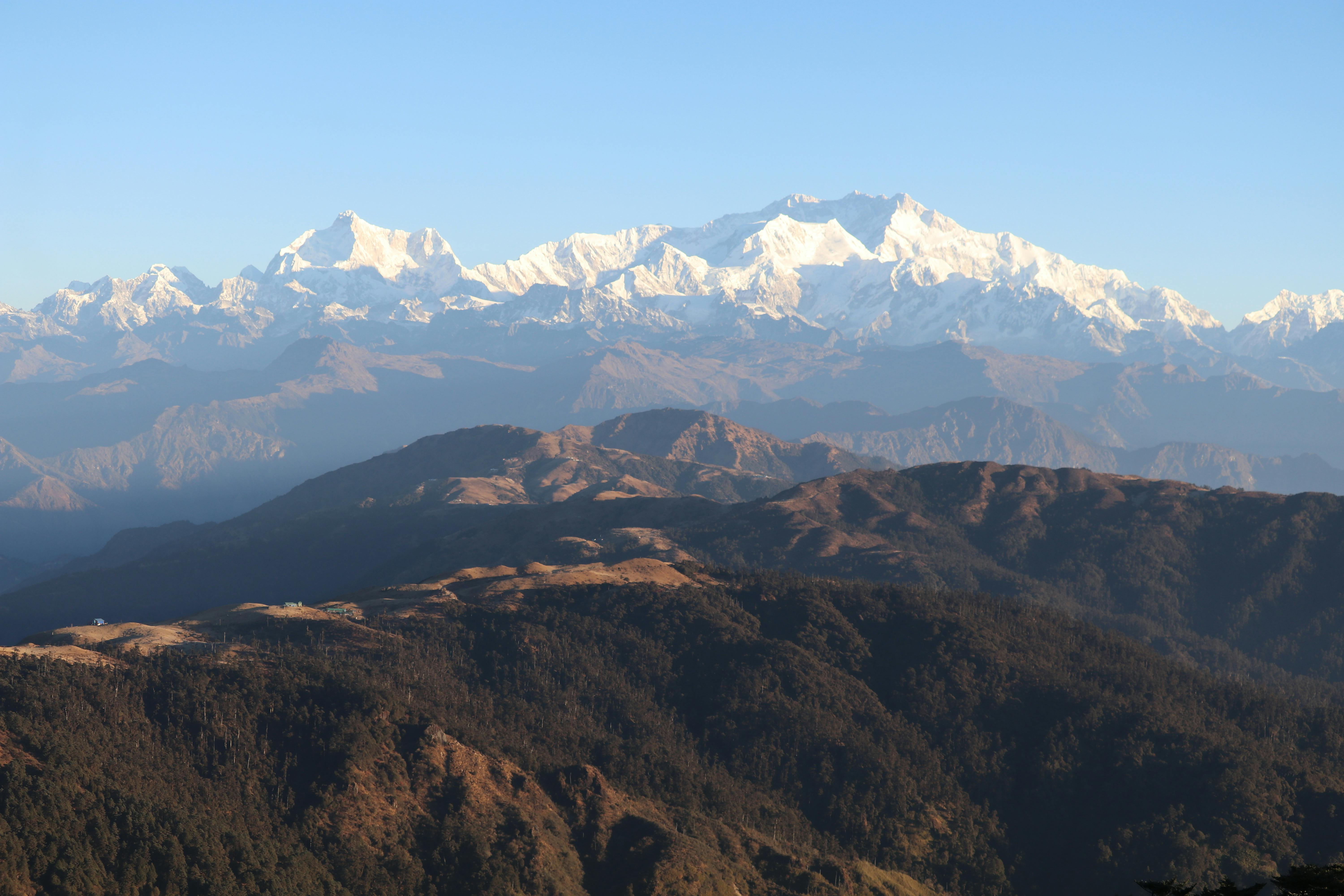
The Kanchenjunga Circuit is a 22 to 26-day restricted-area trek in far-eastern Nepal that loops from the south base camp at Oktang (4,730m) to the north base camp at Pangpema (5,143m) , connected over the high Sele La pass (4,290m) . It requires a licensed guide, two permits, and a strong tolerance for remoteness, basic lodging, and long ascents.
The trek begins with a flight from Kathmandu to Bhadrapur in the Terai lowlands, followed by a brutal but beautiful 9-11 hour jeep drive up to Taplejung or the trailhead at Sekathum . From there, the trail follows the Tamur and Ghunsa Khola valleys deep into the Kanchenjunga Conservation Area, eventually crossing alpine passes and circling back through Tseram and Yamphudin.
Why Choose Kanchenjunga Over Everest or Annapurna?
Kanchenjunga rewards trekkers who prioritize solitude and authenticity over comfort. You'll see fewer than 2,500 foreign trekkers here annually compared to over 50,000 on Everest Base Camp. Lodges are family-run, menus are limited to Dal Bhat and noodle soup, and entire days pass without crossing another foreign group.
2026 Permits: Exact Costs and the New Solo Rules
Kanchenjunga sits inside a Restricted Area, so two permits are mandatory in 2026: the Kanchenjunga Restricted Area Permit (RAP) and the Kanchenjunga Conservation Area Permit (KCAP) . As of the March 2026 rule change, single trekkers can now obtain the RAP, but a licensed guide remains mandatory and the 1:7 guide-to-trekker ratio is enforced.
Restricted Area Permit (RAP) Fees
- USD 20 per person per week for the first 4 weeks
- USD 25 per person per week beyond 4 weeks
- Must be issued through a government-registered trekking agency in Kathmandu
- Cannot be obtained independently at any checkpoint
Kanchenjunga Conservation Area Permit (KCAP)
- NPR 3,000 per person (approximately USD 22 )
- Obtained at the Nepal Tourism Board office in Kathmandu or at the KCAP checkpost
- No TIMS card is required because Kanchenjunga falls under restricted-area rules
You will pass through formal checkposts at Sekathum, Ghunsa, and Yamphudin. Keep multiple printed copies and passport photos handy, checkpost officers retain copies.
Realistic Trek Cost Breakdown for 2026
A fully organized Kanchenjunga Circuit Trek in 2026 typically costs between USD 2,200 and USD 3,500 per person for a 22-26 day itinerary. This covers permits, licensed guide, porter, domestic flights, ground transport, teahouse accommodation, and three meals per day. Variations depend on group size, agency standards, and whether jeep or flight transfers are used.
A little inspiration for your next trip
Get travel ideas and local experiences from My Easy Guide in your inbox.
Spam free. Unsubscribe anytime. We respect your privacy.