June in Kathmandu is a city in transition. The pre-monsoon haze that has hung over the valley since April finally breaks, the first dramatic thunderstorms roll in off the Mahabharat range, and the rice paddies around Bhaktapur turn a shade of green you simply do not see in autumn brochures. Our field coordinators across the Kathmandu Valley have been tracking this exact shift for years, and we'll be honest with you: June is one of Nepal's most misunderstood travel months.
If you've been told to avoid Nepal in summer, this guide will reframe that advice. June can be magical, cheaper, and culturally richer than peak season provided you plan around the weather rather than against it.
The Quick Answer: What June in Kathmandu Actually Feels Like
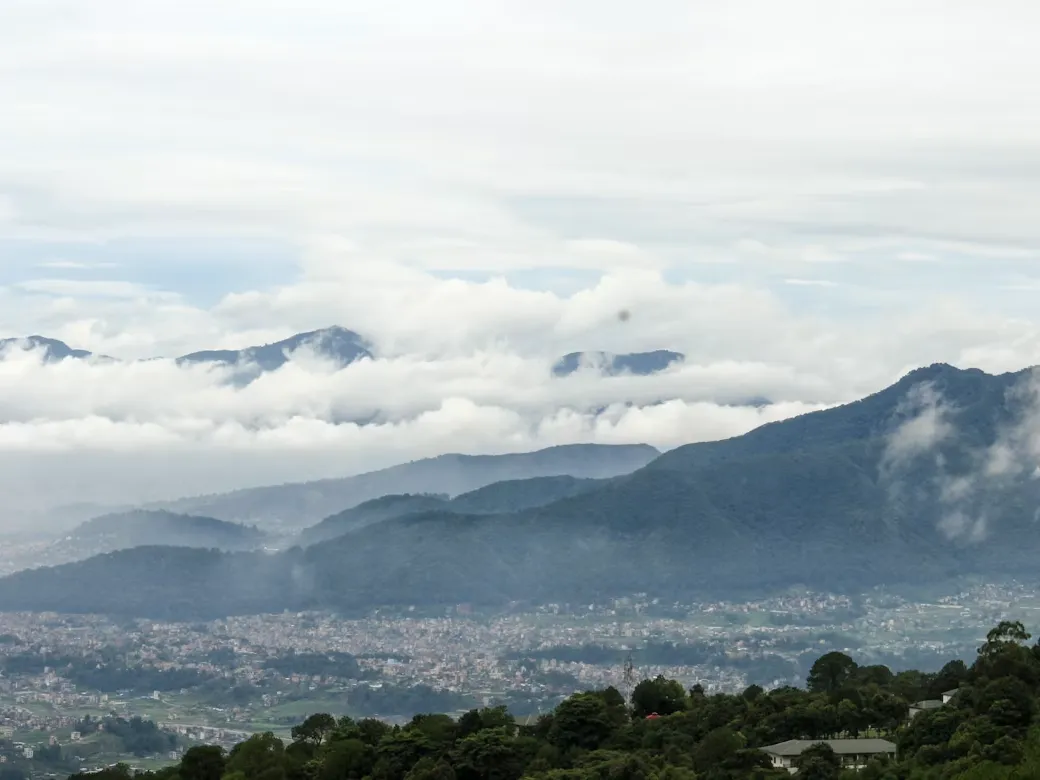
Source: Sashi Shrestha, View from the hills of Kathmandu
June in Kathmandu marks the start of the South Asian monsoon, typically arriving between June 10th and June 20th. Expect daytime highs of 28-30°C, humid mornings, and heavy afternoon or overnight rain. Mornings remain workable for sightseeing, while domestic mountain flights face frequent delays. It's low season, meaning fewer crowds and discounted hotel rates.
Weather Patterns: Two Very Different Halves of the Month
June splits cleanly into two phases, and understanding this difference will save your itinerary. The first half is the lingering pre-monsoon hot, sticky, and increasingly cloudy, but largely dry. The second half is full monsoon, with the Bay of Bengal weather systems pushing moisture across the Himalayan foothills.
A little inspiration for your next trip
Get travel ideas and local experiences from My Easy Guide in your inbox.
Spam free. Unsubscribe anytime. We respect your privacy.
Period
Avg High
Avg Low
Rain Pattern
Best For
June 1-15
30°C
20°C
Occasional thunderstorms
Sightseeing, day hikes
June 16-30
28°C
20°C
Daily afternoon rain
Cultural tours, rain-shadow treks
One pattern locals rely on: monsoon rain rarely falls all day. The skies tend to open between 3:00 PM and 7:00 PM, or release a heavy overnight downpour that clears by sunrise. Plan outdoor activity for the morning, and you'll stay surprisingly dry.
Air Quality and Mountain Views
Here's a benefit nobody advertises: the monsoon rinses Kathmandu's notorious dust and pollution out of the air. By late June, on a clear morning after heavy overnight rain, you can see the snow line of Langtang Lirung (7,234 meters) from rooftops in Boudha or Patan, a view that's nearly impossible during the dry winter haze of January and February.
The catch is unpredictability. Mountain views come and go within hours. If clear skies are your priority, set a 5:30 AM alarm and head to Nagarkot or Chandragiri Hill before clouds build.
Festivals and Cultural Highlights in June
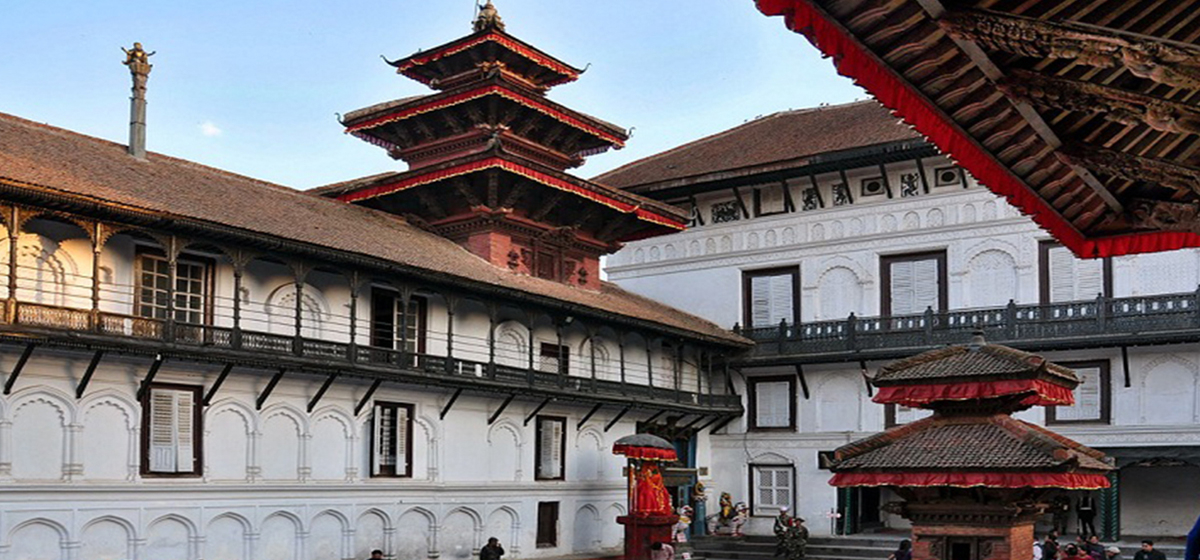
Source: myRepublica, Historic palace buildings and courtyard architecture at Hanuman Dhoka in Kathmandu Durbar Square.
June is quieter on the festival calendar than Dashain or Tihar season, but it carries some of the most intimate cultural moments of the year. With fewer tourists at major sites, you'll experience Kathmandu's living heritage at a slower, more authentic pace.
Sindoor Jatra and Local Newari Rituals
Bhaktapur and surrounding Newari villages observe several agricultural and rice-planting rituals in June. Ropain Diwas, the national paddy plantation day around June 29th, sees farmers and city dwellers alike jumping into muddy fields to plant rice, a chaotic, joyful event worth joining if you're invited.
Cleaner Heritage Sites
Durbar Squares in Kathmandu, Patan, and Bhaktapur empty out in June. We recommend mornings at Patan Durbar Square and afternoons inside the museums when rain begins. Boudhanath Stupa under monsoon clouds, with prayer flags soaked and pigeons settling, is one of the most photogenic moments in the valley.
Trekking in June: The Honest Breakdown
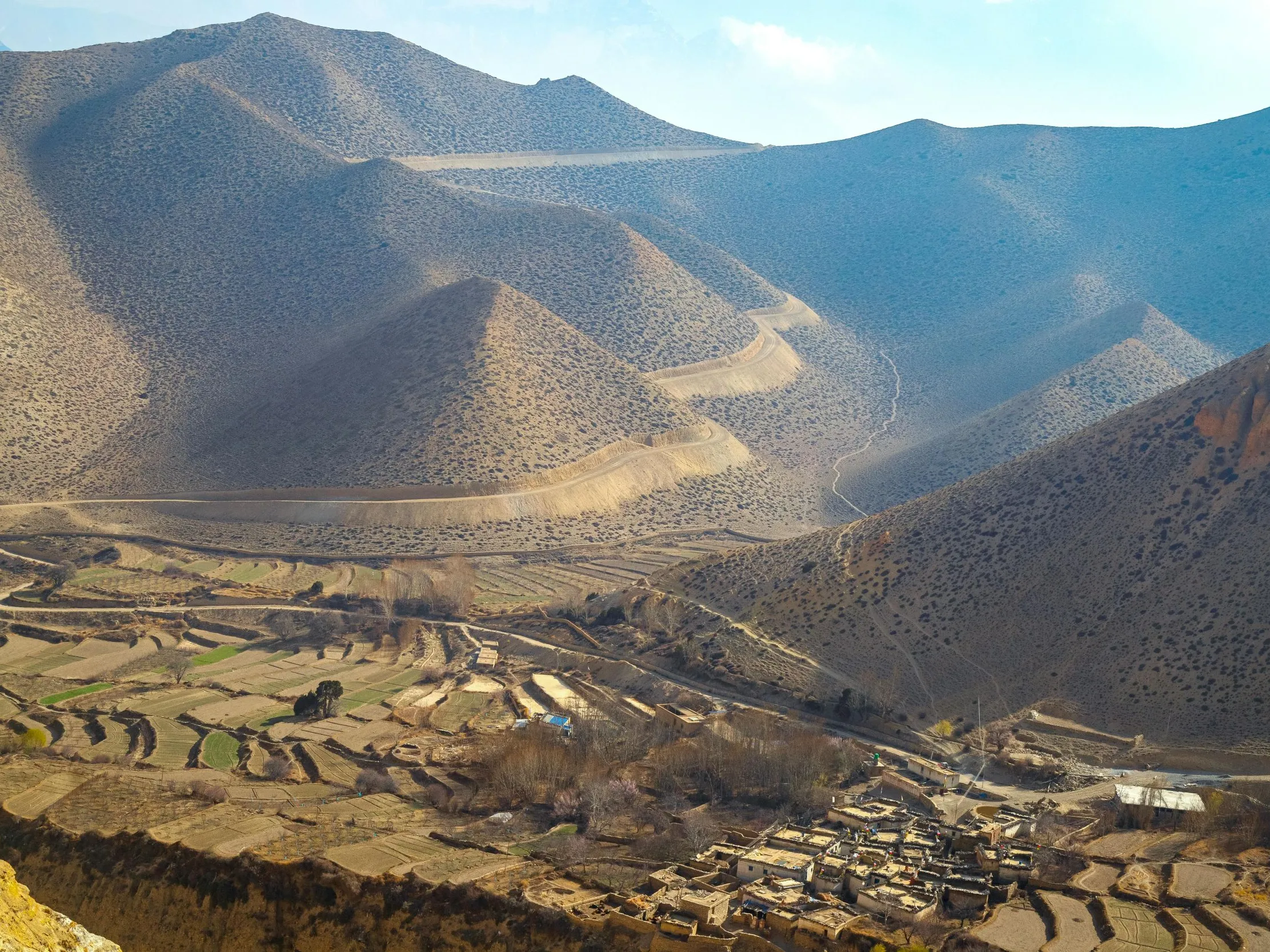
Source: Ashok J Kshetri / Pexels, Stunning view of the hills and terrains of Upper Mustang, showcasing the unique geography and traditional settlement.
Most classic treks, Everest Base Camp, Annapurna Base Camp, Langtang are not recommended in June. Trails turn slick, leeches emerge in lower forests below 3,000 meters, and persistent cloud cover hides the very mountains you came to see. Domestic flights to Lukla face cancellations of 40-60% on bad weather days.
The Monsoon Rain-Shadow Exception
Upper Mustang and Upper Dolpo sit behind the Annapurna and Dhaulagiri massifs, in a high-altitude desert that the monsoon clouds cannot cross. These regions remain dry, sunny, and stable through June, July, and August making them the premier monsoon trekking destinations in Nepal.
Both are Restricted Area zones. Updated March 2026 rules mean a single traveler can now obtain a Restricted Area Permit, but you must still hire a licensed guide, with a maximum guide-to-trekker ratio of 1:7. Permit costs remain government-fixed.
Domestic Flight Realities
If your itinerary depends on flights to Pokhara, Lukla, or Jomsom, build buffer days. The Ramechhap-Lukla shuttle does not typically operate in June (peak season routing moves back to Kathmandu's Tribhuvan airport during monsoon), but cancellations are frequent regardless of departure airport. We recommend at least 1-2 buffer days on either end of any mountain flight segment.
Domestic flight pricing fluctuates. Verify live rates through your booking agent or marketplace listing rather than relying on outdated quotes.
Visa, Permits, and Entry Logistics
Tourist visas at Tribhuvan International Airport remain on the standard 2026 fee structure:
15-day visa: $30 USD
30-day visa: $50 USD
90-day visa: $125 USD
Bring exact USD cash or a card; the on-arrival ATM is unreliable. The visa kiosk also accepts major currencies, but USD streamlines the process.
For the Khumbu region (Everest), note that the area no longer uses the standard e-TIMS card. Instead, the local Khumbu Pasang Lhamu Municipality fee is NPR 3,000, plus the Sagarmatha National Park Permit at NPR 3,000. Though we don't recommend Everest treks in June, this matters if you're transiting through.
What to Pack for Kathmandu in June
Humidity is the real adversary, not cold. Cotton t-shirts stay damp for hours; synthetic and merino fabrics will transform your comfort level.
Waterproof shoes or sandals: Streets flood quickly
Compact umbrella: More practical than a rain hood in the city
Mosquito repellent: DEET-based or picaridin; dengue cases rise in monsoon
Electrolyte sachets: Humidity dehydrates you faster than you think
Reusable water bottle with filter: UV purifier or Sawyer squeeze to skip plastic bottles
Dry bag: For electronics and passport
Health, Safety, and Connectivity
Monsoon brings a small spike in waterborne and mosquito-borne illnesses. Drink only filtered or purified water, avoid raw salads at non-reputable restaurants, and use repellent at dusk. If you'll travel beyond Kathmandu, ensure your travel insurance specifically covers high-altitude helicopter evacuation up to 6,000 meters and AMS/HAPE/HACE treatment, this is legally required for any Restricted Area Permit.
For SIM cards on arrival, Ncell performs strongly across the Annapurna and Mustang regions, while Nepal Telecom (NTC) is essential for Everest and remote Dolpo coverage. A combined dual-SIM strategy is what our guides carry.
Cash and Trail Economy
Kathmandu has reliable ATMs, but once you leave the valley for any trek, ATMs disappear past Namche Bazaar or Jomsom. Carry sufficient Nepalese Rupees. Expect trail surcharges that are rarely bundled into lodge stays: charging a phone or power bank, hot showers, and Wi-Fi access (often via Everest Link cards in the Khumbu) typically cost NPR 200-700 per service.
Food, Dal Bhat, and Monsoon Eating
June is peak season for fresh produce in the Kathmandu Valley mangoes, lychees, jackfruit, and the first monsoon mushrooms appear in local markets. At altitude or on the trail, stick with Dal Bhat, the traditional lentil-rice vegetable plate that comes with free refills and is the cleanest, highest-energy fuel available. In Buddhist regions like the Khumbu, slaughter is locally prohibited, and any meat is carried up by foot or mule for days without refrigeration vegetarian is the safer call.
Cultural Etiquette Reminders
When visiting monasteries and stupas across the valley, always walk clockwise around the structure, and pass mani stones or chortens on the left (keeping them to your right). Remove shoes and hats before entering temple interiors. Photography inside prayer halls is prohibited unless a resident monk explicitly permits it. These small courtesies matter, especially in a quieter month when you'll have meaningful interactions with locals.
A Sample 5-Day June Itinerary in Kathmandu Valley
Day
Morning
Afternoon
1
Boudhanath Stupa kora walk
Pashupatinath temple complex
2
Patan Durbar Square + museum
Patan workshops (rain backup)
3
Bhaktapur Durbar Square
Pottery Square + Newari dinner
4
Nagarkot sunrise + day hike
Return, Thamel exploration
5
Swayambhunath stupa
Garden of Dreams + departure
Tipping Your Crew
If you extend into a guided trek, tipping is culturally expected as a vital supplement to base wages. A standard range is 15%-20% of the total trek cost, distributed among guides and porters at the end of the trip. Discuss the structure with your lead guide on the last day.
Ready to Trek Nepal?
June in Nepal rewards travelers who plan smart. Whether you're considering a cultural Kathmandu Valley deep-dive, a monsoon-proof trek into Upper Mustang, or a tailored multi-region itinerary, our verified local guides know exactly how to work with the weather rather than against it. Browse trusted, licensed guides and curated June-friendly itineraries directly on our marketplace, and connect with someone who can build the trip around your dates, pace, and interests.
Frequently Asked Questions
Is Kathmandu cheaper in June?
Yes. Hotels typically offer monsoon discounts of 20-40%, and guided tours have more flexible availability. It's the best month for budget travelers willing to work around weather.
Are leeches a problem in Kathmandu city?
No, leeches stay in forested foothills below 3,000 meters. The Kathmandu Valley itself is leech-free, but Shivapuri or Chitwan day trips may expose you to them.
Can I do a short trek from Kathmandu in June?
Short Kathmandu Valley rim hikes like Shivapuri, Champadevi, or Chisapani are possible early morning before the rain. Pack rain gear and expect mud.
What's the dengue risk in Kathmandu in June?
Dengue cases rise with monsoon. Use mosquito repellent consistently, especially at dawn and dusk, and ensure your accommodation has window screens or nets.
Do I need a guide to explore Kathmandu in June?
City exploration is straightforward without a guide, but a licensed cultural guide adds enormous depth at Pashupatinath, Bhaktapur, and Patan. Day rates are negotiable and reasonable in low season.