Travel Guide
Pashupatinath Temple Guide: Sacred Rituals & Hidden Secrets
SS
Sandeep Shrestha
11 min read
Sandeep Shrestha
The first thing that hits you at Pashupatinath is the smell, sandalwood smoke from the cremation pyres mixing with marigold garlands, ghee lamps, and the slow-moving Bagmati River. Then comes the sound: temple bells, conch shells, the rhythmic chanting of priests, and somewhere in the background, a grieving family's quiet weeping. This is not a museum-piece temple. It is one of the most alive, raw, and spiritually loaded sites in the Hindu world.
We've spent years bringing travelers through this complex on Kathmandu's eastern edge, and we still find new courtyards, lesser-known shrines, and Sadhu hermitages tucked into its hillsides. This guide pulls together what our local coordinators and licensed cultural guides share with visitors, the history, the live rituals, the photography etiquette, and the hidden corners most tour buses skip entirely.
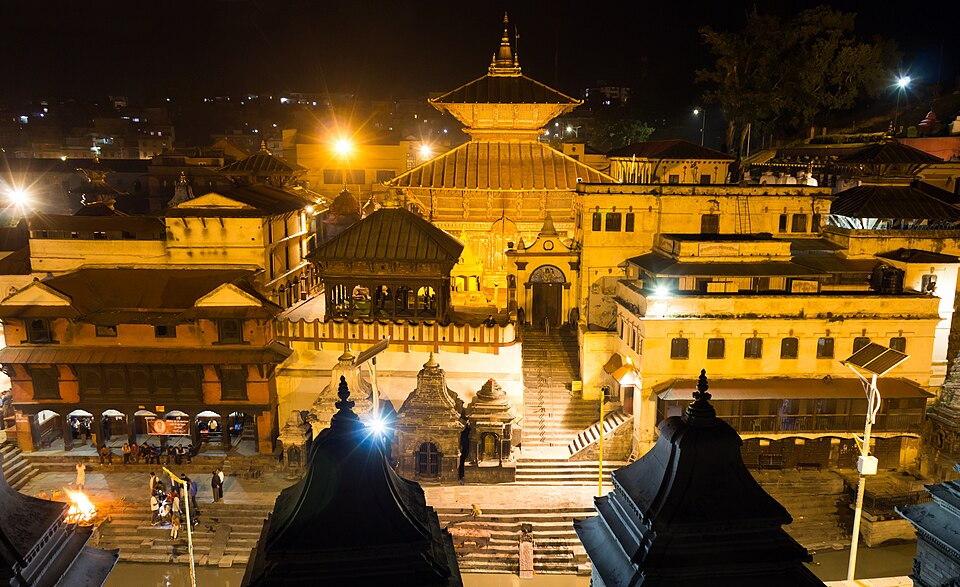
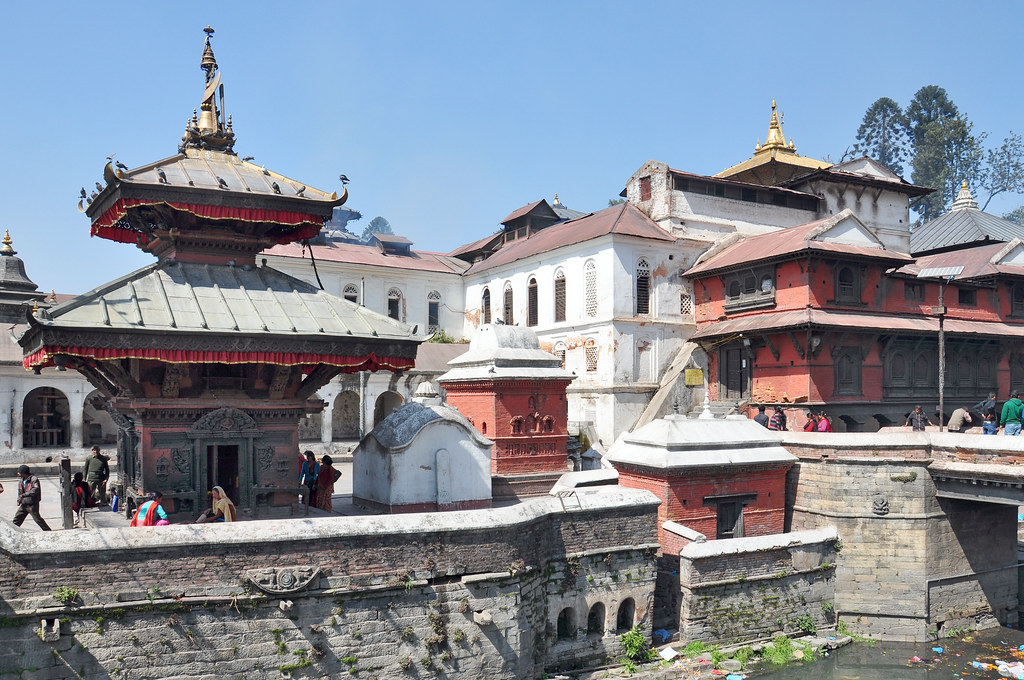
Pashupatinath is the holiest Hindu temple in Nepal and one of the most sacred Shiva temples in the Hindu world. Located on the banks of the Bagmati River in eastern Kathmandu, it has been a UNESCO World Heritage Site since 1979. The main pagoda enshrines a four-faced Mukhalinga of Lord Shiva in his form as Pashupati, the Lord of All Beings.
The complex spans roughly 264 hectares and contains over 500 temples, shrines, ashrams, and monuments. While the main golden-roofed pagoda draws most visitors, the wider complex reveals cremation ghats, Sadhu hermitages, forest shrines, and quieter spiritual spaces many travelers never explore.
Historical inscriptions suggest major temple activity here during the Licchavi era around the 5th century CE, though local legends place the site's origins much earlier. The current two-tiered pagoda structure largely dates to the late 17th century after earlier temple structures suffered repeated damage over the centuries.
The founding myth involves Lord Shiva fleeing the other gods and disguising himself as a deer in the Mrigasthali forest. When caught, his antler shattered into four pieces, and where one piece fell, the original lingam was discovered by a cowherd whose cow had been mysteriously spilling milk onto a specific spot of ground. According to local tradition, that sacred site became the location of the present-day lingam.
Foreign non-Hindu visitors pay NPR 1,000 to enter the outer temple complex but are not permitted to enter the main inner pagoda. The complex opens at 4:00 AM and closes at 9:00 PM, with the inner sanctum accessible to Hindus from 4:00 AM to 12:00 PM and again from 5:00 PM to 7:00 PM.
Leather goods (belts, wallets, jackets) are technically prohibited inside the inner sanctum. Cameras and mobile phones must be deposited at the entrance gate when entering the main pagoda area, a small locker fee of NPR 50-100 applies.
Pashupatinath operates on a strict ritual schedule maintained by four Bhatta priests from Karnataka, South India, a priestly tradition widely associated with reforms attributed to Adi Shankaracharya. Each ritual has a specific name, offering, and time.
Before sunrise, priests open the sanctum for cleansing and ceremonial worship of the Shiva lingam. Bells, conch shells, devotional chanting, incense, and oil lamps fill the temple complex as pilgrims gather for the first darshan of the day. The atmosphere during these early hours is quieter, colder, and significantly more devotional than later tourist-heavy periods.
Formal worship with milk, water, flowers, and bel leaves. The four faces of the lingam, traditionally associated with Tatpurusha (east), Aghora (south), Sadyojata (west), and Vamadeva (north), each receive separate offerings.
Sacred food is offered to Shiva and later distributed as prasad.
The crown jewel for visitors. Priests perform a synchronized fire ceremony on the western ghats facing the Bagmati, swinging massive multi-tiered oil lamps to chanted mantras. The aarti lasts about 45 minutes. Arrive by 5:30 PM to secure stone steps on the eastern bank for the best photography angle.
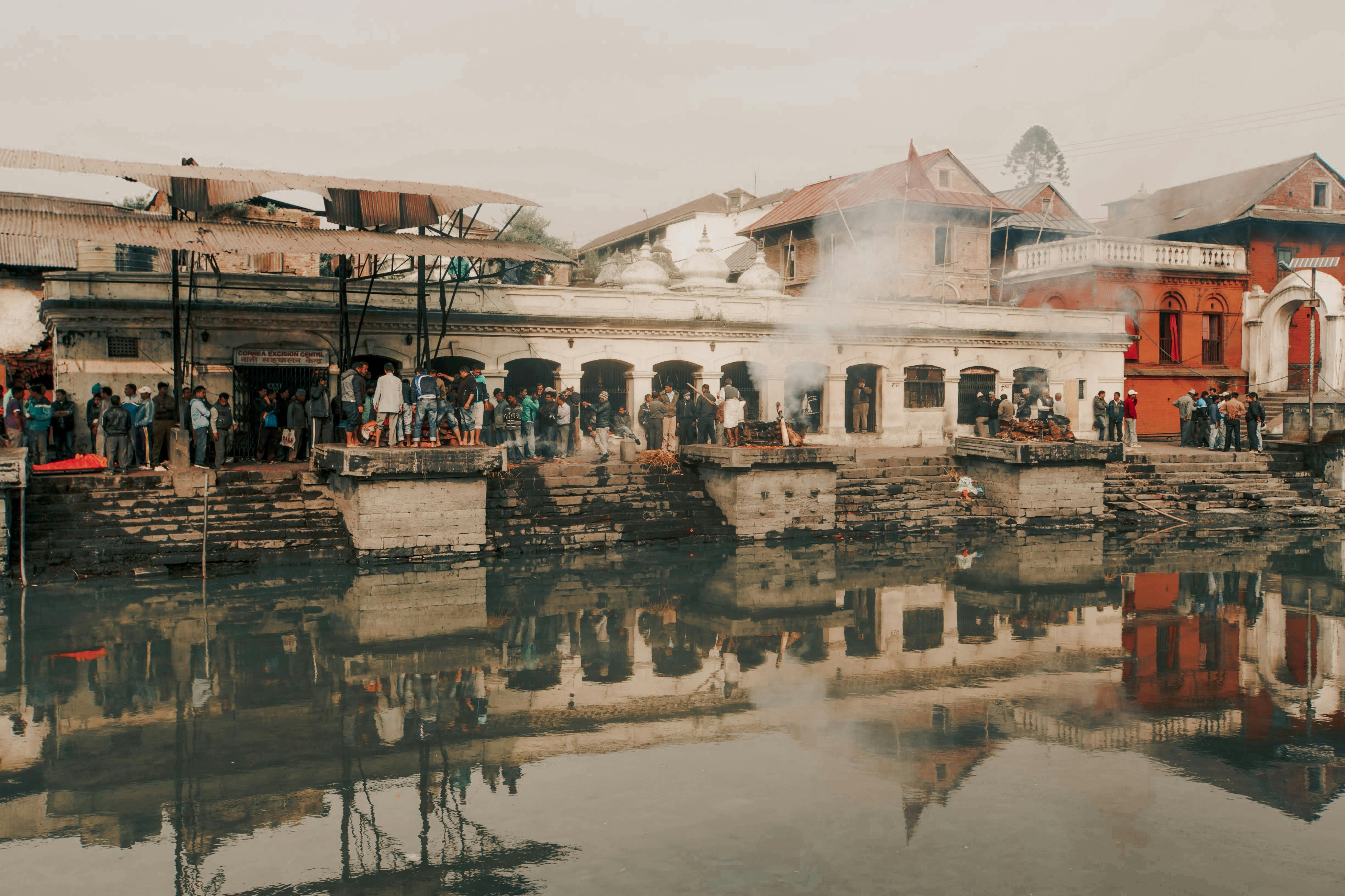
The Bagmati ghats are where Pashupatinath confronts you with mortality. Hindu cremations happen openly on stone platforms called ghats, with the body wrapped in white or orange cloth, garlanded, and burned on a wooden pyre over roughly 3-4 hours. Ashes are then swept into the Bagmati, which eventually flows into the Ganges.
Arya Ghat, nearest the main temple, is traditionally used for prominent state figures, respected public personalities, and certain ceremonial cremations. The southern ghats are public. Multiple cremations typically take place daily, with numbers increasing during winter months and major ritual periods.
The Bagmati River itself remains heavily polluted despite ongoing cleanup campaigns, a difficult contrast to its immense spiritual importance within Hindu tradition.
The tour-bus crowd typically sees the main temple gate, the cremation ghats, and the evening aarti. Many visitors never explore the quieter eastern hillsides and smaller temple clusters beyond the main ghats. Here's what our licensed guides walk visitors through on extended tours.
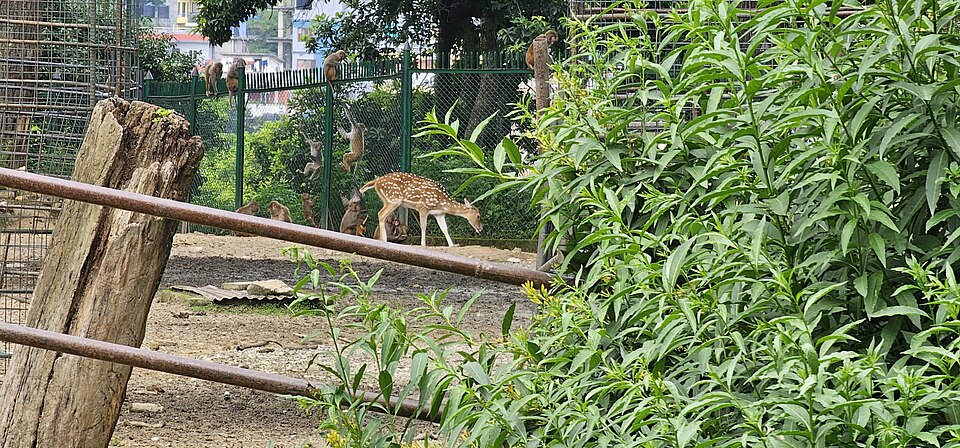
Cross the bridge to the eastern bank and climb the stone staircase to reach the Mrigasthali Deer Park. Behind the row of 11 stone shrines dedicated to Shiva sits a forested hillside where deer still roam in a landscape tied closely to the temple's founding mythology. Few foreigners walk this far up. The view of the main pagoda from the upper viewpoint is the best in the entire complex.
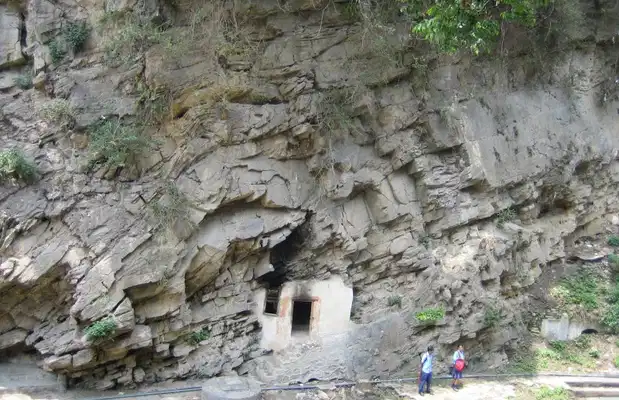
Naga Sadhus and other ascetic practitioners live year-round in small stone cells carved into the hillside above the river. Some have been in residence for 40+ years. Some Sadhus near the main entrance actively pose for photographs with tourists, while others deeper within the complex live more secluded ascetic lives. A respectful NPR 100-200 offering for an unposed conversation (with a local translator) is appropriate.
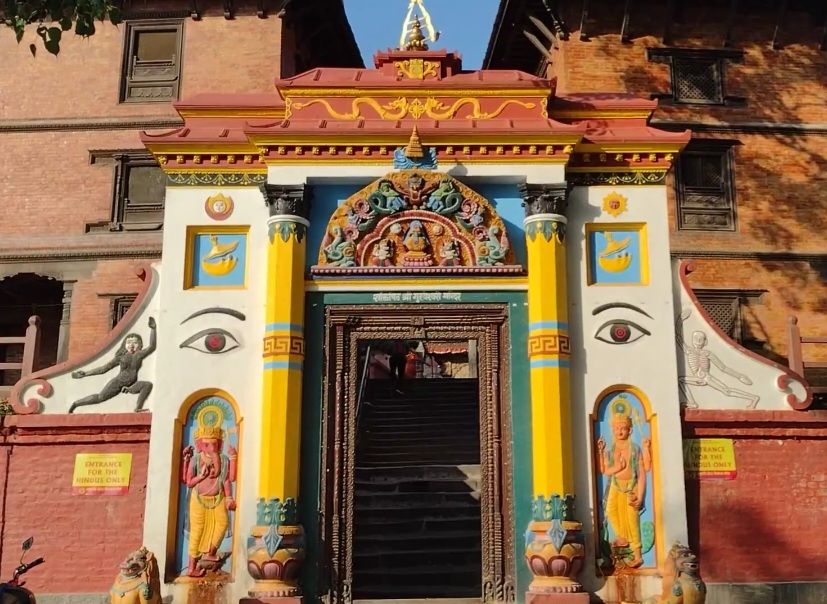
The Guhyeshwari Temple is located 1 kilometer upstream, this Shakti Peeth marks the spot where Sati's yoni is said to have fallen. It's one of the most powerful tantric temples in Nepal but is bypassed by nearly every standard tour. Non-Hindus cannot enter the inner sanctum here either, but the outer courtyard is open.
A small 6th-century shrine just south of the main complex that has long-standing associations with tantric ritual traditions within the Kathmandu Valley. Its stone carvings depicting Tantric union are some of the oldest erotic art in the Kathmandu Valley.
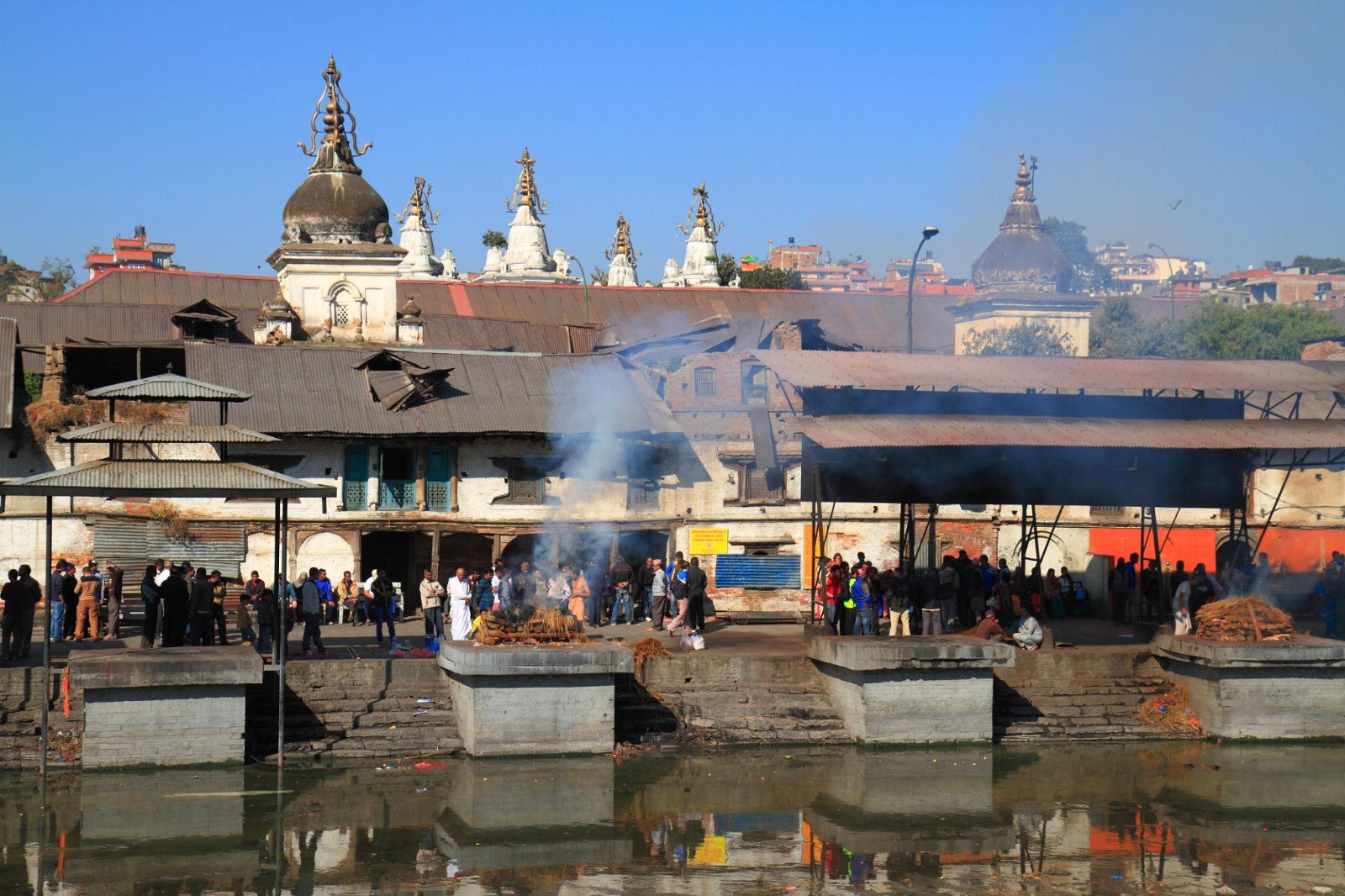
The northernmost ghat platform is reserved exclusively for Nepal's former royal family. The platform gained national attention following the royal cremation ceremonies connected to the 2001 Nepal royal tragedy. Most guides will point it out only if asked directly.
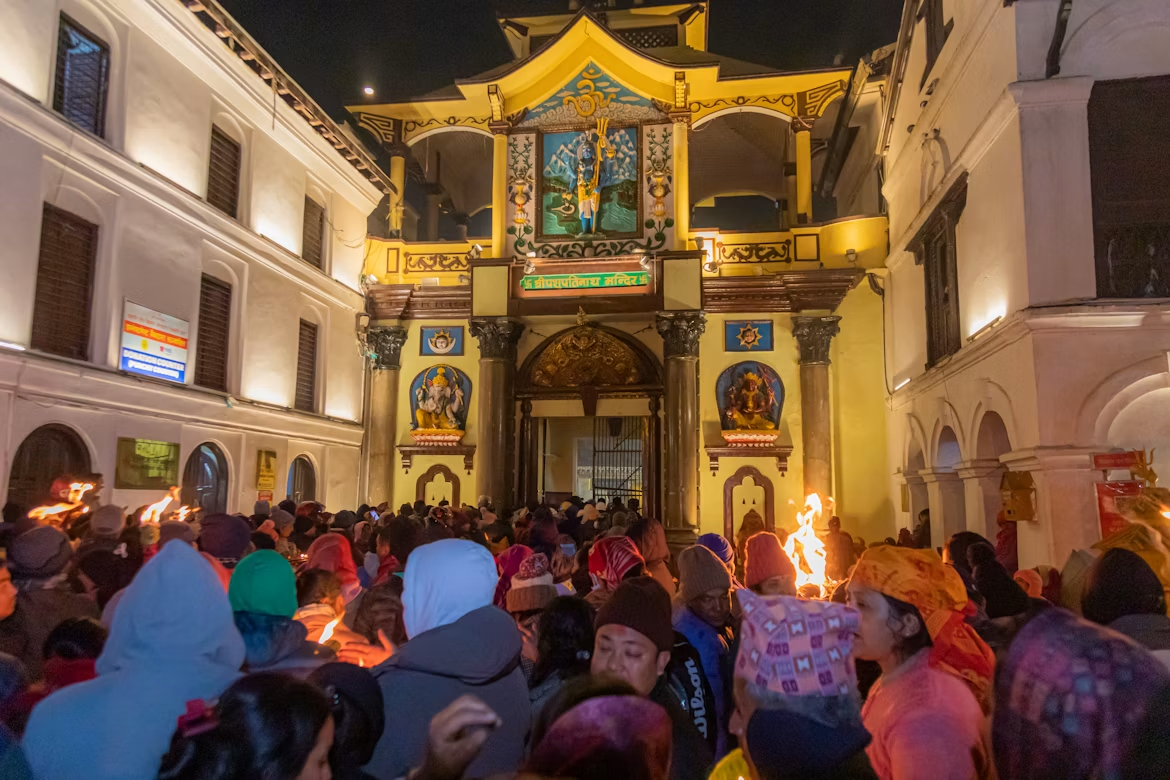
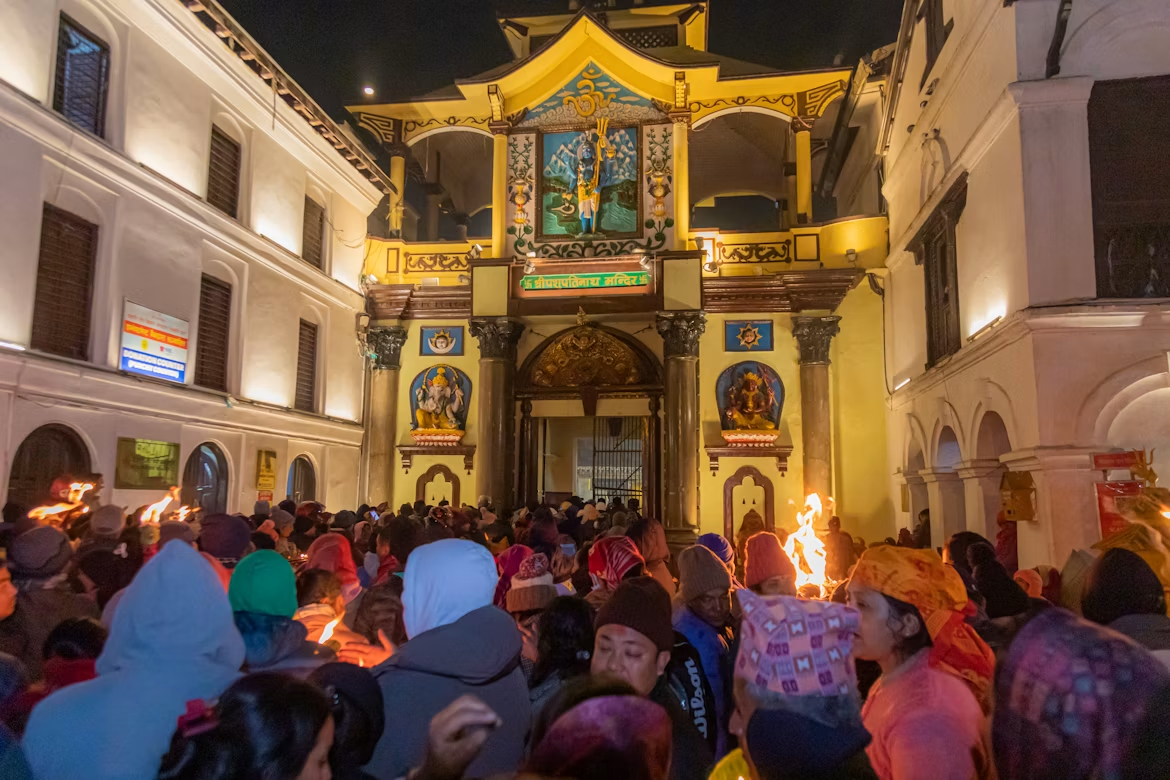
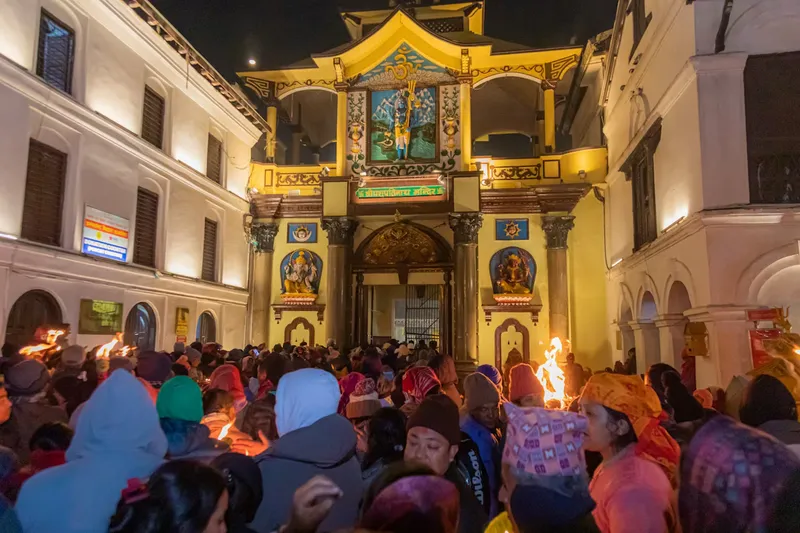
If you visit Nepal in late February or early March, plan your trip around Maha Shivaratri, Shiva's great night. Over 1 million pilgrims and thousands of Sadhus from across India and Nepal converge on Pashupatinath. Naga Sadhus walk naked, smeared in ash, smoking ritual chillums of cannabis use by certain ascetics during Shivaratri has historically been informally tolerated by authorities within the festival grounds.
Bonfires burn through the night, the queue to enter the inner sanctum stretches for kilometers, and the entire complex pulses with chanting until dawn. Book accommodation in Kathmandu at least a few weeks before this period.
Pashupatinath sits about 5 kilometers east of Thamel. A taxi from central Kathmandu costs NPR 400-700 one-way (always negotiate before getting in or insist on the meter). Ride-share apps like Pathao and InDrive offer fixed pricing at NPR 250-400. The temple is roughly 25-35 minutes on foot depending on traffic crossings and route from Boudhanath Stupa, making it easy to combine both UNESCO sites in one morning.
A drive-by visit to Pashupatinath misses everything that makes it spiritually significant. Our verified Kathmandu cultural guides, many of whom grew up performing rituals at these very ghats lead small-group tours that include the hidden Sadhu caves, the Mrigasthali viewpoint, and the timed arrival for evening aarti without crowd stress. Browse curated Kathmandu Valley cultural itineraries and connect directly with licensed local guides on our marketplace platform. Whether you have 2 hours or a full day, we'll match you with the right guide and ritual timing for your trip.
No. Non-Hindus are strictly prohibited from entering the main inner sanctum. However, visitors of all faiths can explore the surrounding complex, view the temple from the eastern hill, and witness the cremation ghats and evening aarti.
Foreign visitors and SAARC nationals pay NPR 1,000. Nepali and Indian Hindu pilgrims enter free. The ticket counter operates from 4:00 AM to 7:00 PM daily.
Yes, up close. Wide shots from the eastern hill across the Bagmati are tolerated, but never photograph faces of mourners or use flash. When in doubt, lower the camera.
The Bagmati Aarti begins around 6:00 PM in winter and 7:00 PM in summer, lasting roughly 45 minutes. Arrive 30 minutes early to secure a stone step facing the river.
Plan for 2-3 hours minimum. To experience both the morning Bhasma Aarti and evening Bagmati Aarti, allocate a full day with a midday break in Boudha.
Pashupatinath hosts a mix of long-term ascetics, traveling holy men, and individuals who pose for tourist photographs near the main entrances. Visitors should approach respectfully and agree on photo donations beforehand.
Get travel ideas and local experiences from My Easy Guide in your inbox.
Spam free. Unsubscribe anytime. We respect your privacy.