15 Best Things to Do in Kathmandu: Your Ultimate Travel Guide for 2026
Prabesh Tamang
Contents
- Quick Answer: What Are the Top Things to Do in Kathmandu?
- Planning Essentials Before You Start Exploring
- The 15 Best Things to Do in Kathmandu
- Hidden Gems in Kathmandu Valley
- Getting Around Kathmandu
- Cultural Etiquette You Must Know
- Where to Stay in Kathmandu
- Ready to Experience Kathmandu Like a Local?
- Frequently Asked Questions
Kathmandu hits you all at once. The sandalwood smoke drifting out of a Newari courtyard, the tinny clang of cycle-rickshaw bells in Asan, a sadhu painted in ochre meditating beside a 7th-century stone Vishnu, this city compresses 2,000 years of Himalayan civilization into a few square kilometers of narrow lanes and red-brick temples.
Most travelers treat Kathmandu as a stopover before trekking. That's a mistake. Our coordinators have spent decades guiding visitors through the valley, and we've put together this list of the 15 best things to do in Kathmandu so you can experience the city the way locals actually live it, including temples, food, craft workshops, hidden viewpoints, and day trips included.
Quick Answer: What Are the Top Things to Do in Kathmandu?
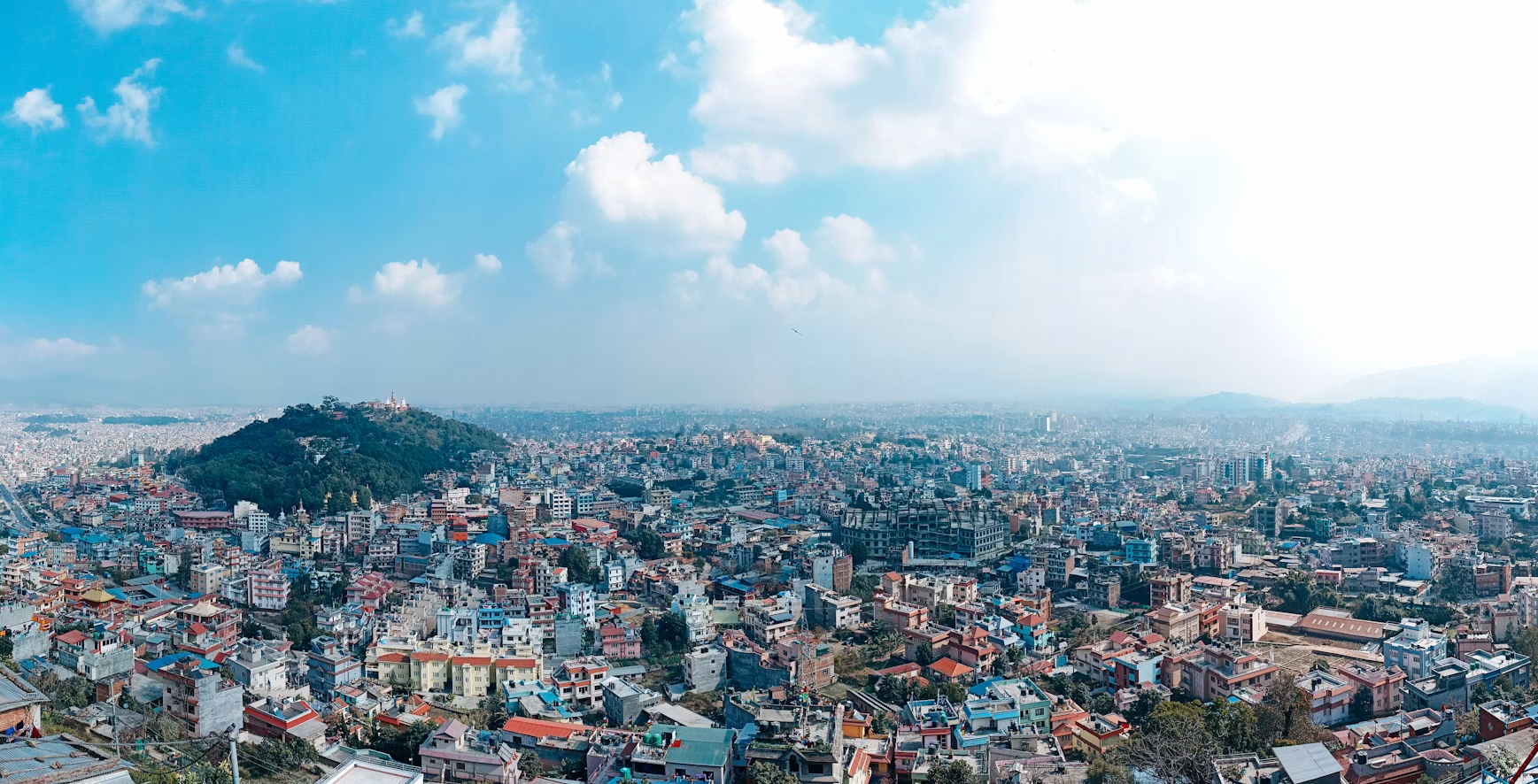
The best things to do in Kathmandu include exploring the three Durbar Squares (Kathmandu, Patan, Bhaktapur), visiting Swayambhunath and Boudhanath stupas, walking the cremation ghats at Pashupatinath, shopping in Thamel and Asan Bazaar, taking a sunrise trip to Nagarkot, and eating Newari food in Patan's hidden courtyards.
Planning Essentials Before You Start Exploring
Before we get into the list, a few quick logistics that will save you headaches on arrival.
Visa on arrival at Tribhuvan International Airport costs $30 USD for 15 days, $50 USD for 30 days, and $125 USD for 90 days. Payment can be made in cash (USD or other major currencies) or by card, though cash is usually faster during peak arrival hours.
Pick up a local SIM card at the airport. Ncell generally performs better in cities and tourist hubs, while Nepal Telecom (NTC) often has stronger coverage in some remote mountain regions. Coverage varies by location, so both are commonly used by travelers.
Most monument entrance fees are cash-only in NPR. ATMs are widely available in Thamel and central Kathmandu. Withdrawal limits vary by bank, usually around NPR 25,000–35,000 per transaction, with fees typically ranging from NPR 400–600.
The 15 Best Things to Do in Kathmandu
1. Wander Kathmandu Durbar Square (Hanuman Dhoka)
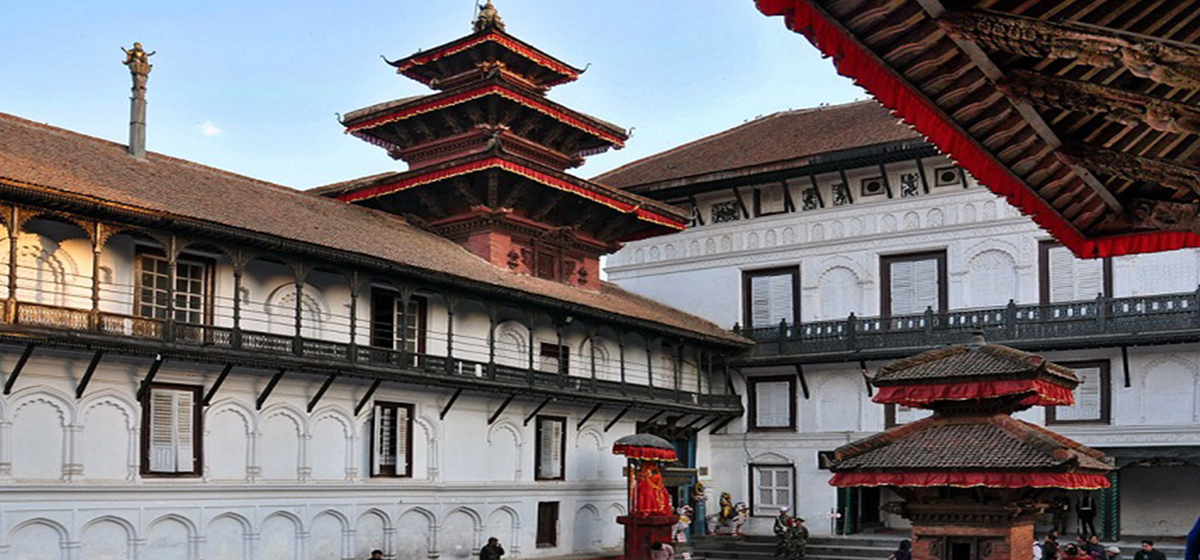
Kathmandu Durbar Square is the historic royal complex of the Malla and Shah kings, featuring over 50 temples, palaces, and courtyards spanning the 12th to 18th centuries. The entrance fee is NPR 1,000 for foreigners, and NPR 500 for SAARC countries and the site sits in the heart of the old city.
Don't rush this one. Spend at least 2-3 hours tracing the carved struts of Jagannath Temple, climbing the nine-tiered Maju Deval for elevated photos, and visiting Kumari Ghar, the home of the Living Goddess, a young girl selected through ancient Newari ritual. If you're lucky, she may appear briefly at the upper window (no photography is permitted).
2. Climb to Swayambhunath (The Monkey Temple)
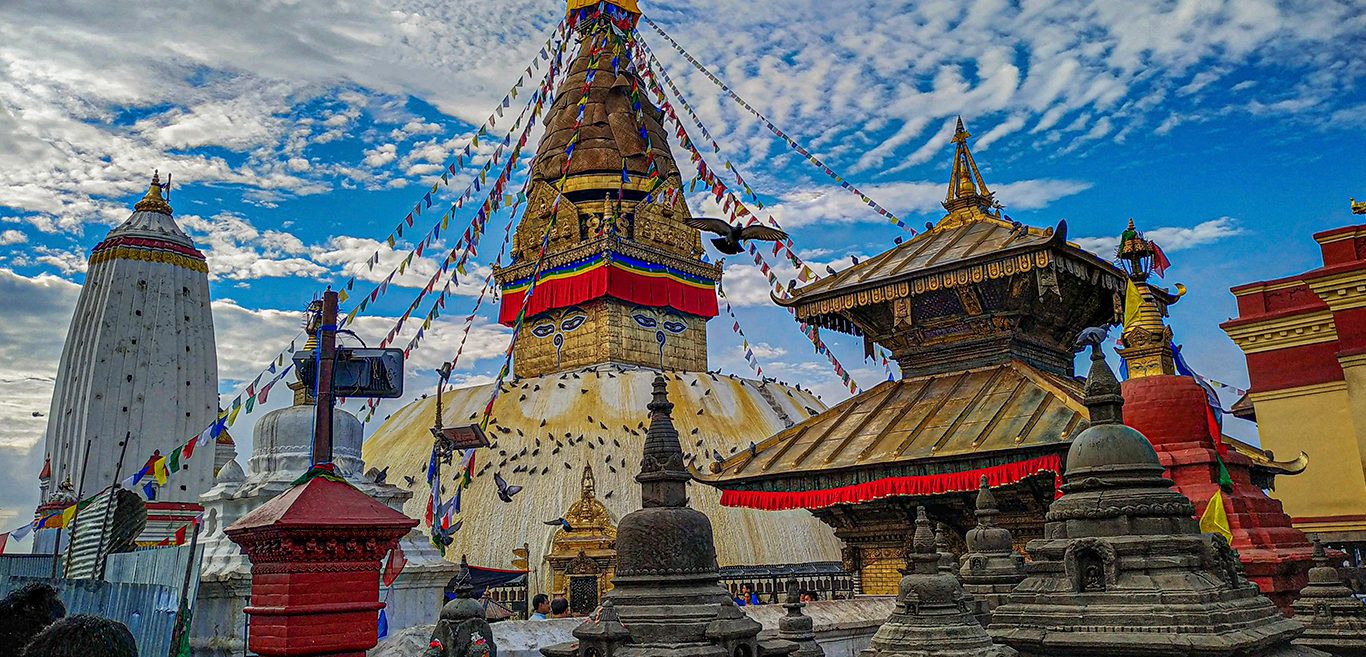
Swayambhunath is a 2,000-year-old Buddhist stupa perched on a hilltop west of the city, reached by climbing 365 stone steps. The entrance fee is NPR 200 for foreigners and NPR 50 for the SAARC countries. The painted eyes of the Buddha gaze out over the entire Kathmandu Valley from the elevation of approximately 1,450 meters.
Go at sunrise. The light hits the gilded spire just as morning prayers begin, and the resident rhesus macaques are calmer before the tourist buses arrive. Walk clockwise around the stupa, spinning each prayer wheel as you go. Keep food zipped away, the monkeys are professionals.
3. Circle the Great Stupa at Boudhanath
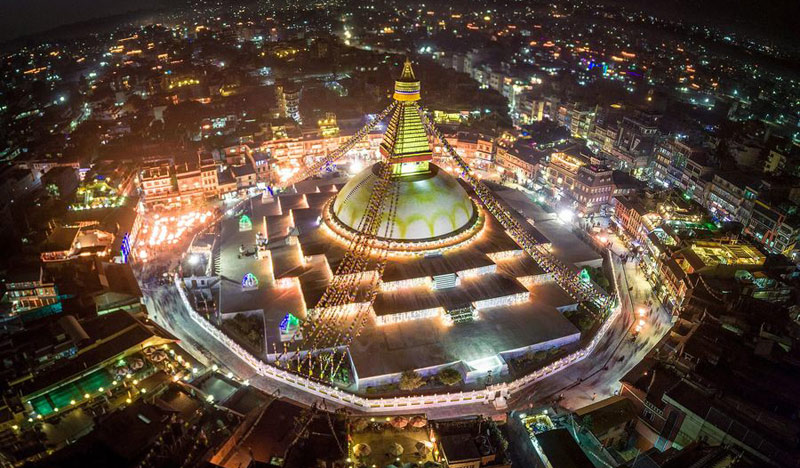
Boudhanath is one of the largest stupas in the world at 36 meters tall and forms the spiritual center of Tibetan Buddhism in Nepal. The entrance fee is around NPR 400 for foreigners, and the surrounding circular plaza is lined with monasteries, thangka studios, and rooftop cafés.
Visit at dusk during the evening kora (circumambulation), when hundreds of Tibetan refugees, monks in maroon robes, and locals walk clockwise around the stupa chanting mantras. Find a rooftop café like Garden Kitchen for a momo dinner overlooking the butter-lamp glow. Pure magic.
4. Witness Cremations at Pashupatinath Temple
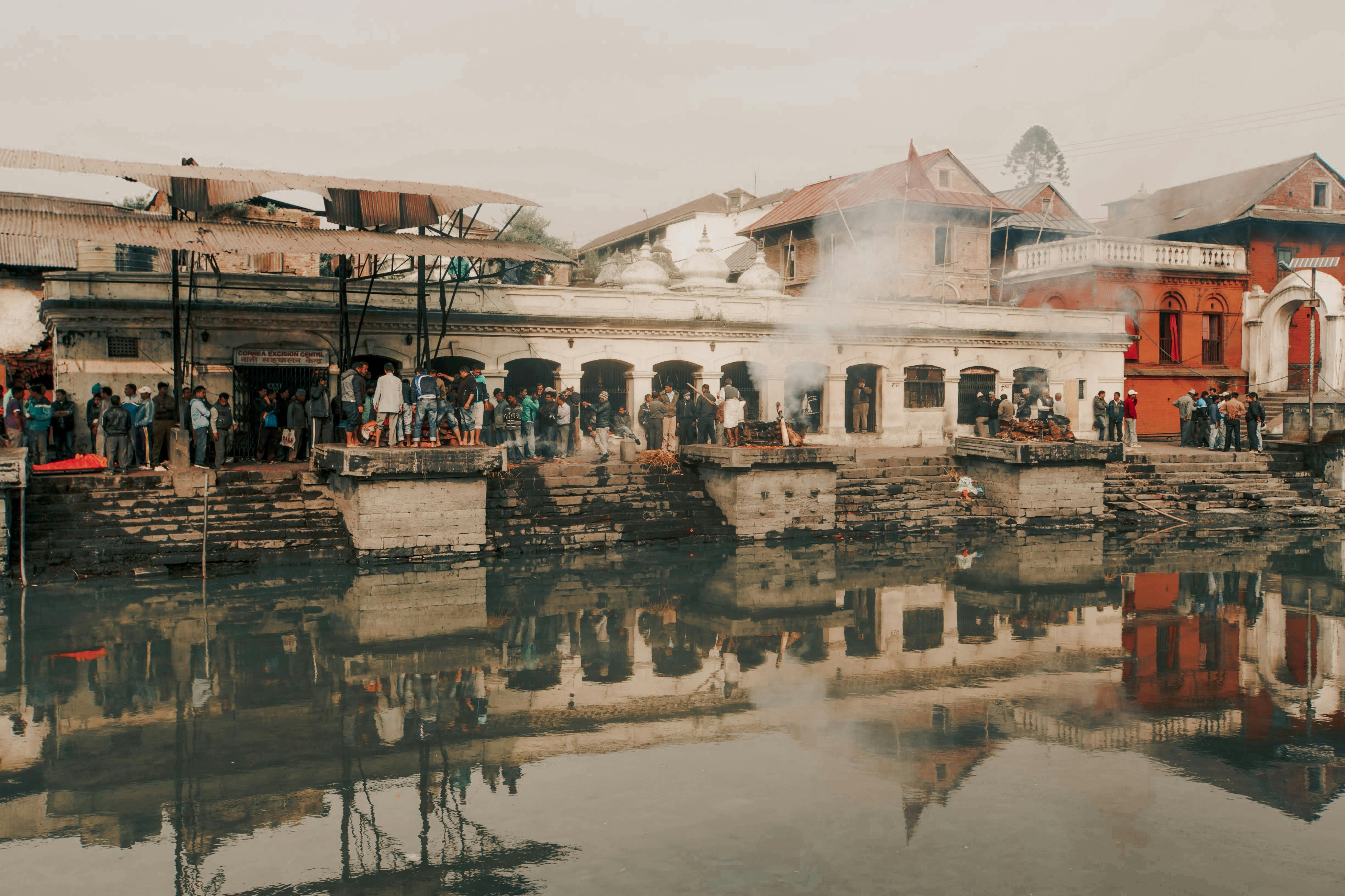
Pashupatinath is Nepal's most sacred Hindu temple, dedicated to Lord Shiva, where open-air cremation rituals take place daily along the Bagmati River. The entrance fee for foreigners is NPR 1,000, and while non-Hindus cannot enter the main inner temple, the surrounding complex of shrines, sadhus, and ghats is fully accessible.
This is a working cremation ground, not a photo backdrop. Stand on the opposite bank, observe quietly, and never photograph grieving families. The site also includes hundreds of small Shiva lingams and the forest where dreadlocked sadhus meditate, some have lived there for decades.
5. Explore Patan Durbar Square
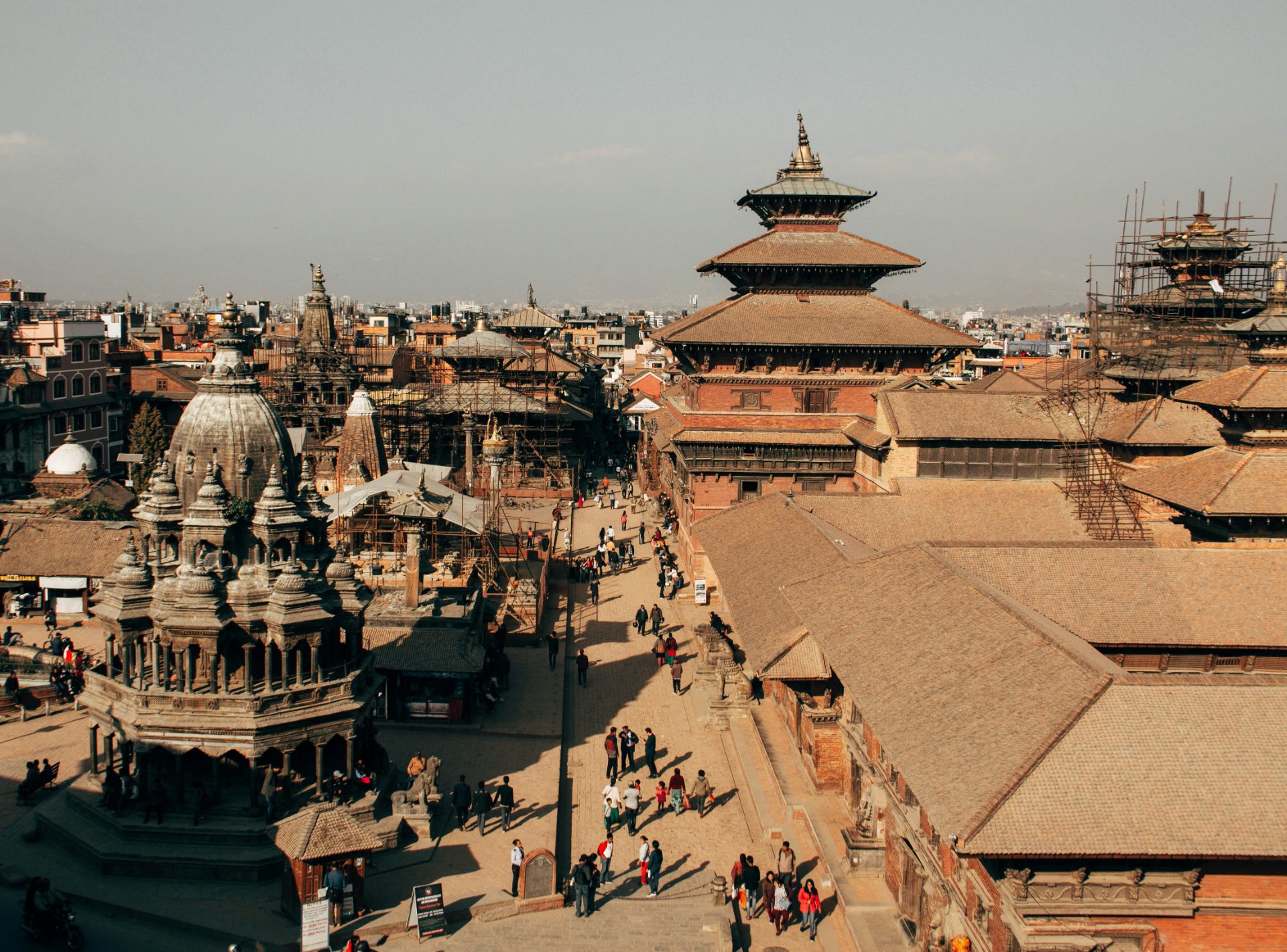
Patan (Lalitpur) sits across the Bagmati River and contains the most architecturally refined of the three Durbar Squares, with masterworks of Newari stone and metal craftsmanship. The combined entrance and Patan Museum fee is NPR 1,000 for foreigners.
The Patan Museum, housed inside the Keshav Narayan Chowk palace (the northernmost courtyard) of the Patan Durbar Square, is genuinely world-class, easily the best curated museum in Nepal. Afterwards, get lost in the back lanes of Patan toward Mahaboudha Temple and the bronze-casting workshops where artisans still hand-pour statues using methods from the 14th century.
6. Day Trip to Bhaktapur
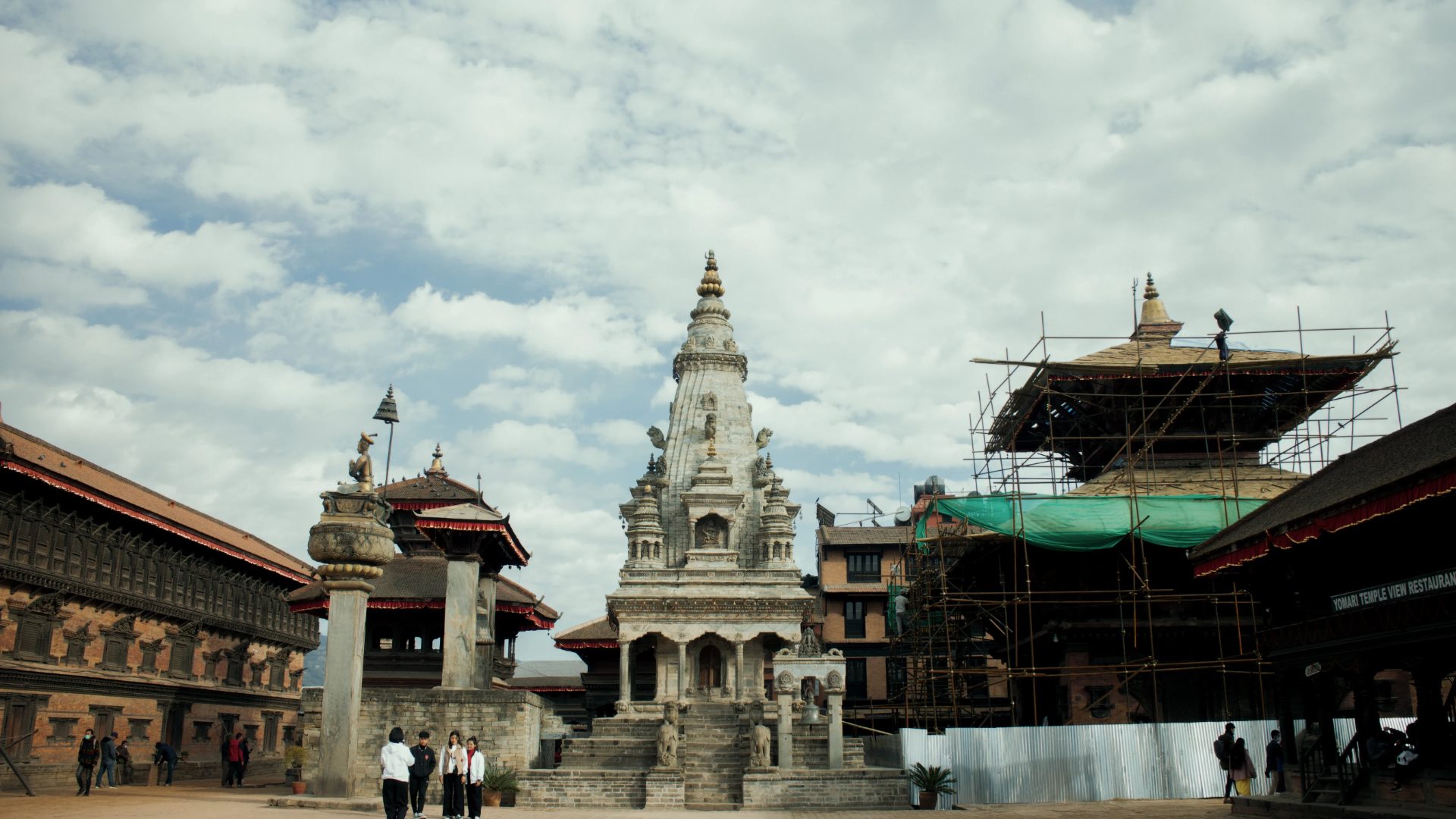
Bhaktapur is a fully preserved medieval Newari city 13 kilometers east of Kathmandu, often called the cultural capital of the valley. The entrance fee is a steep NPR 1,800 for foreigners, but the ticket funds restoration and lets you wander the entire walled old town.
Plan for a full day. Start at Durbar Square, walk through Taumadhi Square to see the five-tiered Nyatapola Temple (the tallest in Nepal at 30 meters), then continue to Pottery Square where families still spin clay on foot-powered wheels. Eat juju dhau, Bhaktapur's famous "king curd" - from a clay pot. It's life-changing.
7. Get Lost in Thamel
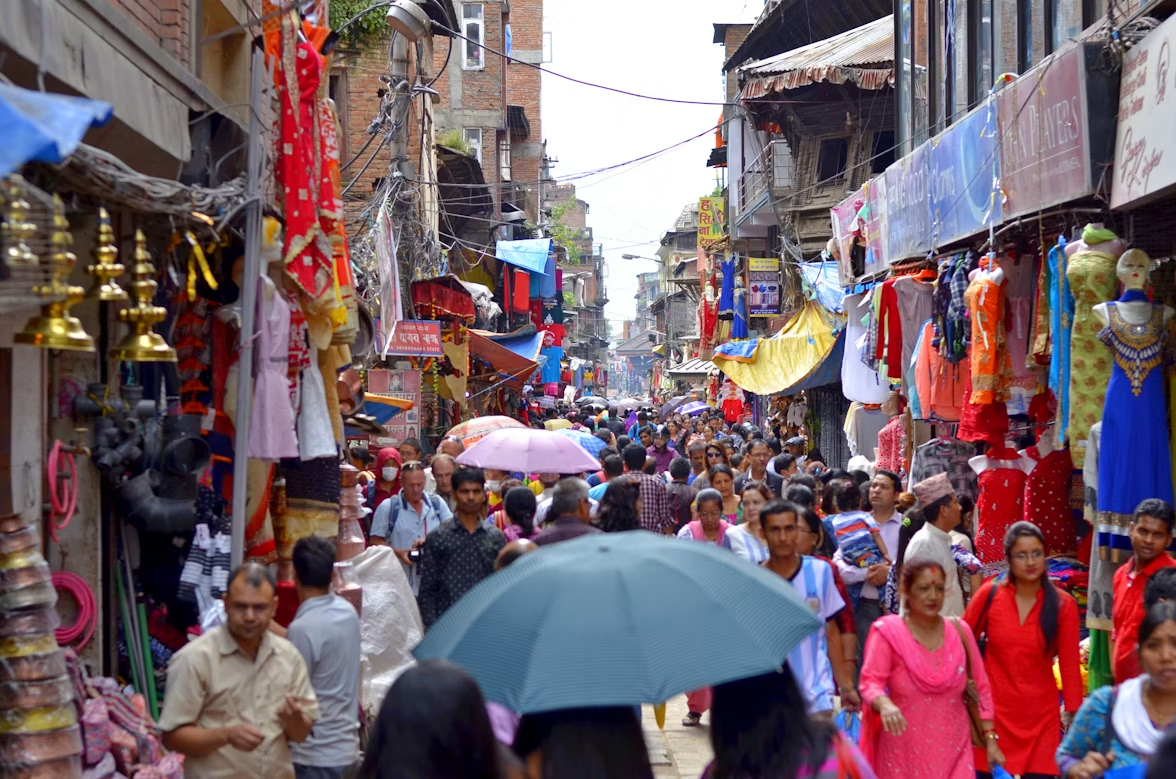
Thamel is Kathmandu's main tourist hub, a dense grid of 6-8 blocks packed with trekking shops, bookstores, cafés, bars, and live music venues. It's chaotic, occasionally tacky, and impossible to skip.
Use Thamel strategically. This is where you'll find legitimate gear shops (look for reputable brands like Sherpa Adventure Gear and Sonam Gear, and check quality carefully), book domestic flights, and meet your trekking agency. For evening atmosphere, head to Sam's Bar, Purple Haze rock club, or the rooftop at OR2K for vegetarian feasts.
8. Eat Your Way Through Asan Bazaar
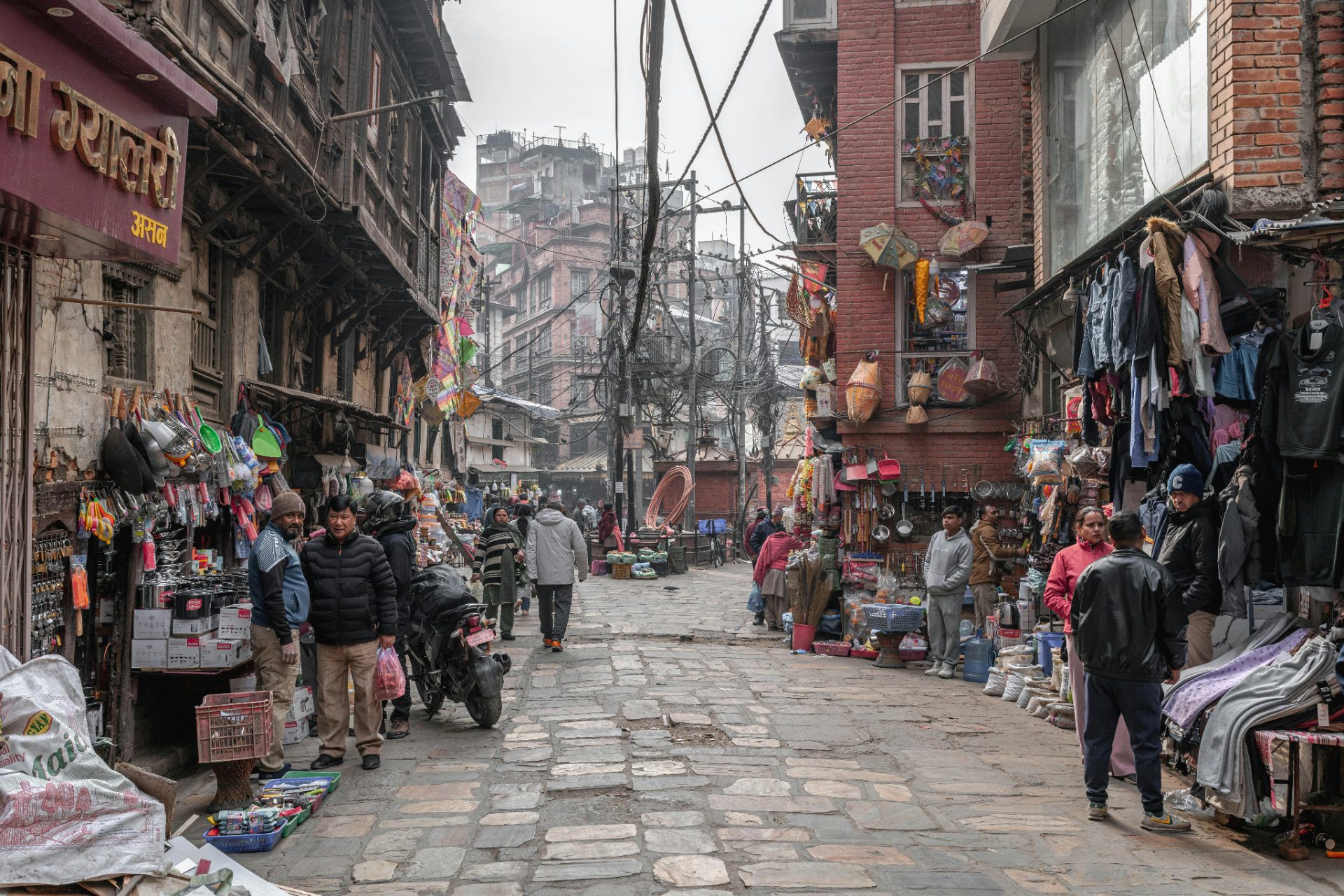
Asan is the centuries-old spice and vegetable market just east of Thamel, where six narrow streets converge into a single chaotic intersection. Entry is free, but bring small NPR notes for sampling.
This is where locals in Kathmandu still shop daily. Brass merchants, sari sellers, dried-fish vendors, and tea wholesalers operate in storefronts that haven't changed in generations. Try fresh jeri swari (sweet fried lentil rings) for breakfast, buy Himalayan saffron and timur peppercorns to take home, and visit the tiny Annapurna Temple in the middle of the square.
9. Sunrise at Nagarkot
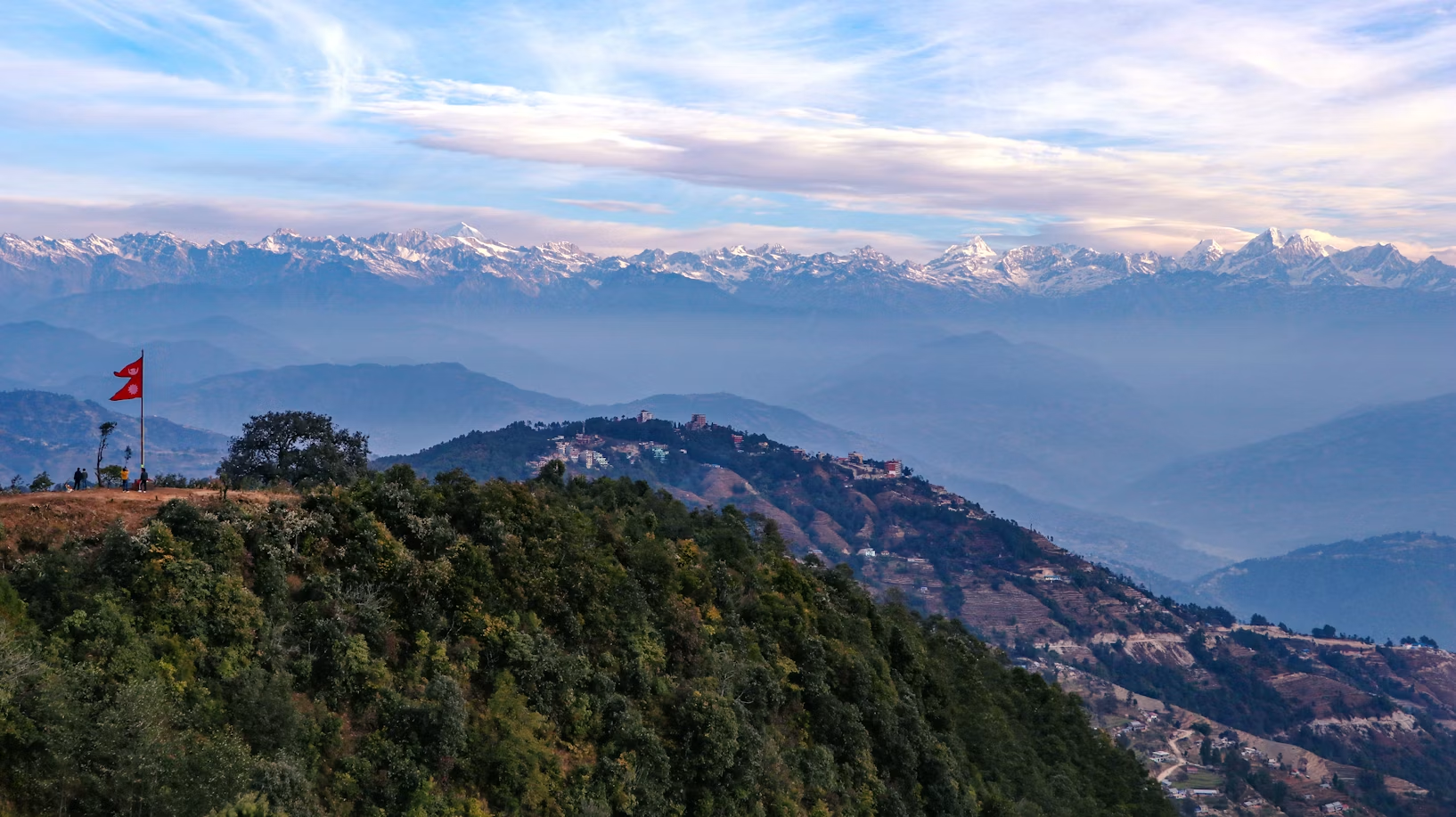
Nagarkot is a hilltop village at 2,175 meters, located 32 kilometers east of Kathmandu, offering panoramic Himalayan views including Langtang, Ganesh Himal, and occasionally Everest on very clear days. The drive takes 1.5-2 hours by private vehicle.
Stay overnight at a view-lodge so you can catch sunrise without a 3 AM departure. October to March offers the highest probability of clear mountain views. Pair the trip with a short hike down to Changu Narayan, one of Nepal's oldest surviving Hindu temples, with inscriptions dating to 464 AD.
10. Take a Cooking Class
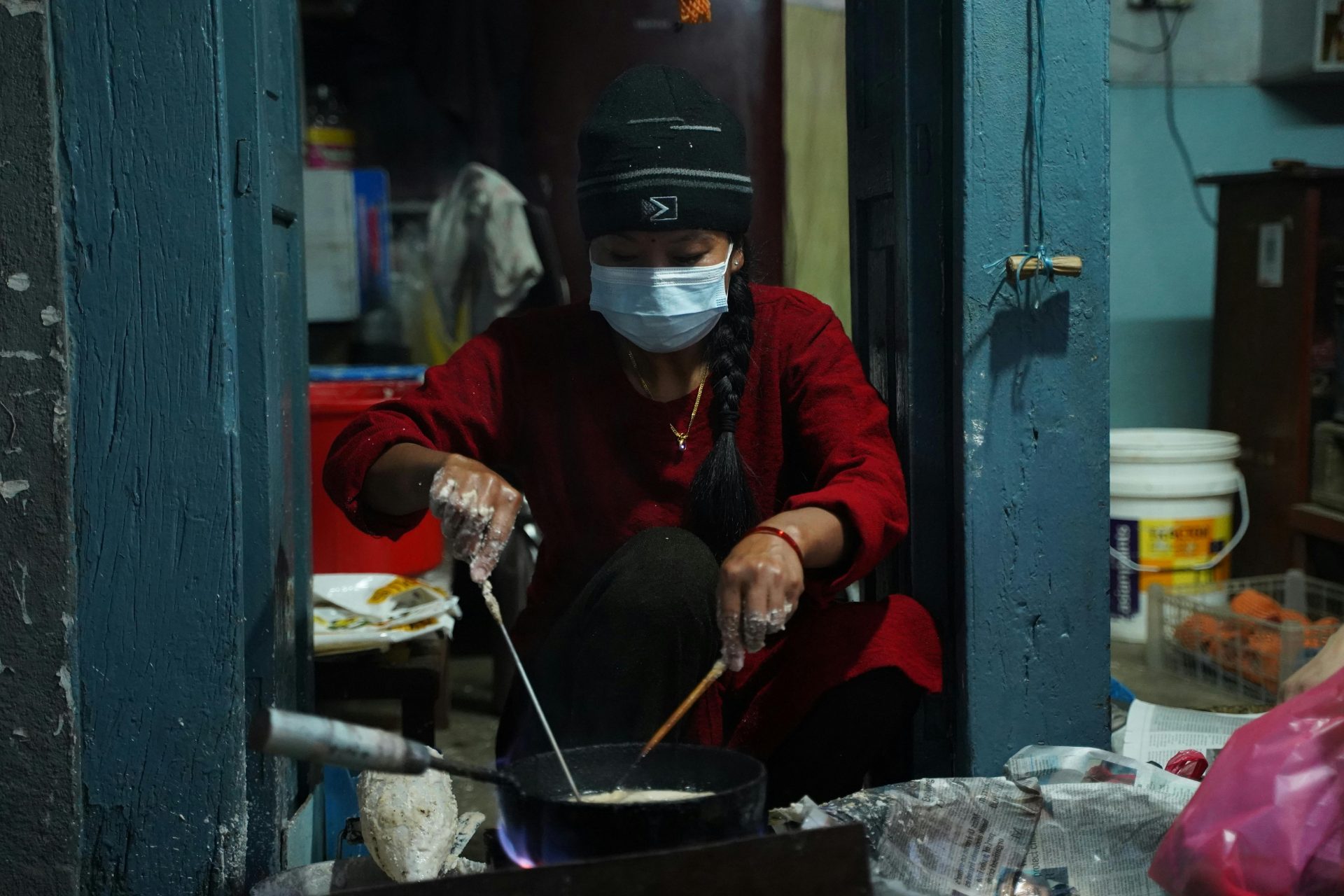
Newari and Nepali cuisine is far deeper than the dal bhat tourists eat in trekking lodges. Half-day cooking classes typically run $25-40 USD per person and include market shopping, instruction, and a full meal.
Cooking classes in Patan and Bhaktapur offer the chance to learn how to make momos from scratch, chatamari (Newari rice crepes), and traditional dal bhat. Vegetarian options are common, and we generally recommend choosing plant-based meals while traveling in Nepal, particularly in remote mountain regions where meat may be transported long distances without consistent refrigeration.
11. Visit the Garden of Dreams
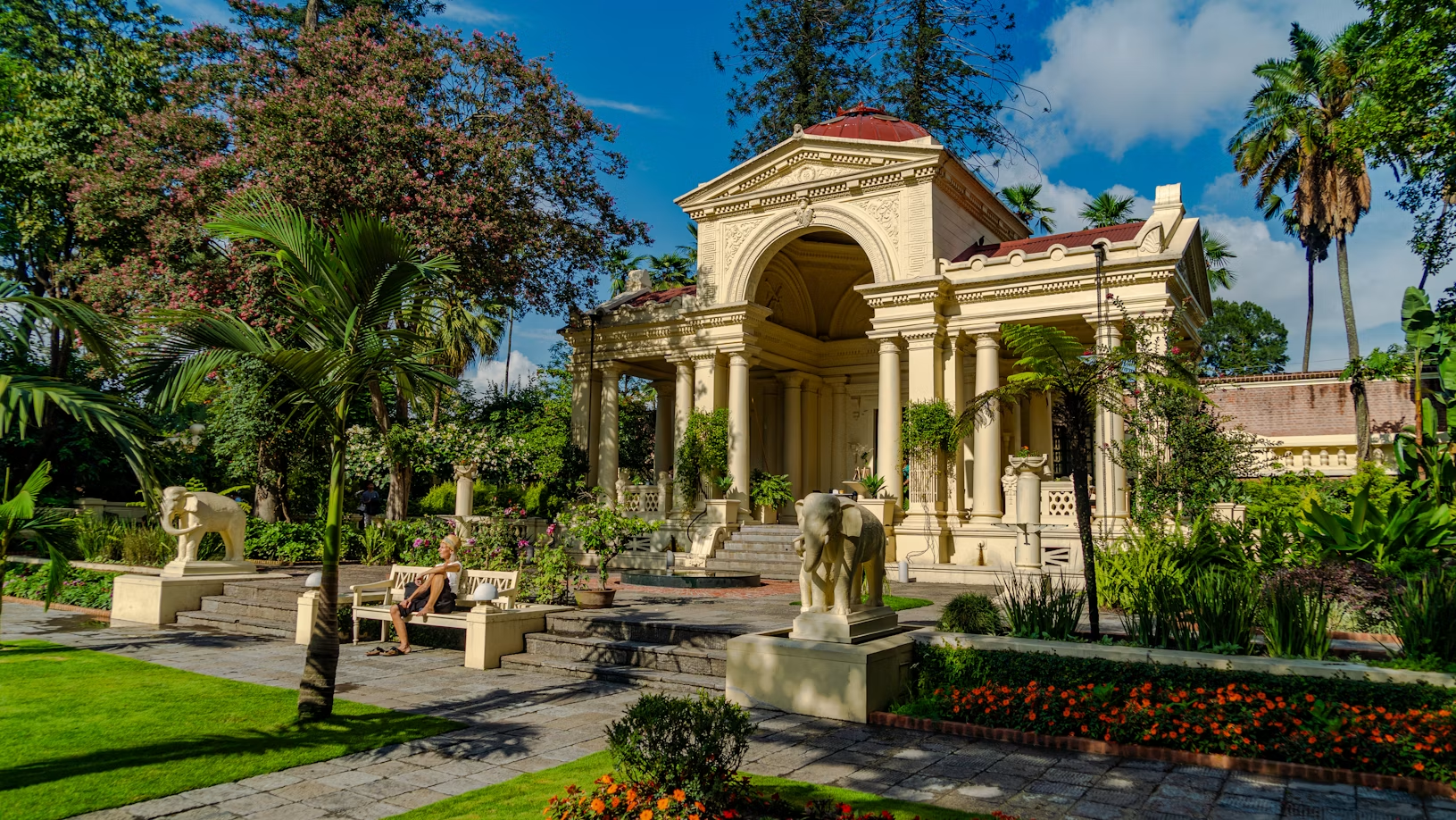
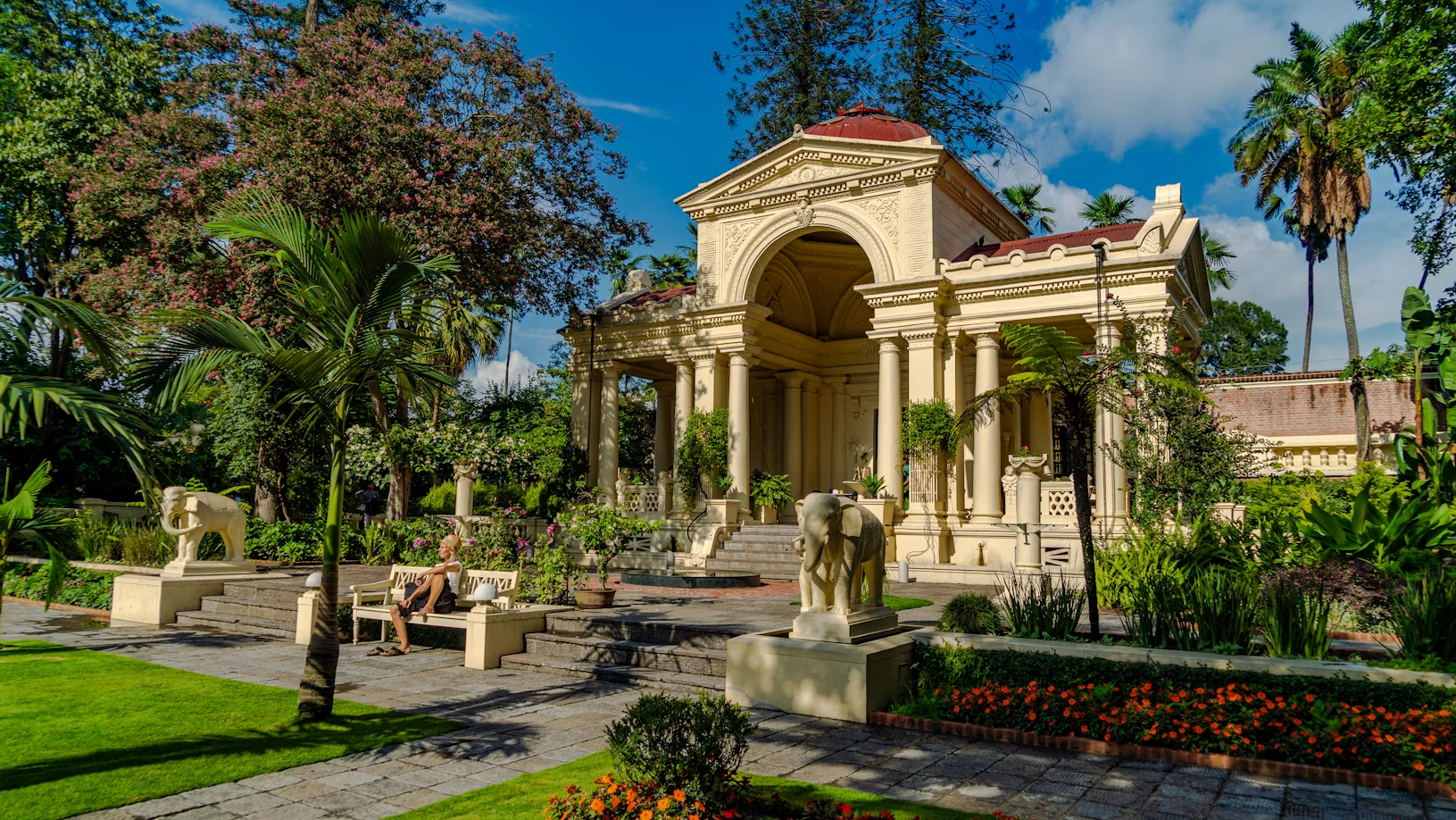
The Garden of Dreams is a restored neoclassical garden that was constructed in the early 1920s, tucked behind a high wall just south of Thamel. The entrance fee is NPR 400 and the space includes manicured lawns, fountains, and the elegant Kaiser Café.
This is the only place in central Kathmandu where the traffic noise truly disappears. Bring a book, order a pot of masala chai, and decompress for a couple of hours. It's especially welcome after a long flight or a grueling trek.
12. Tour the Bronze and Thangka Workshops
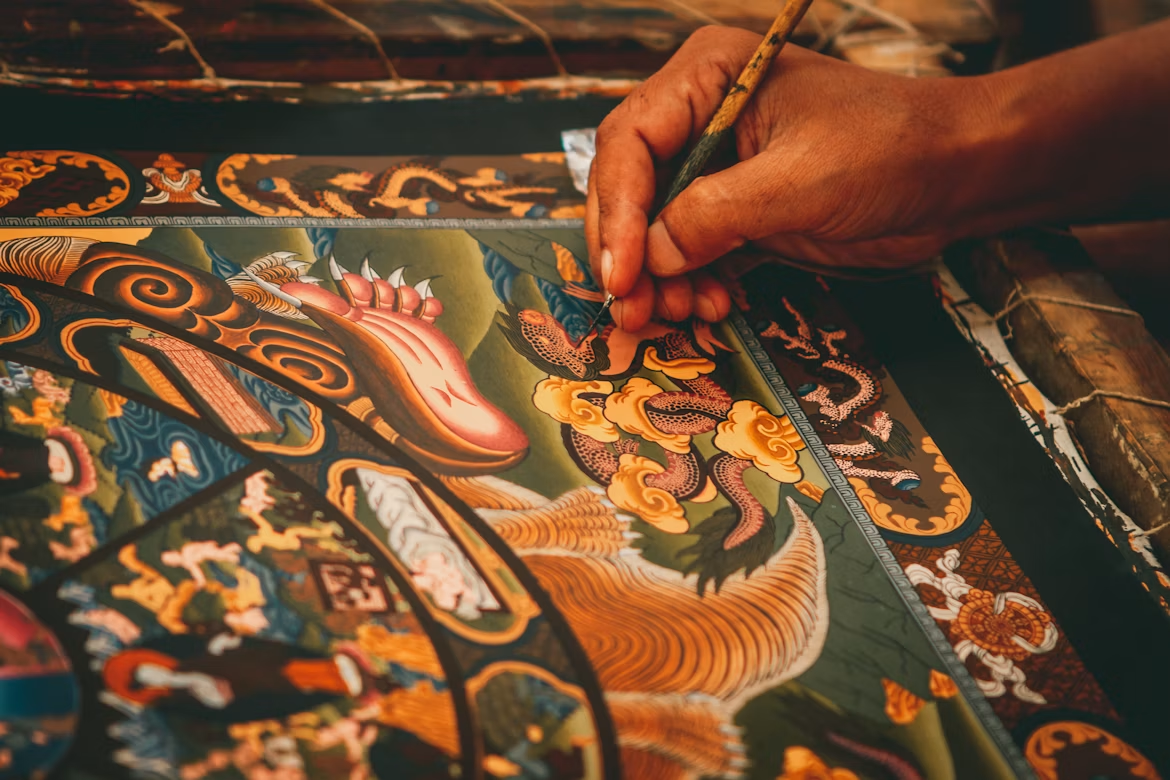
Patan's back lanes hide active workshops where families have practiced lost-wax bronze casting and thangka painting for over 15 generations. Most welcome respectful visitors, and serious buyers can commission custom work.
A genuine hand-painted thangka takes 3-6 months to complete and can range from $200 to $5,000 USD depending on size, detail, pigments used, and the artist's experience. A some Thamel souvenir shops sell mass-produced items, so it’s worth checking quality and authenticity before buying.
13. Hike Shivapuri National Park
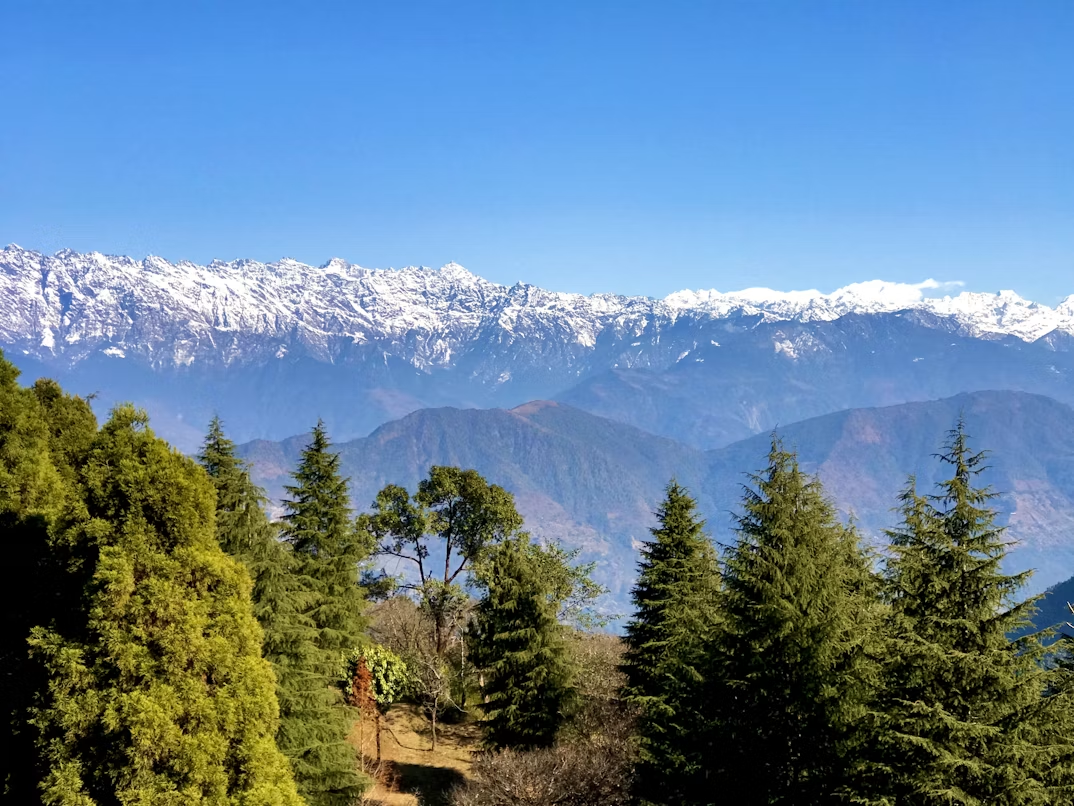
Shivapuri-Nagarjun National Park sits on the northern rim of the Kathmandu Valley and offers excellent half-day hiking from 1,400 to 2,732 meters. The entrance fee is NPR 1,000 for foreign nationals, NPR 600 for SAARC citizens, and NPR 100 for Nepali citizens.
The classic route climbs from Budhanilkantha Temple (home to the giant reclining Vishnu statue carved from a single stone) to Nagi Gompa nunnery in about 2-3 hours. It's the best in-valley training hike before a Himalayan trek and the forest is full of langur monkeys and pheasants.
14. Catch a Festival
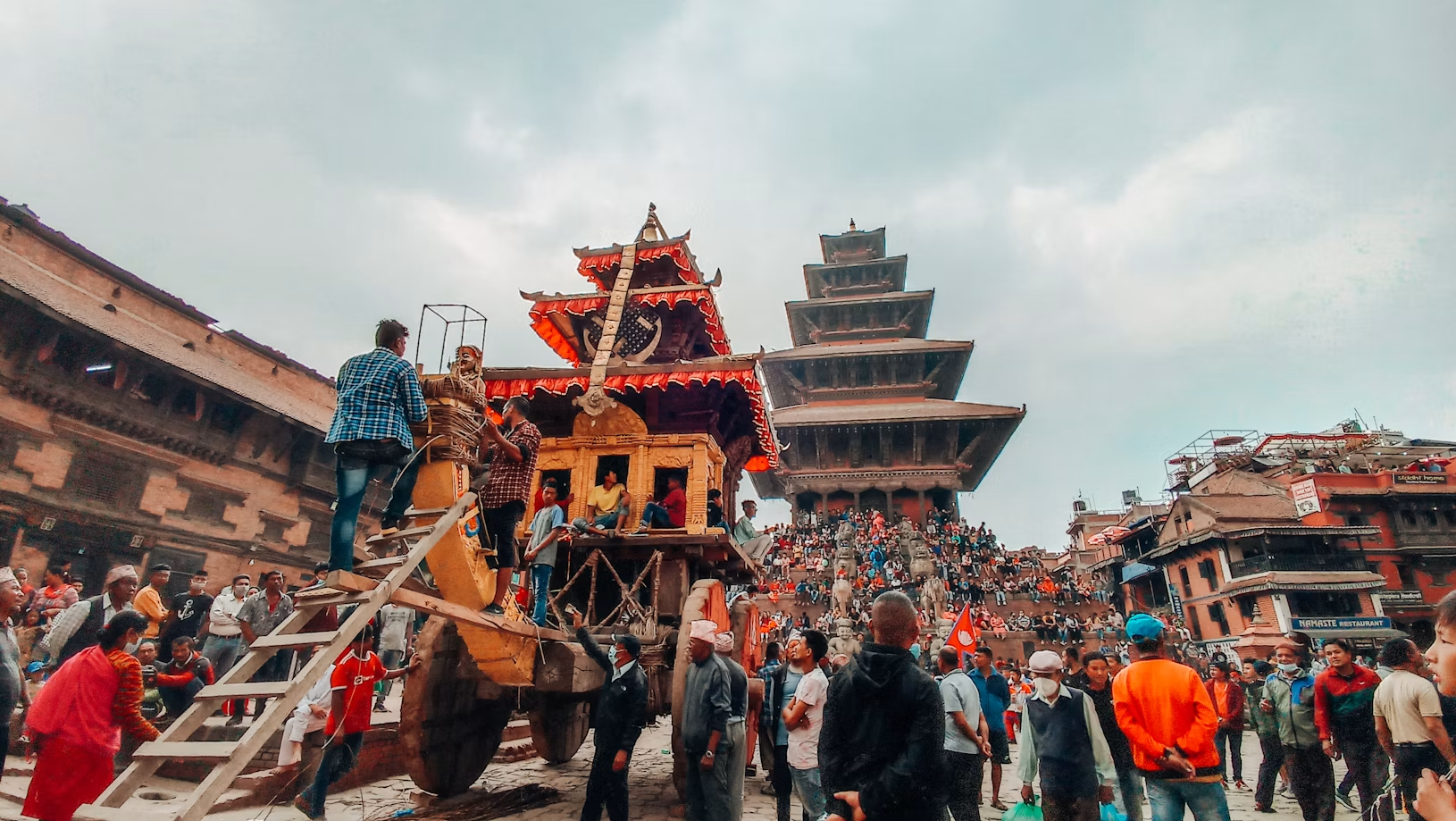
Kathmandu's festival calendar is genuinely one of the richest on Earth. Time your visit around one of these if you can.
A little inspiration for your next trip
Get travel ideas and local experiences from My Easy Guide in your inbox.
Spam free. Unsubscribe anytime. We respect your privacy.