Lumbini Travel Guide 2026: The Birthplace of Lord Buddha
Prabesh Tamang
Contents
- Why Lumbini Matters: A Quick Direct Answer
- How to Get to Lumbini
- Entry Fees and Opening Hours
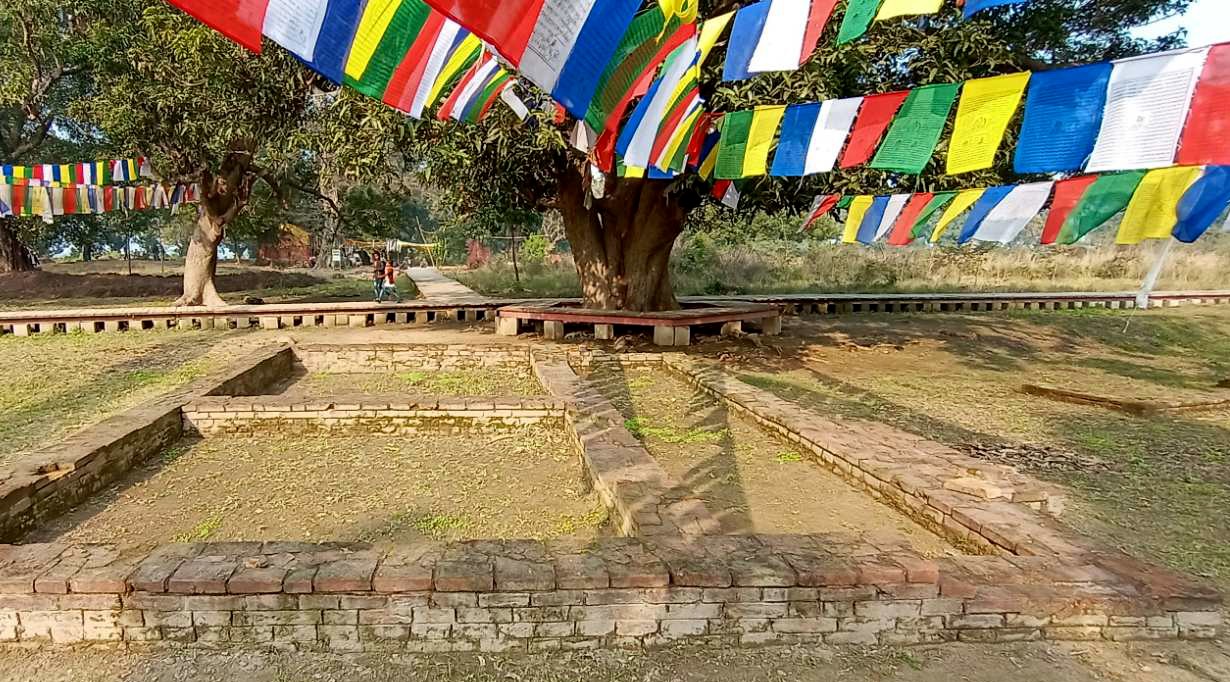
- The Sacred Garden: What You'll Actually See
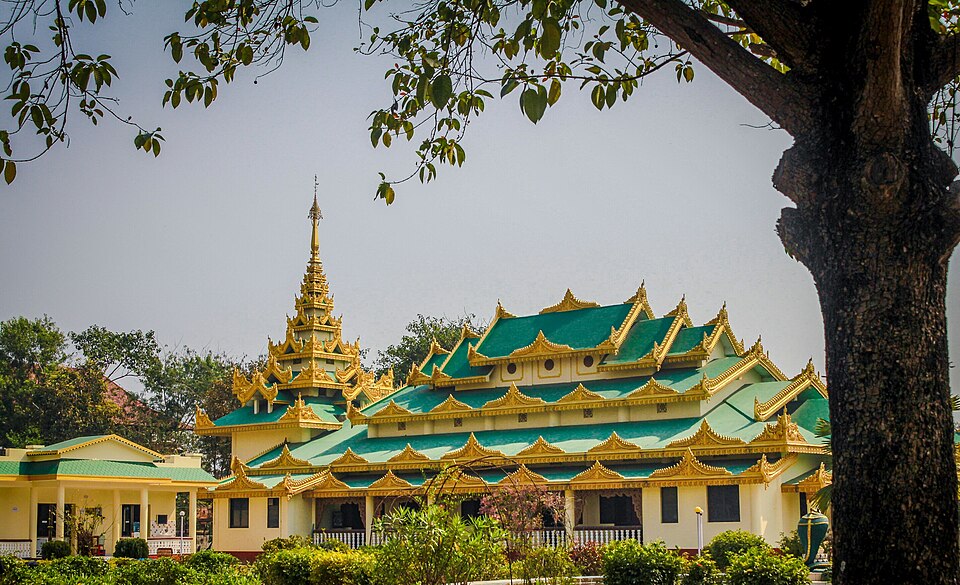
- The Monastic Zones: A Walking World Tour of Buddhism
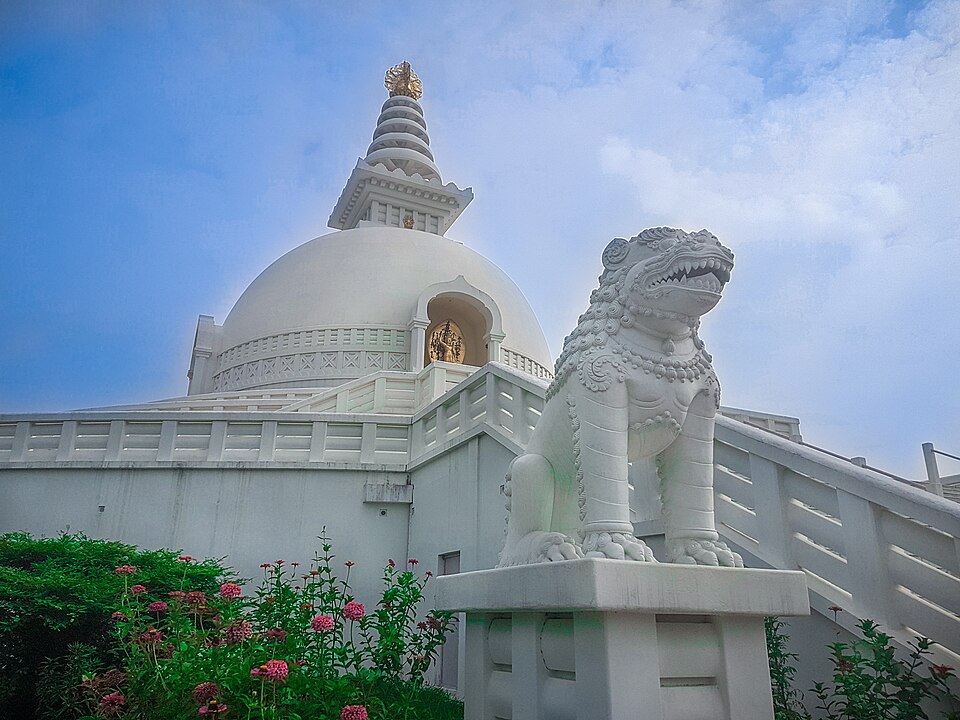
- The World Peace Pagoda and Crane Sanctuary
- Tilaurakot: Where Siddhartha Grew Up
- Best Time to Visit Lumbini
- Where to Stay
- Cultural Etiquette: Non-Negotiables
- Food, Water and Health
- Connectivity and Cash
- Suggested 2-Day Lumbini Itinerary
- Tipping Your Guide and Driver
- Frequently Asked Questions
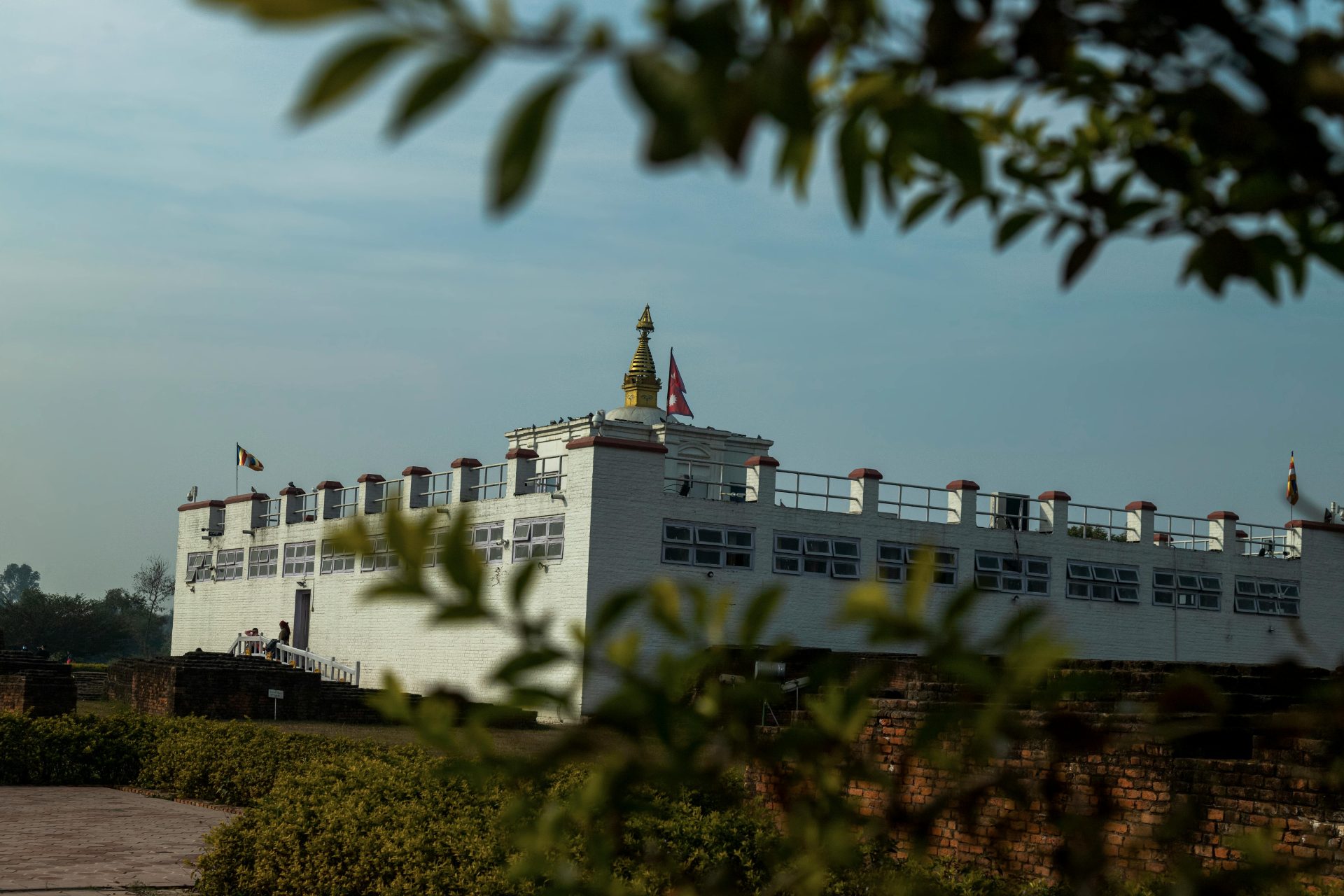
Lumbini doesn't announce itself with snowcapped peaks or roaring rivers. Instead, it arrives quietly, a flat stretch of mango groves, lotus ponds and prayer flags in Nepal's southern Terai, where, around 563 BCE, Queen Maya Devi gave birth to Prince Siddhartha Gautama under a sal tree. That child became the Buddha, and this dusty corner of Rupandehi District became one of the four most sacred pilgrimage sites in the Buddhist world.
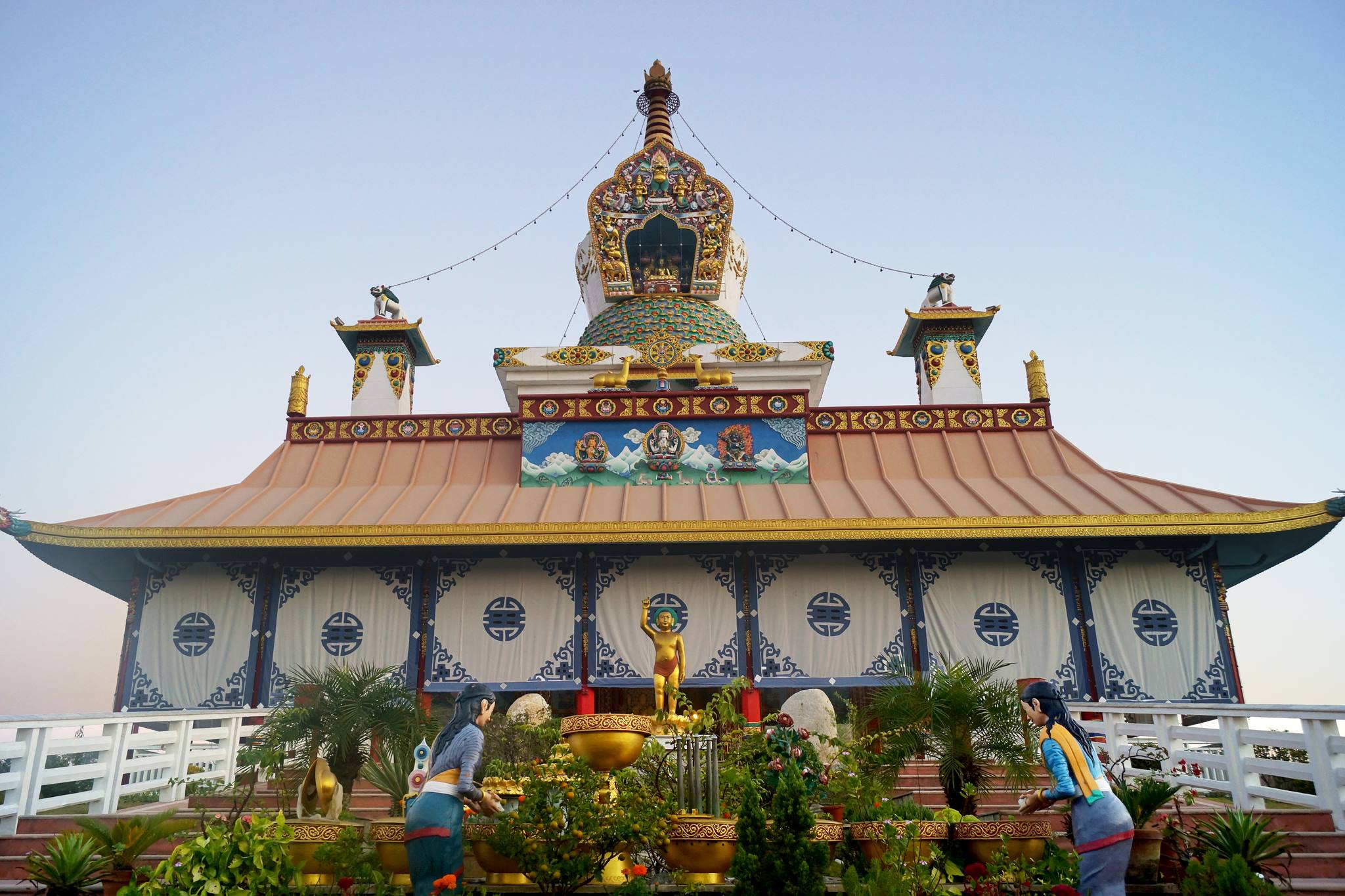
Lumbini is far more than a single archaeological site, yet many first-time visitors arrive without realizing how large the sacred garden and international monastery zone really are. This guide explains everything you need to know before your visit, from entry fees and navigation to practical tips for handling the Terai climate.
Why Lumbini Matters: A Quick Direct Answer
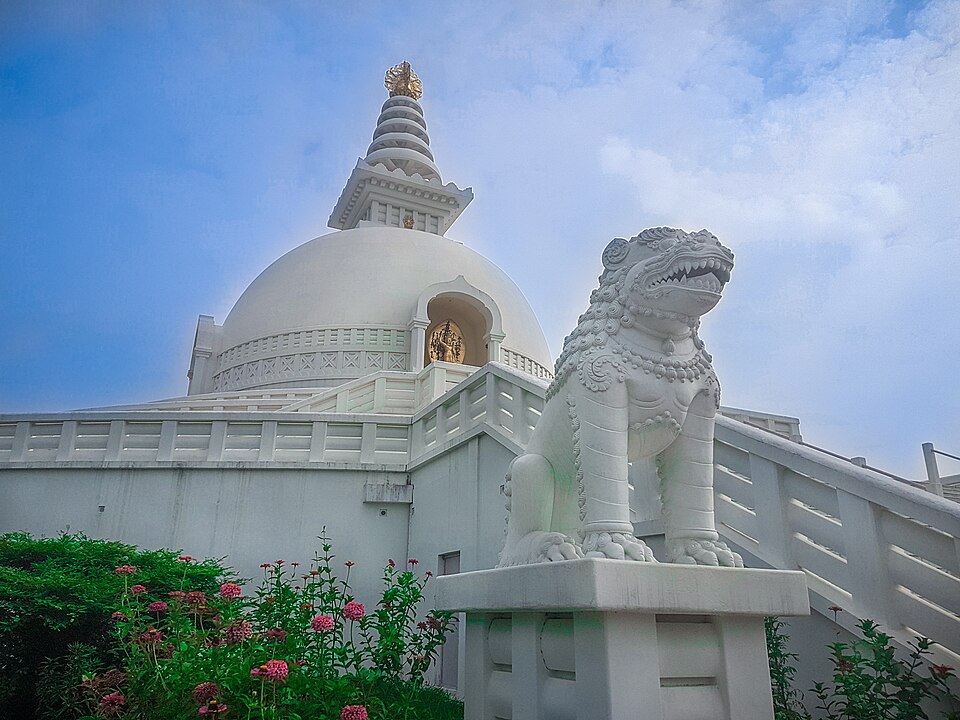
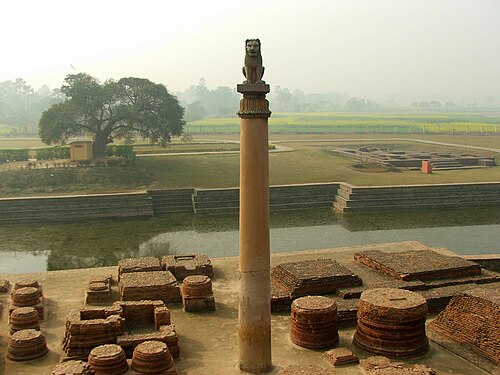
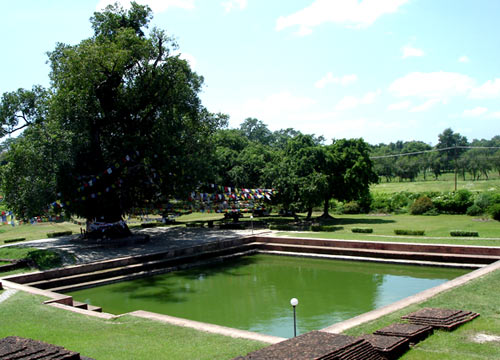
Lumbini is the verified birthplace of Siddhartha Gautama Buddha, confirmed by the Ashoka Pillar inscription of 249 BCE. Designated a UNESCO World Heritage Site in 1997, it contains the Maya Devi Temple, the sacred Puskarini pond, ancient monastic ruins, and over 25 international monasteries spread across a 3-square-mile master-planned zone.
The site sits in the lowland Terai plains near the Indian border, roughly 22 kilometers west of Bhairahawa (Siddharthanagar). It's not a trek, it's a pilgrimage and cultural experience that complements the high-altitude side of Nepal beautifully.
How to Get to Lumbini
Most travelers reach Lumbini via Bhairahawa, the regional hub. From there, it's a 40-minute drive by taxi or local bus to the Lumbini Development Zone. You have three main options depending on your time and budget.
By Air (Fastest)
Domestic flights from Kathmandu to Gautam Buddha International Airport (Bhairahawa) take roughly 35 minutes. Buddha Air and Yeti Airlines operate daily flights. Live ticket prices fluctuate seasonally, we recommend verifying through your booking platform or our marketplace for current rates rather than relying on outdated figures.
By Tourist Bus
The overland route from Kathmandu to Bhairahawa takes 8-10 hours on the Prithvi and Siddhartha Highways. From Pokhara, the journey is shorter at 6-7 hours. Tourist coaches are more comfortable than local buses and depart early morning.
By Private Vehicle
A private car or jeep from Pokhara or Chitwan offers flexibility and roughly 5-6 hours of travel time from Chitwan's Sauraha. This is the option we most often arrange for travelers combining wildlife safaris with the Buddhist pilgrimage.
Entry Fees and Opening Hours
Lumbini's Sacred Garden Entry Fee is managed by the Lumbini Development Trust. Fees are fixed by nationality and are paid at the main gate. Children under 10 enter free.
A little inspiration for your next trip
Get travel ideas and local experiences from My Easy Guide in your inbox.
Spam free. Unsubscribe anytime. We respect your privacy.