Get travel ideas and local experiences from My Easy Guide in your inbox.
Spam free. Unsubscribe anytime. We respect your privacy.
The Manaslu Circuit sits in a sweet spot that experienced trekkers quietly guard: it has the raw, high-altitude drama of Everest without the crowds, and it still feels genuinely remote. But before you lace up your boots, you need to understand one thing clearly, this is a restricted-area trek, and that status shapes nearly every line of your budget. The permits cost more, a licensed guide is non-negotiable, and the trail economy runs entirely on cash.
We put this 2026 cost guide together so you walk in knowing exactly where every rupee and dollar goes. No vague estimates on the parts we can pin down, and honest ranges on the parts that genuinely fluctuate, like jeeps and lodge meals.
What Does the Manaslu Circuit Trek Cost in 2026?
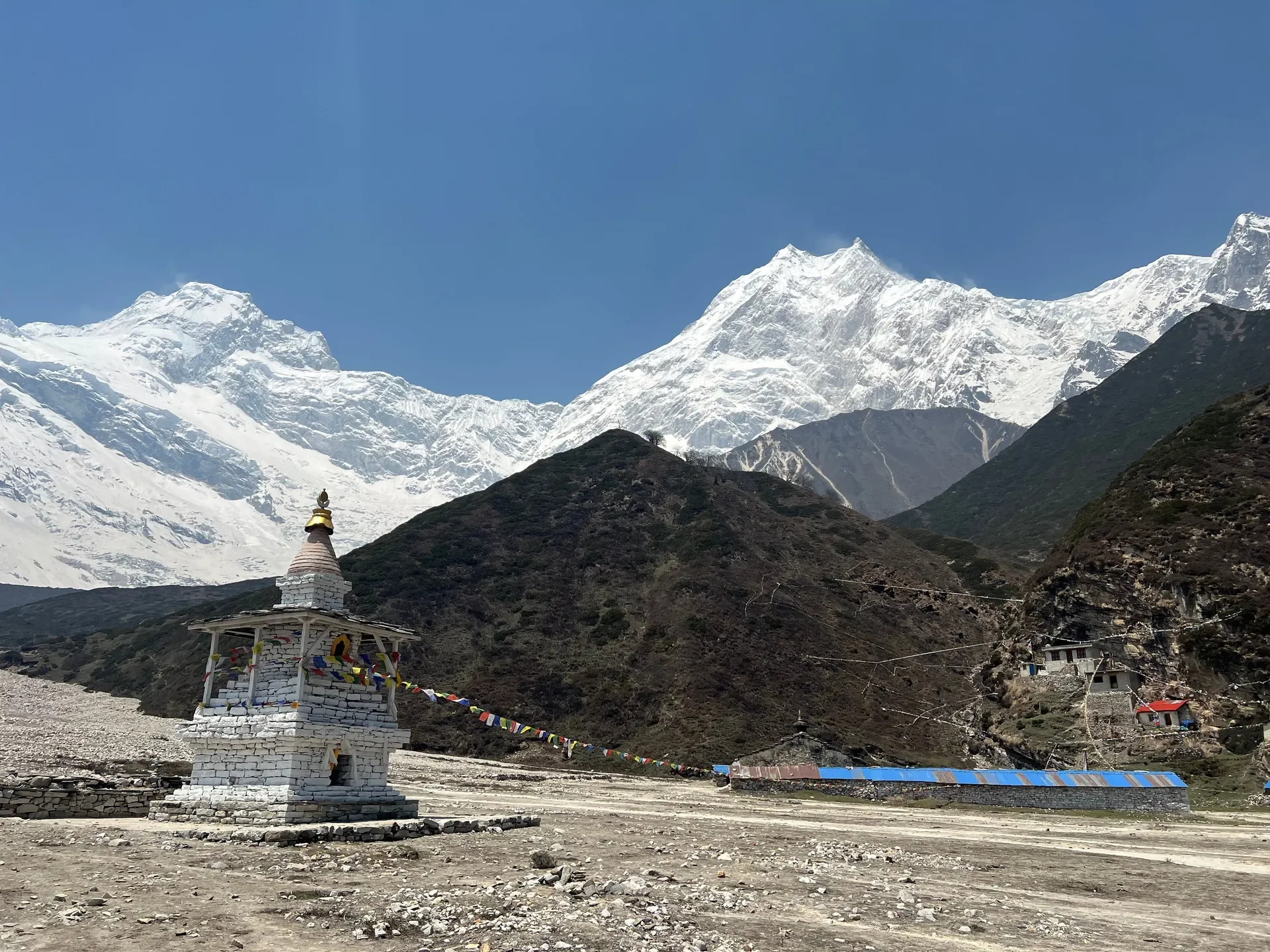
Source: Sanjay Prakash / Pexels, A serene Buddhist chorten stands against the dramatic backdrop of the Manaslu range, showcasing the rich cultural heritage found along the trail.
A guided Manaslu Circuit trek in 2026 costs roughly $1,000 to $1,600 USD per person for a standard 14-day itinerary. This covers all three permits, a licensed guide, teahouse lodging, meals, and ground transport. Smaller groups, private jeeps, and porters push the figure higher; larger groups split fixed costs and pay less per head.
The single biggest variable is whether you book through an agency or assemble the trip yourself. Because a licensed guide is legally required, the days of shaving costs by trekking fully independent are over here. That regulation actually simplifies budgeting, your guide and permits become a fixed block, and the rest is food, beds, and extras.
Manaslu Permits 2026: Exact Fees Breakdown
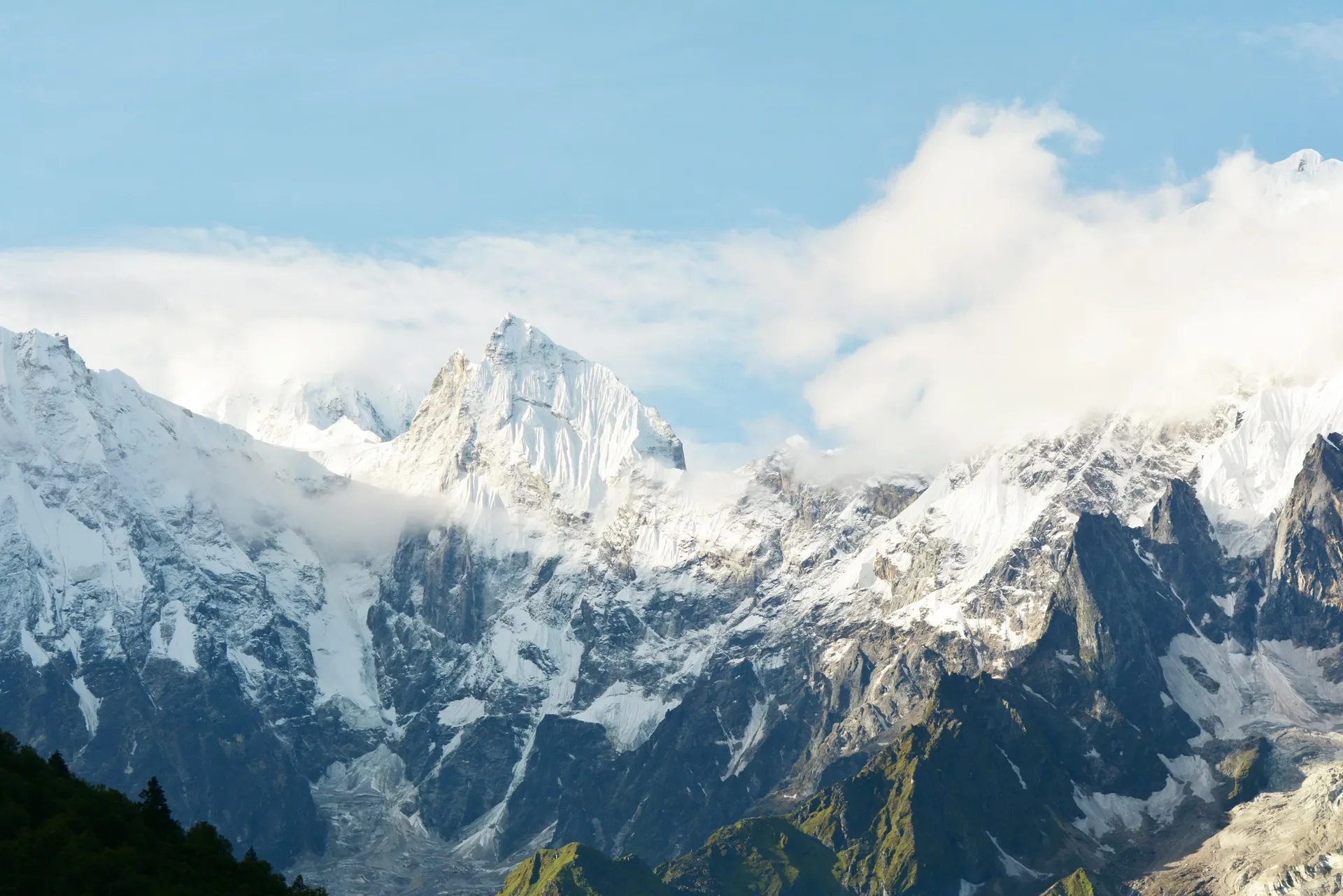
Source: Siddhartha Sen / Pexels, Eighth-highest peak: A dramatic glimpse of Mount Manaslu's jagged, icy ridges piercing through the morning clouds.
The Manaslu Circuit requires three separate permits: the Manaslu Restricted Area Permit (RAP), the Manaslu Conservation Area Permit (MCAP), and the Annapurna Conservation Area Permit (ACAP) for the final stretch around Dharapani. You do not need a TIMS card on this restricted route.
1. Manaslu Restricted Area Permit (RAP)
This is the costly one, and it's priced seasonally and by duration. Following the March 2026 permit rule update, solo foreign trekkers can now obtain a Manaslu Restricted Area Permit through a registered trekking agency, although a licensed guide remains mandatory.
Season
First 7 Days
Each Additional Day
September – November
$100 USD
$15 USD per day
December – August
$75 USD
$10 USD per day
The RAP must be processed through a registered trekking agency in Kathmandu, individuals cannot apply directly at the immigration counter. This is one of the practical reasons every Manaslu trekker goes through a licensed operator.
2. Manaslu Conservation Area Permit (MCAP)
The MCAP covers the conservation zone from Jagat onward. The fee for foreigners is NPR 3,000 (roughly $23 USD). For SAARC nationals it is NPR 1,000, and for Nepali citizens it is NPR 100.
3. Annapurna Conservation Area Permit (ACAP)
Because the circuit ends by joining the Annapurna region around Dharapani, you need an ACAP too. The foreigner fee is NPR 3,000 (around $23 USD), NPR 1,000 for SAARC nationals, and NPR 100 for Nepali citizens.
Permit
Foreigner
SAARC
RAP (Sept–Nov, 7 days)
$100 USD
$100 USD
MCAP
NPR 3,000
NPR 1,000
ACAP
NPR 3,000
NPR 1,000
For a typical 14-day autumn Manaslu Circuit itinerary, total permit costs are approximately USD 245–250 per person. If you add the Tsum Valley side trip, that requires its own separate restricted permit.
Nepal Visa Fees for 2026
Before any trek costs, budget your entry visa. As of 2026, the tourist visa-on-arrival fees at Tribhuvan International Airport are: $30 USD for 15 days, $50 USD for 30 days, and $125 USD for 90 days. For a standard Manaslu trip with a buffer day or two, the 30-day visa is the practical choice.
Guide and Porter Costs
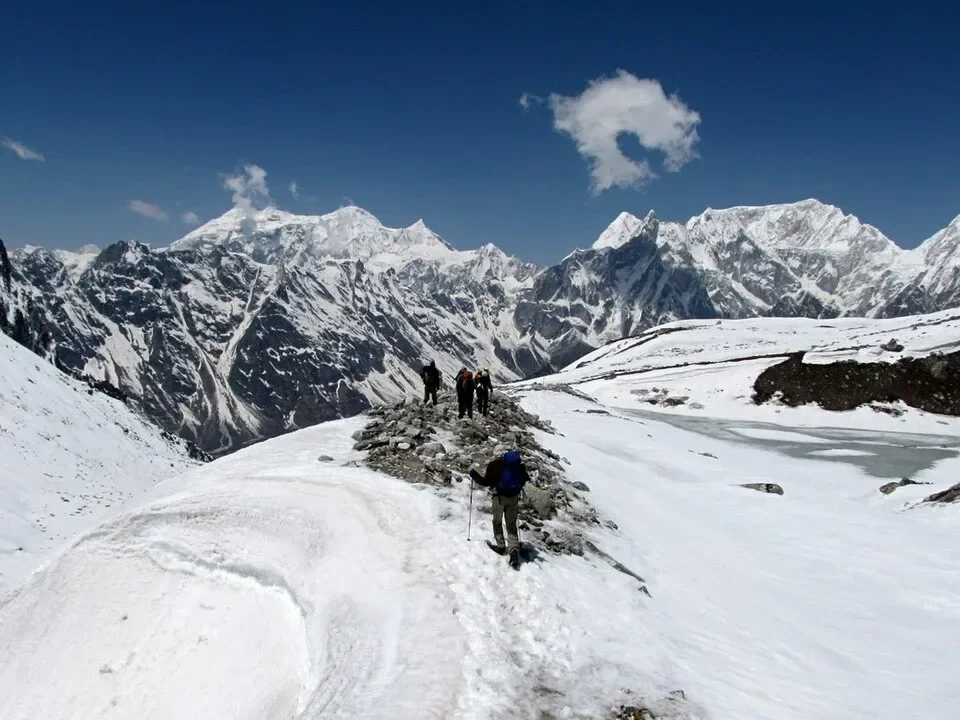
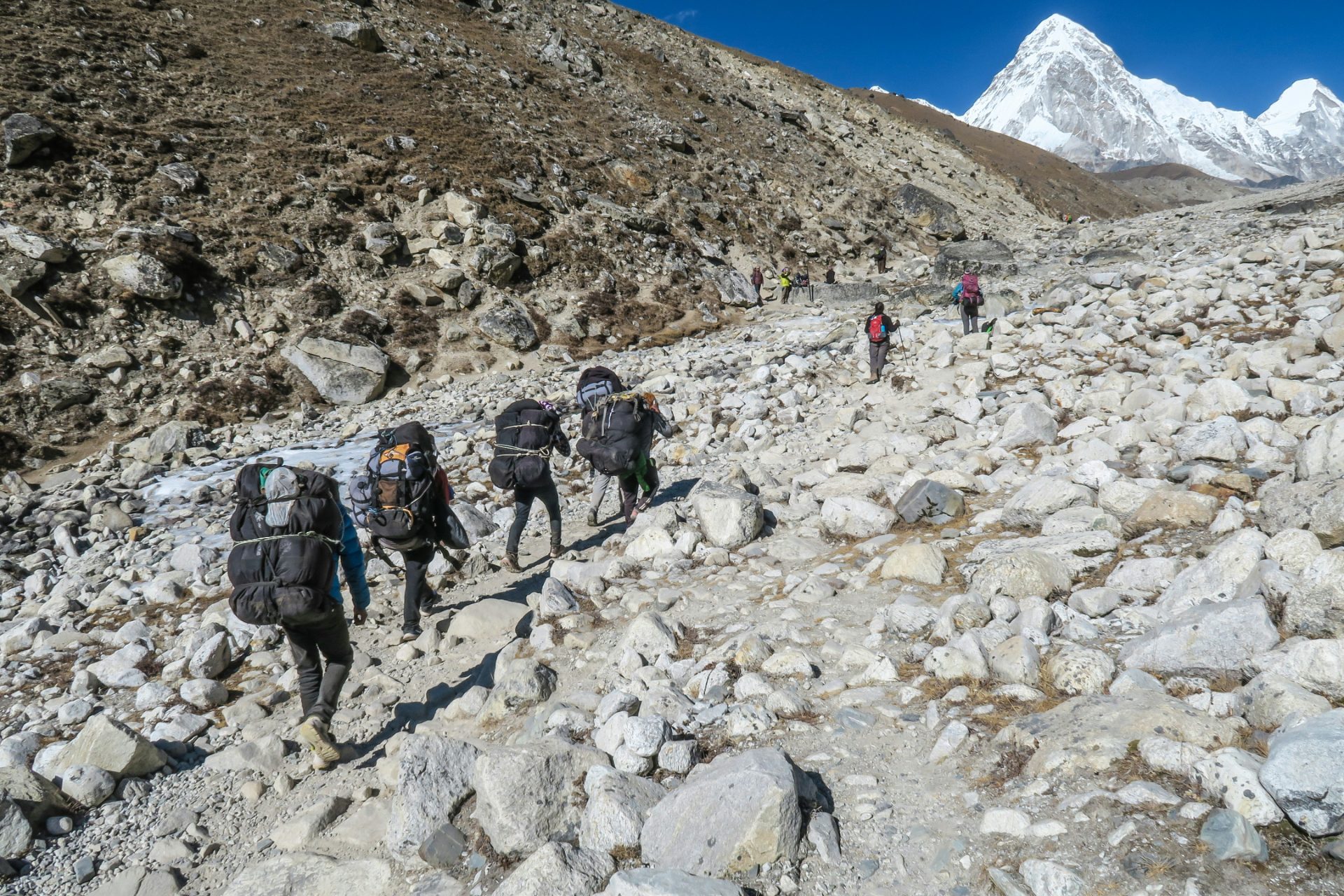
Source: Sebastian Pena Lambarri, Local Sherpa guides carrying load on a rugged mountain pass along a Nepal trekking route.
A licensed guide on the Manaslu Circuit typically costs $30 to $40 USD per day, which usually includes their food, lodging, insurance, and transport. A porter runs around $22 to $28 USD per day and will carry up to roughly 20–25 kg between two trekkers.
Hiring a guide here is not just a rule to tick off, the route crosses the 5,160-meter Larke La pass and weaves through remote villages where local language, weather judgment, and emergency coordination genuinely matter. Some agencies offer guide-porters, particularly for budget-conscious trekkers, though we recommend a dedicated porter if you want to enjoy the walking rather than haul a heavy pack to altitude.
Transport Costs: Kathmandu to the Trailhead
The Manaslu Circuit is a road-accessed trek at both ends, so there are no Lukla-style flight gambles here. You drive to Soti Khola or Machha Khola to start and exit by jeep from Dharapani via Besisahar.
Transport is genuinely volatile, so verify live rates before you travel. As a realistic guide: a shared local bus or jeep from Kathmandu to Machha Khola costs roughly $15 to $25 USD one way, while a private jeep can run $150 to $250 USD split among the group. The exit jeep from Dharapani to Besisahar, then a bus or jeep back to Kathmandu, sits in a similar range. These roads are rough, dusty, and slow, budget a full long day for each transfer.
Food and Lodging on the Trail
Teahouse rooms on the Manaslu Circuit are basic and cheap, usually NPR 500 to NPR 1,000 per night for a twin room at lower elevations, sometimes free if you eat your meals there. Higher up around Samagaon and Dharamsala, prices climb as everything must be carried in by mule or porter.
Meals are where your daily cash adds up. Expect to budget NPR 2,500 to NPR 4,000 per day for food as you gain altitude. A plate of Dal Bhat, lentil soup, rice, and vegetable curry, runs NPR 600 to NPR 900 and comes with free refills, making it the best fuel-to-cost ratio on the entire trail.
We strongly advise prioritizing vegetarian meals. Because fresh meat becomes less available at higher elevations and supply chains are long, many trekkers prefer vegetarian meals in upper villages. For a deeper look at what to expect, see our guide to teahouse food on Nepal treks.
The Hidden Trail Costs Nobody Mentions
This is where budgets quietly blow out. Past the trailhead, almost nothing electrical or warm is included in your room rate, and every comfort carries a charge.
Charging a phone or power bank: NPR 200 to NPR 500 per device per session depending on village and season
Hot shower (gas-heated): NPR 300 to NPR 600
Wi-Fi access: NPR 200 to NPR 600 per use
Boiled or filtered water: NPR 100 to NPR 300 per liter
Do not buy plastic bottled water on the trail, it harms the fragile mountain environment and costs more over time. Carry a reusable bottle with a reliable purification system like a UV purifier, a Sawyer squeeze filter, or chlorine dioxide drops. This single habit can save you thousands of rupees over a two-week trek. Our overview of trek amenities and costs breaks these extras down further.
Connectivity: SIM Cards and Networks
For the Manaslu region, Nepal Telecom (NTC) is the essential network, it holds the most reliable coverage through the remote upper valley, while Ncell fades out as you climb. Pick up an NTC SIM in Kathmandu with a data pack. Beyond Samagaon, expect patchy-to-no signal, so treat the upper section as offline and rely on your guide's local knowledge.
Cash: Carry Everything You Need
There are no reliable ATMs along the trekking route itself, so trekkers should withdraw sufficient cash before leaving Kathmandu. Withdraw all your trek cash in NPR before you leave the city, and add a comfortable cushion for the hidden charges above plus your crew tips. Running out of money at altitude is a real and avoidable problem.
Insurance: A Legal Requirement, Not Optional
Standard travel insurance will not cover you here. You must carry a policy that specifically includes high-altitude emergency helicopter evacuation up to 6,000 meters and medical treatment for AMS, HAPE, and HACE.Comprehensive travel insurance covering high-altitude trekking and helicopter evacuation is strongly recommended for the Manaslu Circuit because of the route's remoteness and altitude.
Acclimatization and Safety Budget Considerations
The Larke La pass at 5,160 meters demands respect. Above 3,000 meters, acclimatization guidelines generally recommend limiting increases in sleeping altitude to around 300–500 meters per day and incorporating rest days when necessary, with a built-in rest day around Samagaon (3,520 meters). Those rest days cost food and lodging money but are non-negotiable for safety. Read our practical notes on altitude sickness and the role of Diamox while trekking before you go.
Tipping Your Crew
Tipping is culturally expected on Nepal treks and forms a vital part of guide and porter income. A standard approach is to set aside 10% to 15% of your total trek cost, distributed among the crew at the end of the journey. Hand tips out personally where you can, it's a meaningful gesture after weeks of shared trails.
Sample Manaslu Circuit Budget (14 Days, Per Person)
Expense
Estimated Cost
All permits (RAP + MCAP + ACAP)
$146 USD+
Licensed guide (shared in group)
$210–$280 USD
Porter (shared)
$150–$200 USD
Food & lodging (14 days)
$350–$500 USD
Round-trip transport
$60–$150 USD
Hidden extras (charging, showers, Wi-Fi)
$40–$80 USD
Tips
$80–$150 USD
Total estimate
$1,036–$1,506 USD
How to Walk the Trail, Not the Road
Like the Annapurna Circuit, jeep roads have crept into parts of the lower Manaslu route. To avoid dust and vehicle traffic, talk to your guide about taking the older walking trails and high paths wherever they still exist. The quieter sections are exactly why people come here in the first place.
Frequently Asked Questions
Is the Manaslu Circuit harder than Everest Base Camp?
Manaslu is generally considered more physically demanding due to the high Larke La pass at 5,160 meters and fewer rest facilities, though its maximum elevation is lower than the Everest region's high points. See our trek comparison guide for context.
Can a single traveler get a Manaslu permit in 2026?
Yes. The 2026 rules removed the old two-person minimum, so a single trekker can obtain the RAP but you must still hire a licensed guide, and the guide-to-trekker ratio is capped at 1:7.
How many days do I need for the Manaslu Circuit?
Most trekkers complete it in 13 to 16 days including travel and acclimatization. Adding the Tsum Valley extends it by about 5 to 7 days and needs a separate permit.
What is the best season for the Manaslu Circuit?
Autumn (September–November) and spring (March–May) offer the clearest skies and most stable weather. Permit fees are highest in autumn. For broader timing advice, browse our October trekking guide.
Are there ATMs on the Manaslu Circuit?
No. Carry all your cash in NPR from Kathmandu. The trail runs entirely on cash, including for charging, showers, and Wi-Fi.
Do I need a TIMS card for Manaslu?
No. The Restricted Area Permit replaces the TIMS requirement on this route. Learn more about the TIMS card for other treks.
Is Wi-Fi available on the trail?
Limited Wi-Fi exists in lower villages for a fee of around NPR 200 to NPR 600 per use. Connectivity becomes increasingly unreliable beyond Samagaon.
What network works best on Manaslu?
Nepal Telecom (NTC) provides the strongest coverage in the remote upper valley. Ncell signal fades as you climb.
Do I need special insurance?
Yes. You need coverage for high-altitude helicopter evacuation up to 6,000 meters and treatment for altitude illness. It's required to issue your permit.
Can I add Tsum Valley to my Manaslu trek?
Yes, but it requires a separate restricted-area permit and adds roughly a week to your itinerary.
The Manaslu Circuit rewards trekkers who plan their budget honestly and respect the altitude. With permits fixed, a guide secured, and enough cash in your pack, the rest is simply enjoying one of Nepal's finest high mountain walks.