Wondering whether June is a good time to visit Pokhara? The answer depends on what kind of trip you're planning. June marks the beginning of the monsoon season in Nepal, but rainfall usually increases gradually rather than arriving all at once. The first half of the month often brings warm temperatures, green hills, and clear mornings, while wetter conditions become more common later in June. For travelers seeking fewer crowds, lower hotel rates, and lush landscapes around Phewa Lake and the Annapurna foothills, visiting Pokhara in June can be a surprisingly rewarding choice.
This guide walks you through exactly what to expect from Pokhara weather in June: temperatures, rainfall windows, visibility, what still works, what doesn't, and how to plan around the rain rather than fight it.
Pokhara June Weather at a Glance
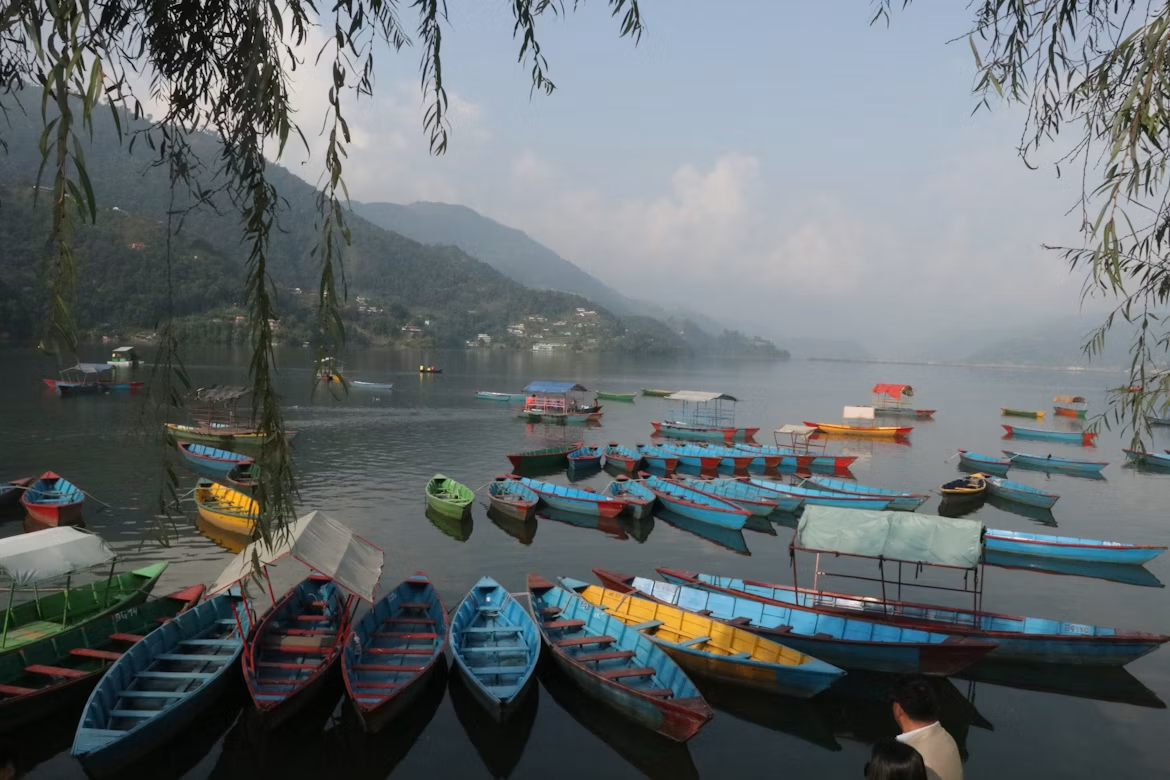
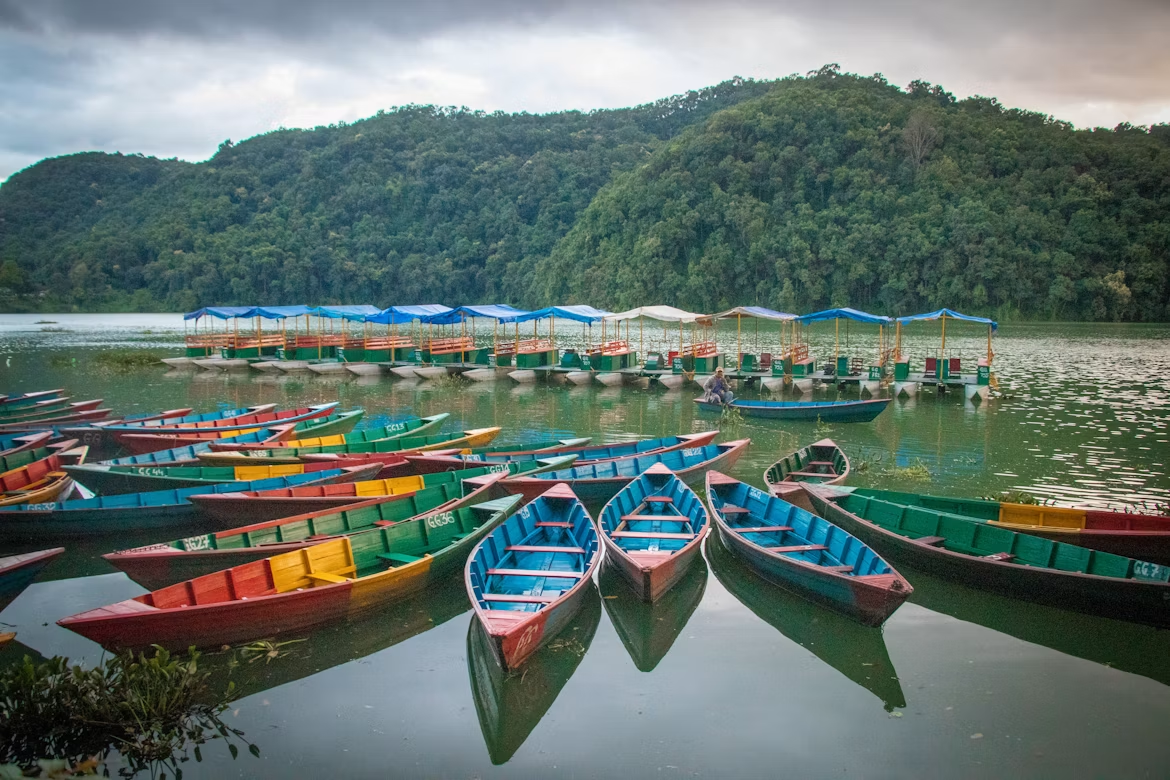
Source: Paras Shrestha / Unsplash, Moody and magnificent, the dramatic atmosphere of Phewa Lake during the height of the monsoon.
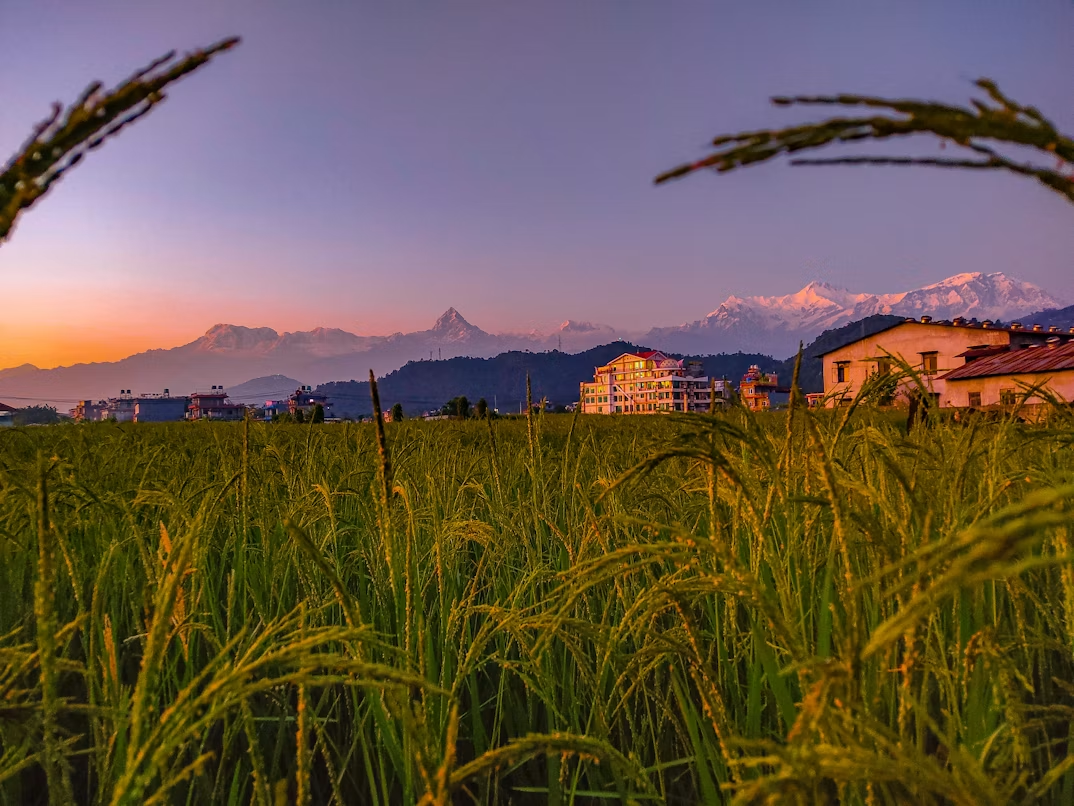
Pokhara in June sits at the front edge of Nepal's southwest monsoon. Daytime temperatures range from 22°C to 30°C, humidity climbs above 80%, and rainfall totals between 500–700 mm across the month. Mornings are often clear; afternoons bring thunderstorms. Mountain views are sporadic but spectacular when they appear.
Monthly Climate Snapshot
A little inspiration for your next trip
Get travel ideas and local experiences from My Easy Guide in your inbox.
Spam free. Unsubscribe anytime. We respect your privacy.
Metric
Early June (1–15)
Late June (16–30)
Avg High Temp
30–32°C
27–29°C
Avg Low Temp
20–22°C
21–23°C
Rainfall
150–250 mm
350–450 mm
Humidity
70–80%
85–95%
Rainy Days
6–9 days
11–14 days
Mountain Visibility
Moderate (mornings)
Low to occasional
Understanding Monsoon Onset in Pokhara
Source: Shepherd / Unsplash, Nature's theater, watching powerful storm clouds sweep across the Pokhara valley.
Pokhara typically sees the monsoon arrive between June 10 and June 20, when moisture-laden clouds from the Bay of Bengal sweep up against the Annapurna massif. Because the Annapurnas force this air upward sharply, Pokhara records some of the highest rainfall in all of Nepal, often more than double what Kathmandu receives.
What this means practically: the first week of June still feels like a humid extension of May, with hot afternoons and brief evening showers. By the second week, the pattern shifts. You'll wake to clear skies, watch clouds build over the lake by midday, and listen to torrential rain hammer your hotel roof from late afternoon through the night.
The Daily Rhythm You Can Plan Around
Our field contacts in Pokhara consistently observe this micro-pattern during June:
10:00 AM – 1:00 PM: Clouds build. Humid but mostly dry. Good for cafe-hopping or museum visits.
1:00 PM – 5:00 PM: Heavy thunderstorm window. Plan indoor activities or massage spas.
5:00 PM – 9:00 PM: Rain often continues. Atmospheric Lakeside dining under awnings.
Overnight: Heaviest sustained rain. Brings the temperature down for sleeping.
Mountain Visibility: The Honest Truth
Don't come to Pokhara in June expecting postcard Annapurna views all day. You'll see the mountains Machhapuchhre (6,993 m), Annapurna South (7,219 m), and Annapurna II (7,937 m) on roughly 8–12 mornings across the month, almost always before 9 AM.
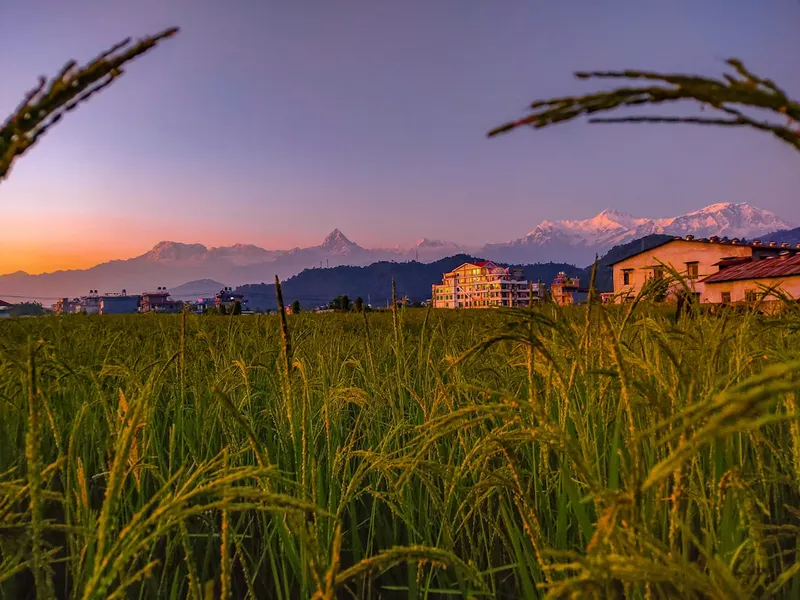
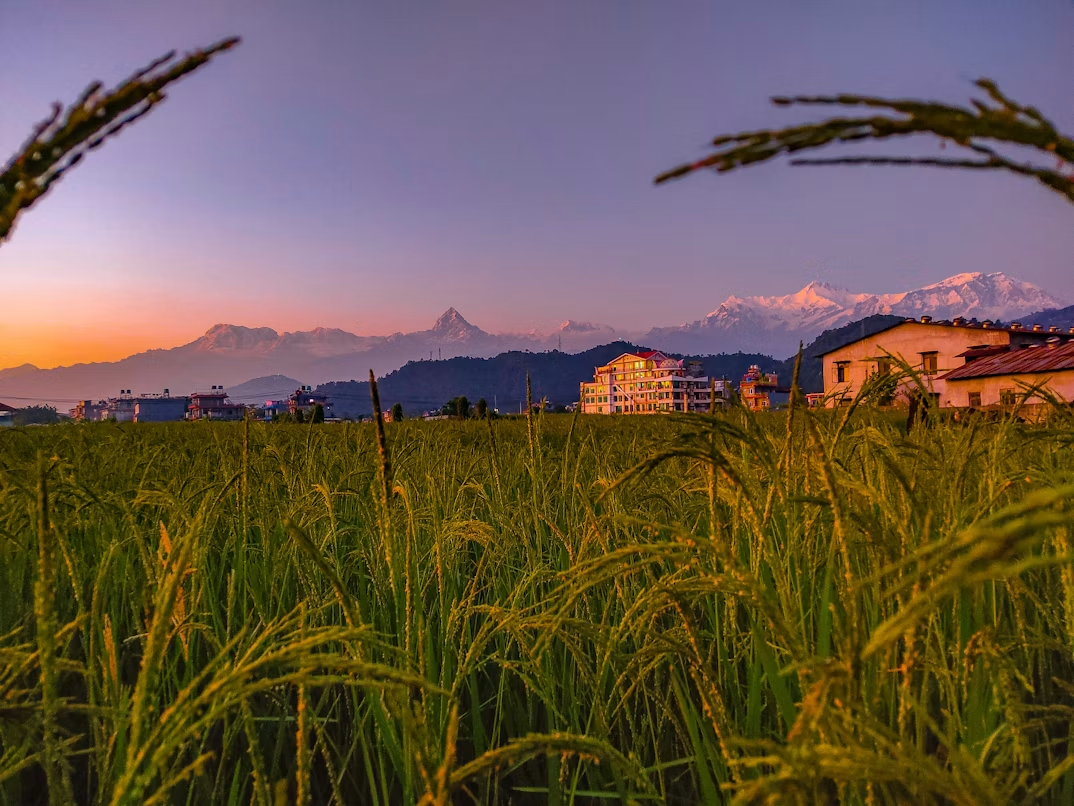
When the clouds do break, the views are arguably more dramatic than in autumn. Fresh snowfall on the peaks, swirling mist below, and emerald rice paddies in the foreground create scenes that Instagram cannot replicate. Set your alarm for 4:30 AM, grab a taxi to Sarangkot (~NPR 1,500–2,000 round trip), and roll the dice.
What Still Works in Pokhara in June
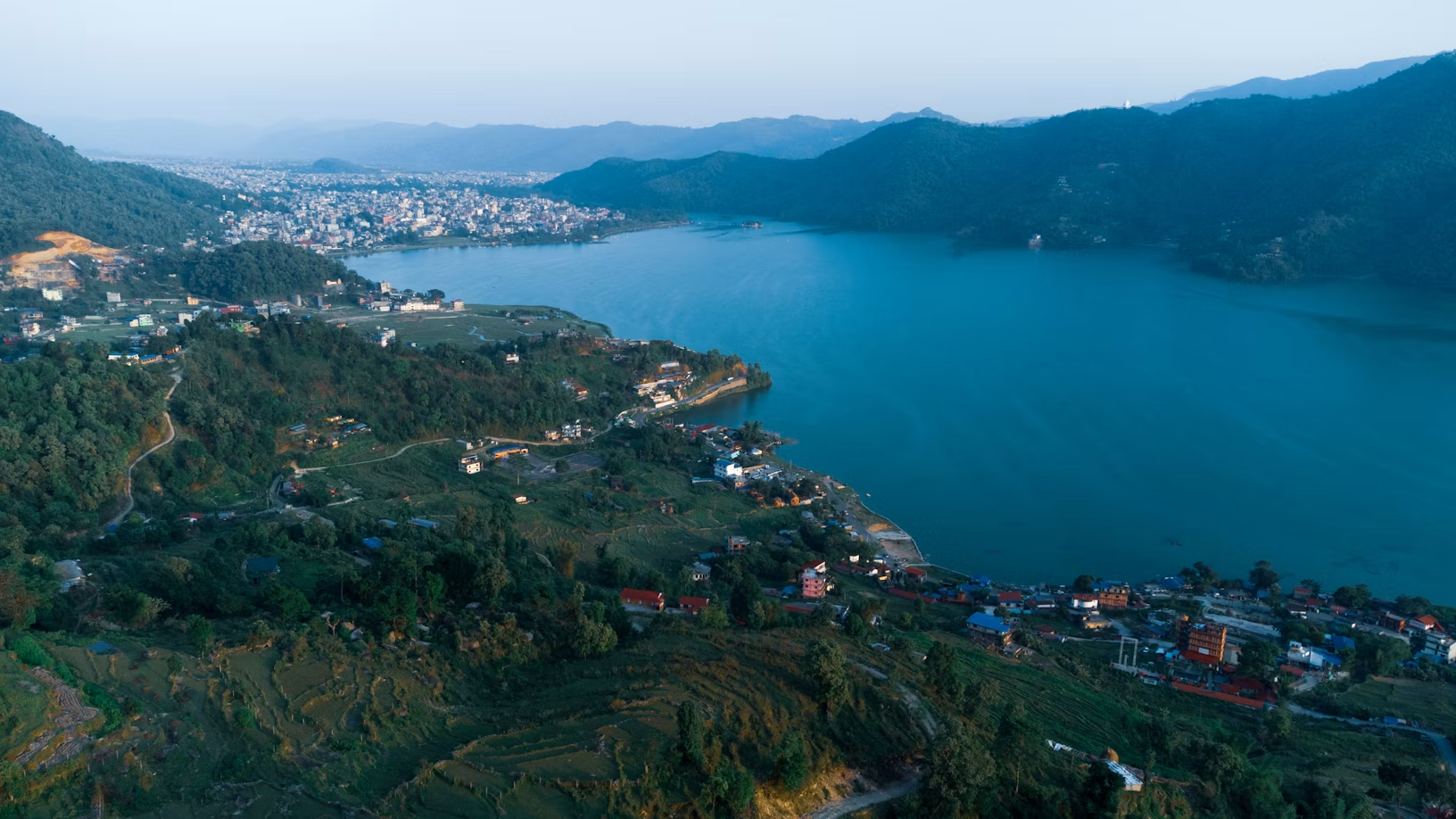
Source: Titas Gurung / Embracing the summer rains: The vibrant, lush landscapes of Pokhara in June.
Lake & City Activities
Most of Pokhara's core attractions function normally. Phewa Lake boating, the World Peace Pagoda hike, Davis Falls, Gupteshwor Cave, and the International Mountain Museum are all weather-resilient. Lakeside's cafes, bars, and Thamel-style shopping streets actually feel more atmospheric in the rain.
Adventure Sports
Paragliding operates on a reduced schedule, typically only in the 9:00 AM – 11:00 AM window when thermals stabilize. Many commercial pilots stop flying entirely from mid-June through August. Ziplining and bungee at the High Ground continue most days but pause during active storms. Whitewater rafting on the Seti and Trishuli rivers becomes more intense exciting for experienced rafters, risky for first-timers.
Short Treks Around Pokhara
Low-altitude treks remain viable with a licensed guide (mandatory in all Annapurna Conservation Area trails as of 2026):
Australian Camp & Dhampus: 1–2 day walk, max elevation 2,065 m.
Panchase Hill: 2–3 day loop through rhododendron forest.
Mardi Himal Base Camp: 4–5 day trek peaking at 4,500 m leeches present but trails passable.
If you want serious trekking during monsoon, base yourself in Pokhara and fly to Jomsom. Upper Mustang sits in the Himalayan rain shadow north of the Annapurnas, receiving almost no monsoon rainfall. June is genuinely one of the best months to trek this restricted region. You'll need a Restricted Area Permit (USD 500 for the first 10 days), an ACAP permit (NPR 3,000), and a licensed guide. As of the March 2026 rules, solo trekkers can now obtain the RAP, but the guide requirement remains mandatory with a 1:7 guide-to-trekker ratio cap.
Required Permits for June Trekking from Pokhara
Even in monsoon, permits are non-negotiable. Standard regional trekking requires the ACAP permit (NPR 3,000 for SAARC nationals, NPR 3,000 for others) and the e-TIMS card (NPR 2,000). Both are issued by the Nepal Tourism Board office in Damside, Pokhara. Restricted regions require additional fees and a registered agency.
What Doesn't Work Well in June
High-altitude Annapurna Circuit crossings: The Thorong La Pass (5,416 m) is technically open but visibility, snowmelt, and landslide risk make it inadvisable.
Annapurna Base Camp: Trail is open but avalanche risk in the Modi Khola gorge increases significantly. Some lodges close.
Domestic flights: Pokhara–Jomsom and other mountain flights face frequent cancellations. Build 1–2 buffer days into any flight-dependent plan.
Road travel: The Prithvi Highway (Kathmandu–Pokhara) experiences landslides. The drive can stretch from 6 hours to 10+ hours after heavy rain.
The Leech Reality
Let's be direct: if you trek the foothills around Pokhara in June, you will encounter leeches. They're harmless but unpleasant. Wear leech socks (sold in Lakeside for NPR 300–500), tuck pants into socks, treat boots with salt or DEET spray, and check yourself at every break. They don't transmit disease and detach easily with a fingernail flick, don't burn them or yank them off.
Packing Essentials for Pokhara in June
Item
Why You Need It
Quality rain jacket (Gore-Tex)
Daily afternoon downpours; ponchos tear in wind
Quick-dry pants & shirts
Cotton stays wet for days in 90% humidity
Waterproof trekking shoes or trail sandals
Wet boots; blisters within hours
Dry bag (10–20L)
Protects phone, passport, cash, camera
Leech socks
Mandatory for any foothill trek
DEET-based insect repellent
Mosquitoes thrive in Lakeside humidity
Reusable water bottle + filter
Skip plastic bottles; refill anywhere
Power bank
Outages common during storms
Connectivity, Cash & Practical Logistics
Pokhara has reliable ATMs, Wi-Fi, and mobile coverage throughout Lakeside, Damside, and the town center. For SIM cards, Ncell delivers excellent coverage across Pokhara and into the Annapurna region, pick one up at the Pokhara airport or any Lakeside shop for around NPR 500–1,000 with a data package. If you're heading toward Manaslu or remote zones, swap to Nepal Telecom (NTC).
Carry enough Nepalese Rupees if you're trekking. ATMs disappear past Jomsom and other trailhead towns. Hot showers, device charging, and Wi-Fi at trail lodges typically cost NPR 200–700 per use.
Food & Health in Monsoon
Humidity speeds food spoilage. Stick to freshly cooked meals, avoid street food that's been sitting out, and prioritize Dal Bhat, Nepal's national plate of lentils, rice, and vegetable curry. It comes with free refills, costs NPR 400–800 in Pokhara restaurants, and is the safest, cleanest fuel for active days. Drink only filtered or treated water; UV purifiers and Sawyer filters work well in Pokhara's high-sediment monsoon water.
Cost Advantages of June Travel
Source: Nirajan Dhakal / Unsplash, The reward after the storm: Brilliantly clear mountain vistas washed clean by monsoon rain.
Pokhara discounts heavily in June. Mid-range hotels in Lakeside that charge $60–80 USD in October drop to $25–40 USD. Guesthouses run as low as $10–15 USD. Restaurant lines disappear. Boat rentals on Phewa Lake negotiate down to NPR 500–700 per hour. You'll also have entire viewpoints, Sarangkot, World Peace Pagoda essentially to yourself.
For Nepal visas, plan ahead: a 15-day visa costs $30 USD, 30 days costs $50 USD, and 90 days costs $125 USD, all available on arrival at Tribhuvan International Airport.
Cultural Etiquette While You're Around
If you visit monasteries around Pokhara like the Tibetan settlements at Tashi Palkhel or Tashiling, remove your shoes and hat before entering. Pass mani stones and stupas on the left, walking clockwise. Photography inside prayer halls requires explicit permission from a resident monk. At the end of any guided activity, tipping is culturally expected; budget 15–20% of your trek or tour cost for the crew.
Should You Visit Pokhara in June?
Come to Pokhara in June if you want quiet, green, atmospheric Nepal at a discount, and if you're flexible enough to chase weather windows rather than schedule rigidly. Skip it if your priority is guaranteed mountain panoramas, classic high-altitude trekking, or paragliding every day. The shoulder activities lakes, caves, short treks, Mustang access, food, and culture are all on the table.
Frequently Asked Questions
Is it worth visiting Pokhara in June?
Yes, if you accept the rain trade-off. June offers fewer crowds, lush green hills, dramatic skies, and lower lodge rates. Mornings are often clear until 10 AM, giving you mountain views, paragliding windows, and lake activities before afternoon showers arrive.
How much does it rain in Pokhara in June?
Pokhara receives roughly 500–700 mm of rainfall across June, with most precipitation falling in late evening and overnight. Early June is typically drier, while the last 10 days see full monsoon activation with daily afternoon thunderstorms.
Can you still trek the Annapurna region in June?
Short low-altitude treks like Mardi Himal, Poon Hill, and Australian Camp remain feasible with a licensed guide. For monsoon-proof trekking, Upper Mustang in the Himalayan rain shadow is the premier June destination.
Is paragliding available in Pokhara in June?
Paragliding operates on a reduced schedule in June, typically only during stable morning windows between 9 AM and 11 AM. Many commercial operators pause flights mid-June through August due to thermal instability and storm risk.
Are there mosquitoes or dengue risk in Pokhara in June?
Mosquitoes increase noticeably in June, and Pokhara has reported dengue cases in recent monsoons. Use DEET repellent, sleep under nets if your lodge provides them, and wear long sleeves at dusk. Risk is moderate, not severe basic precautions are sufficient.
What's the road condition between Kathmandu and Pokhara in June?
The Prithvi Highway remains open but landslides are frequent. The drive normally takes 6–7 hours but can extend to 10+ hours. Consider the 25-minute domestic flight as a backup, budgeting a buffer day for weather cancellations.