Best Time to Visit Nepal: Weather, Seasons & Travel by Month
My Easy Guide
Pick the wrong month, and Everest might hide behind clouds your whole trip. Your Pokhara lake view turns into a gray wall. Your jungle safari gets washed out. Your bus waits hours behind a landslide.
Now picture the right month. Sharp peaks against blue sky. Rhinos grazing in plain sight. Streets glowing with festival lamps. Trails dry and lodges ready for you.
The difference is timing. And Nepal doesn’t have just one perfect season. It has a best season for your trip. This guide shows you which month fits what you want, with real weather, crowds, and tips for each.
Quick Answer: When Is the Best Time to Visit Nepal?
The best time to visit Nepal is October to November and March to April. These months bring clear skies, dry trails, and mild temperatures. They’re ideal for trekking, safaris, and sightseeing.
October is the single best month for mountain views. April is best if you want warm days and blooming forests. Winter (December to February) is great for safaris and city tours. Monsoon (June to September) suits budget travelers and rain-shadow treks in Upper Mustang.
Nepal’s Weather Explained: Why Altitude Changes Everything
Here’s what most guides skip. Nepal’s weather depends more on height than on the calendar. The country climbs from 60 meters to 8,849 meters in under 200 km. So on the same day, you can sweat in the jungle and freeze in the mountains.
The Terai (lowlands, below 1,000 m): Hot and humid. Home to Chitwan and Bardia. Summer can top 38°C. Winter mornings are foggy and cool.
The Hills (1,000 to 3,000 m): Mild most of the year. Kathmandu (1,400 m) and Pokhara (800 m) sit here. Pleasant days, cool nights.
The Mountains (above 3,000 m): Cold, dry, and windy. Nights drop below freezing for most of the year. Above 5,000 m, winter nights can hit −20°C or colder.
So before choosing a month, ask: Where am I going, and how high?
Nepal’s Four Seasons at a Glance
Temperatures are approximate averages.
Best Time to Visit Nepal by What You Want
Autumn (Late September to November): Nepal at Its Best
When the monsoon rains stop, they leave the air spotless. That’s why autumn gives Nepal its sharpest mountain views of the year. Days are warm and sunny. Nights are cool. Trails are dry.
In the cities: Kathmandu, Patan, and Bhaktapur feel alive. Dashain and Tihar, Nepal’s two biggest festivals, fall in this season. Expect kites in the sky, swings in villages, and oil lamps on every doorstep. Just know that some offices and buses pause for a few days around the main festival dates.
For safaris: The jungle starts drying out after the rains. Trails reopen, and wildlife becomes easier to find.
For trekking: This is peak season. Classic routes like Everest Base Camp and the Annapurna Circuit are at their best. It’s also the busiest time. Lodges fill up and mountain flights sell out early.
For rafting: Rivers are full but calmer after the monsoon. It’s a top season for combining a trek with a rafting trip.
Watch out for: Crowds and higher prices. Book flights, permits, and popular lodges 2 to 3 months ahead.
Spring (March to May): Blooms, Warmth and Big Climbs
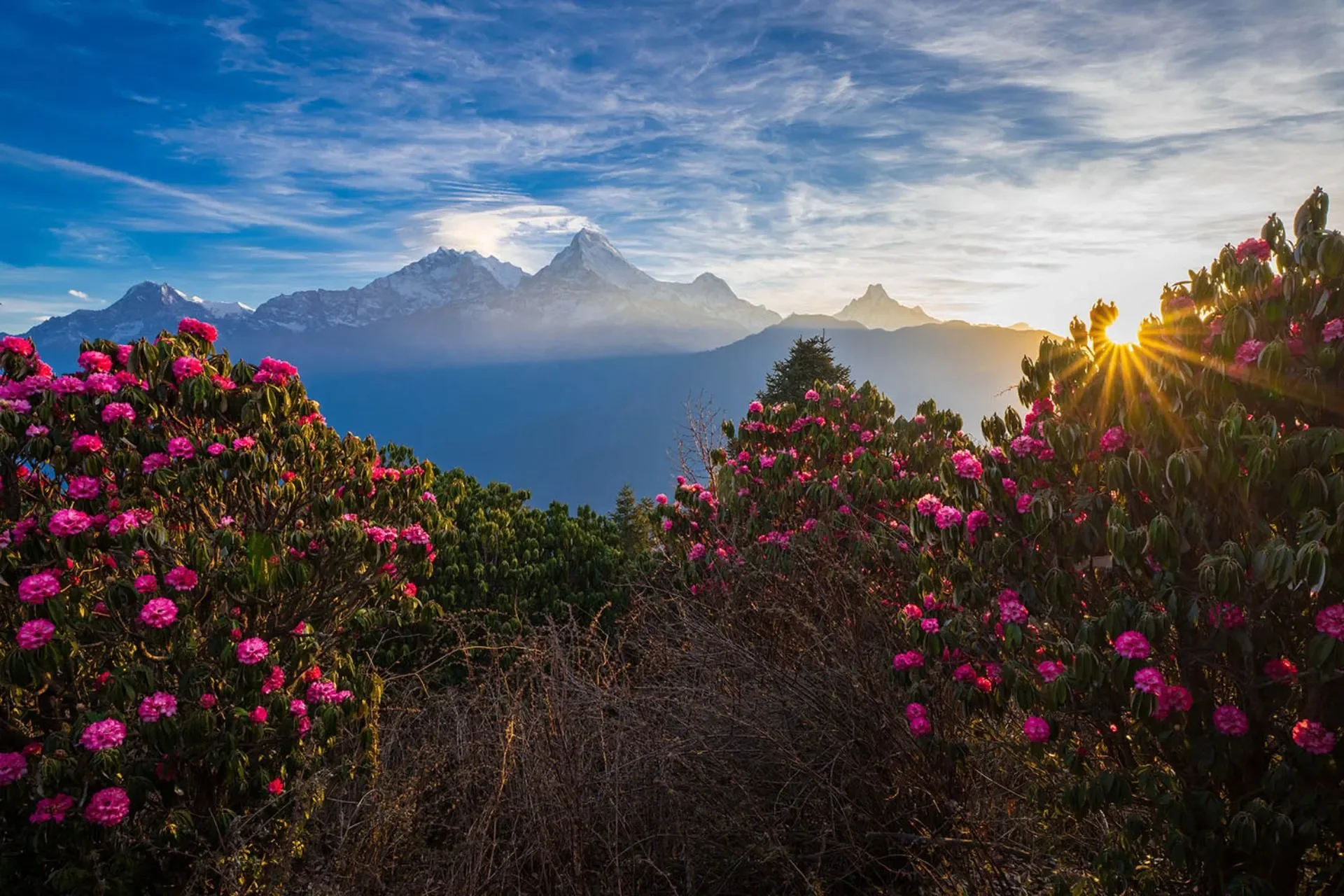
Spring is Nepal’s second-best season, and many travelers’ favorite. Forests between 1,500 and 3,500 meters burst into red, pink, and white as the rhododendron, Nepal’s national flower, blooms.
In the cities: Days are warm and bright, perfect for walking tours and rooftop cafes. Nepal’s own New Year arrives in mid-April, with lively celebrations in Bhaktapur.
For safaris: Spring is excellent. Tall grass gets cut in the parks by early spring, so animals are easier to see. April and May bring the best odds of spotting a tiger, as animals gather near water.
For trekking: Spring is the main season for Everest expeditions. Base Camp fills with colorful climbing tents, which is a sight on its own. Temperatures at high altitude are warmer than autumn.
Watch out for: By May, haze and heat build in the lowlands. Mountain views are clearest in the early morning, so start your day at sunrise. The Terai can feel scorching by late May.
Monsoon (June to Mid-September): Green, Quiet and Underrated
Monsoon usually arrives in mid-June and fades by late September. Expect heavy rain, sticky air, and muddy trails across most of the country. Mountains often hide behind clouds. But it’s not a lost season.
In the cities: Rain usually comes in bursts, often in the afternoon or overnight. Mornings can be clear enough for sightseeing. Hotels drop prices, and famous sites feel calm and uncrowded. Everything turns a deep, fresh green.
For safaris: Many jungle activities slow down or stop, and some lodges close. Rivers rise and trails flood. It’s not the time for Chitwan.
For trekking: Most classic routes turn slippery, with leeches below 3,000 meters and landslide risk on roads. The big exception is the rain-shadow zone. The Himalayas block the clouds, so Upper Mustang and Upper Dolpo stay dry and sunny all summer.
Watch out for: Flight cancellations, road blocks, and limited views. Add extra buffer days if you travel now.
Winter (December to February): Crisp, Clear and Calm
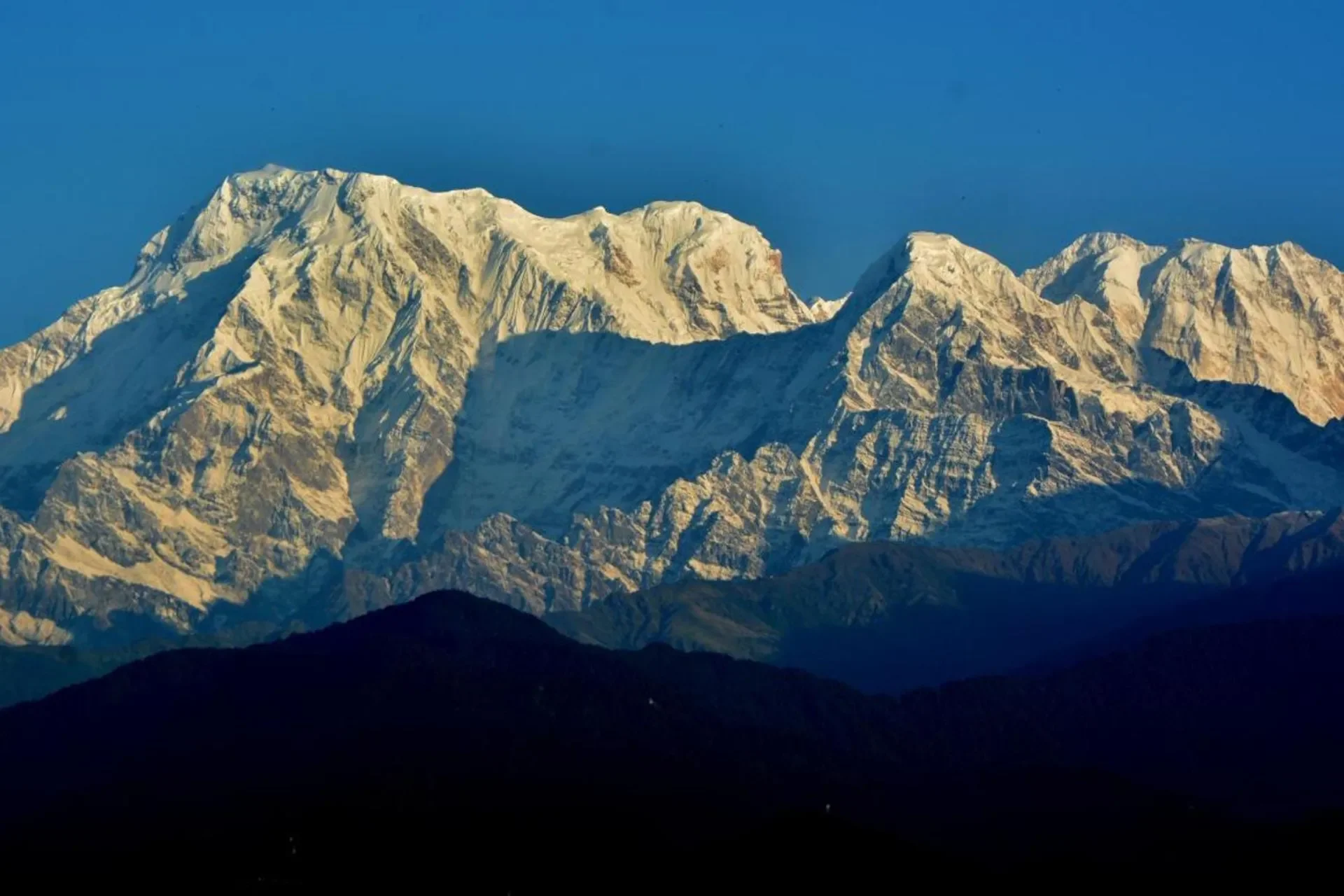
Winter brings some of the bluest skies of the year, with far fewer tourists. The air is cold and dry, which makes for amazing sunrise views.
In the cities: Mornings are chilly, often near freezing, but afternoons are sunny and pleasant. Viewpoints like Nagarkot and Sarangkot shine at dawn. It’s a great time for temples and museums without the crowds.
For safaris: This is one of the best times for Chitwan and Bardia. Cool weather makes jungle walks and canoe rides comfortable. Early mornings can be foggy, but the fog lifts by late morning.
For trekking: Lower routes like Poon Hill, Ghorepani, and Khopra Ridge are perfect. Higher passes, like Thorong La and Larkya La, can close after heavy snow. Some remote lodges shut until spring.
Watch out for: Serious cold above 3,500 meters. Pack a warm down jacket and a sleeping bag rated to at least −15°C if you trek high.
Spring vs Autumn: Which Is Better?
Both are excellent. The best choice depends on what matters most to you.
Choose autumn for the clearest views and big festivals. Choose spring for flowers, warmer nights, and the buzz of Everest climbing season.
Nepal Weather by Month
Approximate averages. Festival dates follow the lunar calendar and change every year.
Best Time for Popular Treks in Nepal
Everest Base Camp: October–November and April–May. Autumn gives clearer views. Spring brings milder nights and climbers at base camp. Wondering about lodges in peak season? Here’s our honest take on whether you need to book EBC teahouses in advance.
Annapurna Base Camp: October–November and March–April. Avoid heavy snow months, when the trail near Deurali can face avalanche risk.
Annapurna Circuit: October–November is ideal. Spring works too. The Thorong La Pass (5,416 m) can close in mid-winter. Adding a side trip to Tilicho Lake? Autumn is the safest time.
Manaslu Circuit: September–November and March–May. The high point, Larkya La, is risky in winter snow.
Langtang Valley: October–November and March–May. Close to Kathmandu and great for shorter trips. See the real Langtang trek costs before planning.
Upper Mustang: June–August is its star season, thanks to the rain shadow. Spring and autumn also work.
Poon Hill: Almost year-round. A top pick for winter.
Remember: most trekking regions in Nepal require a licensed guide. And whatever the season, altitude is the biggest risk. Learn the signs of HACE and HAPE and when to descend before you go.
Nepal Festival Calendar: Plan Around the Celebrations
Festivals can be the highlight of a trip. They can also close offices and fill buses. Here’s when the big ones usually fall:
Losar (Tibetan/Sherpa New Year): January–March. Monasteries host dances and prayers.
Holi: March. Colorful powder fights in the streets. Wear old clothes!
Nepali New Year and Bisket Jatra: Mid-April. Chariot pulling in Bhaktapur.
Buddha Jayanti: May. Celebrations at Boudhanath, Swayambhu, and Lumbini.
Teej: August–September. Women in red saris sing and dance at Pashupatinath.
Indra Jatra: September. Masked dances and the Kumari’s chariot ride in Kathmandu.
Dashain: September–October. Nepal’s biggest festival. Families reunite, and many businesses close for days.
Tihar: October–November. Festival of lights, with days honoring crows, dogs, and cows.
Mani Rimdu: October–November. Masked monk dances at Tengboche Monastery on the Everest trail.
Festival dates shift every year. Check a local calendar app like Hamro Patro before booking.
Worst Time to Visit Nepal
There’s no truly bad month to visit Nepal. But some months are bad for certain trips.
Mid-June to August is the worst time for classic high treks. Rain, leeches, landslides, and cloudy peaks make Everest and Annapurna routes tough. Domestic flights often get canceled.
December to February is risky for high passes. Snow can close Thorong La and Larkya La, and nights at high camps get brutally cold.
Late May to June can be uncomfortable in the Terai. Chitwan often passes 38°C before the rains cool things down.
The main days of Dashain can be tricky if you need offices, banks, or buses. Many Nepalis travel home, and services slow down.
How to Choose Your Travel Month
Before you lock in dates, ask yourself these questions:
What’s my main goal? Trekking, safari, culture, or a mix?
How high will I go? Higher routes need stricter timing.
Do I want views or deals? Peak season costs more but delivers more.
Am I okay with crowds? October and April are busiest.
Will a festival affect my plans? Great for culture, tricky for logistics.
Do I have buffer days? Always keep 1 to 2 spare days for weather delays.
Planning to pair a trek with wildlife? Here’s how to combine Annapurna or EBC with a Chitwan safari.
Frequently Asked Questions
What is the best month to visit Nepal?
October is the top month for clear views and dry trails. April comes second, with warm weather and rhododendron forests in full bloom.
What is the best season for trekking in Nepal?
Autumn (October–November) and spring (March–April). Both offer stable weather, dry paths, and great Himalayan views. Winter works for lower treks only.
Is it worth visiting Nepal during monsoon?
Yes, if you plan well. Cities are green and quiet, prices drop, and Upper Mustang stays dry. Skip classic high treks and jungle safaris.
Is Nepal too cold in winter?
Not in the cities. Kathmandu days reach about 20°C, though mornings are near freezing. Above 3,500 meters, it gets seriously cold at night.
When is the best time for a Chitwan safari?
October to April. For the best chance of seeing tigers, go in April or May, when grass is short and animals stay near water.
When can I see the clearest mountain views?
October and November. Post-monsoon air is clean, and skies stay clear for days. Winter mornings also bring sharp, stunning views.
What is the cheapest time to visit Nepal?
June to August and December to February. Hotels and tours often lower prices, and you’ll find more open rooms on popular routes.
When is Nepal most crowded?
October is the busiest month, followed by April. Book flights, permits, and lodges two to three months ahead in these months.
Find Your Perfect Season in Nepal
Nepal changes with every season, and each one has its own magic. Autumn gives you crystal-clear peaks and joyful festivals. Spring paints the hills in bloom. Winter brings quiet trails and golden sunrises. Even monsoon has its green, peaceful charm.
The best time to visit Nepal is the one that fits your goals. Choose what you want to see, match it to the right month, and Nepal will do the rest.
First trip to Nepal? Start with our Nepal travel guide for first-time visitors. Still unsure which month works for you? Tell us your plans, and our local team will help you pick the perfect season.
A little inspiration for your next trip
Get travel ideas and local experiences from My Easy Guide in your inbox.
Spam free. Unsubscribe anytime. We respect your privacy.