Prabesh Tamang
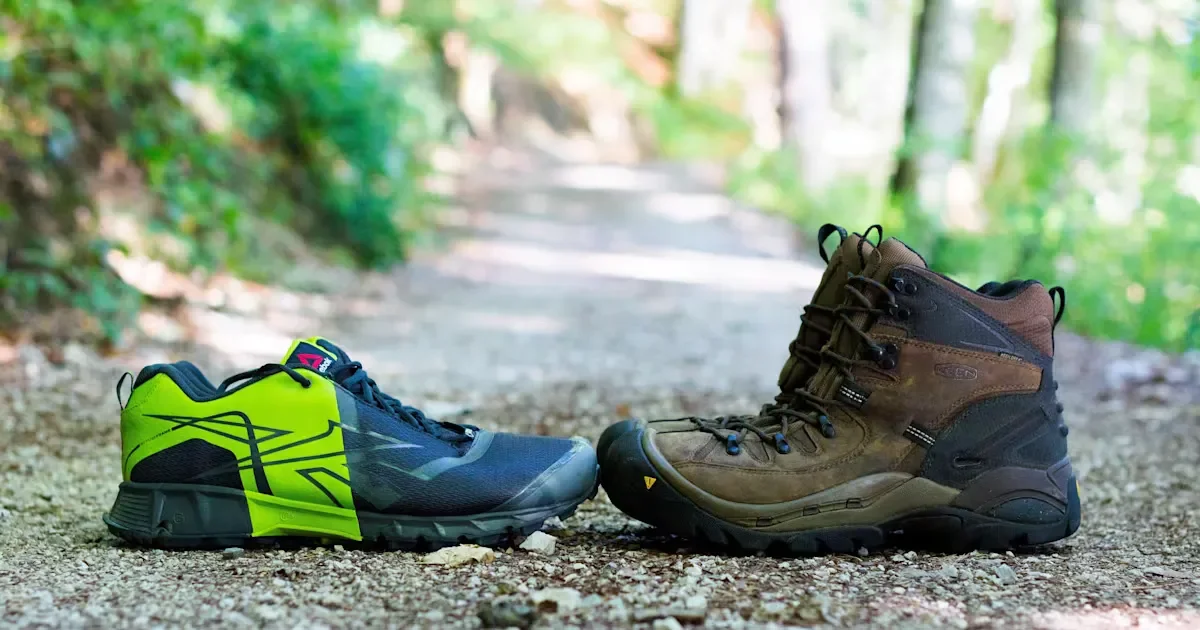
Stand at the edge of any teahouse courtyard in Namche Bazaar or Manang, and you will see the great footwear debate playing out in real time. One trekker is lacing up stiff leather boots that could survive a glacier. Beside them, a lean traveler is slipping on a pair of lightweight trail runners that look ready for a 10k road race. Both will walk the same trail tomorrow. Both think they made the right call.
Our licensed guides and field coordinators have seen this debate play out repeatedly across Nepal's trekking trails. The honest answer is that neither option wins outright. The right footwear depends on your route, the season, your pack weight, and your own ankles. This guide breaks down what actually works on Nepal's trails in 2026, free of marketing hype.
For most Nepal treks below 4,000 meters in dry seasons, lightweight trail runners are comfortable and fast. For high passes above 4,500 meters, snow conditions, heavy packs, or shoulder-season cold, waterproof mid- or high-cut boots remain the safer choice. Many seasoned trekkers now carry both and switch by terrain.
Nepal's classic routes are not smooth, groomed paths. You will face stone staircases worn slick by mule trains, loose moraine near base camps, exposed roots through rhododendron forest, and frozen morning ice on shaded switchbacks. Your footwear has to handle all of it.
On the lower sections of treks like the Ghorepani Poon Hill trek, trail runners breathe well and reduce fatigue on the endless stone steps. But push up toward a glacier crossing like the Cho La Pass and the calculus changes completely.
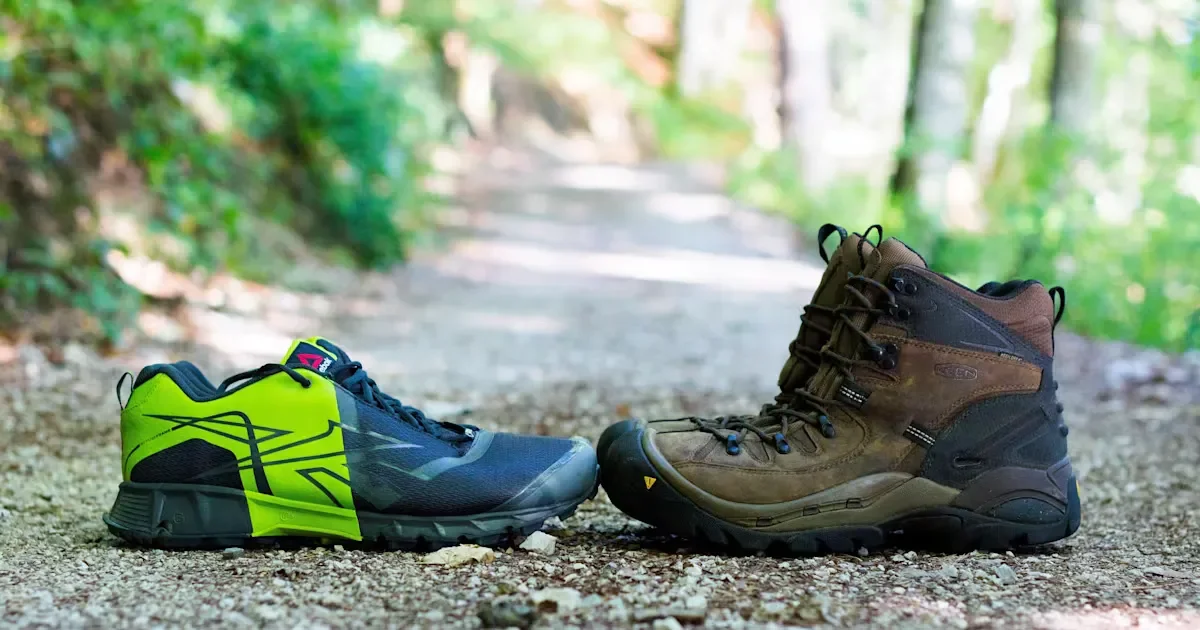

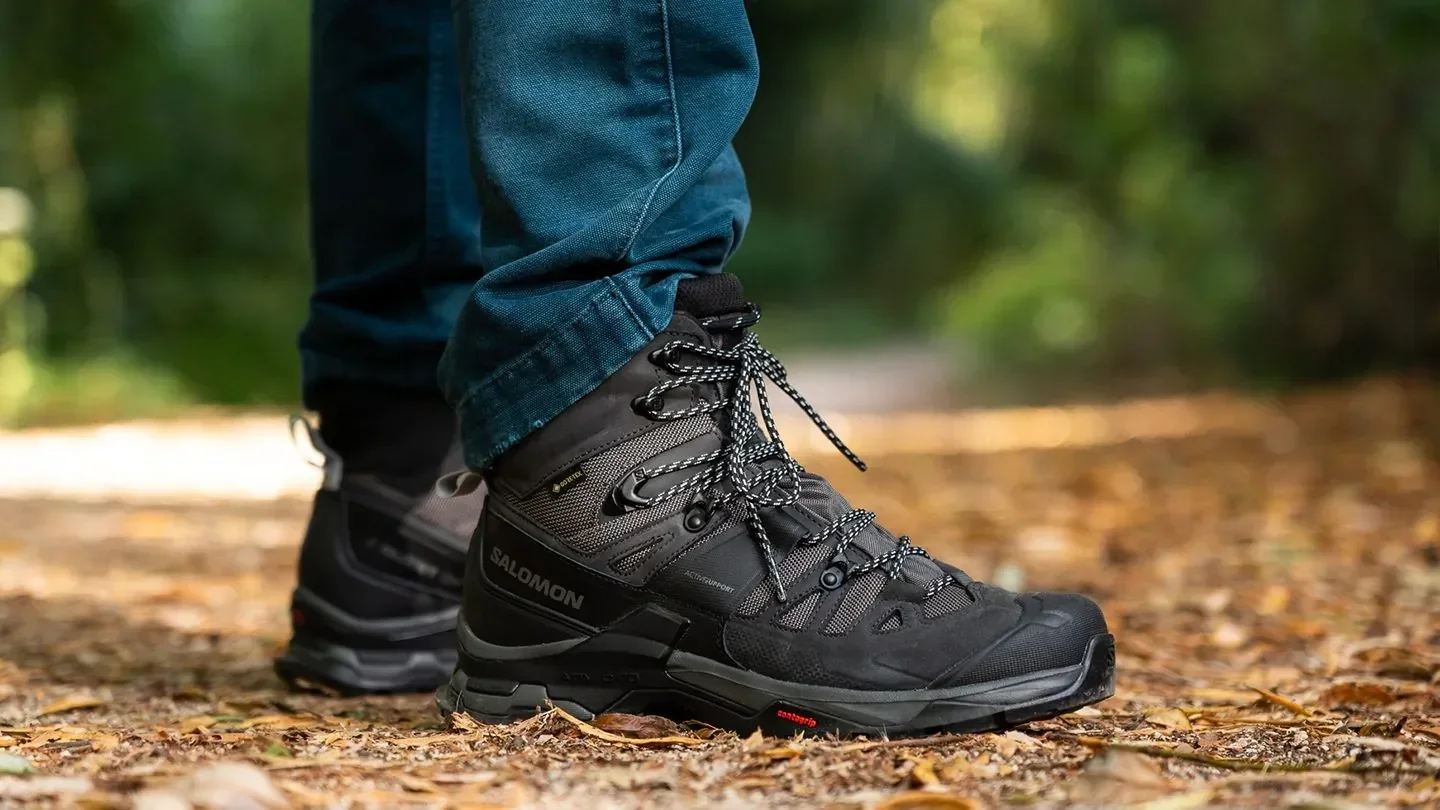
Trekking boots win on protection, warmth, and stability under load. A waterproof membrane keeps your feet dry through snowmelt, stream crossings, and slush. A stiff sole protects against sharp rocks, and a mid- or high-cut collar reduces the chance of a rolled ankle when you are tired and carrying weight.
The downside is real, though. Boots are heavier, hotter, and require a proper break-in period. Showing up to Lukla with brand-new boots is a recipe for blisters by Phakding. We always tell clients to log at least 50 kilometers in their boots at home first.

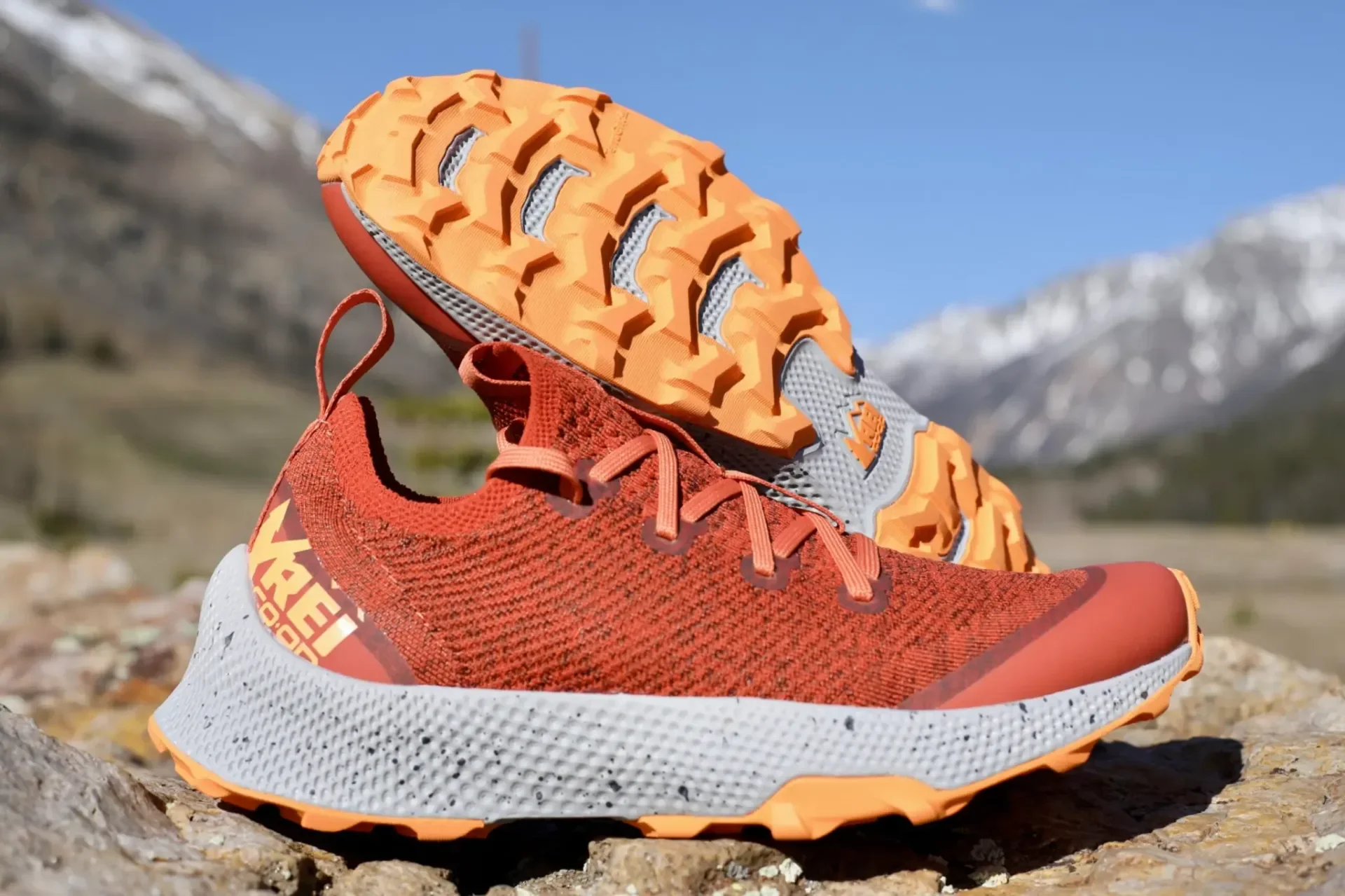
Trail runners have surged in popularity, and for good reason. They are light, breathable, dry faster after a stream splash, and require almost no break-in. On long days of relentless uphill and downhill, lighter feet mean less fatigue and more energy left for the views.
The trade-off: trail runners offer minimal ankle support, little insulation, and thin protection against sharp moraine. Cheap mesh shoes also wear out fast on abrasive Himalayan stone. Invest in a durable, grippy outsole rather than a budget road-running model.
The ultimate guide to planning your dream web travel adventure with the experts from myeasyguide.
Spam free. Unsubscribe anytime. We respect your privacy.
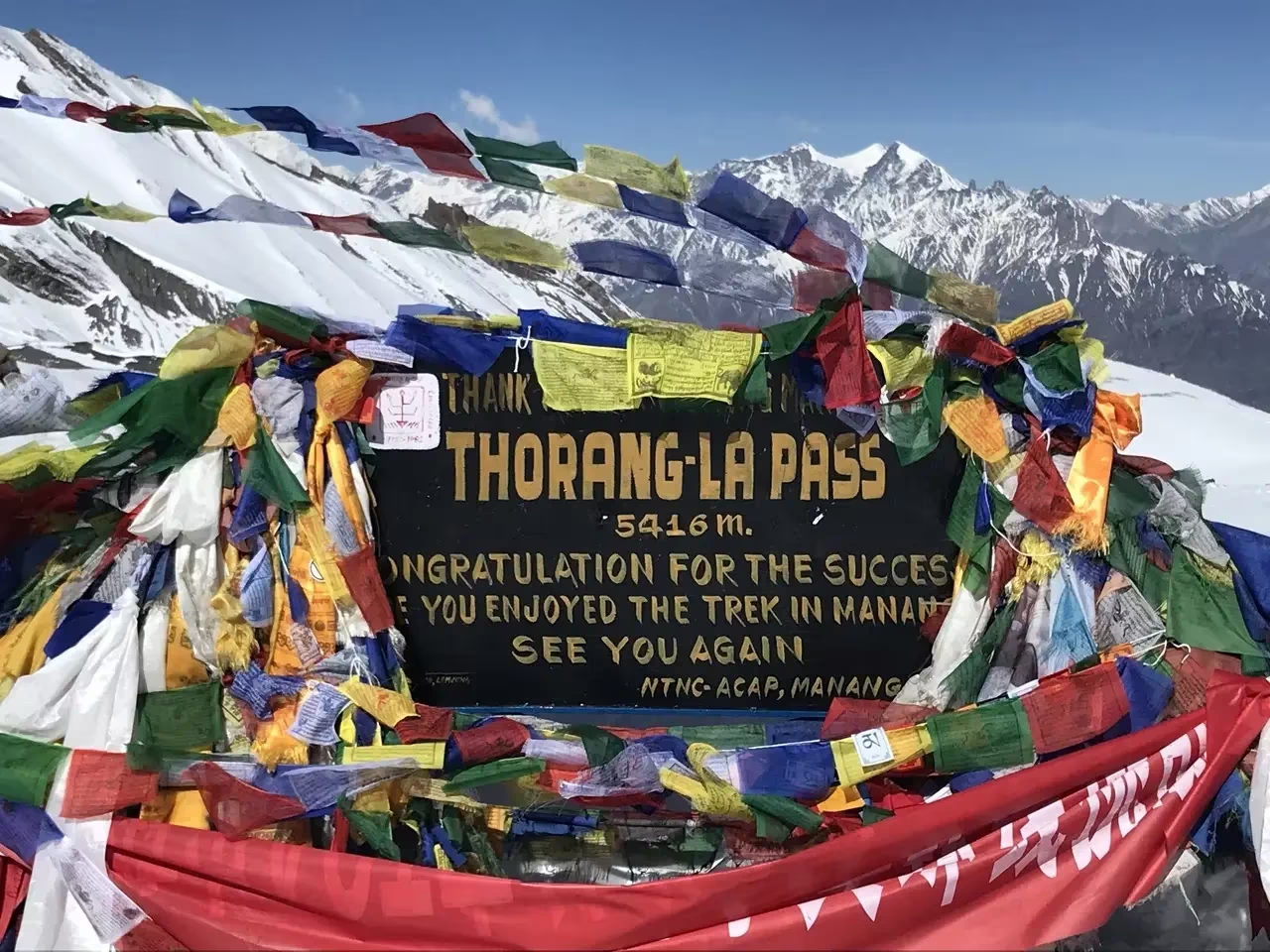
Here is what we increasingly see from repeat Nepal trekkers: they bring both. They wear trail runners for the long approach days at lower elevation, then switch to boots once snow, ice, and altitude enter the picture. On a route like the Thorong La Pass trek, that means runners through the early Marsyangdi valley and boots for the cold, high crossing.
This adds weight to your duffel, but if a porter carries your main bag, it is a low-cost insurance policy. At minimum, pack a pair of light camp shoes or sandals to give your feet relief at the teahouse each evening.
Half the blisters we see come from poor sock choices, not footwear. Use proper merino wool trekking socks, carry at least three pairs, and consider a thin liner sock to reduce friction. Wet cotton socks at altitude are a fast track to misery and cold-related injury.
Direct answer: your route dictates your footwear more than personal preference. Glacier and high-pass treks need boots; dry, lower forest and valley treks suit trail runners. Match the gear to the highest, coldest, wettest point of your itinerary, not the average.

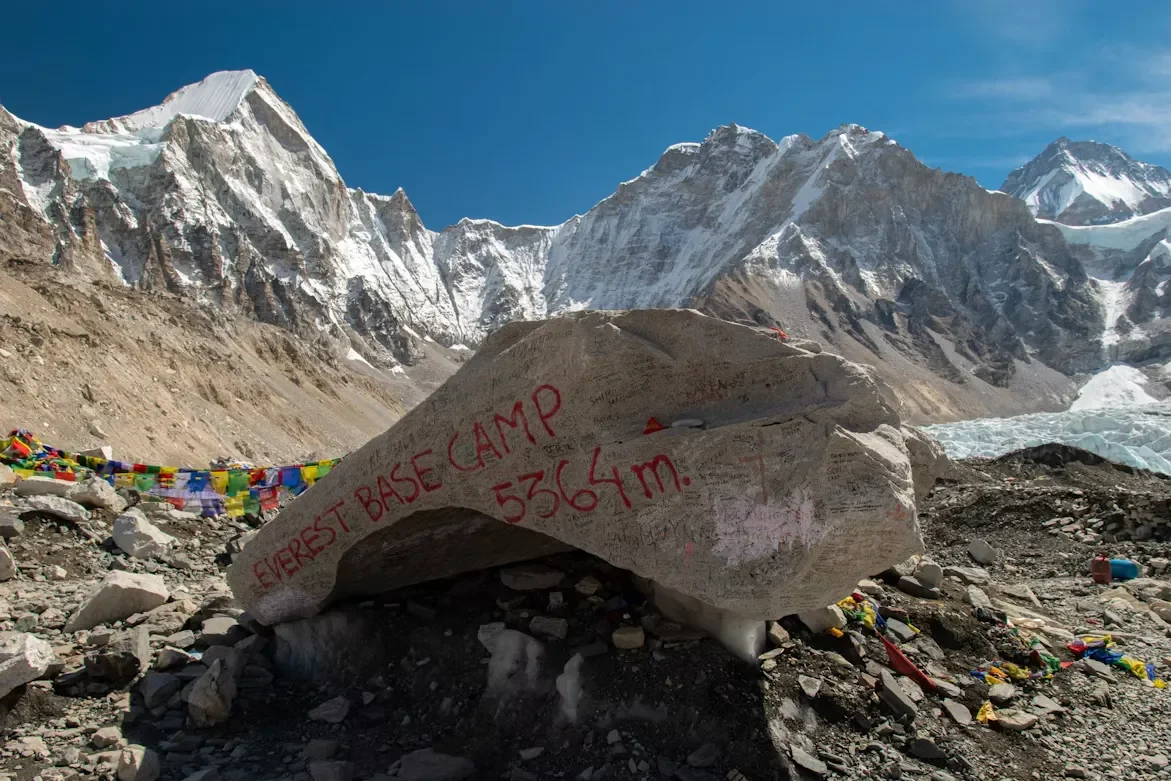
The Everest Base Camp trek reaches 5,364 meters at base camp with cold mornings and possible snow even in peak season. Trail runners work for fit trekkers in stable dry conditions, but boots are the conservative, safer pick. The Three Passes route with its high snowy crossings clearly demands insulated boots.

The lower Poon Hill and Annapurna Base Camp sanctuary trails work beautifully in trail runners during dry weather. Add the high Thorong La crossing and you need boots for that section. Be aware of the expanding jeep roads on the Annapurna Circuit; walk the alternative NATT foot trails to avoid dust and vehicle traffic.

For Manaslu, Upper Mustang, Tsum Valley, and Dolpo, footwear depends on season. Note the 2026 regulation update from Nepal's Department of Immigration: a single traveler can now obtain a Restricted Area Permit independently (the old two-person minimum is gone), but you still must hire a licensed guide, with one guide permitted to lead no more than seven trekkers.
As this rule is newly implemented, confirm current enforcement details with your agency before booking.
Footwear is only one piece of trek preparation. In the Khumbu, remember the region does not use the standard e-TIMS card. You pay the local Khumbu Pasang Lhamu Municipality fee of NPR 3,000 plus the Sagarmatha National Park Permit of NPR 3,000. Trekkers in the Khumbu region pay the Khumbu Pasang Lhamu Rural Municipality entrance fee (amount varies by nationality) in addition to the Sagarmatha National Park entry permit.
Permit requirements vary by region. Depending on your route, you may need conservation area permits, national park permits, local municipality fees, Restricted Area Permits, or TIMS where still applicable.
On the topic of safety, the right boots will not save you from altitude sickness. Above 3,000 meters, never increase your sleeping elevation by more than 300 to 500 meters per day, and build in acclimatization rest days at hubs like Namche Bazaar or Manang. Read our altitude sickness guide before you go.
Carry insurance that specifically covers high-altitude helicopter evacuation up to 6,000 meters and treatment for AMS, HAPE, and HACE. Carry travel insurance that specifically covers high-altitude helicopter evacuation up to your planned elevation and includes treatment for AMS, HAPE, and HACE. Many standard policies exclude these risks, so check your coverage carefully.
You can rent or buy boots in Kathmandu's Thamel district, but quality varies and used rental boots may not break in well to your feet. We strongly recommend bringing footwear you have already tested at home. If you must shop locally, see our notes on trekking rental gear and pack a full trek packing list before departure.
Whatever you wear on your feet, plan your logistics. Reliable ATM access becomes very limited beyond Namche Bazaar in the Everest region and beyond Jomsom in Mustang, so carry sufficient Nepalese Rupees before heading higher into the mountains.
Expect upcharges of 200 to 700 NPR per service for charging power banks, gas-heated hot showers, and Wi-Fi like Everest Link. For SIM cards, Ncell gives strong coverage on the Annapurna routes, while Nepal Telecom (NTC) is essential in the Everest region and remote zones.
As you walk, always pass mani walls, stupas, and chortens clockwise, keeping these sacred structures on your right. Remove shoes and hats before entering any monastery, and never photograph inside prayer halls without a resident monk's clearance.
In many Buddhist communities of the Khumbu, animal slaughter is traditionally discouraged, so much of the meat sold at higher elevations is transported from lower areas. Many trekkers therefore prefer vegetarian meals. Stick to fresh local carbohydrates and the classic Dal Bhat for clean, high-energy fuel with free refills. Learn more in our guide to teahouse food.
Skip bottled water to protect the environment. Carry a reusable bottle with a UV purifier, Sawyer squeeze filter, or chlorine dioxide drops. At trip's end, tipping your crew is culturally expected; a standard range is 10% to 15% of the total trek cost distributed among guides and porters.
If you are a first-time trekker heading to high altitude in a colder shoulder season carrying your own pack, choose waterproof boots and break them in. If you are a fit, experienced hiker on a dry-season lower-elevation route with a porter, trail runners will keep you light and happy. If you can manage the weight, bring both and switch by terrain. The mountains do not reward stubbornness; they reward preparation.
Yes, fit trekkers complete EBC in trail runners during stable dry weather. For spring snow near Gorak Shep or any glacier work, waterproof boots are safer. First-timers carrying weight above 4,000 meters should choose boots.
Ankle support matters most on uneven, rocky terrain under a backpack. Trekkers prone to rolled ankles benefit from mid- or high-cut boots. Strong, experienced hikers often manage well in trail runners.
No. Standard mesh trail runners lack insulation and dry slowly when wet. For Thorong La (5,416 meters) or Cho La (5,420 meters) in cold seasons, insulated waterproof boots are far safer.
Aim for at least 50 kilometers of walking at home before your trek. New boots out of the box almost guarantee blisters within the first days on the trail.
Yes, in Thamel, but quality and fit vary and rentals may not break in well to your feet. We recommend bringing tested footwear from home whenever possible.
Use merino wool trekking socks with optional thin liner socks to reduce friction. Carry at least three pairs and keep them dry to prevent blisters and cold injury.
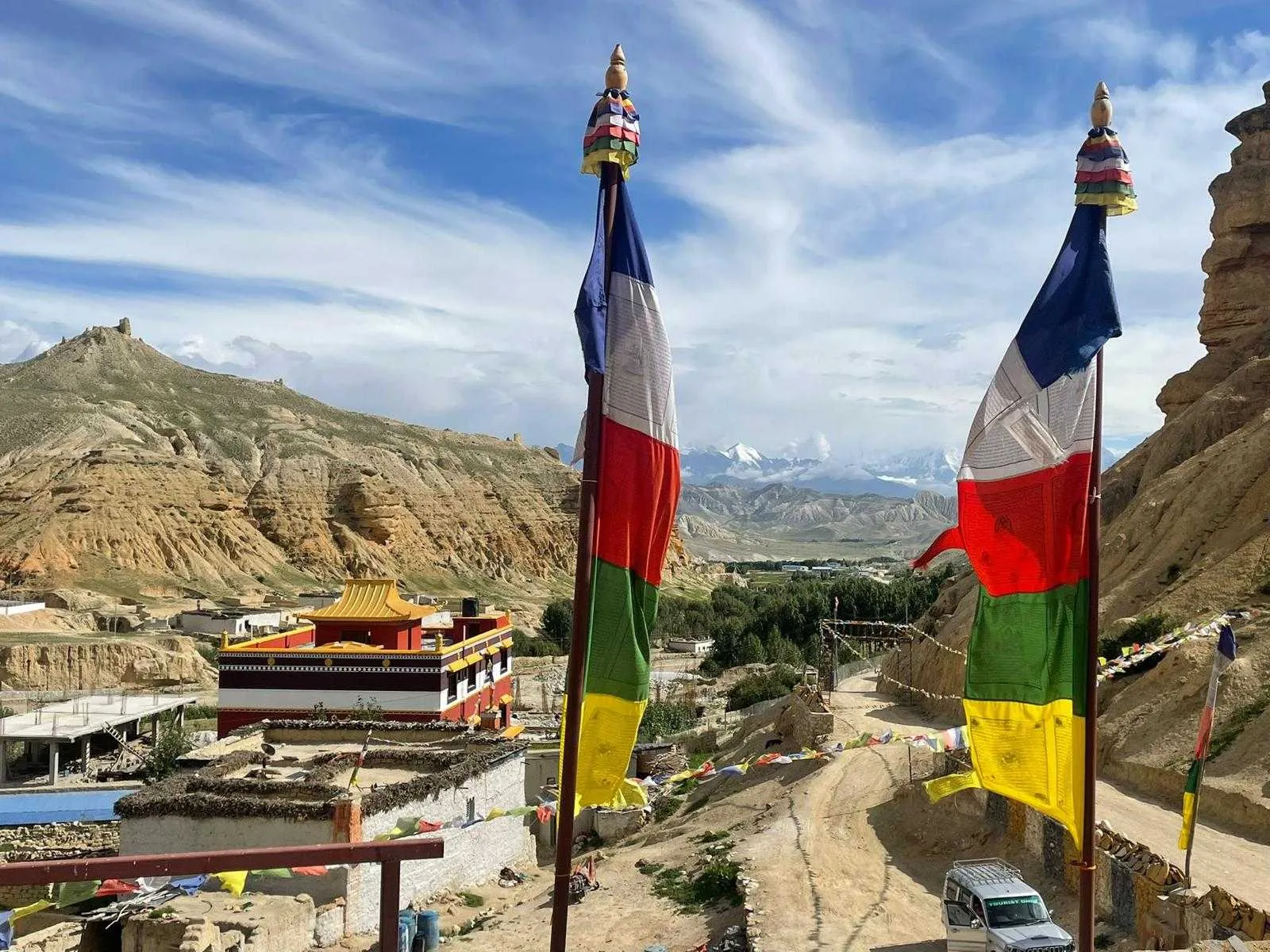
Generally yes. Upper Mustang sits in the Himalayan rain shadow with dry, dusty trails, making breathable trail runners a comfortable choice in most seasons.
Yes. Light sandals or camp shoes let your feet recover at the teahouse each evening and double as river-crossing or shower footwear.
They help keep snow, mud, and trail debris out of low-cut trail runners, especially in shoulder seasons. They are a worthwhile, lightweight addition for snowy passes.
For icy high passes in colder months, lightweight microspikes add critical grip. Confirm trail conditions with your licensed guide before the crossing day.