Asmita Karki
Choosing between September and October for a Nepal trek feels like splitting hairs from the outside, but on the ground the two months deliver radically different experiences. Our field coordinators across the Khumbu, Annapurna, and Manaslu corridors track these transitions every year, and the contrast in trail conditions, lodge availability, and even the colour of the sky can decide whether your trip becomes a highlight reel or a logistical scramble.
This guide breaks down the real, on-trail differences between post-monsoon September and peak-autumn October so you can pick the window that matches your priorities, whether that's clear mountain panoramas, fewer trekkers, festival immersion, or photographic gold.
Source: Avel Chuklanov
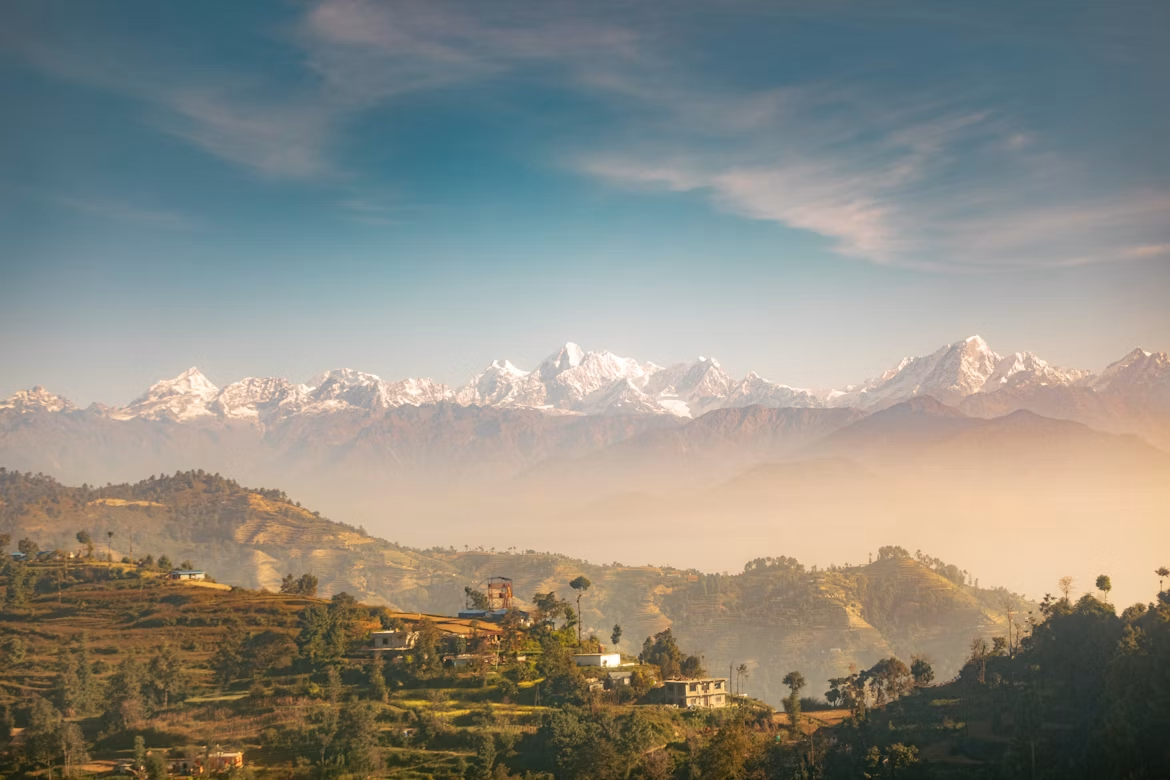
Clear weather seen during the october month in Nepal.
October is the most reliable trekking month in Nepal with stable weather, crystal-clear Himalayan views, and mild temperatures, but trails and teahouses are heavily crowded. September offers quieter trails, lush green landscapes, and discounted lodging, but the first half still carries monsoon rain, leeches, and unreliable flights to Lukla.
Nepal's monsoon officially withdraws between mid-September and early October, but the calendar lies. The atmosphere doesn't flip a switch, it bleeds out slowly. In recent years, the monsoon withdrawal has often lingered later than historical averages, sometimes extending well into late September.
What this means practically: the first three weeks of September still feel like monsoon for trekkers at lower elevations. Trails through the Solu region, the lower Annapurna foothills, and the Manaslu approach from Soti Khola see active rainfall, swollen rivers, and heavy leech activity below 2,500 meters. Above that elevation, the rain thins out, but cloud cover often hides peaks until late afternoon clearings.
By the final week of September, the post-monsoon front usually breaks through. Skies wash clean, humidity drops, and the famous autumn visibility window opens. This window peaks through October and tapers into early November.
The table below summarises the operational differences we see year after year across major trekking regions.
Source: Rohit Tandon
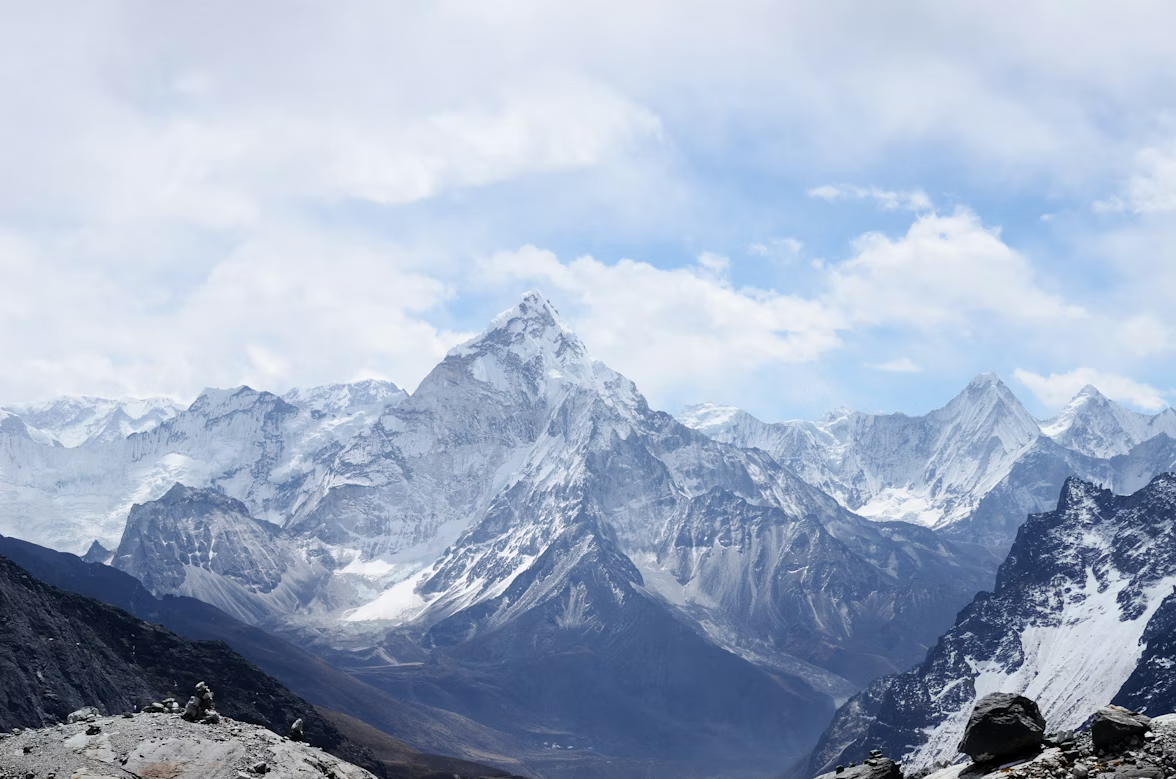
A snow covered Ama Dablam with blue skies and clouds during september month
September trekking in Nepal trades peak-season certainty for solitude, vibrant landscapes, and lower costs. The first half remains monsoon-active with rain and leeches below 2,500 meters, while the second half delivers reliable clearings, deep green valleys, and dramatic cloud-and-peak photography that October simply cannot match.
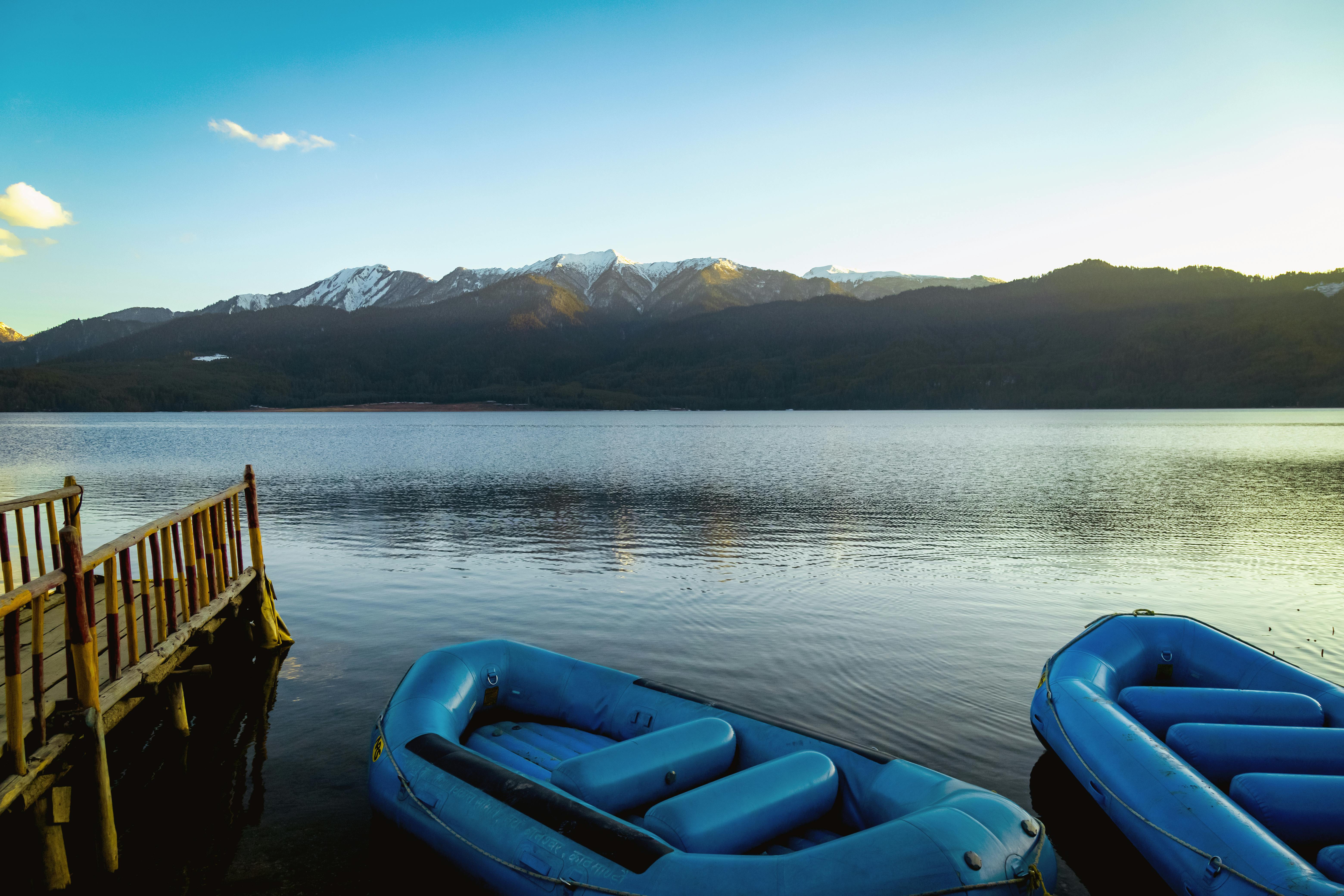
The greens are unreal. Rice terraces in the lower Annapurna, Solu, and Tsum approaches glow electric green, and the air carries a clarity you only get when monsoon rains have scrubbed dust from the atmosphere. Photographers who chase mood over postcard blue skies often prefer the dynamic cloudscapes of late September over October's static blue.
Teahouses are quiet. You can walk into Namche Bazaar on a September evening and pick your room. Owners have time to talk, kitchens aren't overwhelmed, and you'll often get free refills of Dal Bhat without the production-line feel of peak October. Some lodges quietly offer NPR 200-500 discounts on rooms to early-season trekkers.
Lukla flights are the biggest gamble. The Tenzing-Hillary Airport sits at 2,860 meters and demands clear visibility for landing. September cloud cover can ground flights for 2-3 consecutive days. During peak trekking seasons, many Lukla flights are rerouted through Manthali Airport in Ramechhap to ease congestion at Kathmandu airport, requiring a a demanding 4–5 hour overnight drive from Kathmandu starting around 1:00 AM. Always build in 1-2 buffer days on either end of a Khumbu itinerary.
Leeches are a real factor below 2,500 meters in early September. Salt, leech socks, and DEET handle them, but they will find you on the Manaslu approach, the Tamang Heritage Trail, and the lower Annapurna Base Camp route through Chhomrong's bamboo forests.
Landslides remain a risk on jeep roads, particularly the access routes to Soti Khola (Manaslu), Syabrubesi (Langtang), and the upper Mustang road via Beni. Our coordinators monitor these daily during September.
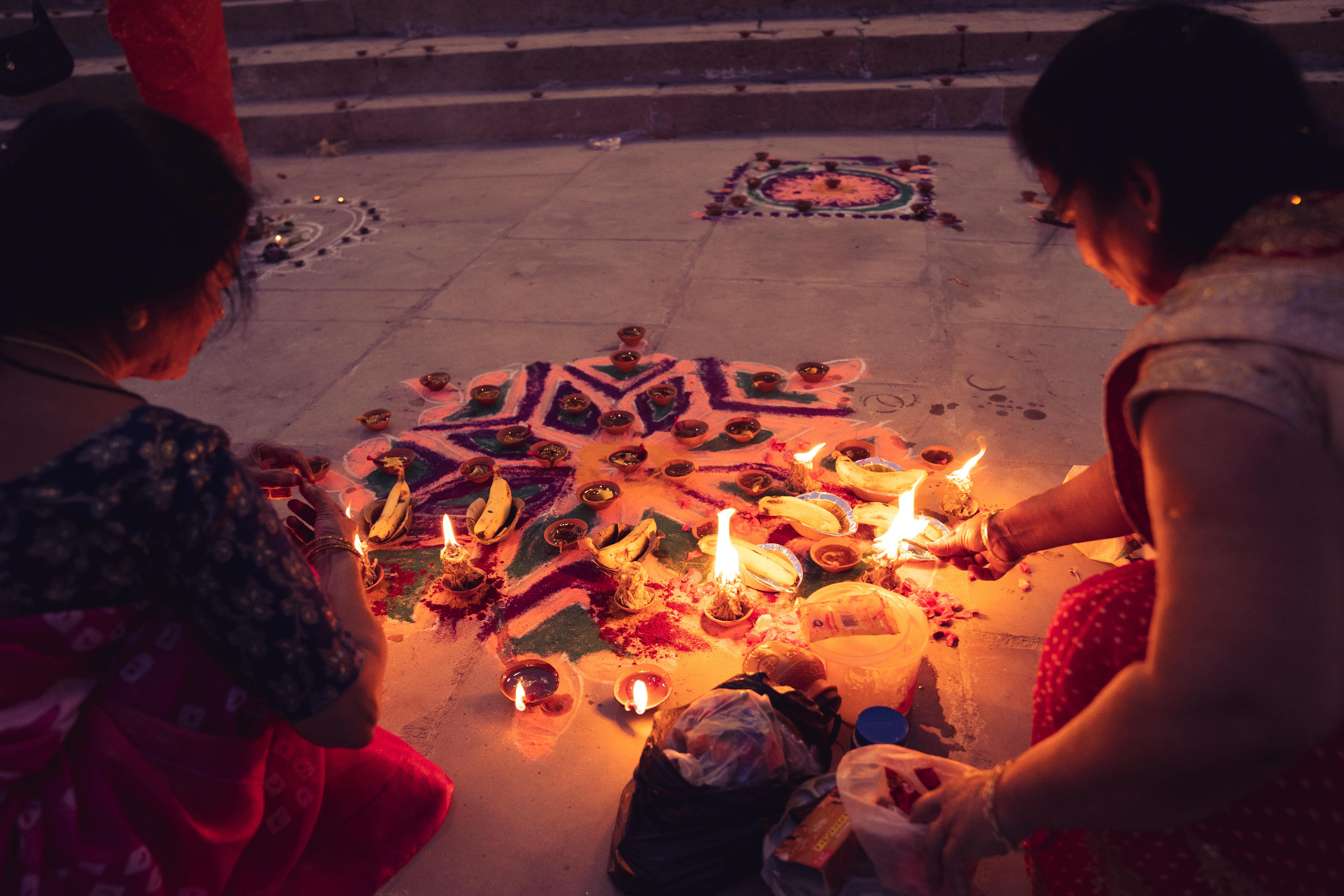
Source: Yogendra Singh
Nepali women creating a colorful Rangoli artwork and lighting oil lamps (diyas) on the ground during the Tihar festival.
October is Nepal's signature trekking month, delivering the year's most stable weather, sharpest Himalayan visibility, and mild daytime temperatures. The trade-off is severe trail congestion, fully booked teahouses, and very limited negotiating room on prices. Booking lodges and domestic flights weeks in advance is essential.
The skies. From roughly October 5th onwards, stable post-monsoon weather patterns typically settle over the Himalaya from early October onward and produce the kind of cobalt-blue panoramas that sell trekking calendars. Sunrise from Kala Patthar (5,545m) or Poon Hill (3,210m) in October consistently delivers full 360-degree visibility.
Trail conditions are at their annual best. Dust hasn't yet built up the way it does in late November, mud has dried out, and the high passes — Thorong La (5,416m), Larkya La (5,106m), Cho La (5,420m), and Kongma La (5,535m) — are typically free of fresh snow.
Cultural depth peaks too. Dashain (Nepal's longest Hindu festival) and Tihar (the festival of lights) both fall in October. Trekking through villages decorated with marigold garlands and oil lamps is unforgettable, though some teahouse staff return to family villages, occasionally affecting service.
Crowds. Teahouses in Namche Bazaar, Dingboche, Manang, Chhomrong, and Samagaon fill by 2:00 PM. Without an advance booking through a guide or marketplace, late arrivals may occasionally end up sleeping in dining areas during peak weeks. Permit checkpoints at Monjo, Dharapani, and Jagat run lines that can take 30-60 minutes.
Domestic flights to Lukla, Jomsom, and Pokhara are booked out weeks ahead. The Ramechhap diversion is in full force, so factor in the punishing overnight transfer.
Prices are firm. Teahouses don't discount in October. Carry sufficient Nepalese Rupees in cash, ATMs vanish past Namche Bazaar in the Khumbu and past Ghandruk or Chhomrong on the Annapurna Base Camp route.. Expect extra charges of NPR 200-700 per service for charging phones, hot showers, and Everest Link Wi-Fi access.
Nepal has discussed several trekking regulation reforms affecting restricted areas, including adjustments to solo trekking eligibility and guide requirements. Because permit frameworks can change quickly, travelers should verify the latest Restricted Area Permit (RAP) rules directly with a licensed trekking agency or Nepal Immigration before booking.
The two-person minimum has been removed for Manaslu, Upper Mustang, Dolpo, and Tsum Valley RAPs. A solo trekker can now obtain the permit, but a licensed guide is still required. To regulate crowd sizes under the updated framework, group sizes are now officially capped at a maximum of 7 trekkers per permit application.
September's warmer nights make acclimatization slightly more forgiving, while October's colder altitudes can mask early AMS symptoms behind general fatigue. The acclimatization rules remain identical in either month: above 3,000 meters, sleeping elevation should ideally not increase by more than 300–500 meters per day, with mandatory rest days at Namche Bazaar (3,440m) and Manang (3,540m). On routes where geography forces a larger jump—such as the 920-meter gain from Bamboo to Deurali on the ABC trail, guides must enforce a radically slower walking pace and double your hydration intake to compensate
Most reputable agencies now require insurance covering high-altitude helicopter evacuation up to 6,000 meters and treatment for HAPE and HACE. This is a legal requirement for obtaining Restricted Area Permits.
Weather delays affect Nepal’s mountain airports in every trekking season, including October. Even during peak autumn windows, flights to Lukla, Jomsom, and occasionally Pokhara can face cancellations due to cloud cover or high winds. Always build at least 1–2 buffer days into your itinerary before international departures.
Strong fitness helps on long trekking days, but it does not prevent altitude sickness. Even experienced marathon runners can develop AMS above 3,500 meters. Slow acclimatization, hydration, and conservative elevation gain matter far more than athletic ability alone.
In peak October weeks, especially around Dashain holidays, guides sometimes pre-book teahouses days in advance on Everest and Annapurna routes. Independent Trekkers in unorganized small groups arriving late in the afternoon may struggle to find private rooms in major overnight hubs, as local guides frequently pre-book limited bed space for their clients days in advance.
Ncell generally provides stronger coverage across much of the Annapurna region. Nepal Telecom (NTC) is the essential SIM for the Everest region, Manaslu, and Upper Mustang. Buy both if your itinerary crosses regions.
Carry enough NPR in cash to cover lodges, meals, and incidentals beyond the last ATM (Namche or Jomsom). Budget around NPR 3,500-5,000 per day on the trail in either month, factoring in food, lodging, and side charges.
Skip bottled water entirely. Use a reusable bottle with a UV purifier, Sawyer squeeze filter, or chlorine dioxide drops. Refill stations exist in most villages.
Stick to vegetarian meals at altitude. IIn many Buddhist regions like the Khumbu, local cultural norms discourage animal slaughter, meaning all meat is carried up over multiple days without refrigeration. Dal Bhat remains the most reliable high-altitude meal on Nepal’s trekking trails, served with free refills.
Pass all mani stones, chortens, and stupas on the LEFT, keeping them to your right. Walk clockwise around any religious structure. Remove shoes and hats before entering monasteries, and never photograph inside prayer halls without explicit permission from a resident monk.
Tipping is culturally expected and forms a significant part of guide and porter income. Plan for 15%-20% of the total trek cost distributed across the crew at the end of the trip, with a higher share to your lead guide.
Pick September if you want quieter trails, lush landscapes, dramatic photography, slightly lower lodging costs, and you're comfortable with weather uncertainty and a longer flight-buffer window. The last week of September is the sweet spot.
Pick October if you want the most reliable weather, the sharpest mountain views, festival energy in the villages, and you're willing to book lodges and flights well in advance, share trails with hundreds of other trekkers, and pay full peak-season rates.
Yes, but the early half of September often carries the monsoon tail with leeches, slippery trails, and possible landslides. From mid-September onwards, the skies clear, mountain views return, and trails become reliable. It is an excellent shoulder-season month for experienced trekkers who want quieter trails.
October offers the most stable weather window of the year. Skies are crystal clear, daytime temperatures are mild, and the post-monsoon air provides exceptional Himalayan visibility. Major festivals like Dashain and Tihar also fall in October, adding cultural depth to the trek.
October is significantly more reliable. September flights, especially in the first three weeks, still face monsoon clouds and frequent cancellations. During both months, peak-season flights operate from Manthali Airport in Ramechhap, requiring a 4-5 hour pre-dawn drive from Kathmandu around 1:00 AM.
Yes. As of March 2026, the two-person minimum for RAPs (Manaslu, Upper Mustang, Dolpo, Tsum Valley) has been removed. A solo trekker can obtain the permit but must still hire a licensed guide. The guide-to-trekker ratio is capped at 1:7.
October is the busiest trekking month in Nepal, especially on Everest Base Camp, Annapurna Base Camp, and Annapurna Circuit routes. Teahouses in Namche, Dingboche, Manang, and Chhomrong fill by early afternoon. Booking lodges in advance through a guide or marketplace is strongly recommended, especially around Dashain and Tihar festival weeks.
Yes. September demands waterproof boots, gaiters, leech socks, and a quality rain shell. October requires warmer down layers, especially for passes above 5,000 meters where night temperatures fall below freezing. A four-season sleeping bag rated to -10°C covers both months.
The ultimate guide to planning your dream web travel adventure with the experts from myeasyguide.
Spam free. Unsubscribe anytime. We respect your privacy.
-2 to -8°C |
-5 to -10°C |
Trail Condition | Muddy, slippery, leeches below 2,500m | Dry, firm, ideal underfoot |
Lukla Flight Reliability | Low to moderate | High (with weather buffer) |
Crowds on Trail | Low to moderate | Very high; peak season |
Teahouse Pricing | Standard, often negotiable | Fixed peak rates, no discounts |
Wildflowers | Abundant; lush green hills | Fading; landscapes turn golden |