Nepal holds more world-class trekking trails per square kilometer than any country on earth, and choosing the right one is the single biggest decision shaping your Himalayan trip. Our marketplace coordinators field hundreds of route comparison questions every season, and the honest answer is that there is no universally "best" trek, only the trek best matched to your fitness, budget, time window, and tolerance for altitude.
This 2026 guide ranks the ten trekking routes we recommend most often, complete with current permit costs, the latest regulations, and the practical realities, from jeep roads and Ramechhap flights to cash requirements, that many travel brochures overlook. Every figure here reflects the latest Nepal Tourism Board frameworks and municipality fees in effect for the 2026 trekking seasons.
How We Ranked Nepal's Best Treks in 2026/27?
We scored each trail across four weighted criteria: physical difficulty (altitude, daily ascent, terrain), scenic payoff (peaks, cultural depth, landscape variety), all-in cost (permits, transport, lodging, guide), and crowd density. Rankings favor trails delivering exceptional experience-per-dollar within current safety regulations.
The 2026 Regulatory Reality You Must Know First
Before any route choice, three rules govern every trek in Nepal this year. First, licensed guides are mandatory across all national parks and conservation areas, solo trekking remains banned. Second, the March 2026 Restricted Area Permit update removed the old two-person minimum for Manaslu, Upper Mustang, Dolpo, and Tsum Valley, but a licensed guide is still required and the trekker-to-guide ratio caps at 1:7. Third, insurance covering helicopter evacuation to 6,000 meters is non-negotiable.
Tourist visa fees for 2026 remain $30 USD for 15 days, $50 USD for 30 days, and $125 USD for 90 days on arrival at Tribhuvan International Airport.
Quick Comparison: The 10 Best Treks in Nepal (2026)
Rank
Trek
Days
Max Elevation
Difficulty
Est. Cost (USD)
1
Everest Base Camp
12-14
5,545m (Kala Patthar)
Strenuous
$1,400-$2,200
2
Manaslu Circuit
14-16
5,106m (Larkya La)
Strenuous
$1,500-$2,400
3
Annapurna Circuit
12-16
5,416m (Thorong La)
Strenuous
$900-$1,600
4
Annapurna Base Camp
7-10
4,130m
Moderate
$700-$1,200
5
Upper Mustang
7-12
3,840m (Lo Manthang)
Moderate
$1,600-$2,600
6
Langtang Valley
7-9
4,984m (Tserko Ri)
Moderate
$650-$1,000
7
Gokyo Lakes
11-13
5,357m (Gokyo Ri)
Strenuous
$1,300-$2,000
8
Mardi Himal
4-6
4,500m
Easy-Moderate
$450-$750
9
Three Passes (Everest)
18-21
5,545m
Extreme
$1,800-$2,800
10
Kanchenjunga BC
20-24
5,143m (Pangpema)
Extreme
$2,400-$3,500
1. Everest Base Camp Trek — The Iconic Pilgrimage
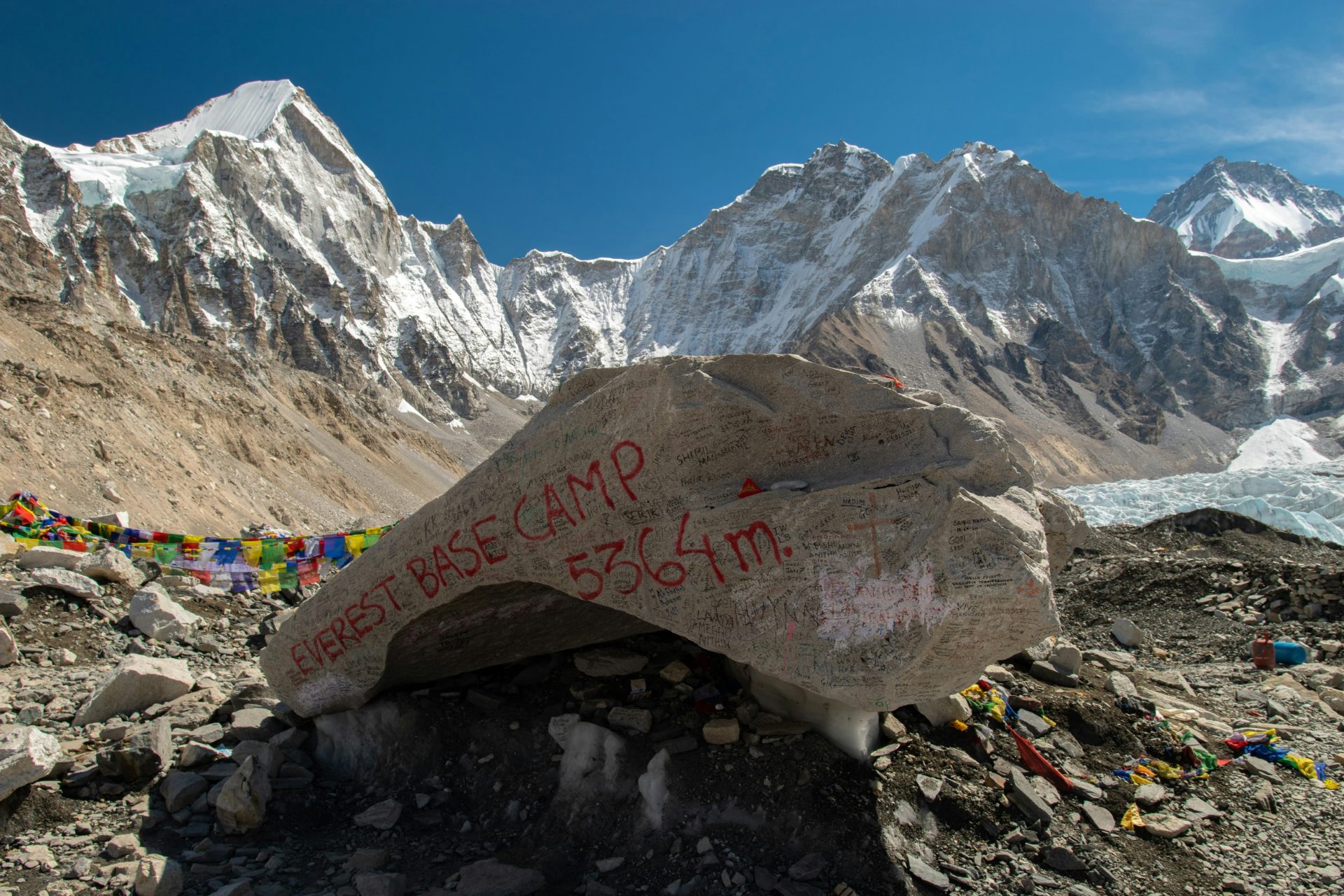
Source: Rajan Dahal, A gaint rock displaying the altitute at Everest Base Camp.
The Everest Base Camp trek climbs 130 kilometers round-trip through the Khumbu region to 5,364 meters, with a viewpoint ascent of Kala Patthar at 5,545 meters. It is Nepal's most photographed trail, demanding 12-14 days of sustained effort, two acclimatization days, and a high tolerance for crowds during October and April peaks.
Permits and the Khumbu Exception
The Khumbu region completely bypasses the standard e-TIMS system used in western Nepal. Instead, you will pay the local Khumbu Pasang Lhamu Rural Municipality Fee (NPR 2,000) directly at Lukla or Monjo, alongside the Sagarmatha National Park Entry Permit (NPR 3,000). Your total base permit outlay is exactly NPR 5,000 (roughly $37 USD). Additionally, look out for the newly integrated environmental waste management fee (NPR 1,000) collected at regional checkpoints to combat high-trail litter.
The Ramechhap Flight Reality
During peak seasons (March-May and September-November), Lukla flights do not operate from Kathmandu. You will drive 4-5 hours from Kathmandu to Manthali Airport in Ramechhap, departing around 1:00 AM to catch a dawn flight. Build 1-2 buffer days into your itinerary for weather cancellations, they happen frequently.
Connectivity in the Khumbu runs on Nepal Telecom (NTC) and Everest Link Wi-Fi cards costing NPR 500-700 per stage. Cash machines exist only at Namche Bazaar; carry sufficient rupees beyond that point.
2. Manaslu Circuit Trek — The Untouched Alternative
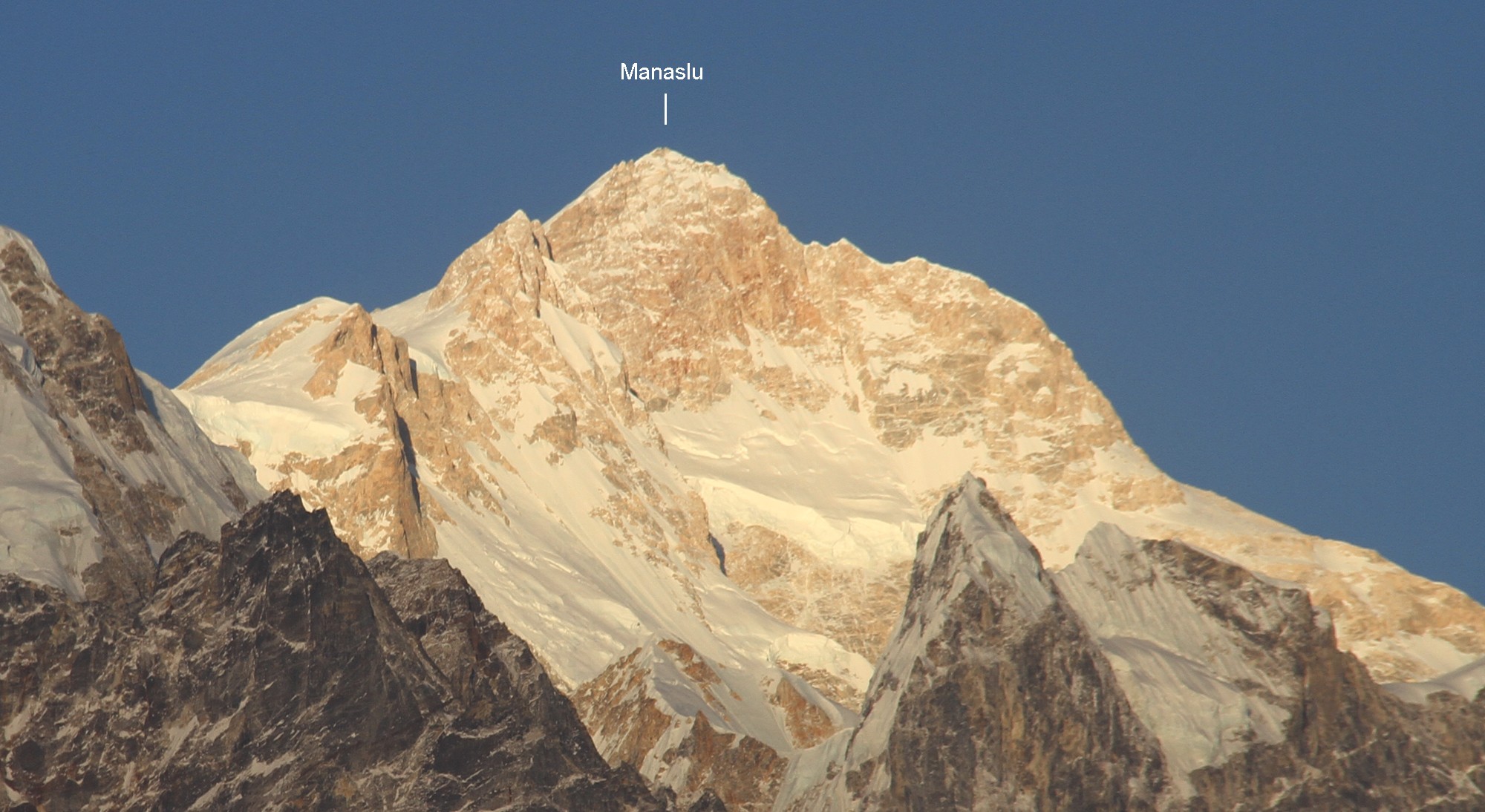
Source: Sanjib Gurung, The striking, pointed twin peaks of Mount Manaslu rising above the clouds in Nepal.
The Manaslu Circuit traces a 177-kilometer loop around the world's eighth-highest peak, crossing the formidableLarkya La pass at 5,106 meters. Restricted-area status keeps trail traffic significantly lower than neighboring Annapurna, preserving the pristine Tibetan-Buddhist enclaves of the Tsum and Nubri valleys. Expect 14-16 days of travel, sustained 6-7 hour high-altitude walking days, and genuine remoteness.
Permits Required (2026 Update)
Manaslu Restricted Area Permit (RAP): September-November: $100 USD for the first 7 days, then $15/day. December-August: $75 USD for 7 days, then $10/day.
Under the 2026 update, a single trekker can now legally obtain the Manaslu RAP, but must be accompanied by a licensed guide registered with a government-authorized agency. Jeep roads now reach Machha Khola and even further in dry seasons, discuss with your guide whether to start walking from Soti Khola or Machha Khola to avoid dusty road sections.
3. Annapurna Circuit — The Classic in Transition
Source: Anja Lee Ming Becker, Trekkers navigating the high-altitude mountain pass trail on the classic Annapurna Circuit trek.
The Annapurna Circuit crossesThorong La pass at 5,416 meters, traditionally a 21-day epic now compressed to 12-16 days due to road expansion. Despite the controversial jeep roads, the circuit still delivers Nepal's widest landscape transition, from subtropical rice paddies to high-altitude desert. Permits required:ACAP (NPR 3,000) and e-TIMS card (NPR 2,000).
Use the NATT Trails
To dodge dust and vehicle traffic, follow the New Annapurna Trekking Trails (NATT) - red-and-white marked footpaths paralleling the road from Besisahar to Manang. Your guide should route you along these wherever possible. Ncell provides strong coverage throughout the circuit; pick up a SIM in Kathmandu or Pokhara.
4. Annapurna Base Camp (ABC) - The Sanctuary
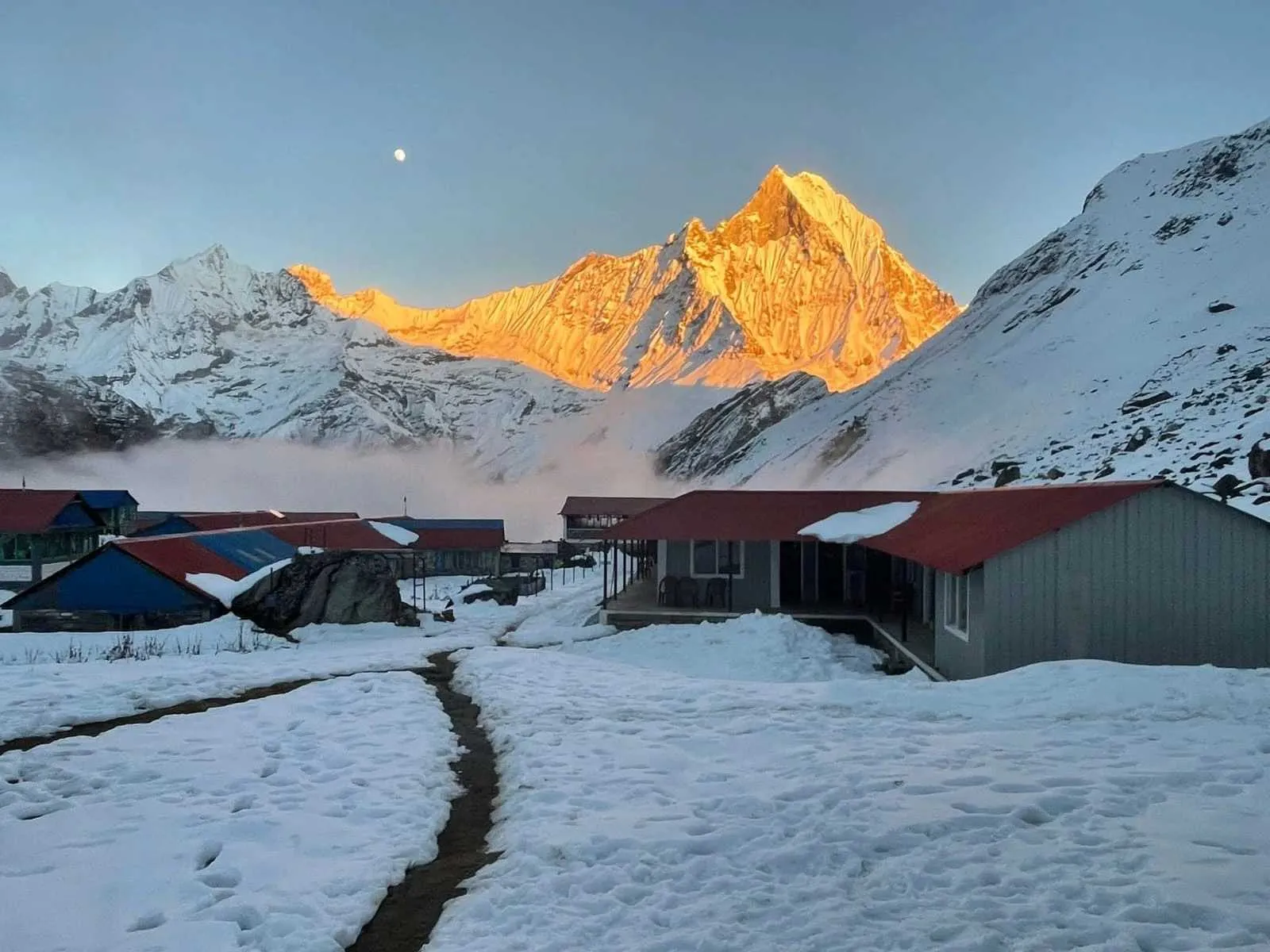
Trekking trails covered in fresh white snow leading up to Annapurna Base Camp.
The ABC trek climbs through bamboo forests into a glacial amphitheater at 4,130 meters, ringed by Annapurna I, Machhapuchhre, and Hiunchuli. At 7-10 days, it is Nepal's best moderate-altitude introduction. Total permit cost is just NPR 5,000 (ACAP plus e-TIMS), and Pokhara starting access eliminates expensive domestic flights.
Avalanche risk between Deurali and Machhapuchhre Base Camp is real in late winter and early spring, your guide will monitor conditions and may reroute or wait out unstable mornings.
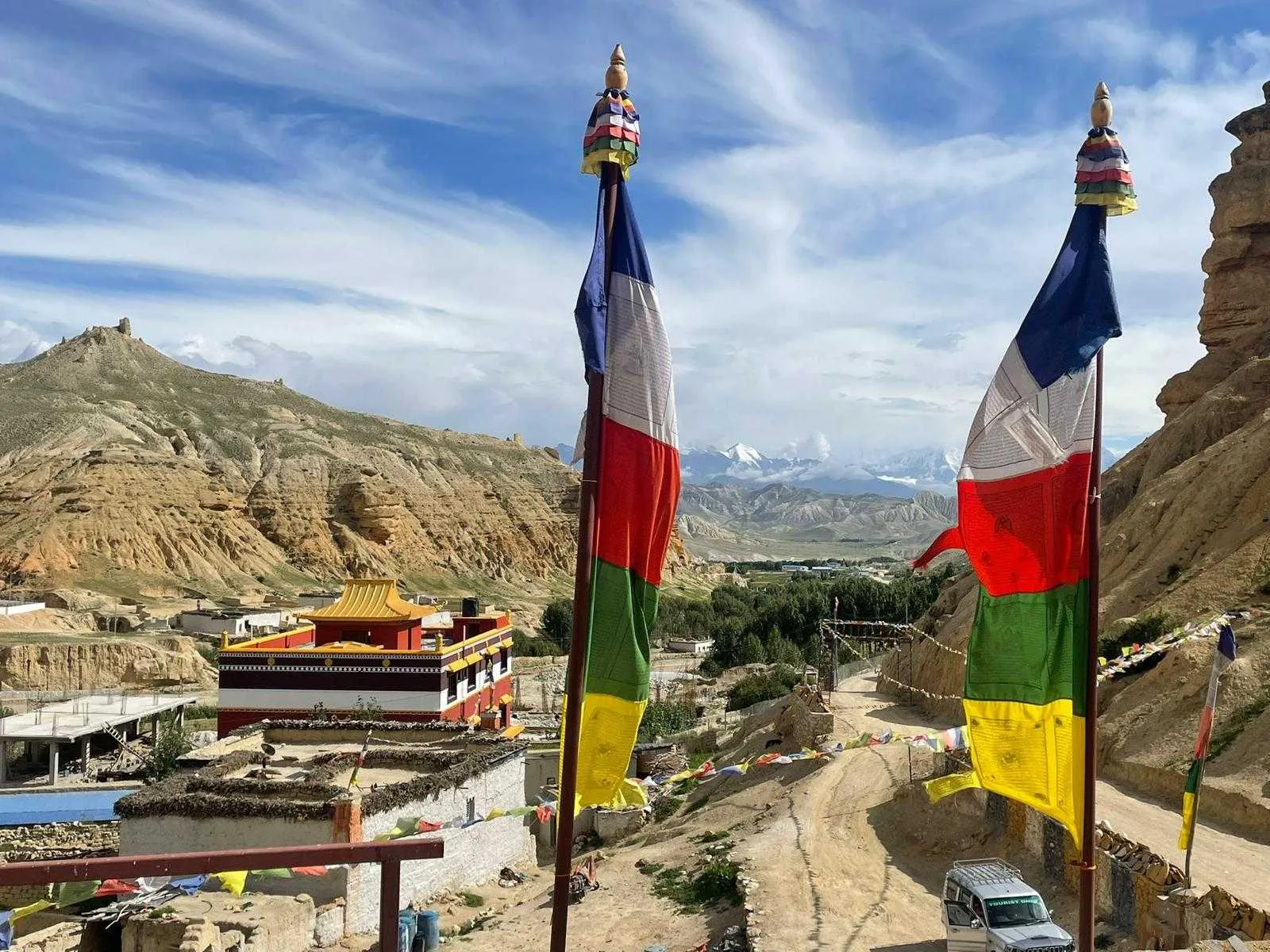
5. Upper Mustang — The Hidden Tibetan Kingdom
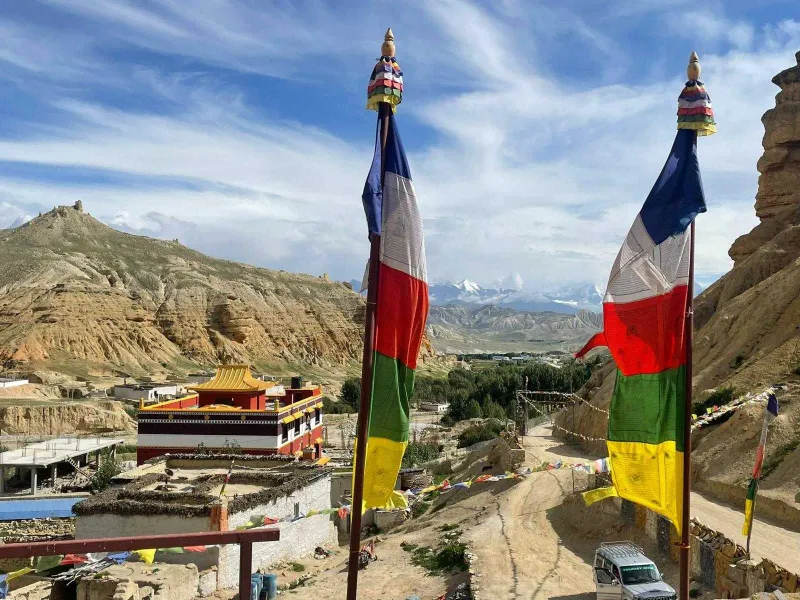
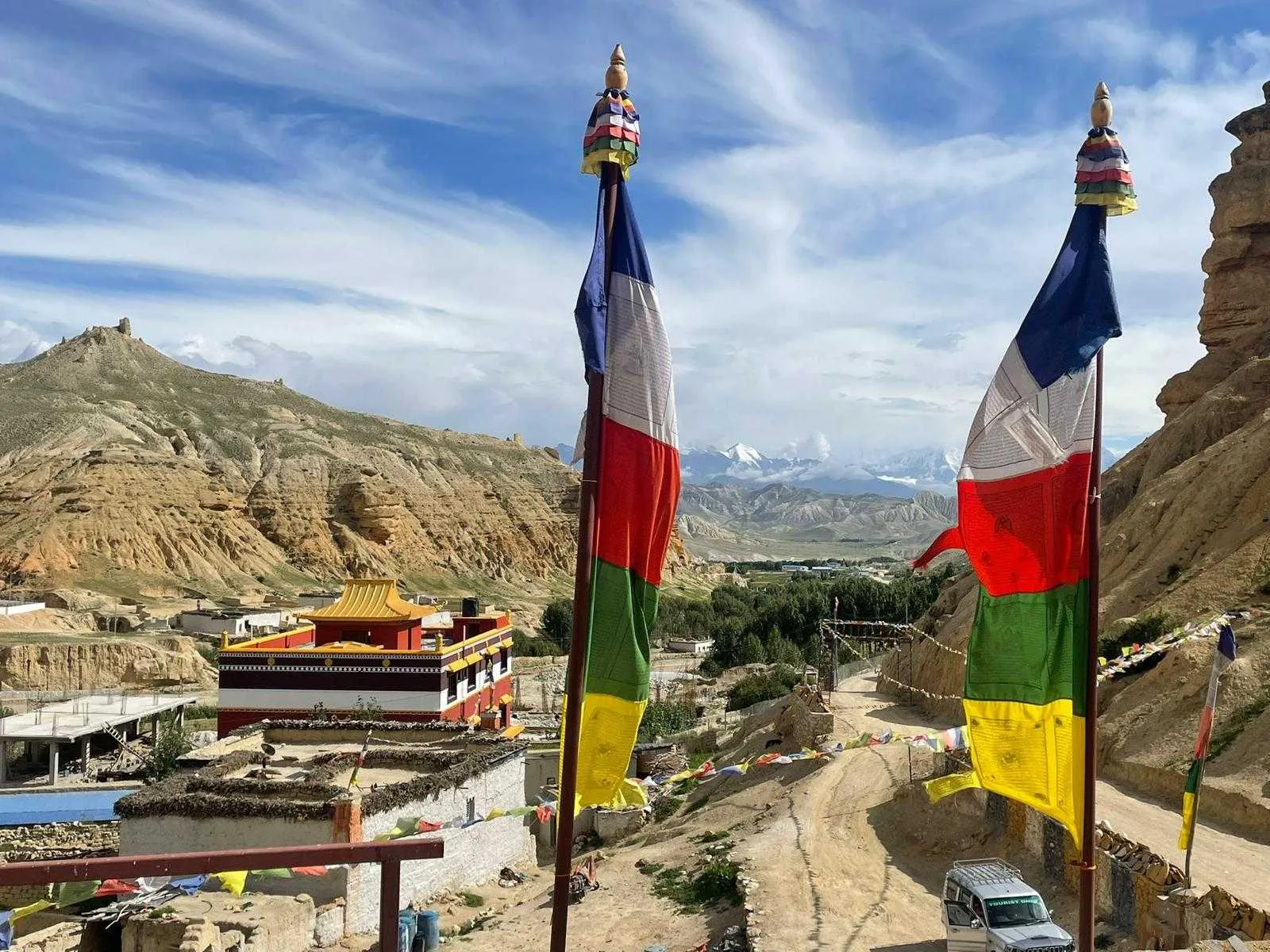
Buddhist prayer flags overlooking mustang village
Upper Mustang sits in the Himalayan rain shadow beyond the Annapurna massif, making it Nepal's premier monsoon-season trek (June-August) when leeches and cloud cover plague the rest of the country. The walled capital of Lo Manthang at 3,840 meters preserves 15th-century Tibetan Buddhist culture in active monasteries.
Permit Costs (The Pay-As-You-Go System)
Upper Mustang RAP: $50 USD per person, per day (Calculated strictly on the exact days spent inside the restricted zone)
The 2026 Logistics Shift: The old framework that forced a rigid, flat-rate $500 block fee for 10 days has been officially replaced by a flexible $50/day pay-as-you-go system. This makes shorter 5-to-7-day overland jeep itineraries and modular trekking routes immensely more affordable. Jomsom remains your last reliable ATM outpost; withdraw all necessary trail cash before passing Kagbeni.
6. Langtang Valley — The Underrated Comeback
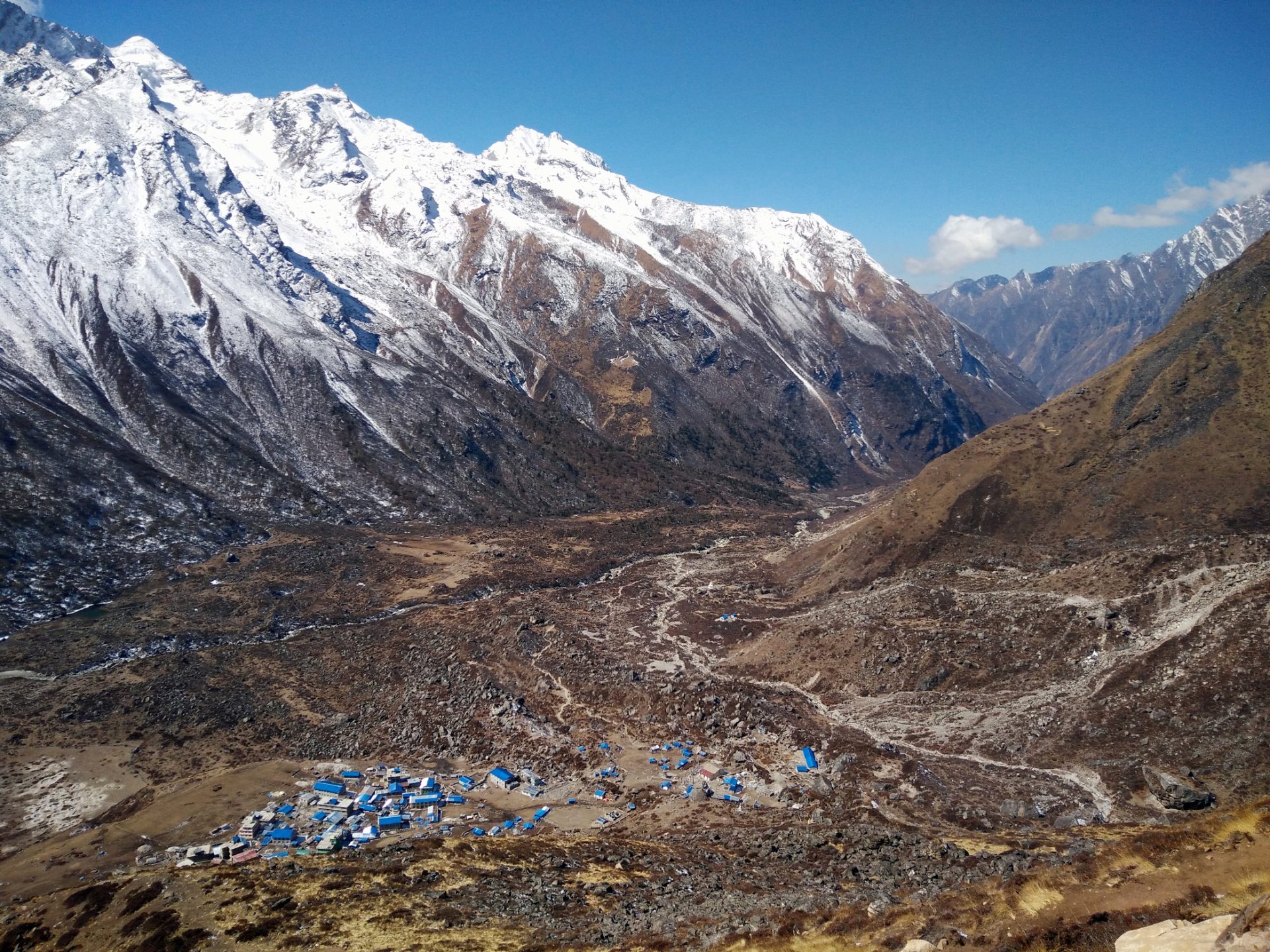
High-angle panoramic view of Kyanjin Gompa settlement in the Langtang Valley from Kyanjin Ri viewpoint.
This is the best-value trek in Nepal for travelers short on time and money. The Tamang Heritage Trail extension adds three days of authentic cultural depth with very few other trekkers.
7. Gokyo Lakes Trek — The Quieter Everest
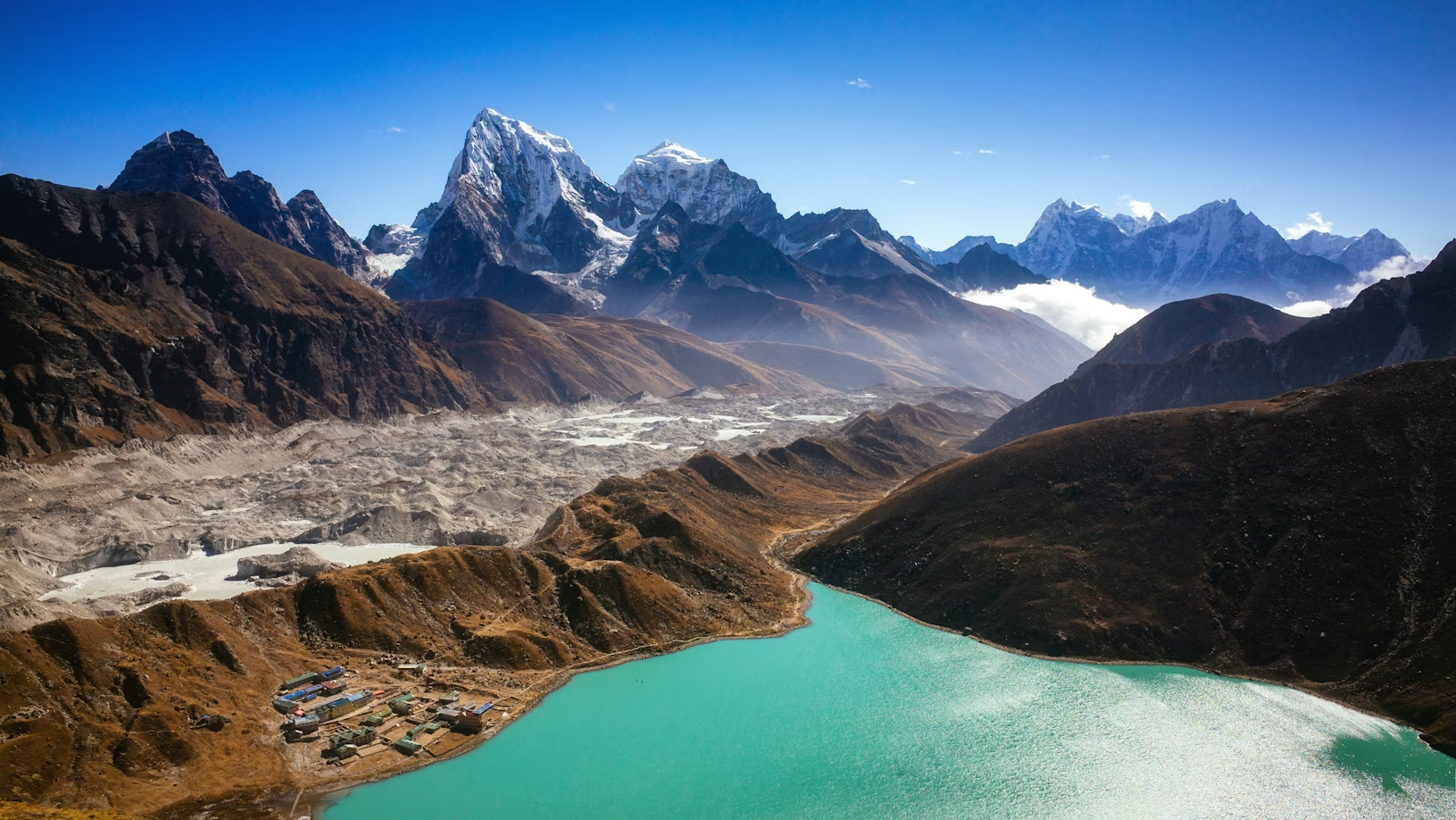
Source: James Chou, Vibrant turquoise waters of the sacred Gokyo Lakes surrounded by snow-capped peaks in the Everest region.
An alternative to standard EBC, the Gokyo route reachesGokyo Ri at 5,357 meters with views of four 8,000m peaks: Everest, Lhotse, Makalu, and Cho Oyu. The turquoise Gokyo Lakes sit at 4,700-5,000 meters, the world's highest freshwater lake system. Same Khumbu permits apply: NPR 6,000 total.
Combining Gokyo with EBC via the Cho La pass (5,420m)creates an unforgettable 16-18 day circuit for experienced trekkers.
8. Mardi Himal — The Budget Stunner
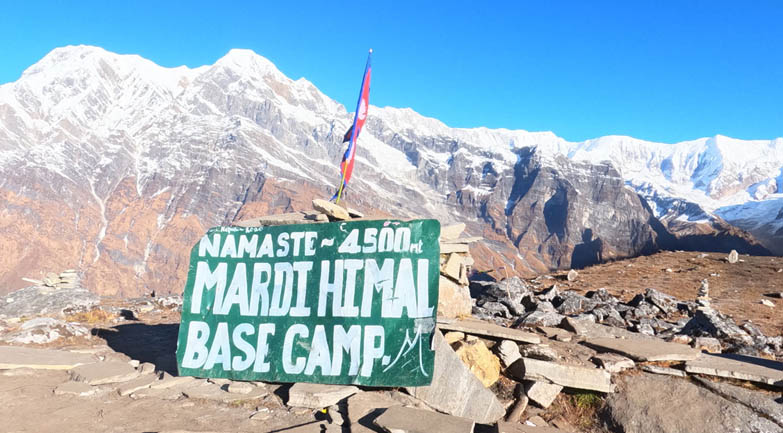
Dramatic panoramic view of Annapurna range from Mardi Himal Base Camp.
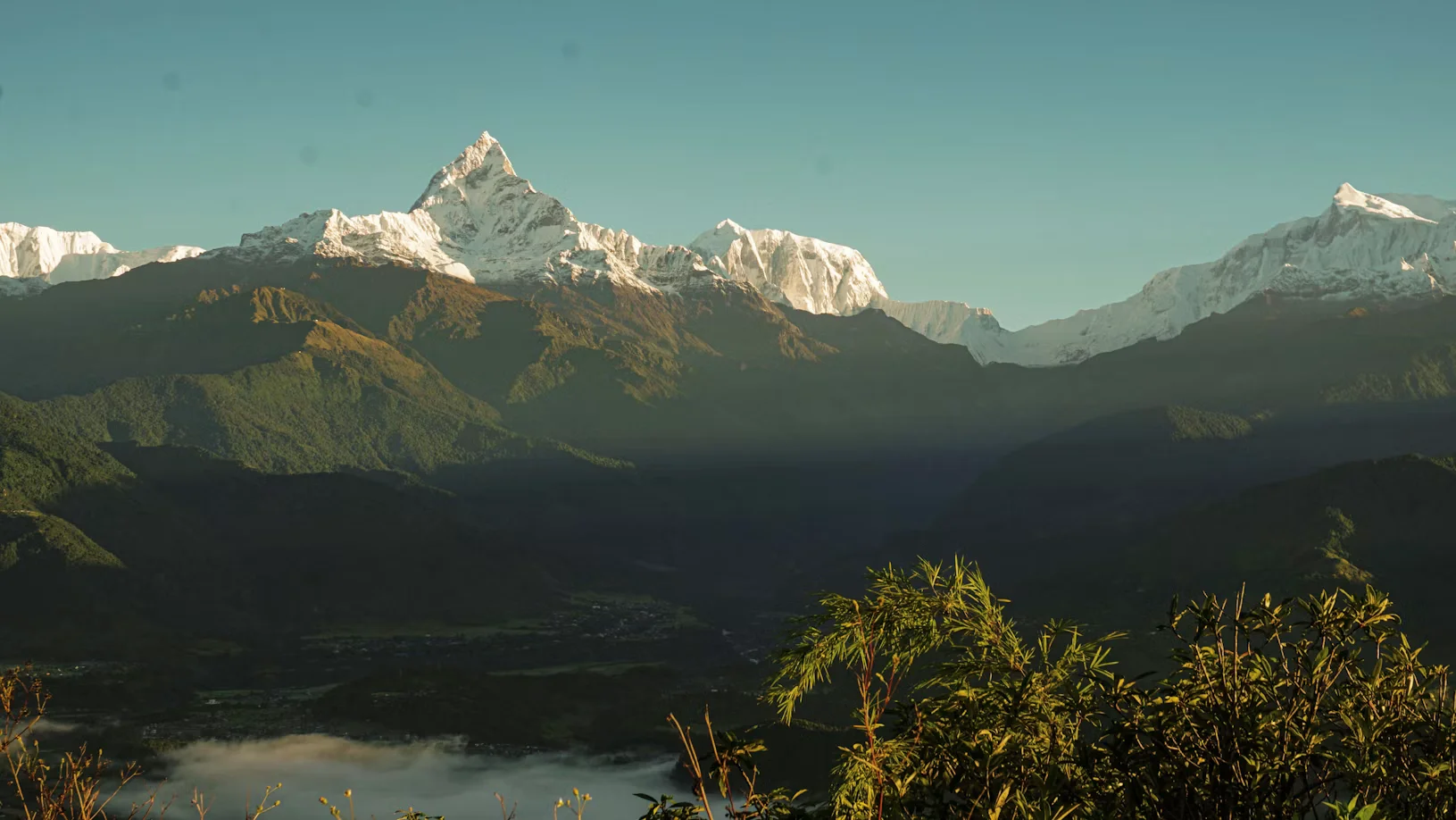
Mardi Himal climbs a ridgeline above Pokhara to 4,500 meters in just 4-6 days. The High Camp views directly into the face of Machhapuchhre (Fishtail) rival treks costing four times more. Total permit cost: NPR 5,000. This is our most-booked short trek for travelers with limited time or budget.
9. Everest Three Passes — The Connoisseur's Choice
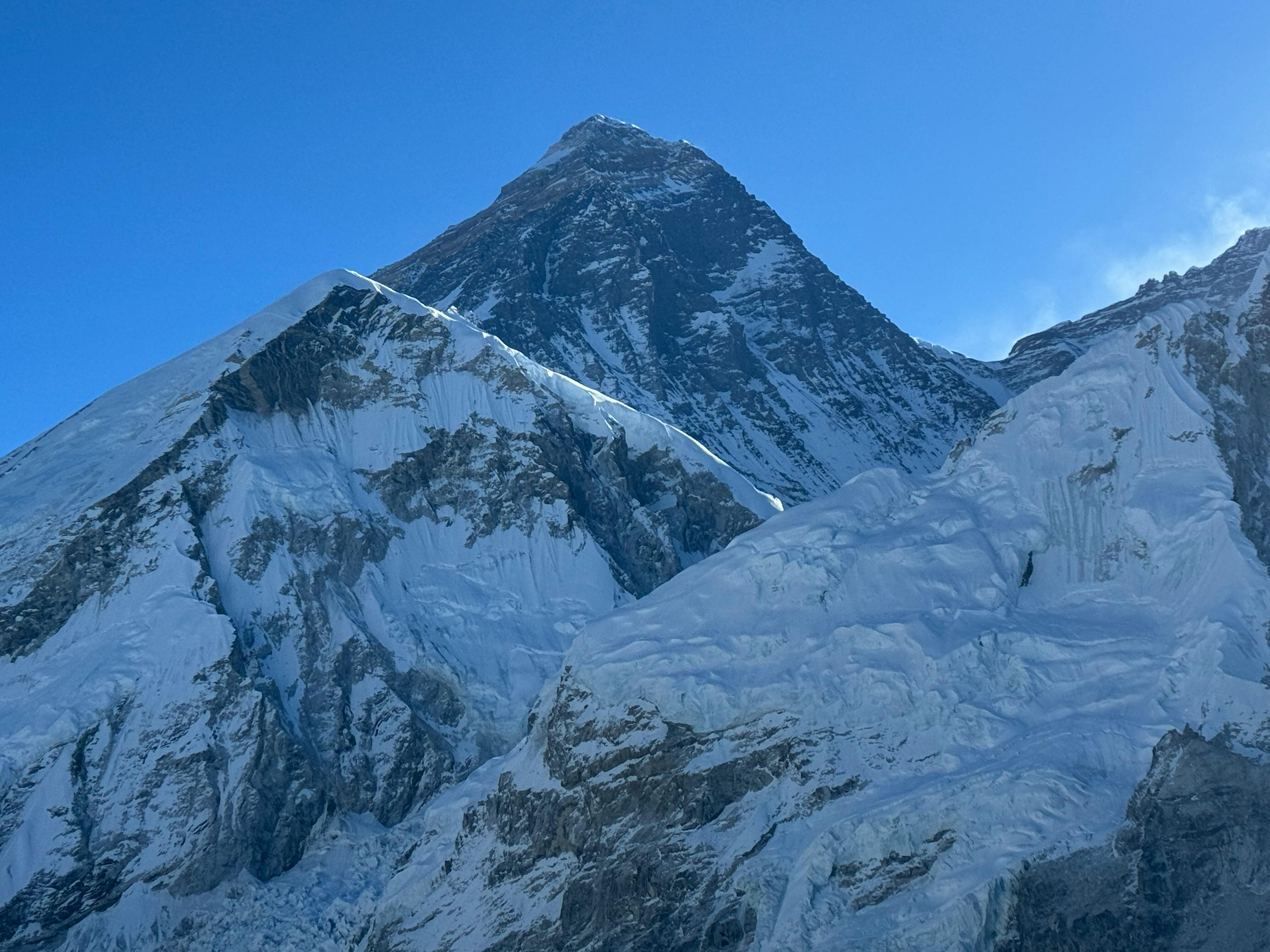
Source: Prabin Sunar, Majestic snow-covered peak of Mount Everest against a clear blue sky in the Himalayas.
We only dispatch experienced trekkers with prior 5,000m+ experience on this route. Pre-trek conditioning is non-negotiable.
10. Kanchenjunga Base Camp — The Last Frontier
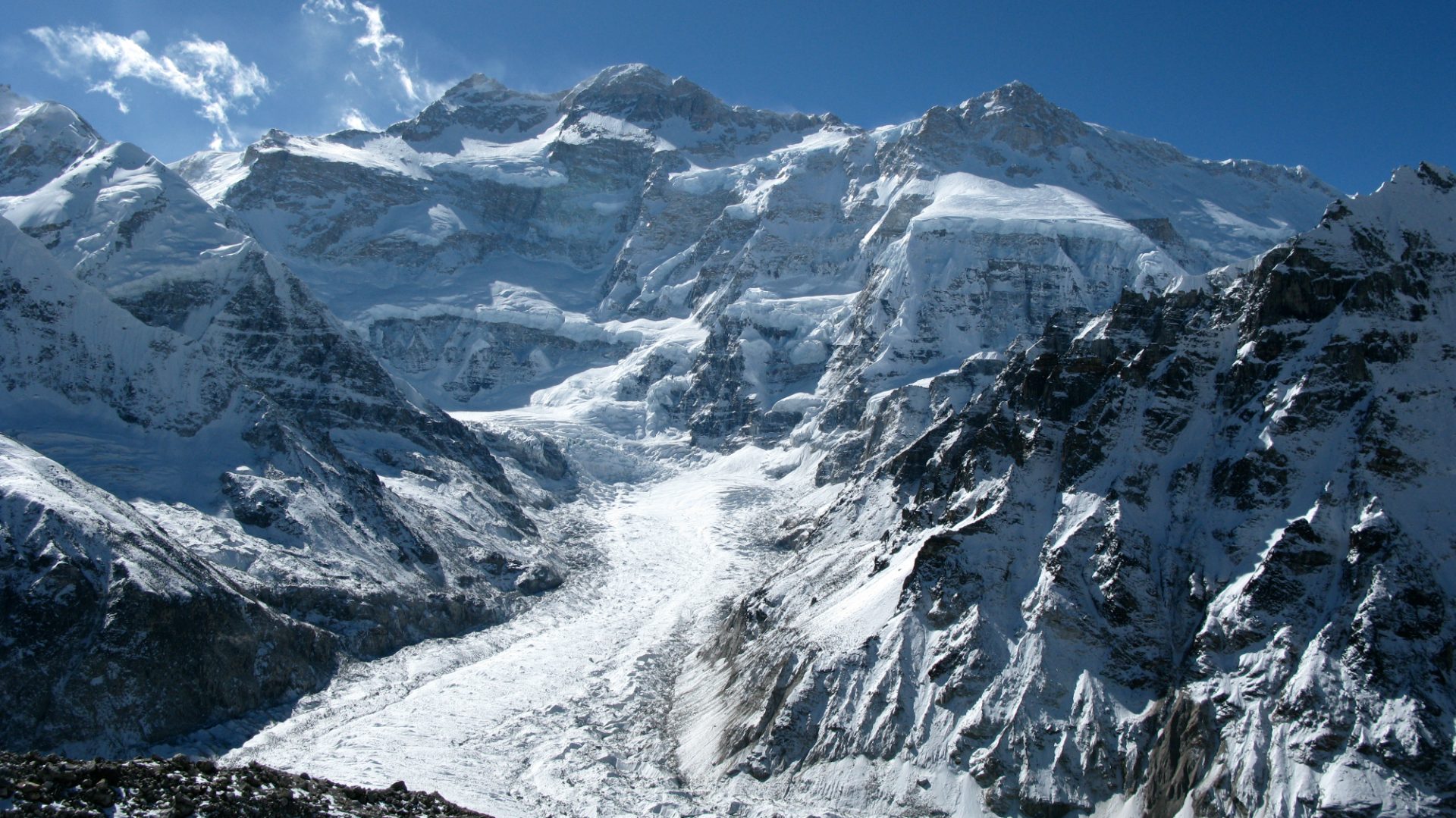
Rugged, icy wilderness of Pangpema north base camp looking toward Mount Kanchenjunga.
Eastern Nepal's Kanchenjunga region sees fewer than 1,500 trekkers annually. The 20-24 day expedition reaches Pangpema (North Base Camp) at 5,143 meters below the world's third-highest peak. Restricted area status, distance from Kathmandu, and minimal lodge infrastructure keep this trail wild.
The Kanchenjunga region requires the Kanchenjunga Restricted Area Permit (RAP), priced at an accessible $20 USD per person per week for the first four weeks (rising to $25/week thereafter), paired with the Kanchenjunga Conservation Area Project (KCAP) Permit at NPR 2,000. While the permits themselves are inexpensive, the true driver of the $2,400+ cost tier stems from complex deep-wilderness transit options from Kathmandu, extensive trail logistics, and the mandatory licensed guide deployment required to navigate this isolated sector.
Altitude Safety: The Rule That Saves Lives
Above 3,000 meters, sleep elevation must not increase by more than 300-500 meters per day. Mandatory acclimatization rest days at Namche Bazaar (3,440m) and Manang (3,540m) are not optional. Any itinerary skipping these is dangerous, reject agencies pushing compressed schedules.
Symptoms of AMS (headache, nausea, sleeplessness) require descent, not ibuprofen. HAPE and HACE kill quickly. Your insurance must cover helicopter evacuation to 6,000 meters.
Food, Water, and Trail Economics
Order Dal Bhat (lentil soup, rice, vegetable curry) as your primary fuel, it comes with free refills and provides clean, high-energy carbohydrates. In Buddhist regions like the Khumbu, slaughter is prohibited; all meat is carried up by mule over days without refrigeration. Stick to vegetarian options above 3,500 meters.
Never buy plastic bottled water. Use a UV purifier (SteriPen), Sawyer squeeze filter, or chlorine dioxide drops with a reusable bottle. Teahouses sell boiled water for NPR 100-300 per liter as backup.
Hidden Trail Costs
Phone/power bank charging: NPR 200-500 per device
Hot shower (gas-heated): NPR 300-700
Wi-Fi (Everest Link or local): NPR 300-700 per session
Bottle of boiled water: NPR 100-300
Cultural Etiquette on the Trail
Pass mani stones, chortens, and stupas on the LEFT side, keeping them to your right. Walk clockwise around all religious structures. Remove shoes and hats before entering monasteries. Photography inside prayer halls requires explicit permission from a resident monk.
Tipping Your Crew
Tipping is culturally expected and supplements modest base wages. A standard guideline is 15%-20% of total trek cost distributed among your guide and porter team at the end of the trip. Hand tips directly in a sealed envelope on the final evening.
Seasonal Strategy: When to Trek What
Season
Months
Best Routes
Conditions
Autumn
Sept-Nov
All routes, peak EBC/Annapurna
Clear skies, crowded
Winter
Dec-Feb
ABC, Mardi, Langtang
Cold, quiet, pass closures possible
Spring
Mar-May
EBC, Manaslu, rhododendrons
Warm, hazy afternoons
Monsoon
Jun-Aug
Upper Mustang, Upper Dolpo only
Rain shadow zones dry
Matching the Right Trek to You
If you have one week and limited budget, choose Mardi Himal, Poon Hill, or Langtang. With two weeks and average fitness, Annapurna Base Camp or the Annapurna Circuit deliver enormous scenic value. For the bucket-list Himalayan experience with serious commitment, Everest Base Camp or the Manaslu Circuit are unmatched. For monsoon travelers, Upper Mustang is your only premium option. And for the rare adventurer with three weeks and prior altitude experience, Three Passes or Kanchenjunga deliver Nepal at its rawest.
Whatever you choose, the regulatory, safety, and logistical framework matters more than the trail itself. A poorly planned Annapurna trek can be more dangerous than a well-planned Three Passes.
Frequently Asked Questions
Can I trek solo in Nepal in 2026?
No. Most national park and conservation area treks now require a licensed guide. The 2026 update allows solo trekkers to obtain Restricted Area Permits in some regions, but hiring a registered guide remains mandatory.
What’s the cheapest worthwhile trek in Nepal?
Mardi Himal Trek and Ghorepani Poon Hill Trek are among the best budget-friendly options. Most 4–5 day packages cost around $450–$750 USD including permits, accommodation, meals, and transport.
How much cash should I carry during a trek?
Carry at least NPR 2,500–4,000 per day in extra cash beyond your package costs. Remote trekking regions have limited or no ATM access after major towns like Namche Bazaar or Jomsom.
Is Wi-Fi available on Nepal trekking routes?
Yes, many popular trekking routes offer paid Wi-Fi services in teahouses. Everest Base Camp uses Everest Link cards, while Annapurna lodges often provide local Wi-Fi for an extra fee.
Which SIM card works best for trekking in Nepal?
Ncell generally performs better in the Annapurna region, while Nepal Telecom (NTC) has stronger coverage in Everest, Manaslu, and Upper Mustang. Many trekkers carry both networks.
Do I need to book my Nepal trek in advance?
Yes, especially for spring (March–May) and autumn (September–November). Booking 2–3 months ahead is recommended for guides, flights, permits, and popular teahouses.
Which trek in Nepal is best for beginners?
Ghorepani Poon Hill, Mardi Himal, and Langtang Valley Trek are excellent beginner-friendly routes with moderate altitude and comfortable trekking durations.
What is the hardest trek in Nepal?
Kanchenjunga Circuit, Dhaulagiri Circuit, and Upper Dolpo Trek are considered among Nepal’s toughest treks due to remoteness, long duration, and high-altitude passes.
Which trek has the best mountain views in Nepal?
Everest Base Camp offers iconic Everest panoramas, while Annapurna Circuit and Manaslu Circuit provide diverse Himalayan scenery including glaciers, passes, and alpine valleys.
What is the best time for trekking in Nepal?
Spring (March–May) and autumn (September–November) are the best seasons due to stable weather, clear skies, and ideal trekking temperatures.
How difficult is the Everest Base Camp Trek?
Everest Base Camp Trek is moderately difficult. It does not require technical climbing skills, but trekkers should prepare for long walking days and high altitude.
Do I need travel insurance for trekking in Nepal?
Yes. Travel insurance with high-altitude trekking and emergency helicopter evacuation coverage is strongly recommended for all major trekking routes.
Are teahouses available on all trekking routes?
Popular routes like Everest, Annapurna, Langtang, and Manaslu have teahouses. Remote regions such as Upper Dolpo may require camping support in some sections.
How much does trekking in Nepal cost in 2026?
Budget treks may cost $400–$800 USD, while premium or restricted-area treks like Upper Mustang or Manaslu can range from $1,500–$4,000+ USD depending on duration and services.
What permits are required for trekking in Nepal?
Most treks require TIMS cards and national park or conservation area permits. Restricted areas like Upper Mustang and Manaslu require special permits and licensed guides.
Is altitude sickness common in Nepal treks?
Yes, especially above 3,000 meters. Proper acclimatization, hydration, and gradual ascent are essential to reduce the risk of Acute Mountain Sickness (AMS).
Can beginners do the Annapurna Circuit Trek?
Yes, physically fit beginners can complete the Annapurna Circuit with proper acclimatization and preparation, though it is more challenging than short treks like Poon Hill.
Which Nepal trek is best for short holidays?
Mardi Himal Trek, Poon Hill Trek, and Langtang Valley Trek are ideal for travelers with 5–10 days available.
Are guides compulsory for all treks in Nepal?
Guides are mandatory for many trekking regions, especially restricted areas. Independent trekking rules continue to change, so checking current regulations before travel is important.
What should I pack for trekking in Nepal?
Essential items include layered clothing, waterproof gear, trekking boots, sleeping bag, sunscreen, water purification tablets, power bank, and basic medicines.