Travel Guide
Diamox (Acetazolamide) for Trekking 2026: Does It Work, When to Take It & Side Effects
PT
Prabesh Tamang
11 min read
Prabesh Tamang
Somewhere above 4,000 meters, the conversation in every teahouse dining room turns to the same little white pill. Someone has a pounding headache, someone else can't sleep, and a third trekker is quietly cutting a tablet in half with a Swiss Army knife. That pill is almost always Diamox, and the questions around it are endless: Does it really work? When do I take it? Will it make my fingers tingle all night?
Our field coordinators have walked alongside thousands of trekkers on the Everest, Annapurna, and Manaslu routes, and we hear the same myths repeated season after season. So let's clear them up properly, with the real science and the real trail logistics for 2026.
One honest disclaimer first: we are trekking specialists, not doctors. This guide explains how Diamox is commonly used, but you must speak with a travel medicine professional before taking any medication. This article is for informational purposes only and not medical advice
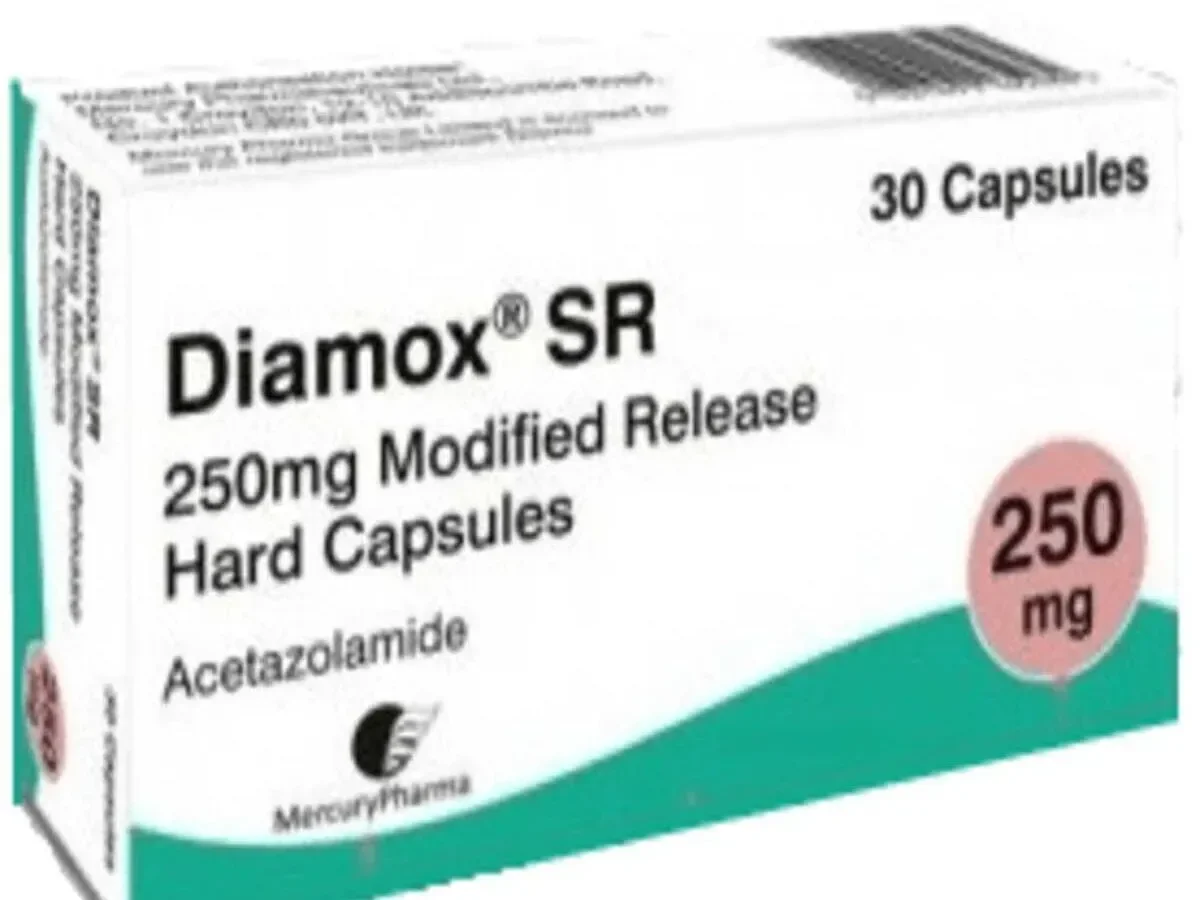
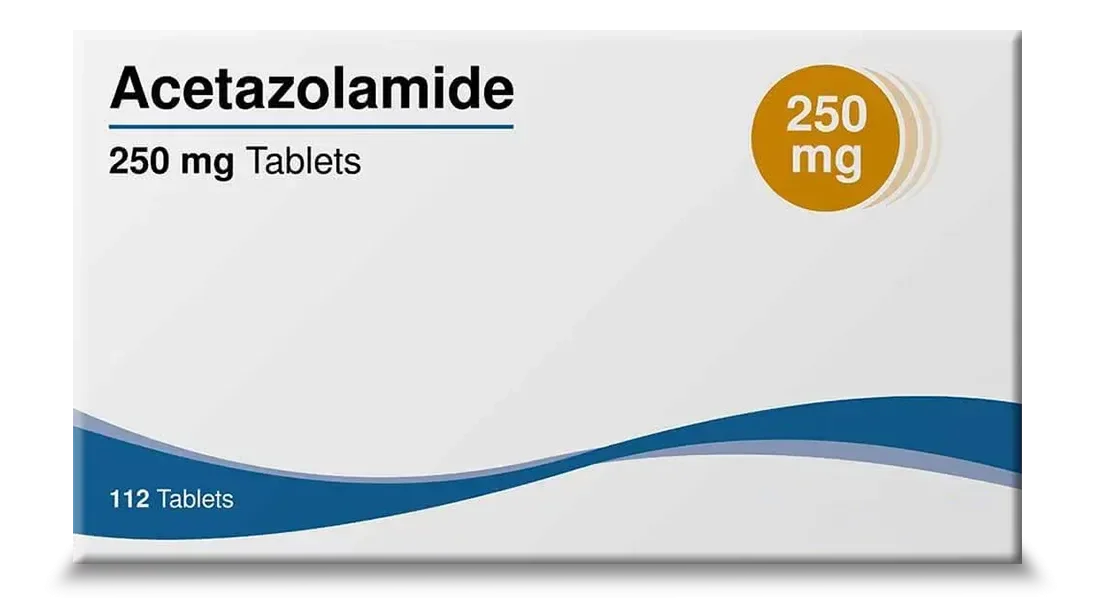
Diamox is the brand name for Acetazolamide, a carbonic anhydrase inhibitor that mildly acidifies your blood. This tricks your brain into thinking you have excess carbon dioxide, which stimulates faster, deeper breathing and raises your blood oxygen levels. The result is that your body acclimatizes to thin mountain air more quickly than it would on its own.
The key word there is acclimatize. Diamox does not magically pump oxygen into your lungs. It accelerates the natural process your body already performs. Think of it as a helper that nudges your respiratory system to do its job faster, not a shortcut that lets you skip the work of slow ascent.
It was originally developed as a diuretic and glaucoma medication, which is exactly why it makes you urinate frequently. That fluid loss is part of how it reduces the swelling pressure that causes high-altitude headaches.
Yes. Acetazolamide is widely used and strongly supported in high-altitude medicine, reducing risk by around 40–50% in many studies. It works by speeding acclimatization, not by masking danger, so it genuinely lowers your odds of a ruined trek.
Multiple peer-reviewed studies, including guidance from the Wilderness Medical Society, support its use for prevention of AMS. On the trail, our guides see the difference clearly: trekkers on a sensible dose tend to sleep better, breathe easier at night, and report far fewer crushing morning headaches above 3,500 meters.
That said, here is the truth nobody selling pills wants to say loudly. Diamox cannot fix a reckless itinerary. If you fly into a high airstrip and gain 1,500 meters of sleeping elevation in a single day, no pill on earth will keep you safe. The drug buys you a margin, not immunity.
Most travel doctors advise starting Diamox 24-48 hours before you ascend above roughly 3,000 meters, then continuing for 2-3 days at altitude until your body has adjusted. The goal is to have the medication active in your system before the thin air hits, not after symptoms appear. Common practice varies depending on itinerary and medical advice.
On the Everest Base Camp route, many trekkers begin the morning they leave Namche Bazaar (3,440 meters). On the Annapurna Circuit, the common starting point is just before pushing past Manang (3,540 meters) toward the high camps below Thorong La Pass.
The widely accepted preventive dose is 125mg twice daily (morning and early evening). Avoid taking the evening dose too late, because the frequent urination will have you stumbling to a freezing outdoor toilet at 2 AM. We see many trekkers take their second dose with dinner around 6 PM to avoid this.
Some doctors prescribe a higher 250mg dose, but the lower 125mg dose is increasingly preferred because it works nearly as well with fewer side effects. Your prescribing physician will set the right amount for your health profile.
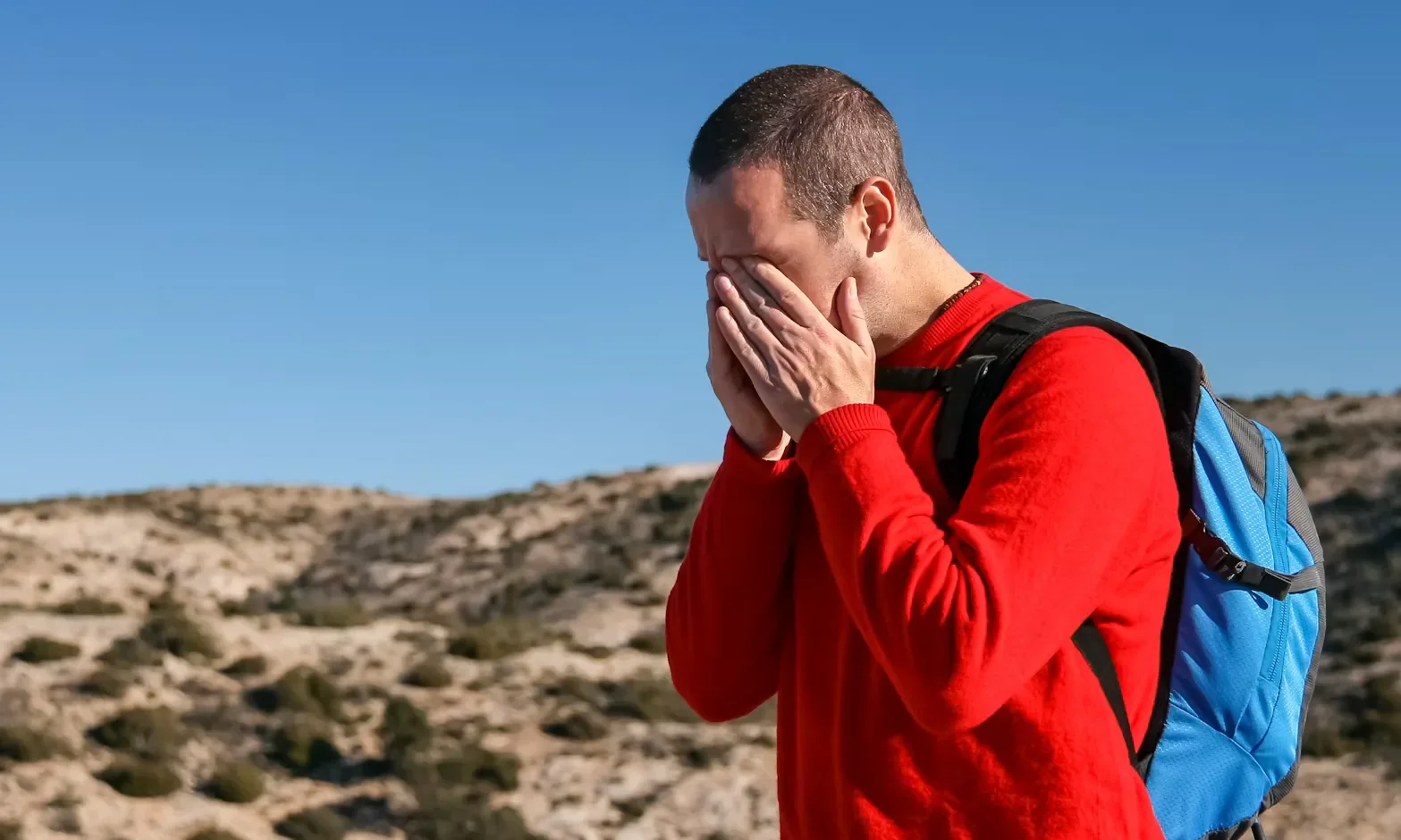
Diamox side effects are usually mild and harmless. The most common are tingling or pins-and-needles in the fingers, toes, and lips, frequent urination, and a strange flat or metallic taste, especially noticeable when drinking fizzy soft drinks. These are signs the drug is working, not warning signs.
That tingling sensation, called paresthesia, surprises a lot of first-timers. It is completely normal and fades when you stop the medication. The taste change is the reason your evening Coke or beer suddenly tastes like dishwater at altitude.
Acetazolamide is a sulfa-based drug. People with sulfa allergy should consult a doctor before use, as caution is advised. It can also increase sun sensitivity, so keep your sunscreen and glacier glasses handy above the treeline.
Because it is a diuretic, Diamox makes hydration even more important than usual. You must drink consistently to replace the extra fluid you lose. Aim for 3-4 liters of treated water per day, which brings us to a critical environmental rule below.
This is the single most important section in this guide. The unbreakable rule of high-altitude trekking is that above 3,000 meters, your sleeping elevation should rise by no more than 300-500 meters per day, with a mandatory rest day every 1,000 meters of net gain.
Diamox does not change this math. Trekkers who treat the pill as permission to climb faster are the ones our rescue contacts pull off the mountain by helicopter. The medication is insurance on top of a safe plan, never a replacement for one.
Built-in rest days at Namche Bazaar and Dingboche (4,410 meters) on the Everest route, or at Manang on the Annapurna Circuit, exist for a reason. Use them to hike high and sleep low. You can read more about the physiology in our deep dive on high-altitude trekking logistics.
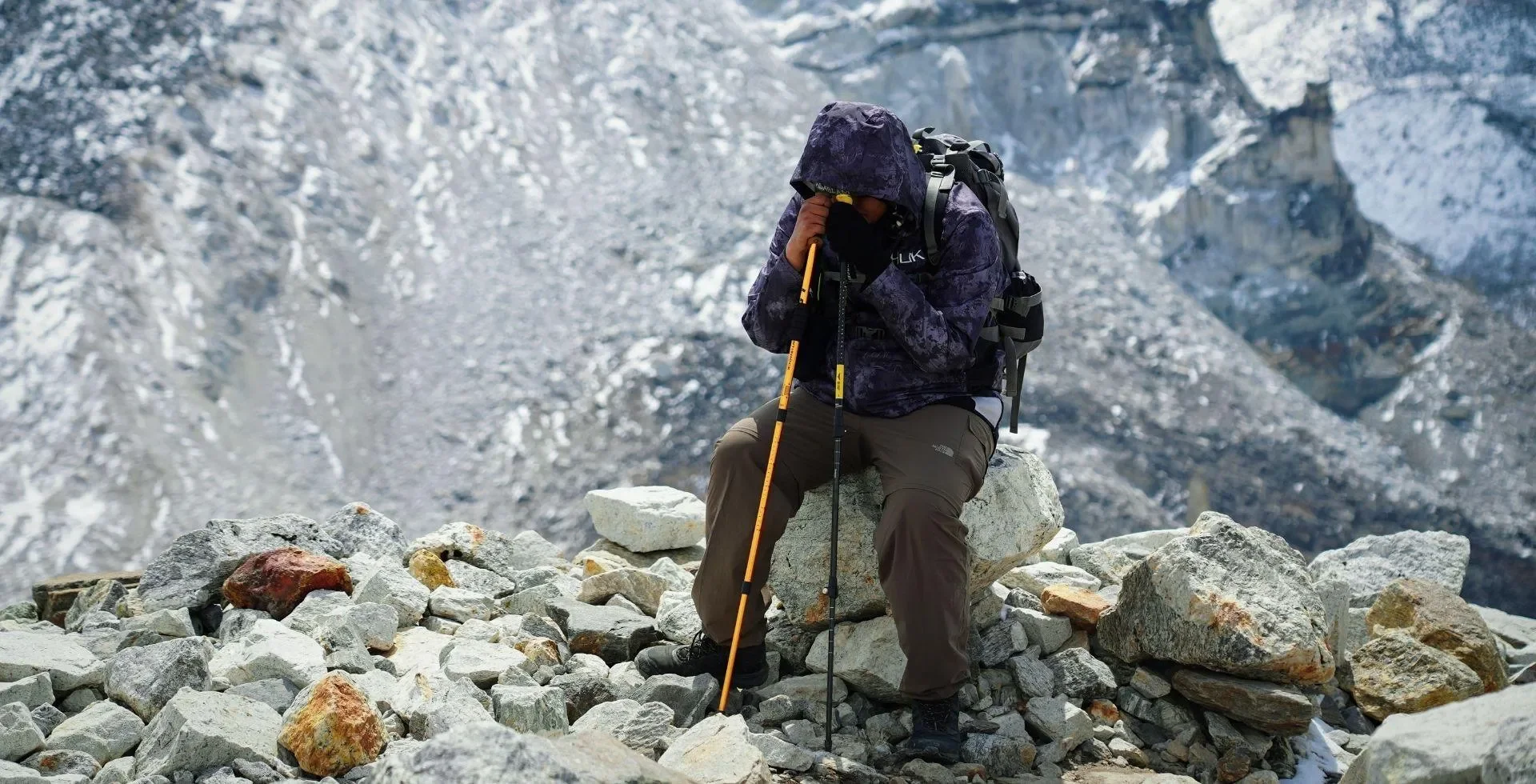
Diamox prevents and eases mild Acute Mountain Sickness, but it does not treat the two killers: High Altitude Pulmonary Edema (HAPE) and High Altitude Cerebral Edema (HACE). For these life-threatening conditions, the only reliable treatment is immediate descent, ideally 500-1,000 meters lower.
Warning signs that demand you stop and descend include a headache that painkillers won't touch, loss of coordination (try walking heel-to-toe in a straight line), shortness of breath at rest, a wet cough, or confusion. Never let anyone with these symptoms keep climbing because they took a pill.
This is exactly why insurance matters. Standard travel coverage is not enough for Nepal's high routes.
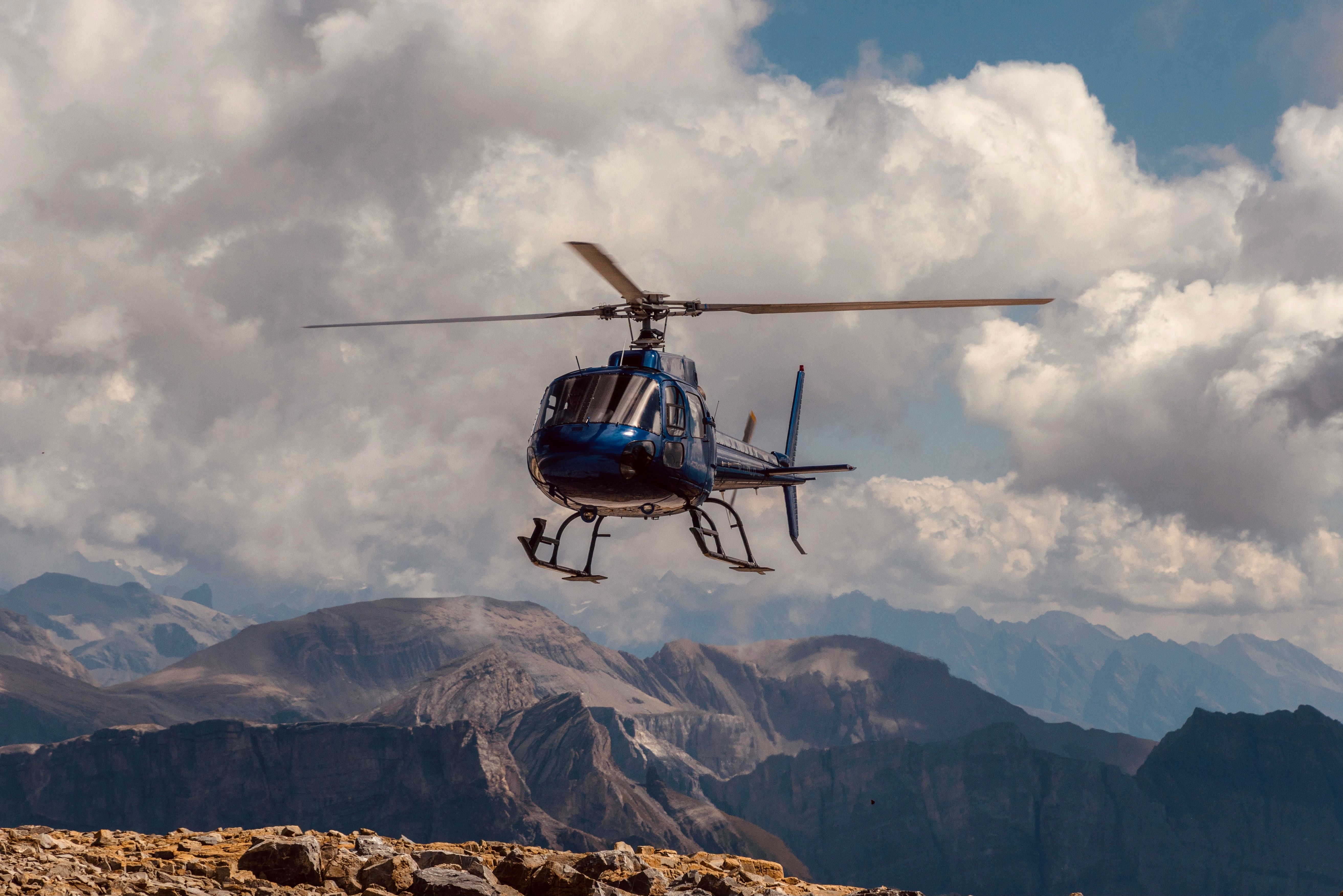
For any high-altitude trek in Nepal, you must carry insurance that specifically covers emergency helicopter evacuation up to 6,000 meters plus medical treatment for AMS, HAPE, and HACE. For Restricted Area Permits like Manaslu and Upper Mustang, this insurance is legally required to issue the permit in 2026.
A confirmation email from a budget travel policy will not do. Our field teams need a policy that names high-altitude trekking and helicopter rescue explicitly. A single evacuation flight from the Khumbu can cost thousands of US dollars, billed to your card on landing if you're uninsured.
Diamox is widely available over the counter at pharmacies in Kathmandu and Pokhara for roughly NPR 50 to 150 per strip, far cheaper than at home. We strongly recommend buying it in the city before you start walking, since pharmacy stock past Namche Bazaar or Jomsom is unreliable.
The same cash logic applies to everything on the trail. Reliable ATMs end in Kathmandu or Pokhara. While Namche Bazaar and Jomsom technically have ATM machines, they frequently run out of cash or lose network connectivity. Carry enough Nepalese Rupees (NPR) in cash for the entire trek from the city.
Budget extra for common trail upcharges: charging a power bank, a gas-heated hot shower, or using localized Wi-Fi access (like Everest Link) each typically costs an extra 200 to 700 NPR per use.
What you eat affects how well you cope with thin air as much as any pill. Prioritize fresh, locally grown carbohydrates, and make the traditional Dal Bhat (lentil soup, rice, and vegetable curry) your staple. It is clean, high-energy fuel, and most teahouses offer free refills.
We advise sticking to vegetarian meals on the trail, especially in the Buddhist Khumbu region where slaughtering animals is prohibited by local law. All meat is carried up by foot or mule over several days without refrigeration, so it carries a real risk of food poisoning that you absolutely do not want at 4,000 meters.
Because Diamox dehydrates you, water is non-negotiable. Please do not buy single-use plastic bottles on the trail, which pile up as litter in fragile alpine villages. Carry a reusable bottle paired with an active purification system such as a UV purifier, a Sawyer squeeze filter, or chlorine dioxide drops.
Refill from teahouse taps and springs, treat the water, and you'll save money while protecting the mountains. Our full trek packing list covers the exact filtration gear we recommend.
Nepal now strongly enforces licensed guides across its major trekking regions. As of March 2026, a single traveler can finally obtain a Restricted Area Permit (the old two-person minimum is gone), but you still must hire a licensed guide, with a guide-to-trekker ratio capped at 1:7 in restricted zones.
Please note that the Everest region requires a combination of local and national fees. Trekkers heading to the Khumbu must have the standard mandatory e-TIMS card (NPR 2,000), the Khumbu Pasang Lhamu Municipality fee (NPR 3,000), and the Sagarmatha National Park Permit (NPR 3,000).
If you're flying to Lukla during the absolute peak windows (mid-March to mid-May and late September to late November), expect flights to operate out of Manthali Airport in Ramechhap rather than Kathmandu. This requires a 4-to-5-hour drive from Kathmandu starting around 1:00 AM, so building 1 or 2 buffer days into your itinerary is essential. Full fee breakdowns live in our guide to trekking rules and cost.
On-arrival tourist visa fees for 2026 are $30 USD for 15 days, $50 USD for 30 days, and $125 USD for 90 days (Note: SAARC citizens receive a free 30-day visa on arrival for their first visit of the calendar year, and Indian nationals do not require a visa).
Diamox keeps your head clear enough to enjoy the culture around you, so honor it. Always pass mani stones, chortens, and stupas on the left, keeping the structure to your right, and walk clockwise around any religious monument.
Remove your shoes and hat before entering any monastery or temple. Outdoor photography is fine, but photographing inside a monastery prayer hall is strictly prohibited unless a resident monk gives you explicit permission.
At the end of your trek, remember that tipping your crew is culturally expected and a vital supplement to their income. A standard range is 15% to 20% of your total trek cost, distributed among your guide and porters.
If you're trekking in June through August, most of Nepal is wet and leech-prone, but Upper Mustang and Upper Dolpo sit in the Himalayan rain shadow. These high desert valleys stay dry and clear through the summer monsoon, making them premier warm-season destinations. Diamox advice applies fully here, since Mustang's passes climb well above 3,800 meters. See our Upper Mustang trek guide for the seasonal details.
Diamox is a genuinely useful tool that makes high-altitude trekking safer and more comfortable when used correctly. But it is the supporting actor, never the star. The real protection comes from a slow itinerary, honest self-monitoring, proper insurance, and the willingness to turn around when your body says stop.
Pair the pill with patience, drink plenty of treated water, eat your Dal Bhat, and listen to your guide. Do that, and you'll stand at your base camp feeling strong instead of broken.
Yes. Acetazolamide speeds acclimatization by mildly acidifying the blood, which stimulates breathing and raises oxygen levels. Studies show it reduces Acute Mountain Sickness by roughly 40-50% at a 125mg twice-daily dose, but it never replaces a slow, sensible ascent profile.
Begin 24 hours before ascending above 3,000 meters and continue for 2-3 days at altitude until acclimatized. On the Everest Base Camp trek, many trekkers start the morning they leave Namche Bazaar. Always confirm timing with a doctor first.
Tingling in the fingers, toes, and lips, frequent urination, and a flat or metallic taste when drinking fizzy drinks. These are harmless. Anyone with a sulfa allergy must avoid it without medical clearance.
No. Diamox prevents and eases mild symptoms but does not cure severe AMS, HAPE, or HACE. The only reliable treatment for serious altitude illness is immediate descent. Never use the pill to justify climbing higher with symptoms.
Over the counter at pharmacies in Kathmandu and Pokhara, usually NPR 50 to 150 per strip. Buy it in the city before you trek, because stock past Namche Bazaar or Jomsom is unreliable.
No. But high-altitude helicopter evacuation insurance is legally required for Restricted Area Permits in 2026, and a licensed guide is mandatory across all major trekking regions.
Get travel ideas and local experiences from My Easy Guide in your inbox.
Spam free. Unsubscribe anytime. We respect your privacy.