The alarm goes off at 4:15 AM and you question every life decision. Then thirty minutes later you're standing on a cool hilltop above Pokhara, watching the first gold light crawl across the fishtail summit of Machhapuchhre while the valley below is still asleep under a blanket of mist. That is the Sarangkot trade-off, and on a clear morning it pays out in full.
Our field coordinators in Pokhara run this route most weeks during season, and we've tracked exactly what works, what costs what, and when it's genuinely worth dragging yourself out of a warm bed. Here is the honest 2026 breakdown.
What Is Sarangkot and Why Go for Sunrise?
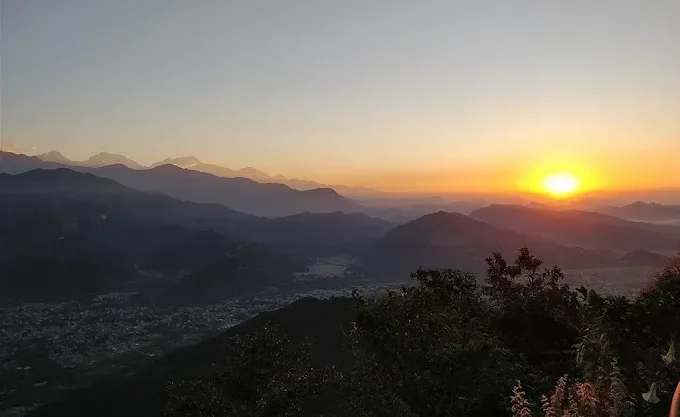
Source: Sarangkot Sunrise Pokhara, Stunning sunrise view over the Annapurna mountain range from Sarangkot viewpoint in Pokhara
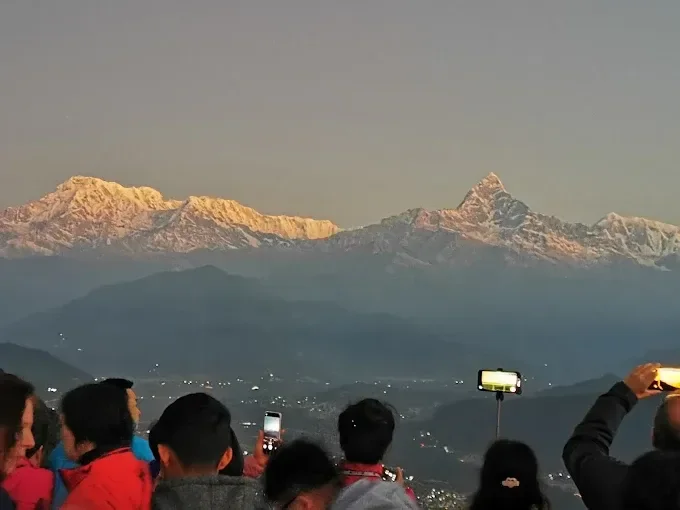
Sarangkot is a hilltop viewpoint at roughly 1,600 meters on the ridge northwest of Pokhara, about 30 to 45 minutes by road from Lakeside. It is the most accessible Himalayan sunrise spot in Nepal, offering a panoramic line of peaks including Annapurna South, Hiunchuli, and the sacred Machhapuchhre (Fishtail).
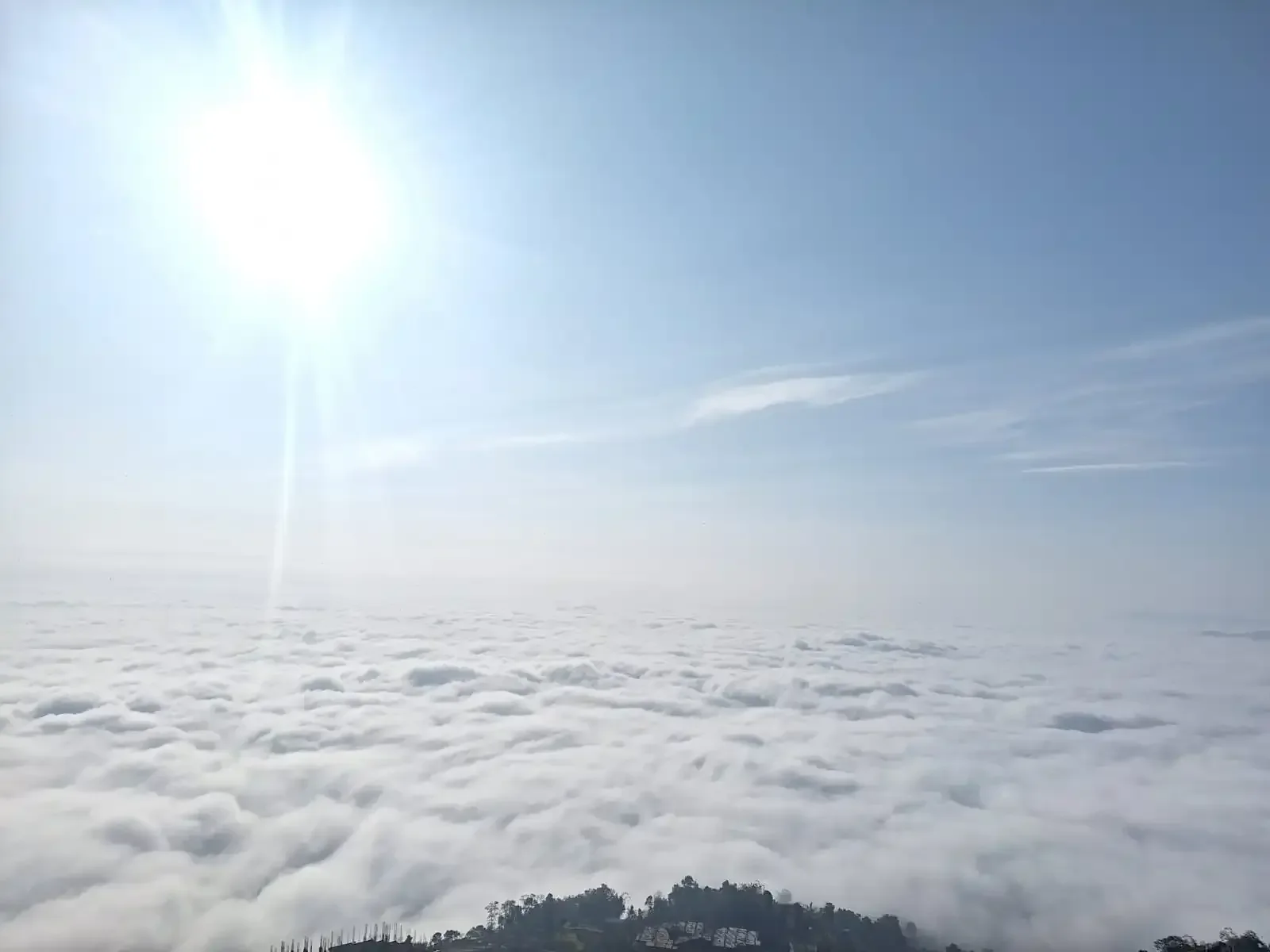
The appeal is the staging of the light. The sun rises behind the eastern hills, and instead of one big reveal, you watch the alpenglow move down the peaks one by one. Below you, the Pokhara valley and Phewa Lake usually sit under a low cloud layer, which makes the snow line above feel like a separate world.
Sarangkot is also Nepal's busiest paragliding launch site, so by late morning the same ridge fills with colorful canopies. The sunrise crowd and the flying crowd rarely overlap.
Sarangkot Sunrise Time in 2026 (Month by Month)
Sunrise from Sarangkot falls between roughly 5:10 AM and 6:50 AM depending on the season. To catch the full color sequence on the peaks you should be standing at the viewpoint at least 20 minutes before the official sunrise time, since the alpenglow starts before the sun clears the horizon.
A little inspiration for your next trip
Get travel ideas and local experiences from My Easy Guide in your inbox.
Spam free. Unsubscribe anytime. We respect your privacy.
Season
Approx. Sunrise
Leave Lakeside By
Mountain Clarity
Spring (Mar-May)
5:20-5:50 AM
4:30 AM
Very good, some haze later
Monsoon (Jun-Aug)
5:10-5:30 AM
4:30 AM
Often cloudy, low odds
Autumn (Sep-Nov)
5:50-6:20 AM
5:00 AM
Best of the year
Winter (Dec-Feb)
6:30-6:50 AM
5:30 AM
Crystal clear, very cold
Autumn, especially October and November, gives you the most reliable combination of clear skies and comfortable temperatures. Winter mornings are the sharpest for photography but expect near-freezing air on the ridge, so pack a down layer. For a deeper seasonal comparison, see our breakdown of September versus October in Nepal.
How Much Does the Sarangkot Sunrise Cost?
Budget roughly NPR 100 to NPR 150 for the foreign-visitor entry fee at the upper viewpoint, plus your transport. A round-trip private taxi from Lakeside that waits for you generally costs NPR 2,500 to NPR 4,000, while a seat on a shared sunrise tour is cheaper per person.
Transport is the volatile part of this budget. Fuel prices, season, and how long the driver waits all move the number, so confirm a fixed round-trip price with the driver before you set off, including the wait time at the top. We always recommend agreeing the figure out loud, in NPR, before getting in.
Item
Typical Cost (verify live)
Viewpoint entry fee
NPR 50-100
Round-trip private taxi (with wait)
NPR 2,500-4,000
Shared group sunrise tour (per person)
Lower, varies by operator
Hot tea / coffee at the top
NPR 100-300
Carry small NPR cash. The hilltop tea stalls and the ticket counter do not take cards, and there is no ATM at the viewpoint. Pokhara itself has plenty of ATMs in Lakeside, so withdraw what you need the evening before.
Getting to Sarangkot from Pokhara
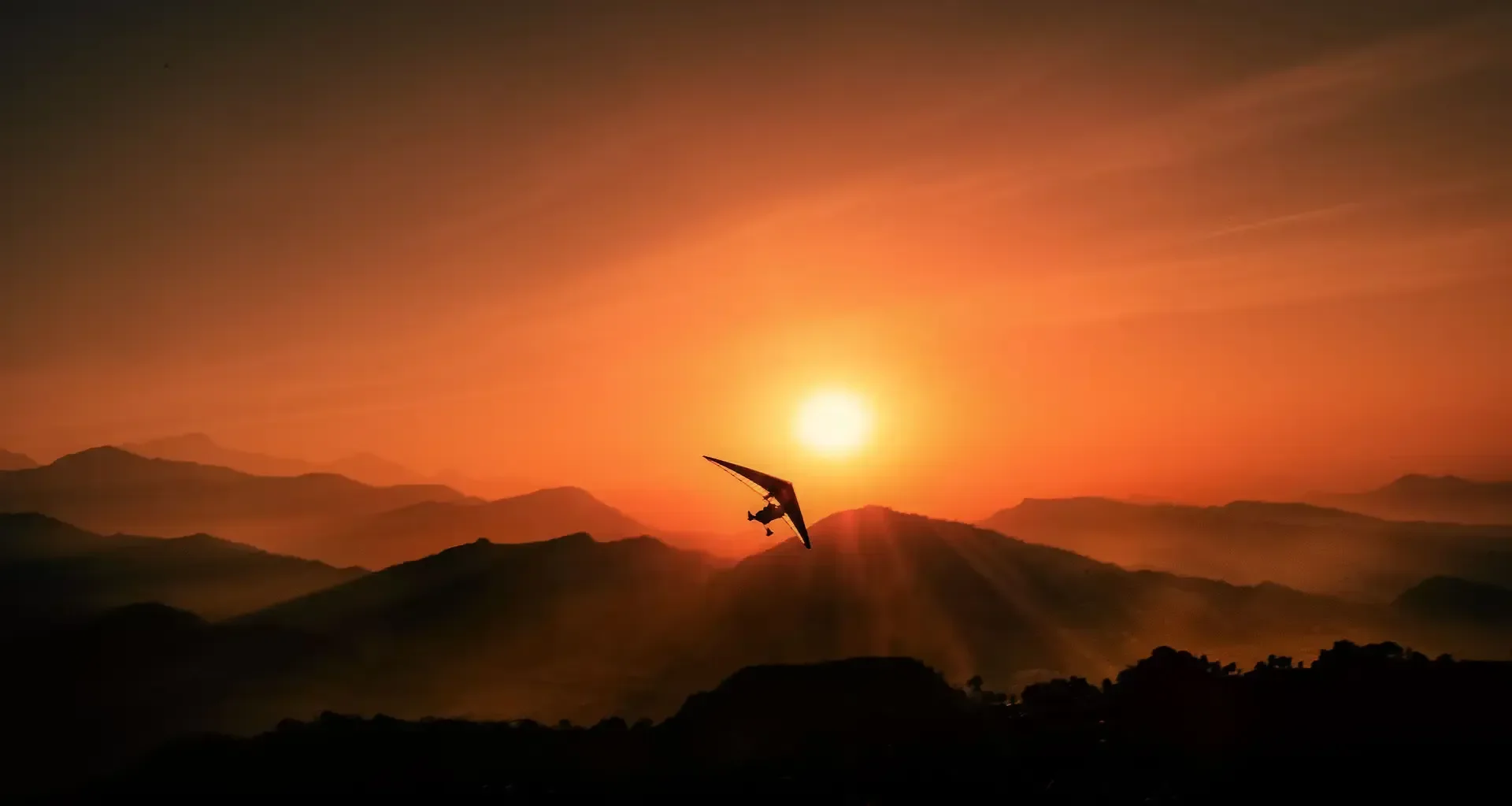
Ultralight flight during sunrise over Sarangkot viewpoint in Pokhara
The standard route is a 30 to 45 minute taxi ride from Lakeside up a winding paved road to a parking area, followed by a short 10 to 15 minute walk and stair climb to the upper viewpoint. The road is steep and dark in the pre-dawn hours, so a reliable driver matters more than saving a few rupees.
A few practical options:
Annapurna Cable Car: The newest and fastest option skips the winding roads entirely. It glides from the bottom station at Sedi Bagar (just a few minutes from Lakeside) straight up to Sarangkot in about 9 minutes. To help visitors catch the iconic sunrise, it starts operating early at 5:00 AM. There is even a complimentary early morning shuttle bus that picks up guests from various Lakeside streets starting at 4:20 AM to bring them to the base station. Once you land at the top station, it is just an easy 6 to 10 minute walk to the main viewpoint.
Private taxi: The most common and flexible driving choice. Your driver waits and brings you back down.
Scooter or motorbike: Cheap and fun if you ride confidently, but the dark switchback descent is not for nervous riders.
Hike up: Fit travelers staying near the base can walk up the trail in roughly 1.5 to 2 hours, but you'd need to start well before 4:00 AM.
Organized group tour: Picks you up from your hotel and handles tickets, ideal for solo travelers.
Annapurna Cable Car Ticket Prices
The round-trip fares for the cable car vary depending on nationality:
Nepalese Citizens: NPR 400 (One-Way) / NPR 700 (Two-Way) (Discounts are typically available for students and elderly citizens with official ID).
SAARC Country Citizens: NPR 700 (One-Way) / NPR 1,000 (Two-Way).
Foreigners / Third Country Citizens: USD 8 (One-Way) / USD 12 (Two-Way).
For SIM connectivity in this region, Ncell gives strong coverage across the Pokhara valley and the Annapurna foothills, which helps if you want to check the live weather forecast from your bed before committing.
Is the Sarangkot Sunrise Actually Worth It?
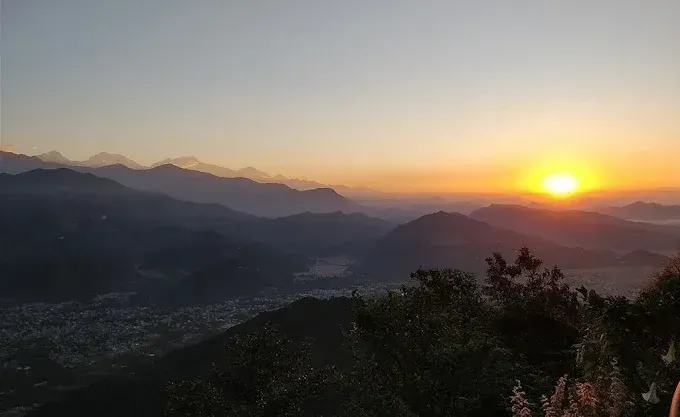
Golden sunrise above the clouds viewed from Sarangkot viewpoint in Pokhara
For most visitors, yes, the Sarangkot sunrise is worth the early start, provided the forecast is clear. On a good morning the layered alpenglow on Machhapuchhre and the Annapurna range is one of the easiest big-mountain experiences in Nepal. On a cloudy morning, it is a cold, crowded hill with a grey sky.
The deciding factor is weather, not effort. Check the forecast the night before and ask your hotel or our local team what the peaks have looked like over recent mornings. In peak autumn season the upper platform gets busy, so arriving early also secures you a clear sightline.
If you only have one clear morning and you're choosing between Sarangkot and a viewpoint hike, Sarangkot wins on convenience. For travelers who want the same panorama with a short trek attached, the nearby Mardi Himal trek or the classic Ghorepani Poon Hill trek deliver a more earned reward.
What to Pack and What to Expect on the Ridge
Mornings on Sarangkot are far colder than Lakeside, even in shoulder seasons. The ridge sits exposed at 1,600 meters and the pre-dawn wind cuts through light clothing, so dress in layers you can shed once the sun warms the air.
Warm insulated jacket or fleece, plus a hat in winter
Small NPR cash for entry, tea, and tips
Headlamp or phone torch for the dark walk to the platform
Camera with a charged battery (cold drains batteries fast)
A reusable water bottle rather than buying single-use plastic
There is a tiered concrete observation tower and several tea stalls at the top. A hot cup of milk tea on a cold ridge while the peaks light up is, in our opinion, the best NPR 150 you'll spend in Pokhara.
Combining Sarangkot with the Rest of Pokhara
Because the sunrise wraps up by around 7:00 AM, you have a full day ahead. Most visitors head back down for breakfast and then explore the lake. Sarangkot pairs naturally with a relaxed Pokhara itinerary built around water and viewpoints.
Popular add-ons include boating on Phewa Lake, the World Peace Pagoda across the water, and the caves and waterfalls on the south side of town. If you're still deciding when to come, our guide to the best time to visit Pokhara lines up perfectly with the sunrise seasons above. Many travelers also use Pokhara as the launch pad for the wider Annapurna region treks.
A Quick Cultural Note
Sarangkot is a working hilltop village, not just a viewpoint. If you pass any small shrines, chortens, or mani stones on the upper trail, keep them on your right and walk clockwise around religious structures, as is customary in the region. A simple "Namaste" to the tea-stall owners goes a long way at 5:00 AM.
Final Verdict
Sarangkot delivers a genuine Himalayan sunrise with almost none of the trekking commitment, which is rare in Nepal. Time your visit for a clear autumn or winter morning, lock in your taxi price the night before, carry cash, and bring layers. Do that and the 4:15 AM alarm becomes the easiest sacrifice of your trip.
Frequently Asked Questions
How much does it cost to visit the Sarangkot Viewpoint?
There are two small entry fees to keep in mind when visiting the main ridge:
Sarangkot Hill Entrance Fee: NPR 60 per person.
Sarangkot View Tower Access: A nominal fee of around NPR 50–100 is often charged locally at the very top observation deck for upkeep and safety maintenance.
(Note: This is separate from your transport costs, such as taxi fares or cable car tickets).
Can I take the Annapurna Cable Car for the sunrise?
Yes, absolutely! The Annapurna Cable Car opens early at 5:00 AM specifically to cater to sunrise viewers. The ride from the Sedi Bagar base station up to Sarangkot takes just 9 minutes, and once you land at the top station, it is an easy 6 to 10-minute walk to the main viewpoint.
How much does the Annapurna Cable Car cost?
Round-trip (two-way) ticket rates are fixed by nationality:
Nepalese Citizens: NPR 700 (Students and elderly citizens get discounts with valid ID).
SAARC Country Citizens: NPR 1,000.
Foreigners / Third Country Citizens: USD 12.
Is the Sarangkot sunrise actually worth it?
Yes, provided the weather clears up! On a clear morning, watching the first rays of golden light hit the massive peaks of Machapuchare (Fishtail), Annapurna South, and Dhaulagiri is an unforgettable Himalayan experience.
However, if it is heavily overcast or raining, the mountains will be completely hidden by cloud cover. Always check a live morning weather forecast or look up at the night sky from Lakeside before you make the trip.
What should I wear or bring to Sarangkot?
Even during the warmer summer months, early mornings on the ridge can be quite chilly and windy. It is highly recommended to wear light layers (like a light jacket or fleece wrapper) that you can easily take off later as the sun warms up. Wear sturdy walking shoes for the stairs and paths, and keep a small amount of cash handy for the entry fees and a hot cup of morning tea at the summit.
What time should I leave Pokhara to catch the sunrise at Sarangkot?
To get the absolute best spot, you should plan to leave your hotel in Lakeside between 4:15 AM and 4:30 AM. The drive takes about 30 to 45 minutes, followed by a short walk to the ridge. If you are taking the Annapurna Cable Car, it begins operating at 5:00 AM, and their free morning shuttle bus starts picking up passengers from Lakeside at 4:20 AM.