Travel Guide
15 Best Things to Do in Pokhara: A Local Guide for 2026
AD
Arati Dawadi
11 min read
Arati Dawadi
Most travelers picture Pokhara as just the gateway to the Annapurnas, a place to grab a permit and a hot shower before vanishing into the mountains. That sells the town short. Wake up here on a clear October morning and the Annapurna range and the fish-tail peak of Machhapuchhre hang above the rooftops like a painted backdrop, while paddle boats drift across the still water of Phewa Lake below.
We coordinate trips through Pokhara year-round, and our field contacts know which activities actually deliver and which ones quietly waste your time. Here are the 15 best things to do in Pokhara, with honest local pricing, timings, and the small details that make the difference.
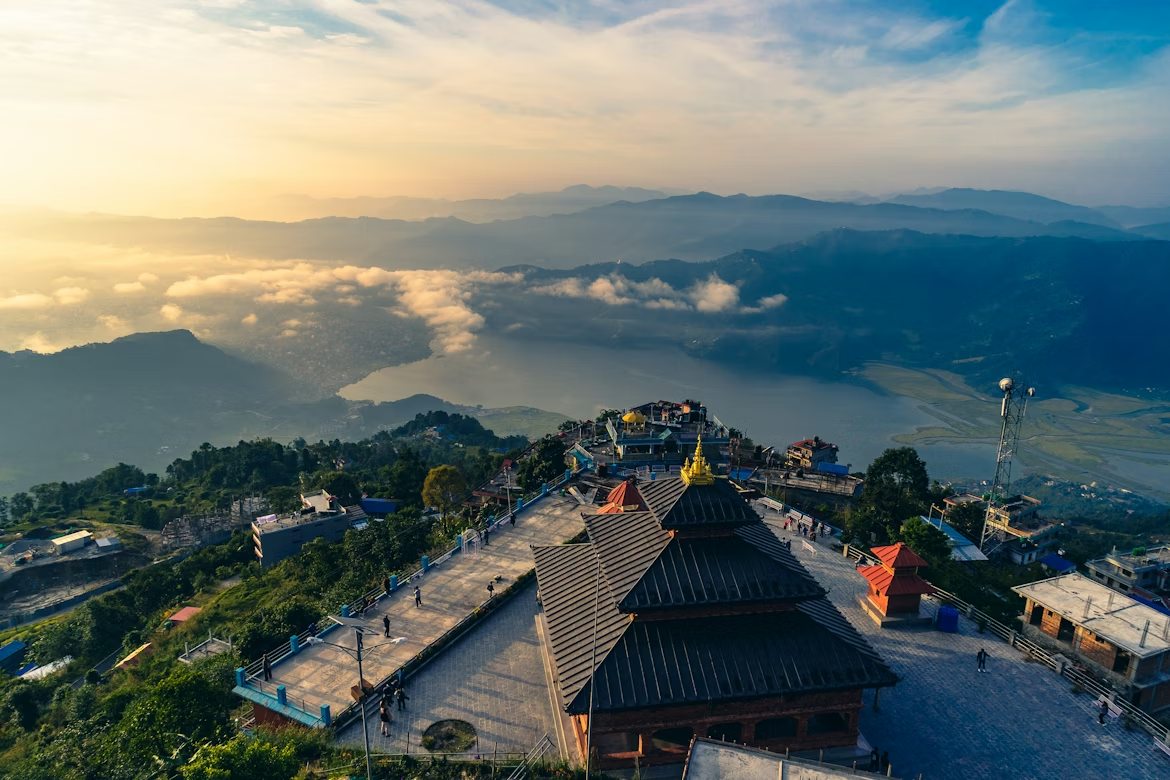
The best things to do in Pokhara mix water, sky, and mountain. Top picks include boating on Phewa Lake, watching sunrise from Sarangkot at 1,592 meters, tandem paragliding, visiting the World Peace Pagoda, exploring Mahendra and Gupteshwor caves, and using the town as a launch point for short Annapurna treks.
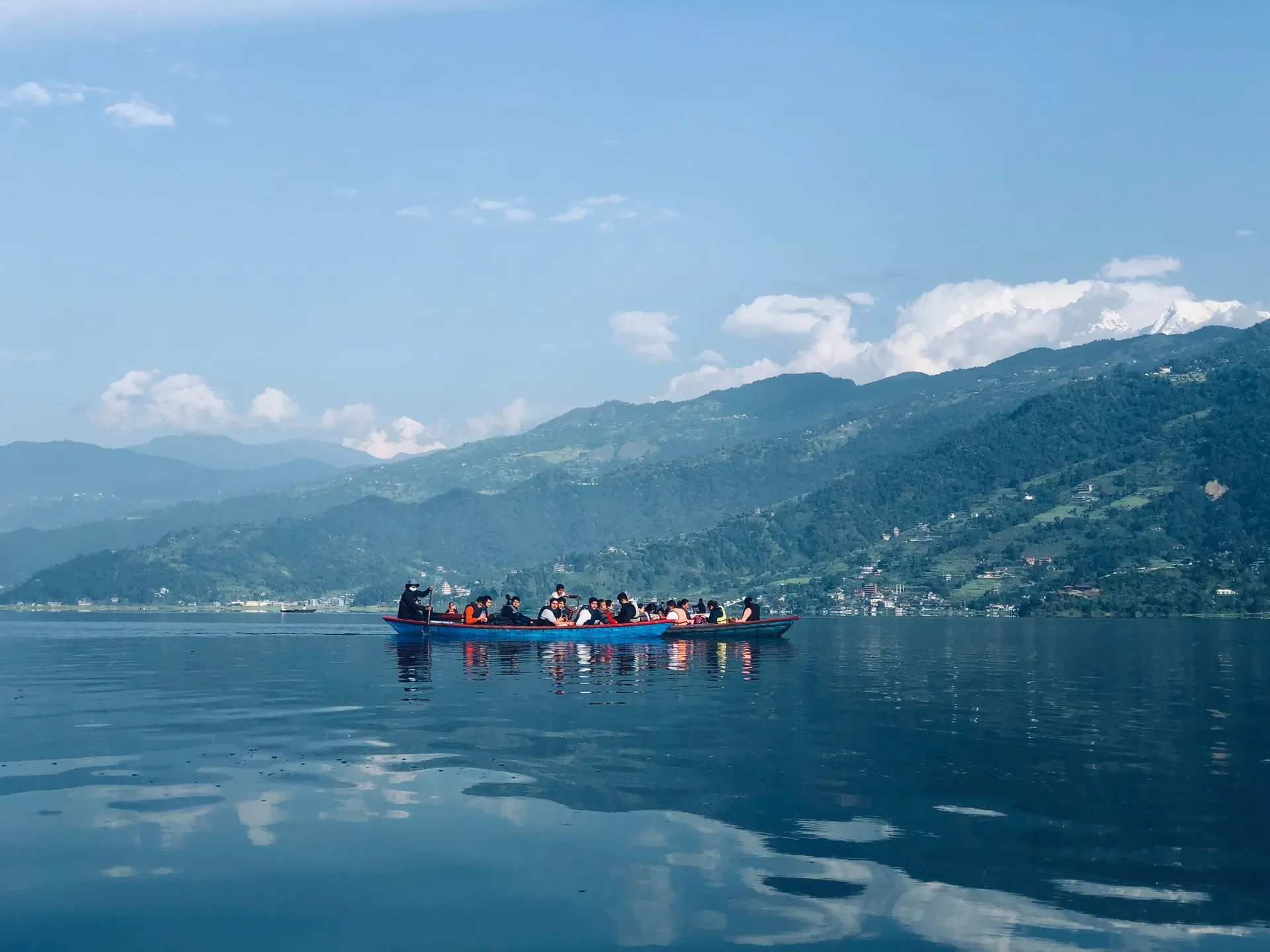
Phewa Lake is the heart of Pokhara, and renting a colorful wooden doonga is the classic experience. A self-rowed boat runs roughly NPR 800 to NPR 1,500 for a few hours, while hiring a boatman costs more, around NPR 2,000 to NPR 2,500. Late afternoon light is best, when the Annapurnas reflect on the water.
Row out to the small island that holds Tal Barahi Temple, a two-tiered pagoda shrine in the middle of the lake. Read our full guide to Phewa Lake boating for dock locations and seasonal water levels.
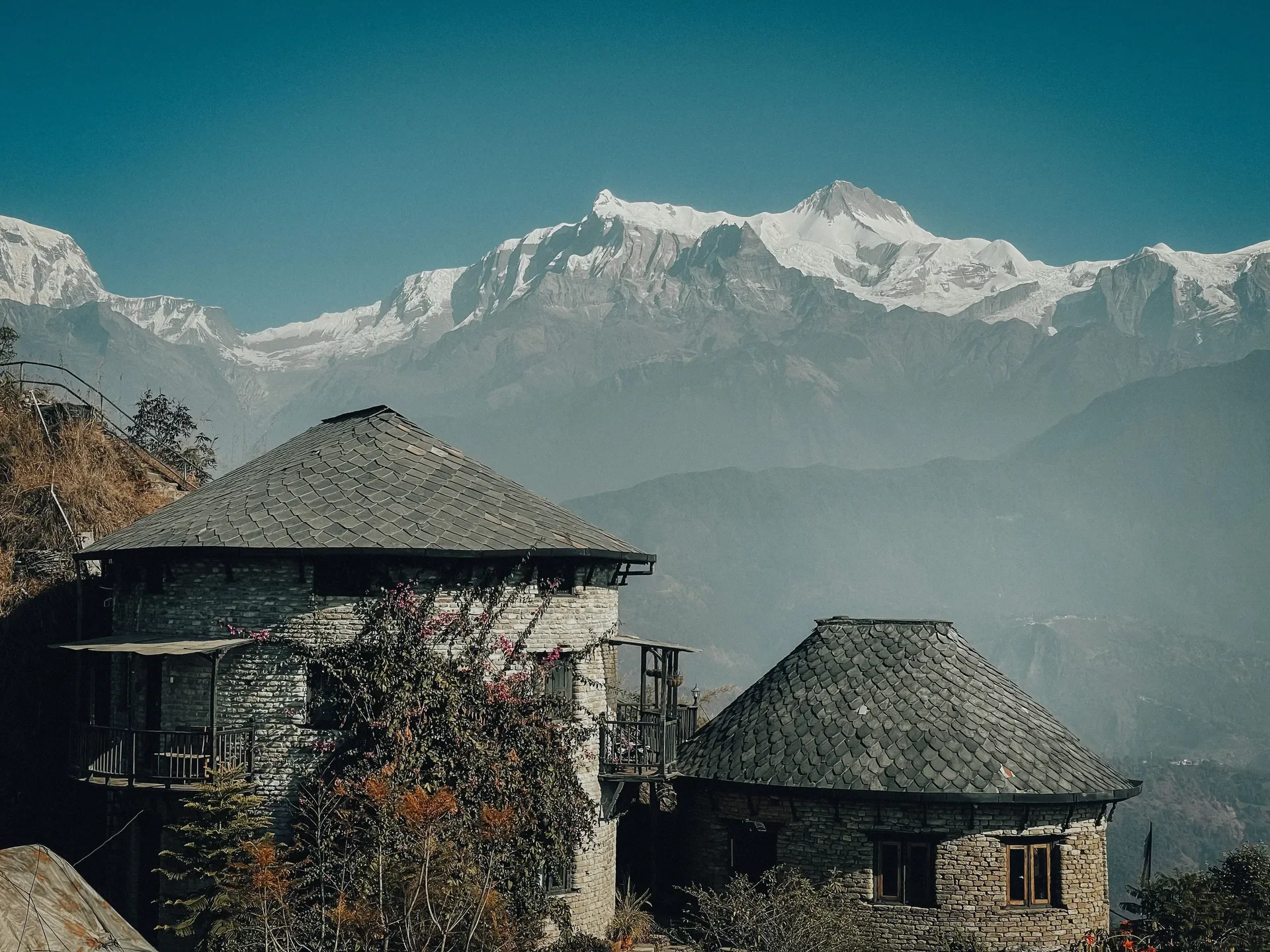
Sarangkot, perched at 1,592 meters, is the most famous sunrise viewpoint in Pokhara. On a clear morning you watch the first light hit Dhaulagiri, Annapurna, and Machhapuchhre while Pokhara still sleeps in the valley below. Entry to the viewpoint is around NPR 50.
Arrange a taxi the night before for the pre-dawn drive, usually leaving Lakeside around 5:00 AM. October through November and March through April give the sharpest visibility; monsoon clouds often hide the peaks.
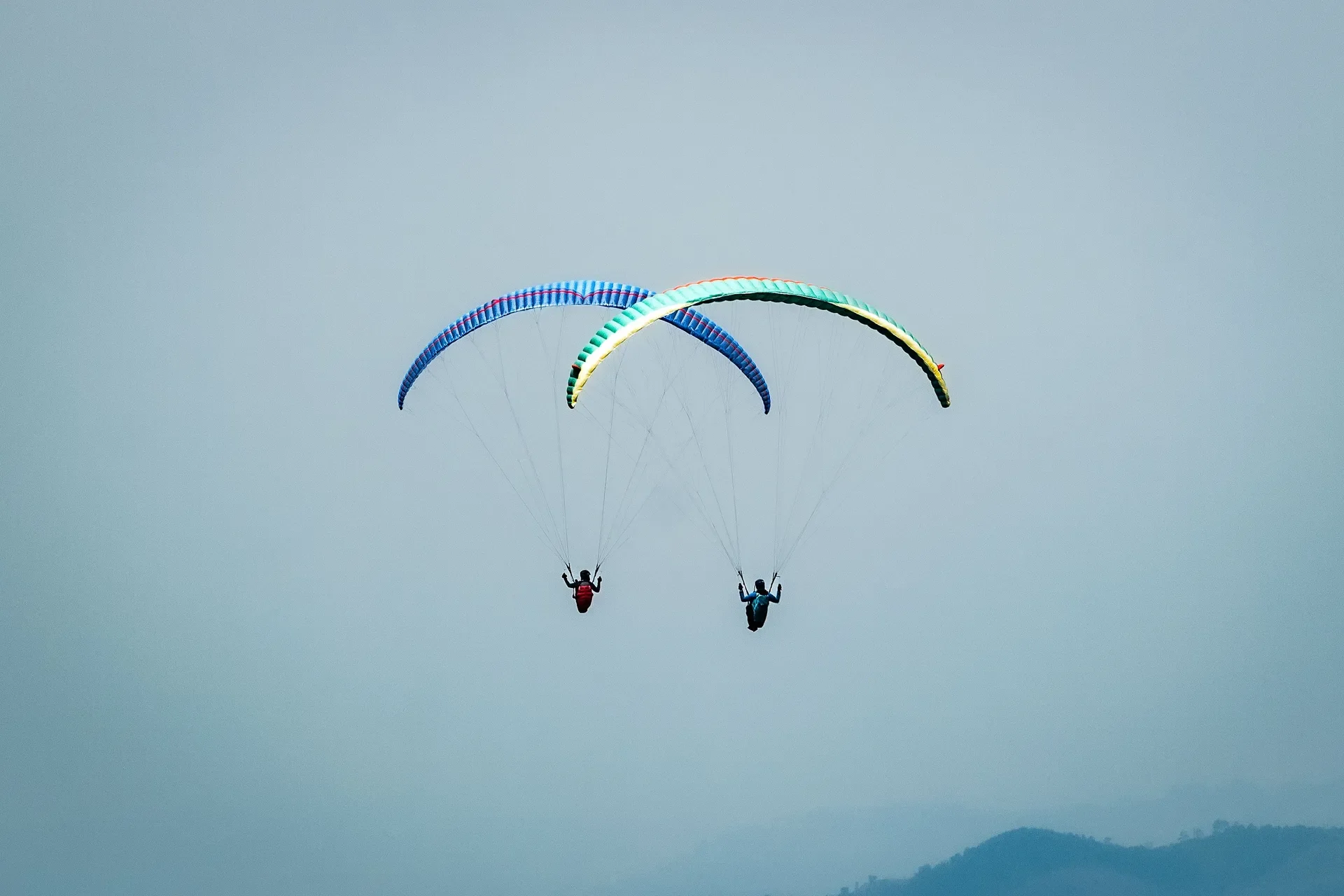
Pokhara is one of the world's top paragliding spots, thanks to reliable thermals rising off the Sarangkot ridge. A tandem flight with a licensed pilot launches from above the lake and lasts roughly 20 to 40 minutes, costing NPR 8,000 to NPR 12,000 depending on duration and season.
Always confirm your operator uses certified pilots and carries proper insurance. Flights run mostly mid-morning when thermals build, and the whole experience is weather-dependent, so keep a flexible window.
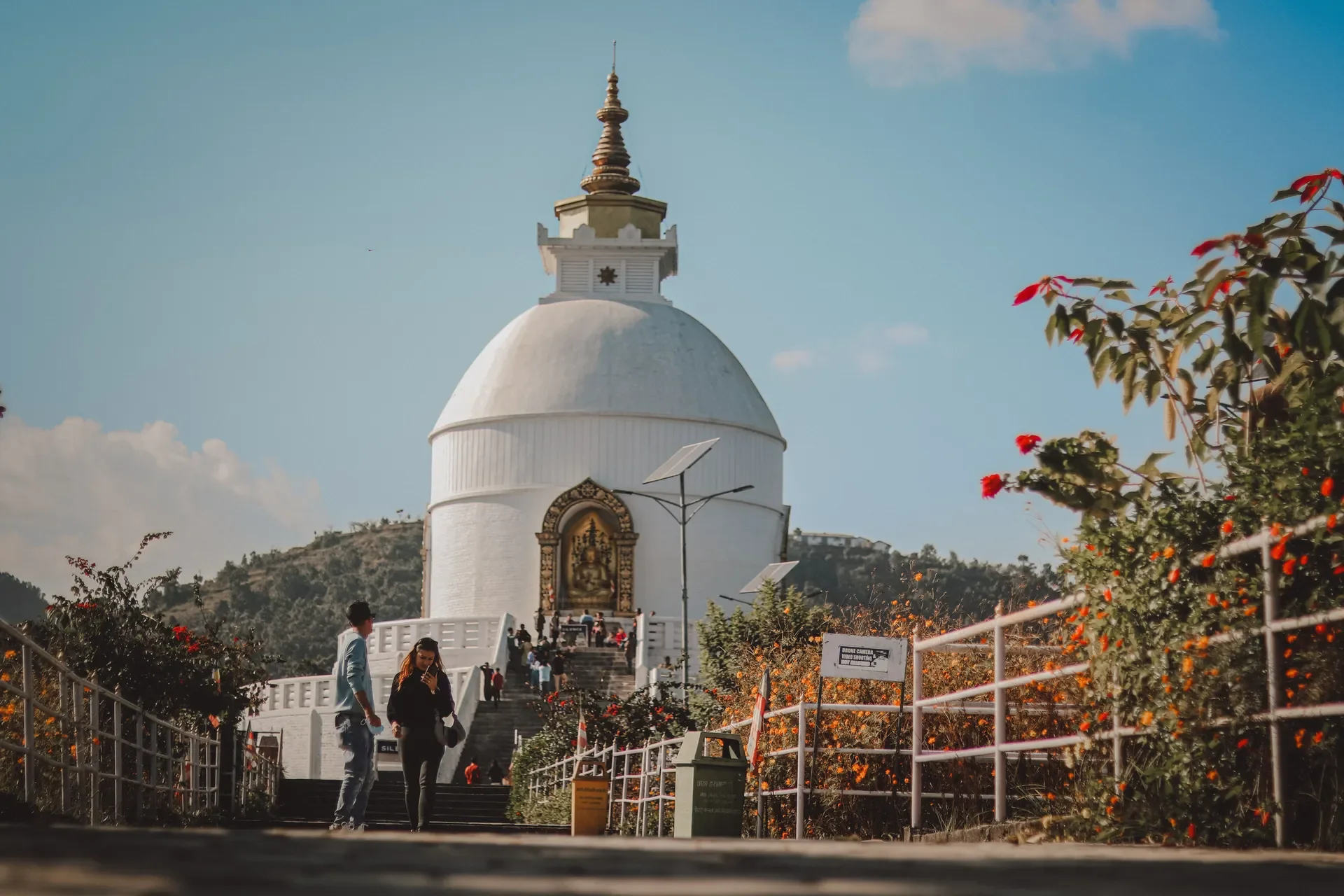
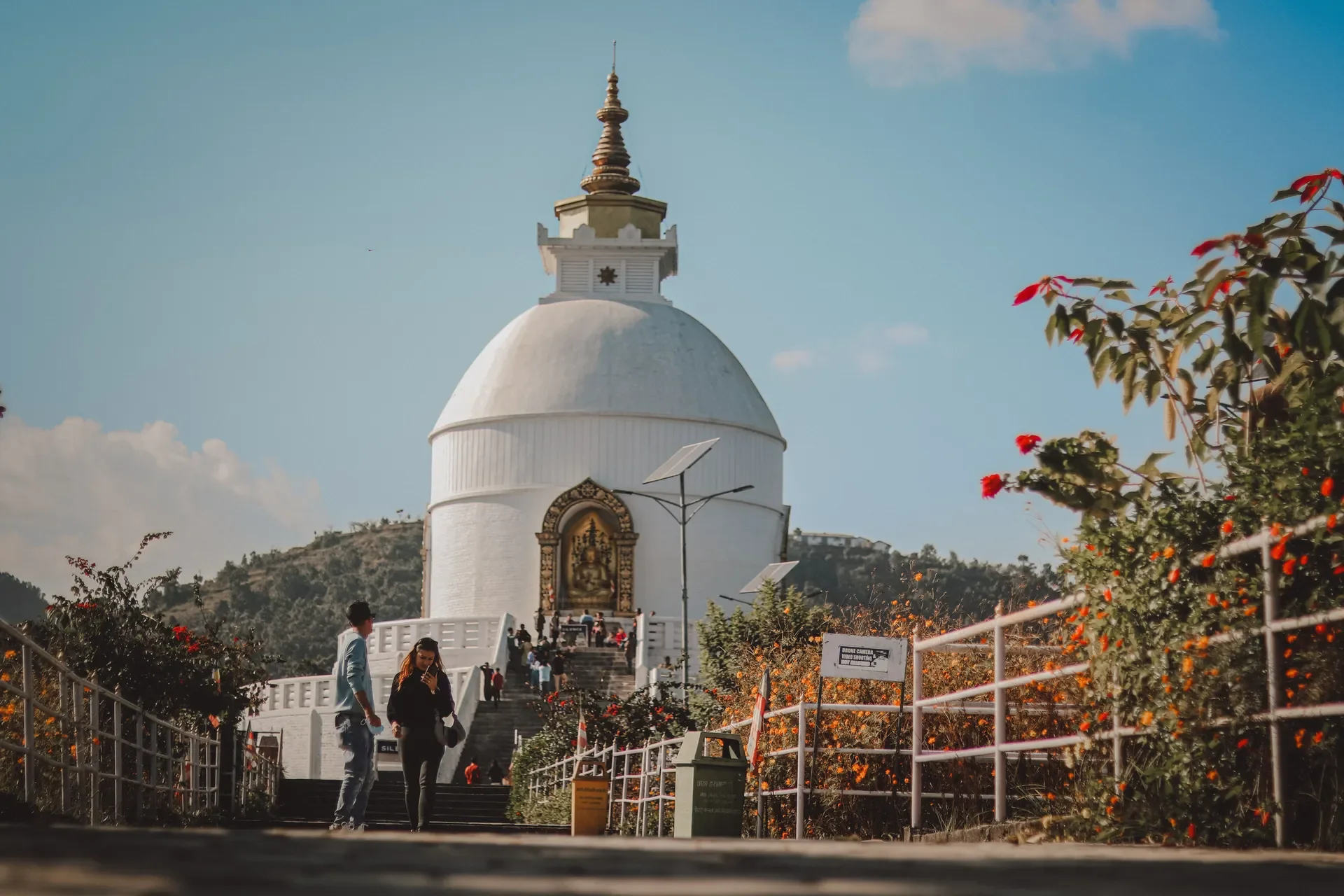
The white Shanti Stupa sits on a forested ridge at around 1,100 meters on the southern shore of Phewa Lake. Entry is free. The panorama from here takes in the full Annapurna range on one side and the entire Pokhara valley on the other.
You can reach it by a short boat ride across the lake followed by a 30 to 45-minute uphill walk, or by taxi from the city side. Sunset here is quieter than Sarangkot and just as rewarding.
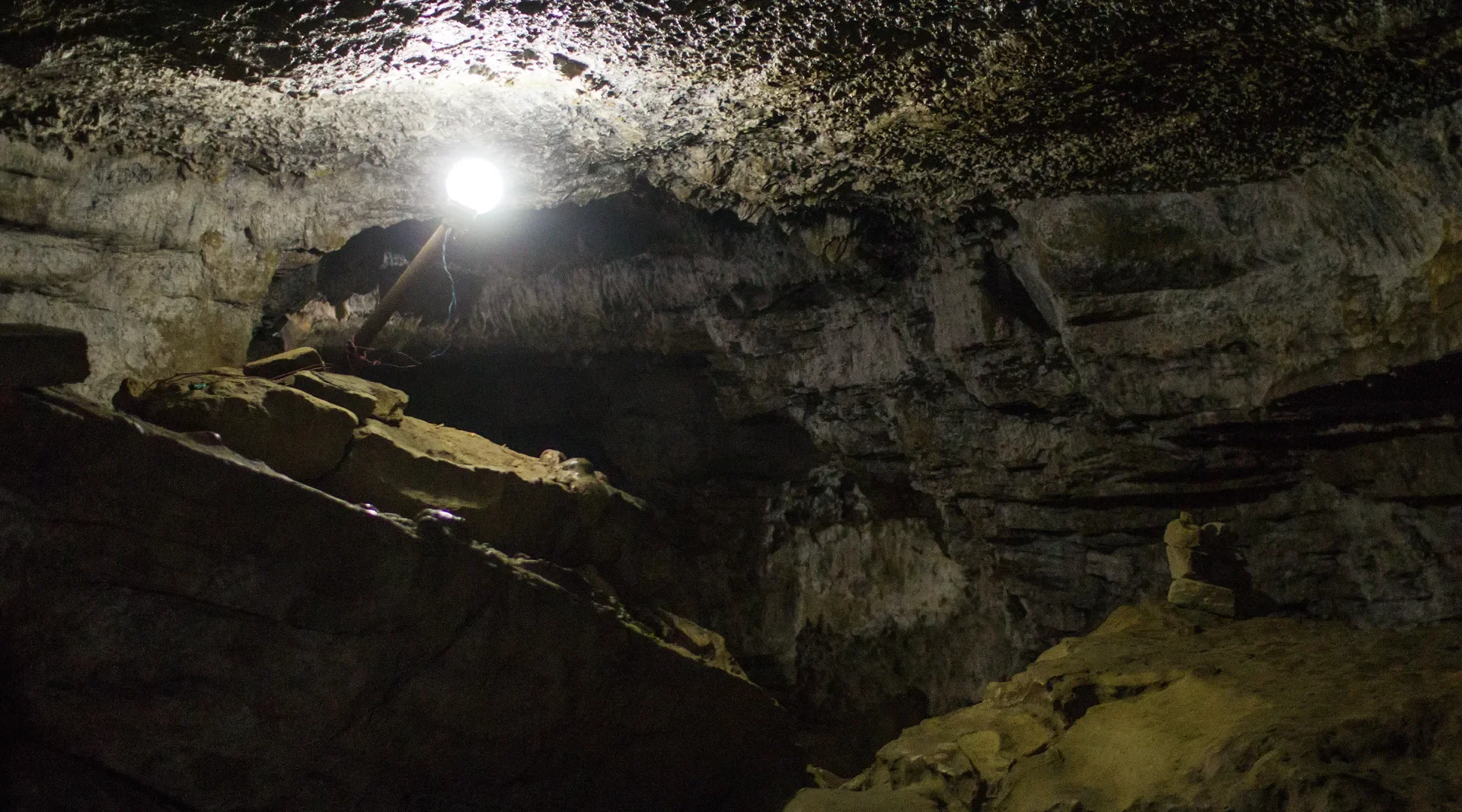
Mahendra Cave, in the northern part of town, is a large limestone cavern with stalactites and a small Shiva shrine inside. Entry costs around NPR 200 to NPR 500. Just a short walk away sits Bat Cave (Chamero Gufa), home to thousands of horseshoe bats clinging to the dark ceiling.
Wear shoes with grip, as the cave floors stay slick and damp. Bring a headlamp even though some sections have lighting.
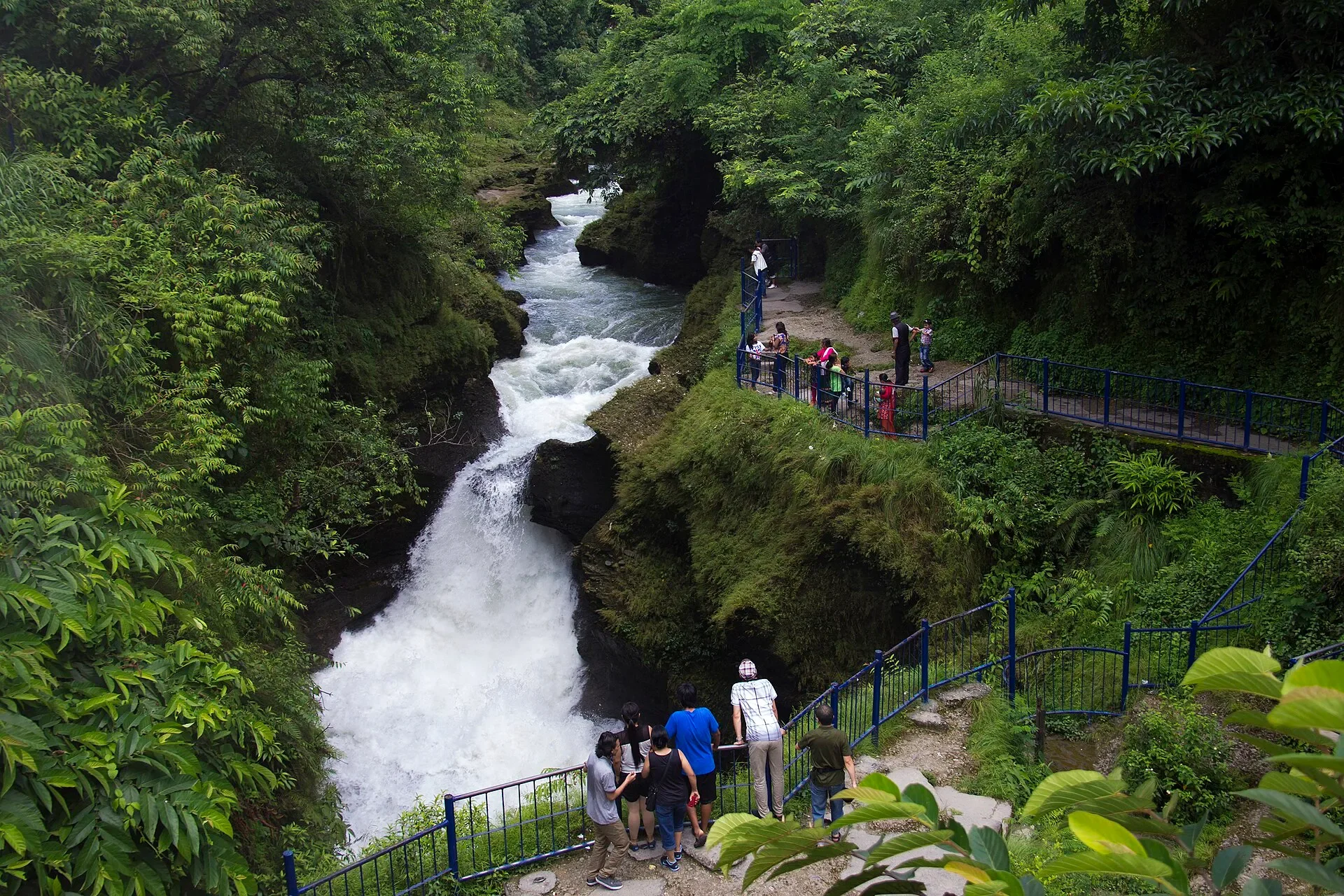
Devi's Fall (Patale Chhango) is a powerful waterfall that vanishes underground into a deep sinkhole, especially dramatic during and just after monsoon. Entry is roughly NPR 100 to NPR 200. Directly across the road lies Gupteshwor Mahadev Cave, where stairs descend toward a sacred Shiva shrine and a viewing point of the same falls from below.
These two sit together on the southern edge of Pokhara and pair naturally with a trip to the Peace Pagoda.
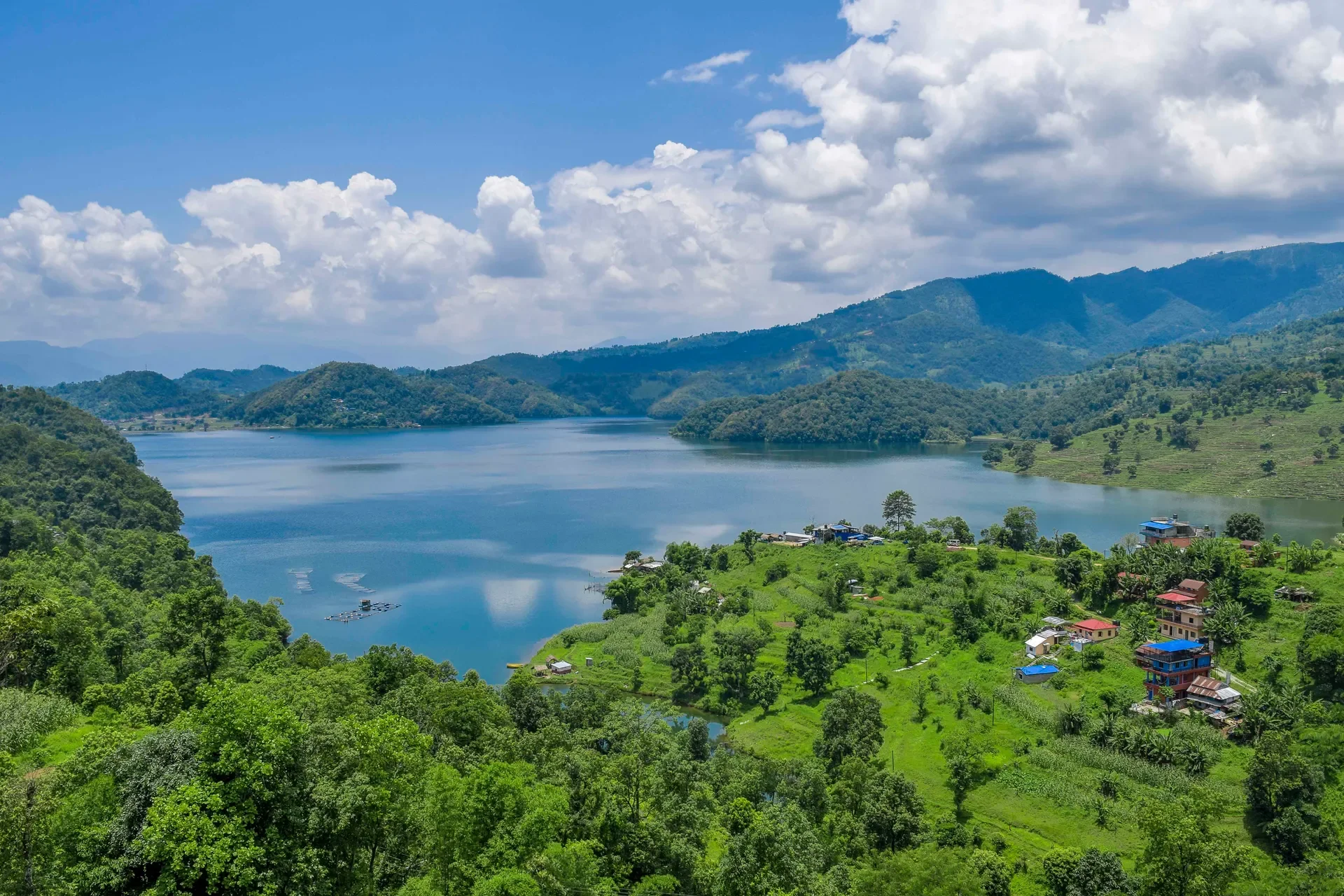
Begnas Lake, about 15 kilometers east of central Pokhara, is the calmer, greener cousin of Phewa. Far fewer tourists make it out here, so you get terraced hills, fishing boats, and quiet lakeside cafes. Boat rentals are cheaper than in Lakeside.
A short hike along the ridge between Begnas and the neighboring Rupa Lake rewards you with views over both bodies of water and the surrounding farmland.
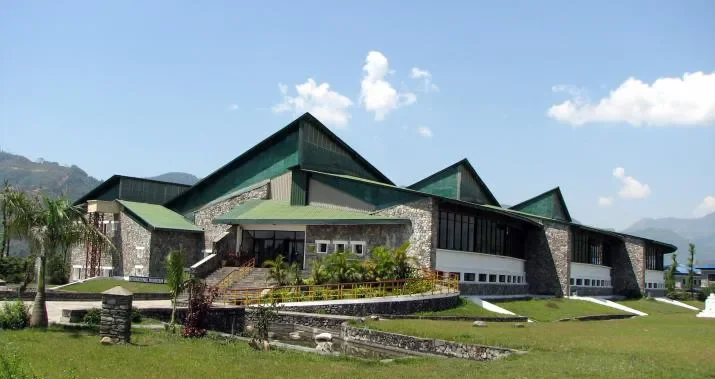
This museum, near the airport, tells the story of Himalayan mountaineering, the peoples of Nepal's high regions, and the geology of the range. Entry runs about NPR 500 to NPR 700 for foreign visitors. It is one of the better rainy-day or hot-afternoon options in Pokhara.
If the big peaks fascinate you, our piece on the 14 tallest mountains in the world makes a good companion read before you visit.
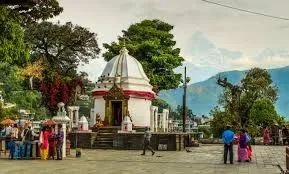
Pokhara's Old Bazaar, north of Lakeside, shows the town's older trading character with Newari architecture, small temples, and shops selling brass goods and textiles. It is a refreshing contrast to the cafe-lined Lakeside strip.
Visit the Bindhyabasini Temple while you are here, a hilltop shrine that is one of the oldest places of worship in Pokhara and busy with local pilgrims in the morning.
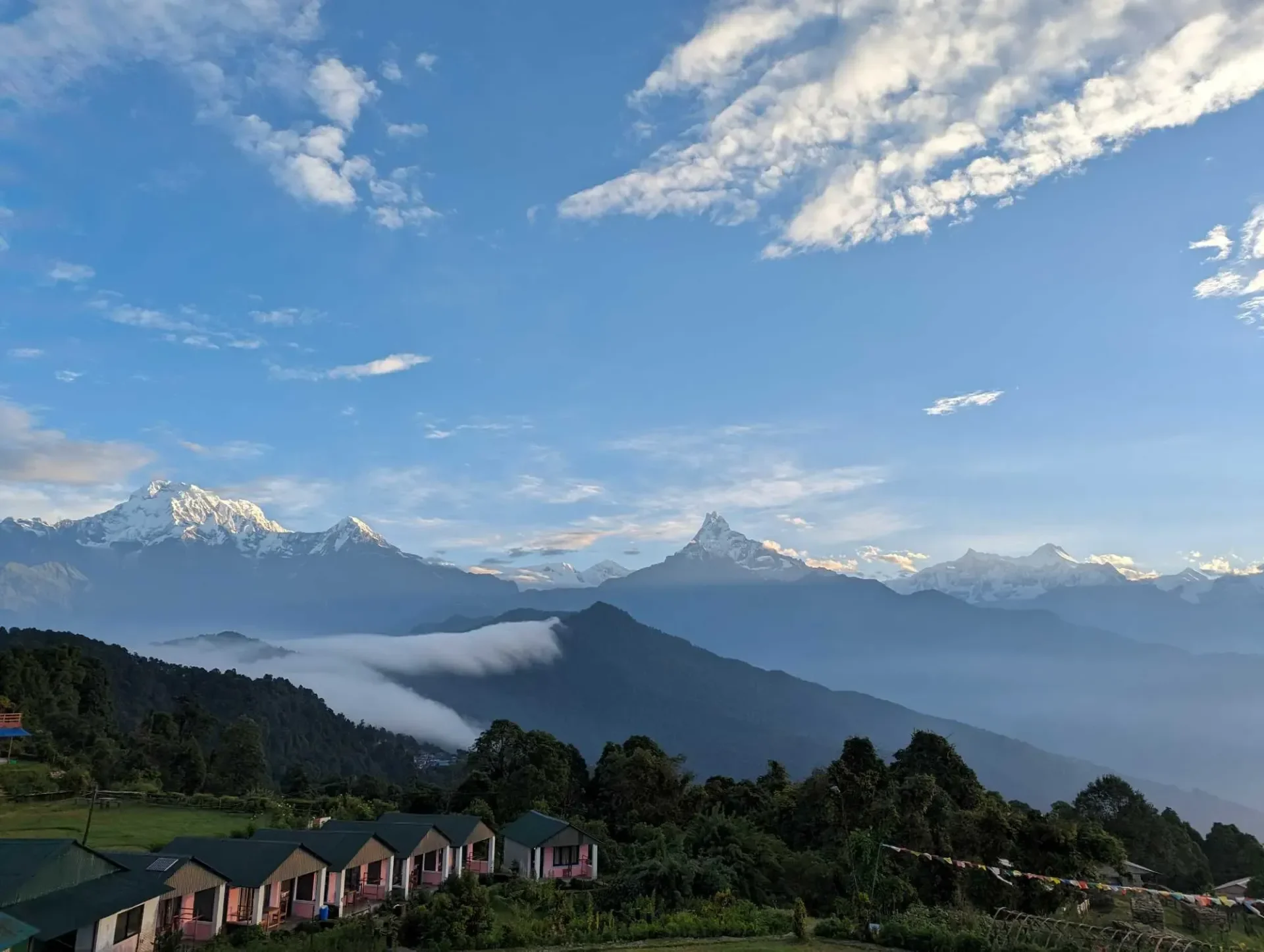
For a taste of trekking without a multi-day commitment, the walk to Australian Camp (around 2,060 meters) and the village of Dhampus is a half-day to full-day outing from a trailhead near Pokhara. The reward is a close-up view of Machhapuchhre and the Annapurna South face.
Note that if your route crosses into the conservation area, you will need the ACAP permit (NPR 3,000 for foreigners). Plan ahead with our overview of the best trekking routes in Nepal.
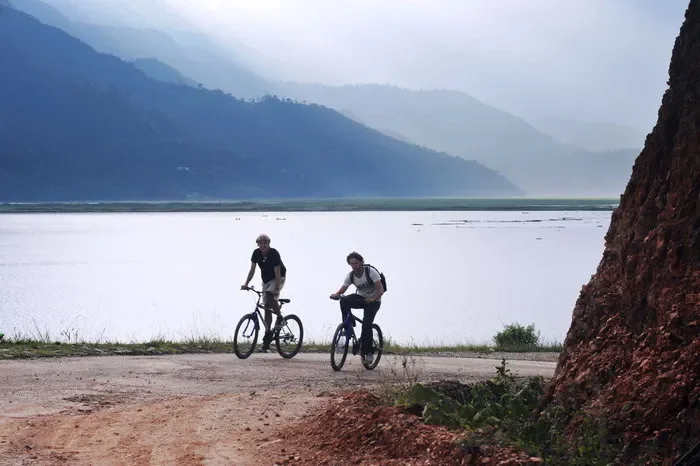
Renting a bicycle or scooter and circling Phewa Lake gives you a low-cost half day of exploring. The northern shore road passes quiet guesthouses and small eateries before reaching the dam at the lake's outlet, where you can watch local life carry on.
Cycle rentals are inexpensive and easy to find along the Lakeside strip. Stick to daylight hours, as the lake roads are unlit at night.
The rivers around Pokhara, including the Seti and the Upper Kali Gandaki, offer rafting trips from gentle floats to white-water runs. Half-day Seti trips suit beginners, while multi-day expeditions take experienced paddlers through bigger water.
Rafting prices vary widely by river, season, and trip length, so confirm live rates and the operator's safety record through your agency or our marketplace before booking.
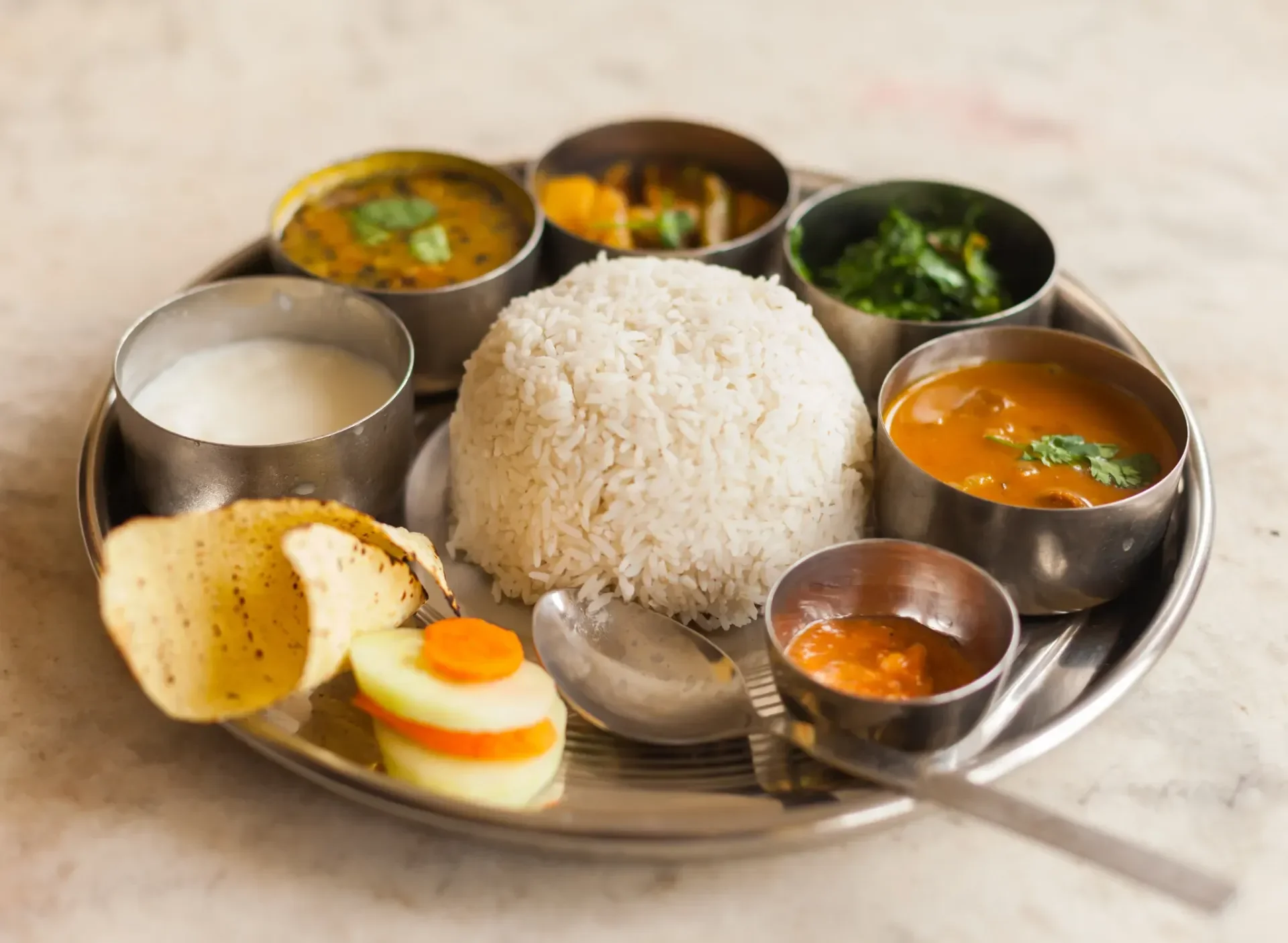
Lakeside is built for slow afternoons. After a sunrise trip and a cave visit, settle into a cafe overlooking the water with a coffee or a plate of the national dish, Dal Bhat: lentil soup, rice, and vegetable curry, usually served with free refills.
It is clean, high-energy fuel, which matters if you are heading onto the trails afterward, where Dal Bhat becomes your daily reliable meal.
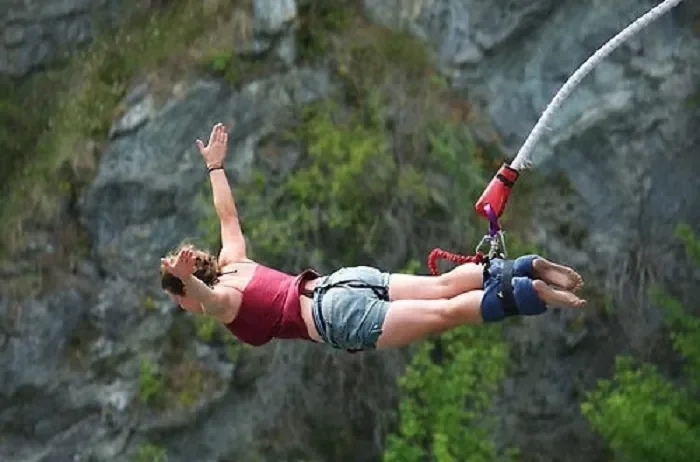
If you're looking for an adrenaline rush, Pokhara is home to one of Nepal's highest commercial bungee jumps. The jump takes place from a purpose-built tower overlooking the scenic Hemja Valley, with a free fall of around 80 meters before the rope catches. Most packages also include sky cycling, giant swing, or zipline options.
Morning sessions usually have the calmest weather. Wear secure footwear and follow all safety instructions. Advance booking is recommended during the busy autumn and spring trekking seasons.
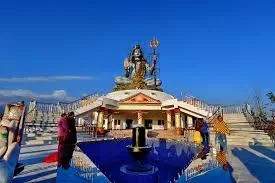
Standing on a hilltop above the southern side of Pokhara, the Pumdikot Shiva Statue is one of the tallest statues of Lord Shiva in Nepal, rising about 51 feet (15.5 meters). The viewpoint offers sweeping panoramas of Phewa Lake, Pokhara Valley, and the Annapurna and Machhapuchhre ranges on clear days.
The site is about a 20 to 30-minute drive from Lakeside and is best visited early in the morning or around sunset for the clearest mountain views. Dress modestly, as it is a religious site, and remove your shoes before entering any shrine areas.
Pokhara sits at a comfortable 822 meters, so altitude is not a concern within the town. Carry Nepalese Rupees cash for boat hires, entry fees, and tips; ATMs are common in Lakeside but vanish on the trails. For local connectivity, Ncell offers strong coverage across the Pokhara and Annapurna region.
If you plan to trek afterward, pack reusable water bottles with a purifier rather than buying plastic bottled water, and review our trek packing list. The clearest skies fall in autumn and spring; our guide to the best time to visit Pokhara covers each season in detail.
When visiting temples like Bindhyabasini or Tal Barahi, remove shoes and hats before entering shrine areas. At any Buddhist stupa or chorten, walk clockwise, keeping the structure on your right, and pass mani stones on your left.
Outdoor photography is generally fine, but never photograph inside a monastery prayer hall unless a resident monk gives clear permission.
Three to four days lets you combine lake activities, a sunrise viewpoint, paragliding, and caves. Add a short trek and budget 6 to 8 days total.
Tandem paragliding from Sarangkot is well established with licensed commercial pilots. Confirm valid insurance and certification, and expect flights around NPR 8,000 to NPR 12,000.
No permit is needed inside the city. Any Annapurna trek starting from Pokhara requires the ACAP permit (NPR 3,000) and a licensed guide under 2026 rules.
October to November and March to April offer the clearest mountain views. The monsoon months of June to August bring heavy rain and clouds that often hide the peaks.
Larger hotels and agencies accept cards, often with a 3 to 4 percent surcharge. Carry Nepalese Rupees cash for small shops, boats, and tips.
Tourist buses take 6 to 8 hours, while a 25-minute flight is fastest. Verify live flight and bus rates through your agency, as prices shift seasonally.
Get travel ideas and local experiences from My Easy Guide in your inbox.
Spam free. Unsubscribe anytime. We respect your privacy.