Arati Dawadi
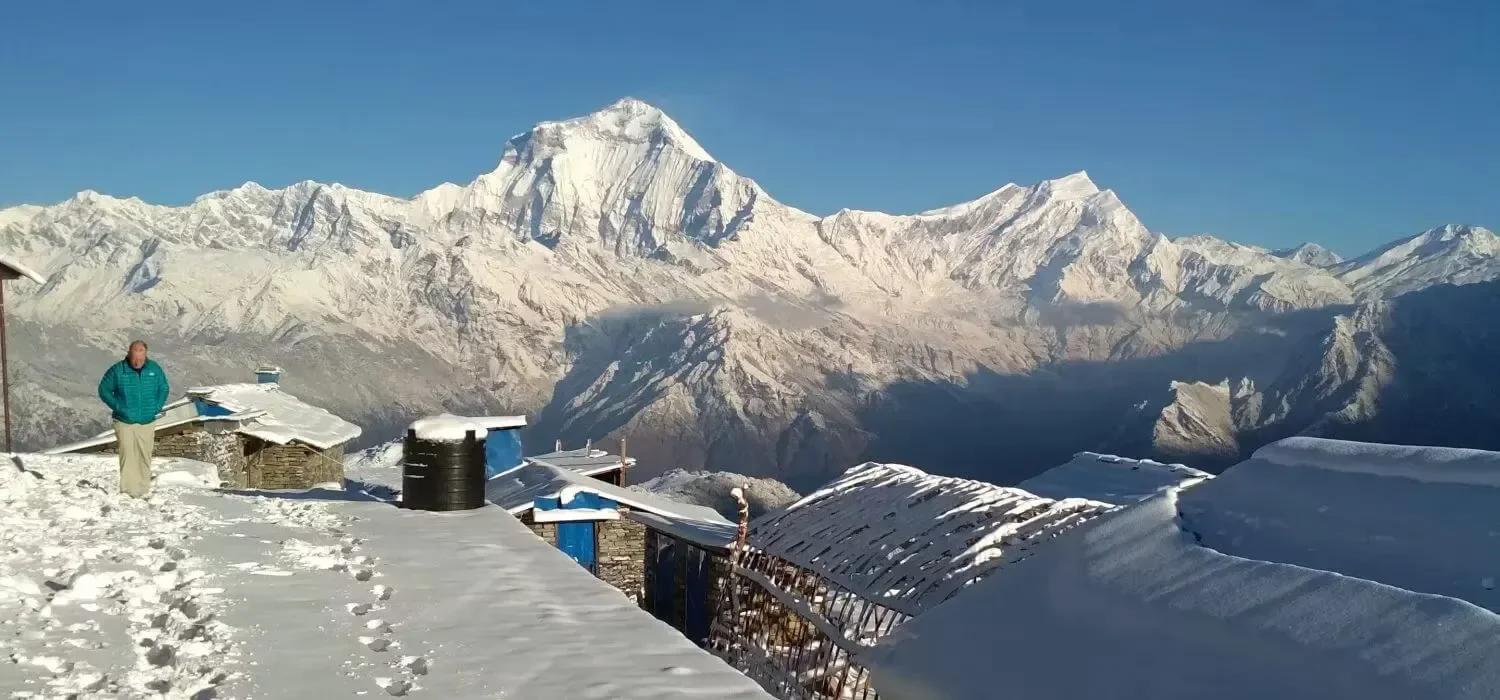
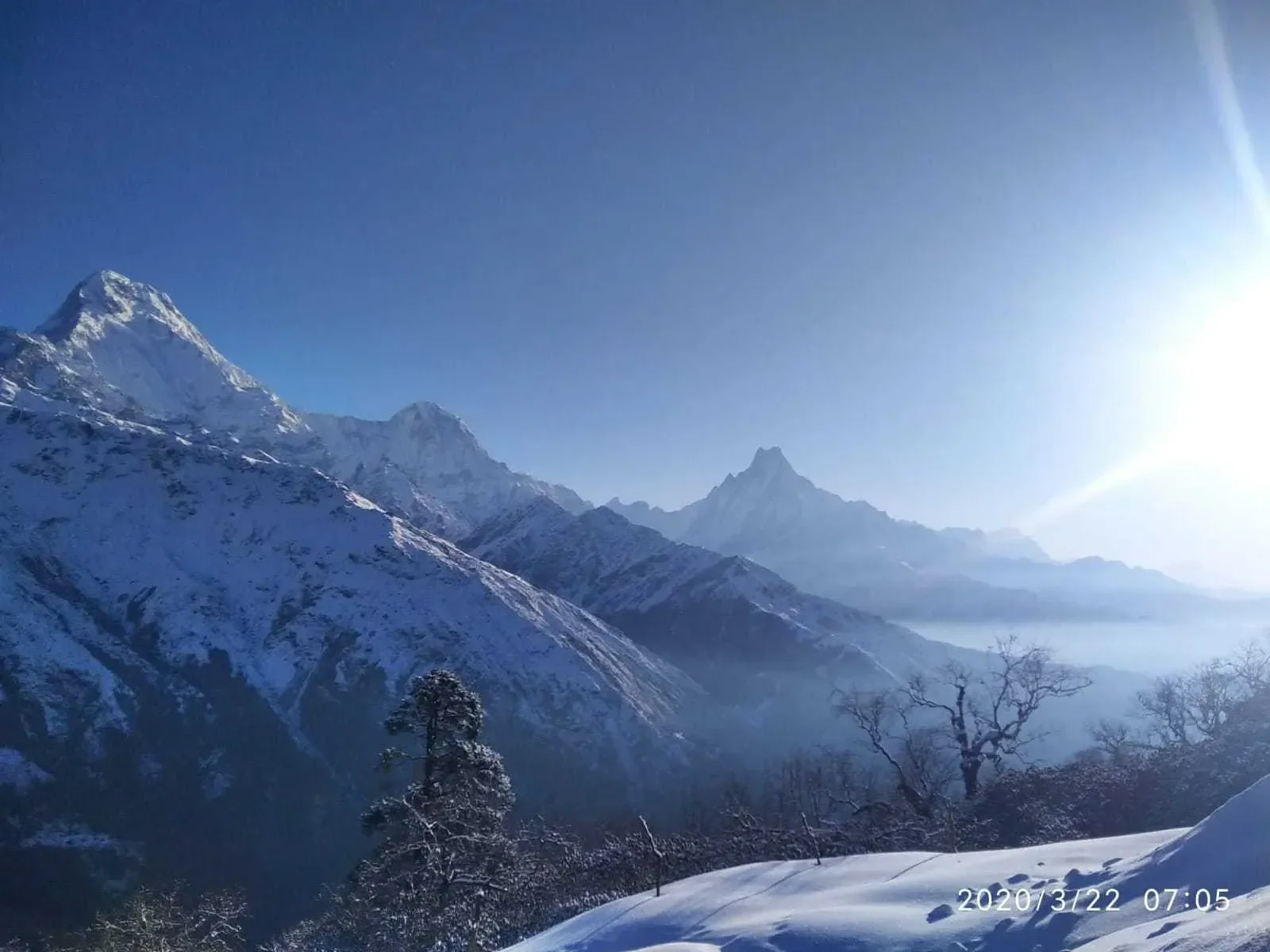
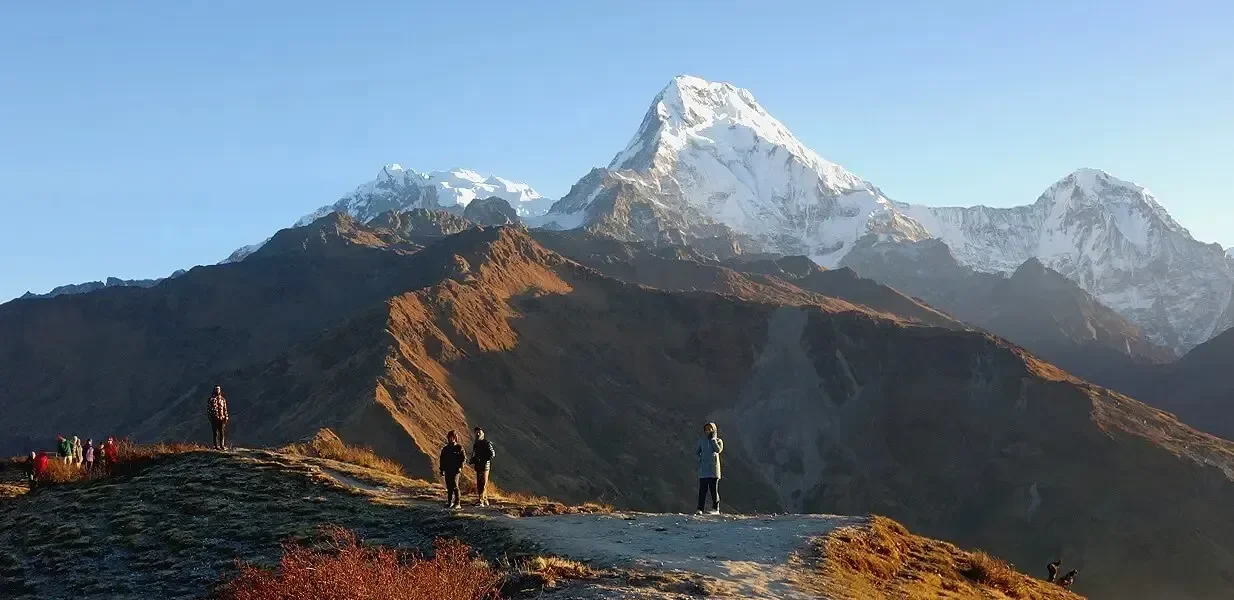
If you have looked at the Annapurna Base Camp trail and pictured a quiet ridge with no queues at the suspension bridges, the Khopra Ridge trek is what you are looking for. Our field coordinators in Pokhara consistently send independent-minded trekkers here when the classic routes fill up, because you get the same wall of Dhaulagiri, Annapurna South, and Nilgiri without the foot traffic.
This is a high-pasture route through Magar and Gurung villages, climbing to a single isolated ridge lodge at roughly 3,660 meters. It rewards walkers who want raw views, real village stays, and a sense of space the headline treks have lost.

The Khopra Ridge trek (also called Khopra Danda) is a 7 to 9 day circuit in the southern Annapurna region of Nepal. It tops out at the Khopra ridge lodge near 3,660 meters, with an optional climb to sacred Khayer Lake at approximately 4,660 meters. It needs the ACAP permit and e-TIMS registration.
The trail links forested ridges above Ghorepani with high grazing lands visited by far fewer trekkers than the classic Annapurna routes. Unlike the main Annapurna Sanctuary, the lodges here are community-run, profits support local communities and development projects, and the path stays well clear of the jeep roads that now scar parts of the lower Annapurna circuits.
If you are weighing this against the giants, our breakdown of Annapurna vs Everest Base Camp helps frame where Khopra fits as a quieter middle path.
Khopra Ridge sits inside the Annapurna Conservation Area, so you need two documents before you walk. There is no Restricted Area Permit here, which keeps paperwork simple compared to Manaslu or Upper Mustang. You arrange both in Kathmandu or Pokhara.
The ultimate guide to planning your dream web travel adventure with the experts from myeasyguide.
Spam free. Unsubscribe anytime. We respect your privacy.
Nepal now strongly enforces licensed guides across its major trekking regions. While Khopra is not a Restricted Area, our coordinators recommend booking a licensed guide as the safe and practical choice for 2026. For the full regulatory picture, see our guide to Nepal trekking rules and cost.

A safe Khopra Ridge itinerary runs 7 to 9 walking days from Pokhara. Above 3,000 meters, the itinerary keeps sleep elevation gains conservative, with the Khayer Lake day done as a return climb from a lower sleep point. This keeps you inside accepted altitude safety limits.
The Khayer Lake day climbs to approximately 4,660 meters and back. If anyone in your group feels headache, nausea, or dizziness, skip it and rest at the ridge. The sacred lake is beautiful but never worth pushing through altitude sickness.
Many trekkers tack on a sunrise at Poon Hill near the end. Our dedicated Ghorepani Poon Hill trek guide covers that classic add-on in detail.

Above 3,000 meters, never raise your sleeping altitude by more than 300 to 500 meters per day and take rest days when the profile demands it. The Khopra route is forgiving on this front, but the Khayer Lake side trip is a sharp climb that catches people out.
Many standard travel insurance policies do not include high-altitude evacuation coverage. You need a policy that explicitly covers high-altitude helicopter evacuation up to 6,000 meters and treatment for AMS, HAPE, and HACE. Carry the policy number and the emergency line where your guide can reach it.
For a deeper read on staying safe at elevation, see our notes on high-altitude trekking logistics.
Reliable ATMs are scarce beyond Pokhara, so carry enough cash for the trek. Lodges charge extra for everyday services, and these add up fast across a week of walking.
Expect to pay roughly 200 to 700 NPR, depending on altitude and season for charging a power bank or phone, a gas-heated hot shower, and localized Wi-Fi. These are rarely included in the room rate, even at the community lodges.
Both Ncell and Nepal Telecom (NTC) work in parts of the Annapurna region, though NTC generally offers broader coverage in remote areas. Nepal Telecom (NTC) is the better backup in the highest, most remote pockets. Buy and register your SIM in Kathmandu or Pokhara with your passport.
Parts of the lower Annapurna region now run jeep roads, and dust plus vehicle traffic ruin the experience. Khopra Ridge largely avoids this because the high ridge sections are footpaths only.
Where roads do touch the lower trail near Ghandruk and Tikhedhunga, ask your guide to route you onto the walking-only alternatives. The community-trail sections through Swanta and Khopra are exactly why people choose this circuit over the busier lines.
Prioritize vegetarian meals. The local Dal Bhat (lentil soup, rice, and vegetable curry) is your best fuel because it is fresh, locally grown, high-energy, and usually comes with free refills. Meat is carried up over days without refrigeration, so skip it at altitude.
Never buy plastic bottled water on the trail. Carry a reusable bottle paired with an active purification system such as a UV purifier, a Sawyer squeeze filter, or chlorine dioxide drops. This keeps you safe and protects the conservation area you came to see.
Packing right matters here. Run through our full trek packing list before you fly.
This is Buddhist and Gurung-Magar country, and small gestures of respect go a long way. Walk clockwise around mani walls, chortens, and stupas, keeping them on your right.
Remove shoes and hats before entering any temple or monastery. Outdoor photography is fine, but never photograph inside a monastery prayer hall unless a resident monk gives you explicit clearance.
At the end of the trek, tipping your crew is culturally expected and a vital supplement to their income. Budget a combined 15% to 20% of the total trek cost, distributed among your guide and porters.
The strongest windows are spring (March to May) and autumn (September to November), when skies are clear and the Dhaulagiri panorama is sharp. Winter is doable but cold, and Khayer Lake may be snowbound.
If you trek in the monsoon and still want a dry route, Khopra is not the answer. Instead, head to the Himalayan rain-shadow zones. Our Upper Mustang trek guide covers the best summer-dry option in Nepal.
Choosing between the shoulder months? Compare September vs October for your dates.
Trekking regulations and guide requirements can change, so verify the latest rules with your trekking agency before departure. While Khopra is not a Restricted Area, a licensed guide is the safest, most practical choice. Verify current rules with your agency before departure.
The ridge lodge sits near 3,660 meters. The Khayer Lake side trip climbs to roughly 4,660 meters, the highest point of the trek.
No. Pokhara remains the most reliable place to withdraw cash before the trek. Carry enough Nepalese Rupees for the whole trek plus charging, showers, and Wi-Fi.
You need solid fitness for back-to-back days of 5 to 7 hours on steep ridge trails, but no technical skills. The Khayer Lake day is the toughest.
Yes. Most itineraries route out through Ghorepani, making a Poon Hill sunrise an easy add-on near the end.
Use Ncell for the strongest Annapurna coverage, with NTC as a remote-zone backup.