Travel Guide
Altitude Sickness on Nepal Treks: Symptoms, Diamox & When to Descend
AK
Asmita Karki
11 min read
Asmita Karki
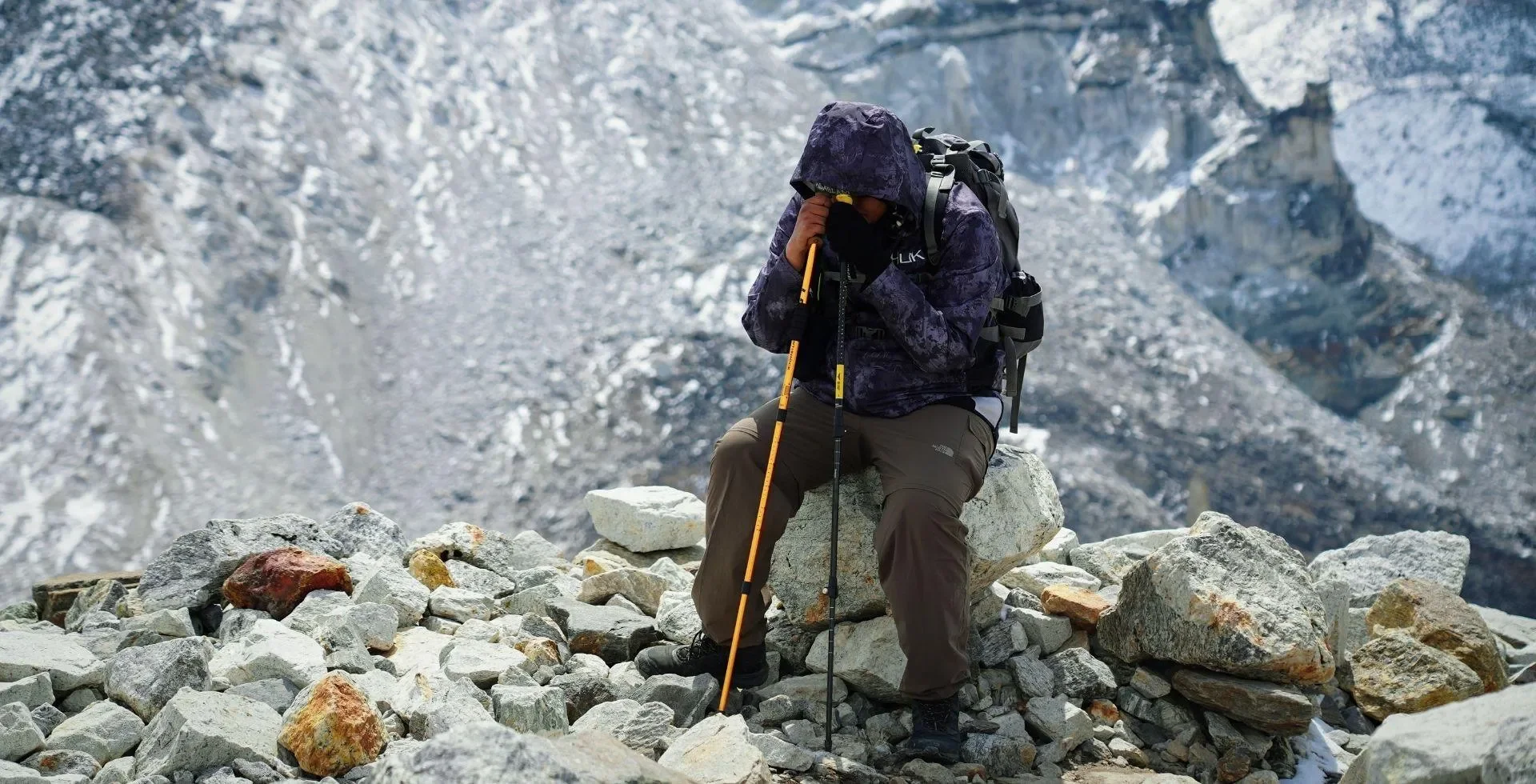
The headache usually arrives quietly. You reach a teahouse after a long climb, drop your pack, and a dull throb settles behind your eyes that two cups of tea won't shift. On Nepal's high trails, that moment is your body talking to you, and learning to listen is the difference between a successful summit day and a midnight helicopter call.
Our field coordinators track altitude incidents across the Everest, Annapurna, Manaslu and Mustang regions every season. The pattern repeats: most serious cases come not from bad luck but from ascending too fast and ignoring early warning signs. This guide gives you the practical, field-tested knowledge to recognize altitude sickness, use Diamox correctly, and know the exact moment to turn around.
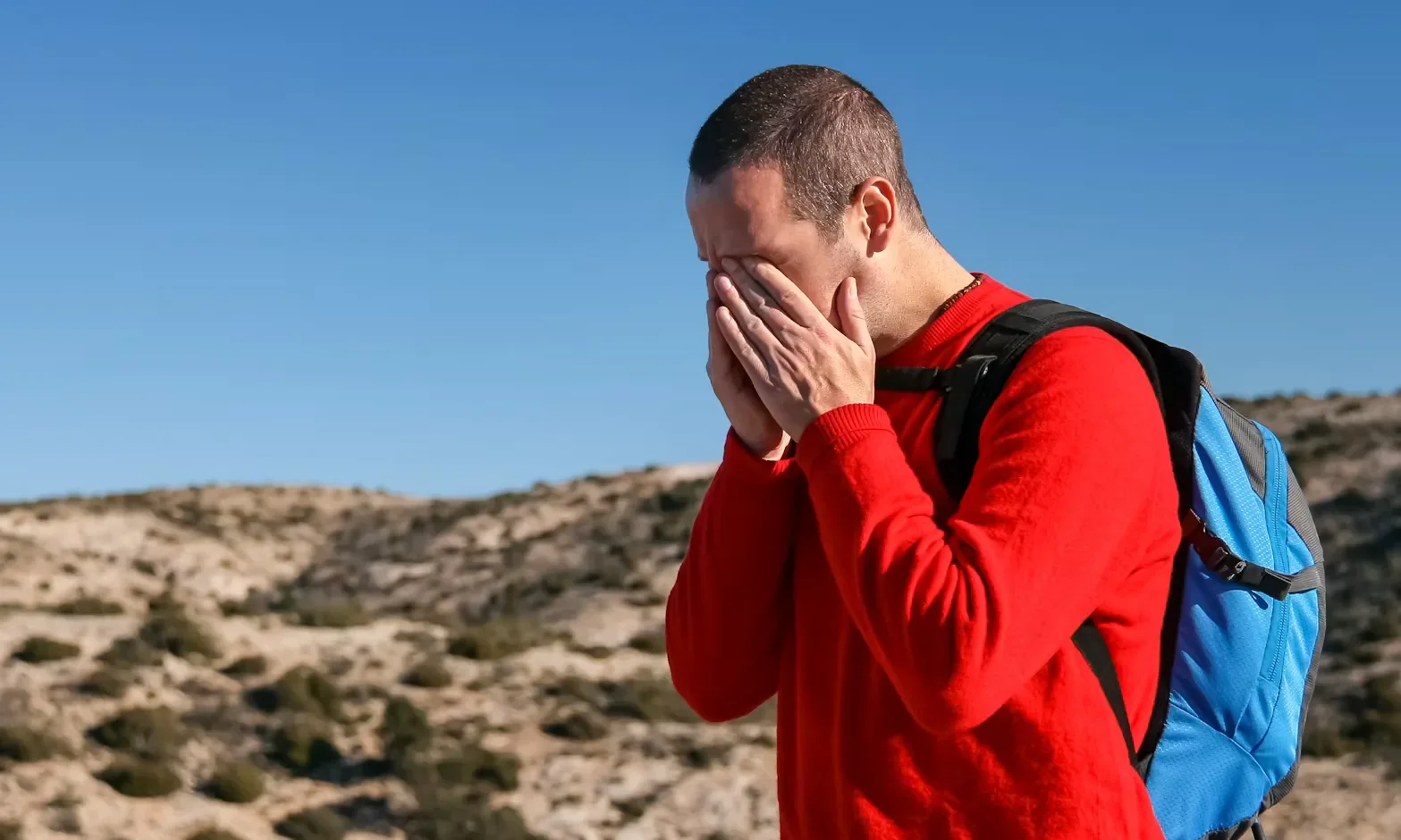
Altitude sickness occurs when your body cannot adjust quickly enough to the lower oxygen levels at high elevation. Above 3,000 meters, lower atmospheric pressure means significantly less oxygen is available with each breath compared with sea level. Altitude sickness mainly results from ascending faster than the body can acclimatize, although individual susceptibility varies from person to person.
There are three stages. The mild and common form is Acute Mountain Sickness (AMS). The two dangerous, life-threatening forms are High Altitude Pulmonary Edema (HAPE), fluid in the lungs, and High Altitude Cerebral Edema (HACE), fluid swelling in the brain.
The key truth we repeat to every trekker: altitude sickness is not about strength. It is about pace. The slowest trekker in the group is often the safest one.
AMS symptoms appear within 6 to 12 hours of reaching a new altitude and feel like a bad hangover: headache, nausea, loss of appetite, dizziness, fatigue, and broken sleep. HAPE and HACE are emergencies that demand immediate descent. Recognizing the jump from mild AMS to severe illness saves lives.
Loss of coordination during a heel-to-toe walk is a serious warning sign of possible HACE and should be treated as a medical emergency requiring descent.
Above 3,000 meters, your sleeping elevation should not increase by more than 300 to 500 meters per night. For every 1,000 meters of net gain, you should build in a full acclimatization rest day. "Climb high, sleep low" is the most reliable strategy on every Nepal trek.
On the Everest Base Camp trail, most itineraries include acclimatization days at Namche Bazaar (3,440 meters) and Dingboche (4,410 meters). On the Annapurna Circuit, spending an acclimatization day at Manang (3,540 meters) is strongly recommended before crossing Thorong La pass (5,416 meters).
A rest day does not mean lying in your sleeping bag. Spend it hiking a few hundred meters higher during the day, then returning to sleep at the lower elevation. This active acclimatization trains your body far better than resting flat. You can read more about pacing and logistics in our high-altitude trekking logistics guide.
Diamox (acetazolamide) is the standard prevention and treatment drug for altitude sickness. The typical preventive dose is 125 mg twice daily, Diamox is commonly started the day before or on the day of ascent above 3,000 meters and continued for two to three days at altitude. It speeds acclimatization by helping your body adjust its blood chemistry, but it is not a cure.
Diamox makes your fingers and toes tingle, increases urination, and can make carbonated drinks taste flat. These are normal effects. It is a sulfa-based drug, people with a history of sulfonamide allergy should consult their physician before taking acetazolamide.
Two warnings we cannot stress enough. First, always consult a physician before your trek to confirm the drug and dose suit you. Second, Diamox masks nothing it does not treat. If you feel severe symptoms while on Diamox, the drug is not failing, your body is telling you to descend. Never use medication as a reason to push higher.
Descend immediately if symptoms are severe, getting worse, or if there is any sign of HAPE or HACE. A descent of 500 to 1,000 meters is the single most effective treatment for altitude illness, often producing dramatic improvement within hours. Never descend alone and never wait until morning.
The rules are simple and they are not optional:
Licensed guides can play an important role in recognizing altitude illness and coordinating evacuations. A trained guide carries a pulse oximeter, recognizes the early shift from AMS to HACE, and makes the descent call before a trekker's judgment is clouded by the illness itself.
Standard travel insurance does not cover high-altitude rescue. You must have a policy that explicitly covers emergency helicopter evacuation up to 6,000 meters and medical treatment for AMS, HAPE and HACE. Comprehensive insurance covering high-altitude evacuation is strongly recommended for all treks and is often required by trekking agencies.
A helicopter evacuation from the Everest or Annapurna high country can be extremely costly without proper cover. Carry a printed copy of your policy and the 24-hour emergency assistance number, and share both with your guide before the trek begins. For trekkers considering an aerial alternative to the full walk, see our breakdown of the Everest Base Camp helicopter option.

At altitude, prioritize fresh carbohydrates and steady hydration. The traditional Dal Bhat (lentil soup, rice, and vegetable curry) is the cleanest high-energy fuel on the trail and usually comes with free refills. Aim to drink three to four liters of water daily, as dehydration mimics and worsens AMS symptoms.
We strongly advise sticking to vegetarian meals at altitude. In many Buddhist regions such as Khumbu, local traditions discourage animal slaughter, so meat is usually transported from lower elevations and may spend several days in transit, so all meat is carried up by foot or mule over several days without refrigeration. Avoid it entirely above Namche.
Avoid excessive caffeine and alcohol, especially if they affect your hydration or sleep quality, as both interfere with sleep and acclimatization. Protect the environment and your health by carrying a reusable bottle with a UV purifier, Sawyer squeeze filter, or chlorine dioxide drops rather than buying plastic bottled water on the trail.
Connectivity matters when illness strikes. Nepal Telecom (NTC) is essential for coverage in the Everest region and remote zones, while Ncell performs well across the Annapurna Circuit and Sanctuary. Buy a local SIM in Kathmandu so you can reach your guide's coordinator or a rescue line.
Carry enough Nepalese Rupees in cash. Reliable ATMs are rare beyond major trail towns such as Namche Bazaar and Jomsom, so carry sufficient cash, and you will pay trail upcharges of roughly 200 to 700 NPR per service for charging power banks, gas-heated hot showers, and Wi-Fi like Everest Link. Keep a reserve for unexpected extra nights if you need to halt your ascent to recover.
For peak-season Lukla flights during March to May and September to November, remember that aircraft often depart from Manthali Airport in Ramechhap, requiring a 4 to 5 hour drive from Kathmandu, often requiring a very early morning departure. Build in 1 to 2 buffer days for weather delays so you never feel pressured to rush your acclimatization to make up lost time.
Use this before and during your trek to keep altitude risk low. The habits are simple, but consistency is what keeps you walking.
Different routes carry different altitude profiles. If you are weighing your options, our comparison of the Annapurna and Everest Base Camp treks breaks down the elevation gain and acclimatization needs of each. First-timers may also prefer a gentler high point like the Ghorepani Poon Hill trek.
Restricted areas require licensed guides, and many trekking agencies recommend guides for Nepal's popular routes. At the end of your trek, tipping the crew is culturally expected as a vital income supplement, with a standard range of 15% to 20% of the total trek cost distributed among guides and porters.
Respect the sacred geometry of the trail as you walk. Walk clockwise around stupas, chortens, and mani walls, keeping them on your right. Remove shoes and hats before entering a monastery, and never photograph inside prayer halls without a resident monk's clearance.
Diamox is typically started one day before ascending above 3,000 meters at 125 mg twice daily. It speeds acclimatization but does not cure altitude sickness. Always consult a doctor first, as it is a sulfa-based drug.
The earliest signs are a persistent headache, nausea, loss of appetite, dizziness, fatigue, and disturbed sleep, usually appearing within 6 to 12 hours of reaching a new altitude above 3,000 meters.
Commonly above 3,000 meters. On Everest treks it often appears around Namche Bazaar (3,440 meters) or Dingboche (4,410 meters); on the Annapurna Circuit, around Manang and the Thorong La approach.
Descend immediately for any HAPE signs (breathlessness at rest, gurgling chest, blue lips) or HACE signs (confusion, loss of coordination). A descent of 500 to 1,000 meters is the most effective treatment.
Only if your policy explicitly covers high-altitude evacuation up to 6,000 meters and AMS/HAPE/HACE treatment. This coverage is legally required for Restricted Area Permits.
No. Fitness has no proven link to altitude resistance. Susceptibility is largely individual. Slow ascent and proper rest days are the only reliable prevention.
Get travel ideas and local experiences from My Easy Guide in your inbox.
Spam free. Unsubscribe anytime. We respect your privacy.