
Travel Guide
Cost of Living in Nepal for Digital Nomads 2026: Is It Really That Cheap?
AD
Arati Dawadi
11 min read
Arati Dawadi
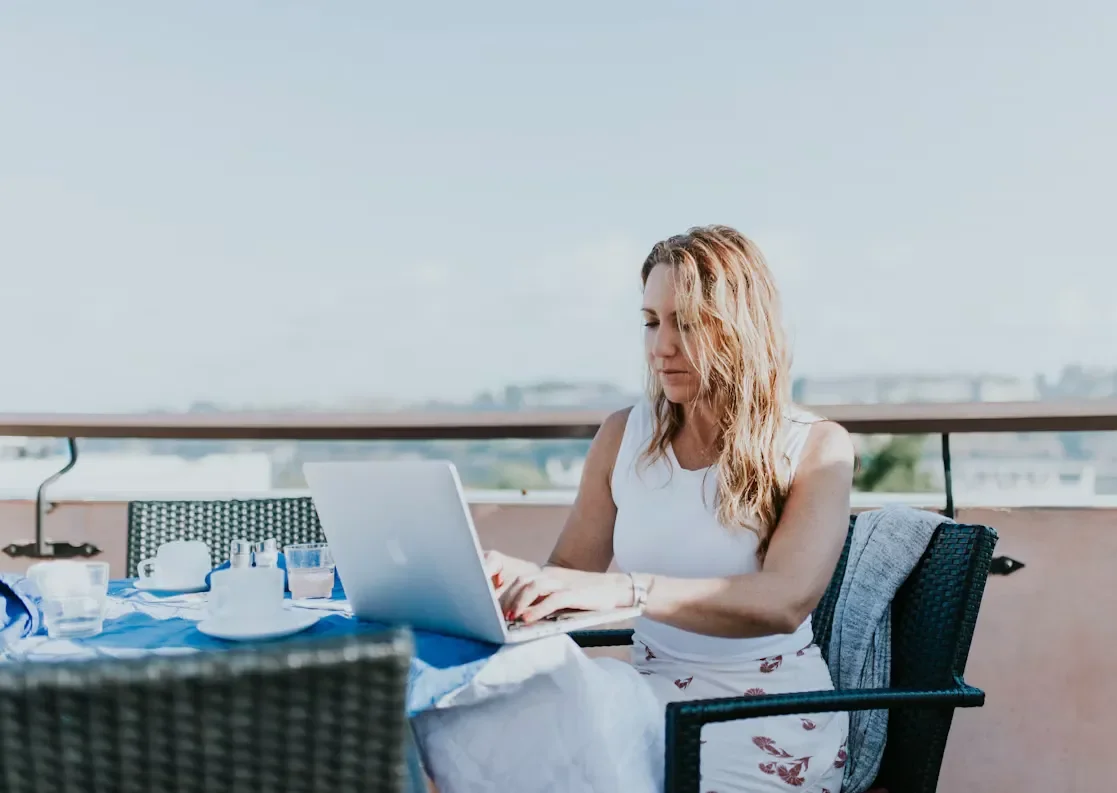
Let's clear up the myth first. Yes, Nepal is genuinely affordable, but "cheap" depends entirely on how you live. You can rent a room in Pokhara for the price of two coffees back home, or you can pay near-Western rates for a serviced apartment with reliable backup power and a fiber line. We've tracked nomad budgets across Kathmandu and Pokhara through 2025 and into 2026, and the honest answer is that Nepal rewards people who slow down, learn the local rhythm, and pay in Nepalese Rupees (NPR) rather than tourist prices.
This guide breaks down the real numbers, the visa reality, the internet truth, and the hidden costs nobody mentions in glossy listicles.

A comfortable mid-range nomad lifestyle in Nepal costs roughly $700 to $1,100 USD per month, covering a furnished apartment, daily meals, a coworking desk, a local SIM, and transport. Budget-conscious travelers manage on $500 to $650 USD, while a higher-end lifestyle with private apartments and frequent dining out reaches $1,500 USD or more.
The exchange rate hovers around NPR 148 to 152 per 1 USD through mid-2026, but currency rates fluctuate, so verify the live rate before transferring large sums. Always treat dollar figures here as a guide, not a guarantee.
Nepal does not offer a dedicated digital nomad visa in 2026. Remote workers enter on a standard tourist visa, available on arrival at Tribhuvan International Airport or through a Nepali embassy. The fees are fixed by the government and have not changed for 2026.
You can extend your stay up to a maximum of 150 days within a single calendar year. Extensions are processed at the Department of Immigration in Kathmandu (Kalikasthan) or Pokhara. Nepal visa extension fees are $45 USD for the minimum 15-day extension, then $3 USD per day for each additional day beyond that.
Note that a separate $5 USD per day late fine applies only if you have already overstayed your visa before applying for the extension. Bring your passport, a passport photo, and pay in cash or by card at the office.
One practical tip from our coordinators: the 150-day annual cap resets in January, so plan long stays around the calendar year rather than your arrival date.
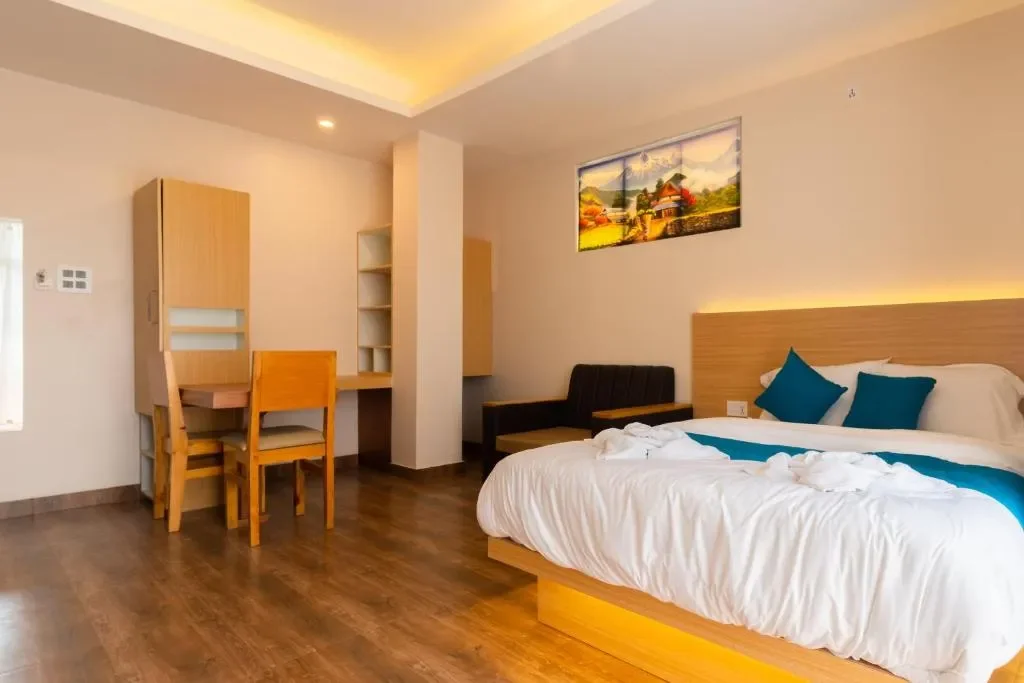
Rent is the single biggest swing in any Nepal budget. A basic furnished room in a guesthouse runs cheap, while a modern one-bedroom apartment with an inverter and fiber internet costs considerably more but saves your sanity during power cuts.
These are realistic ranges, not fixed prices. Monthly lodging rates shift with the season and demand, so confirm live availability and current pricing directly with the property or through our marketplace before committing.
In Kathmandu, nomads cluster around Thamel for convenience or Patan and Boudha for quieter, more livable neighborhoods. In Pokhara, Lakeside is the obvious hub, with morning runs along Phewa Lake and easy coworking access. Always negotiate monthly rates in person; the walk-in price for a month-long stay is often 30 to 40 percent lower than the nightly rate.
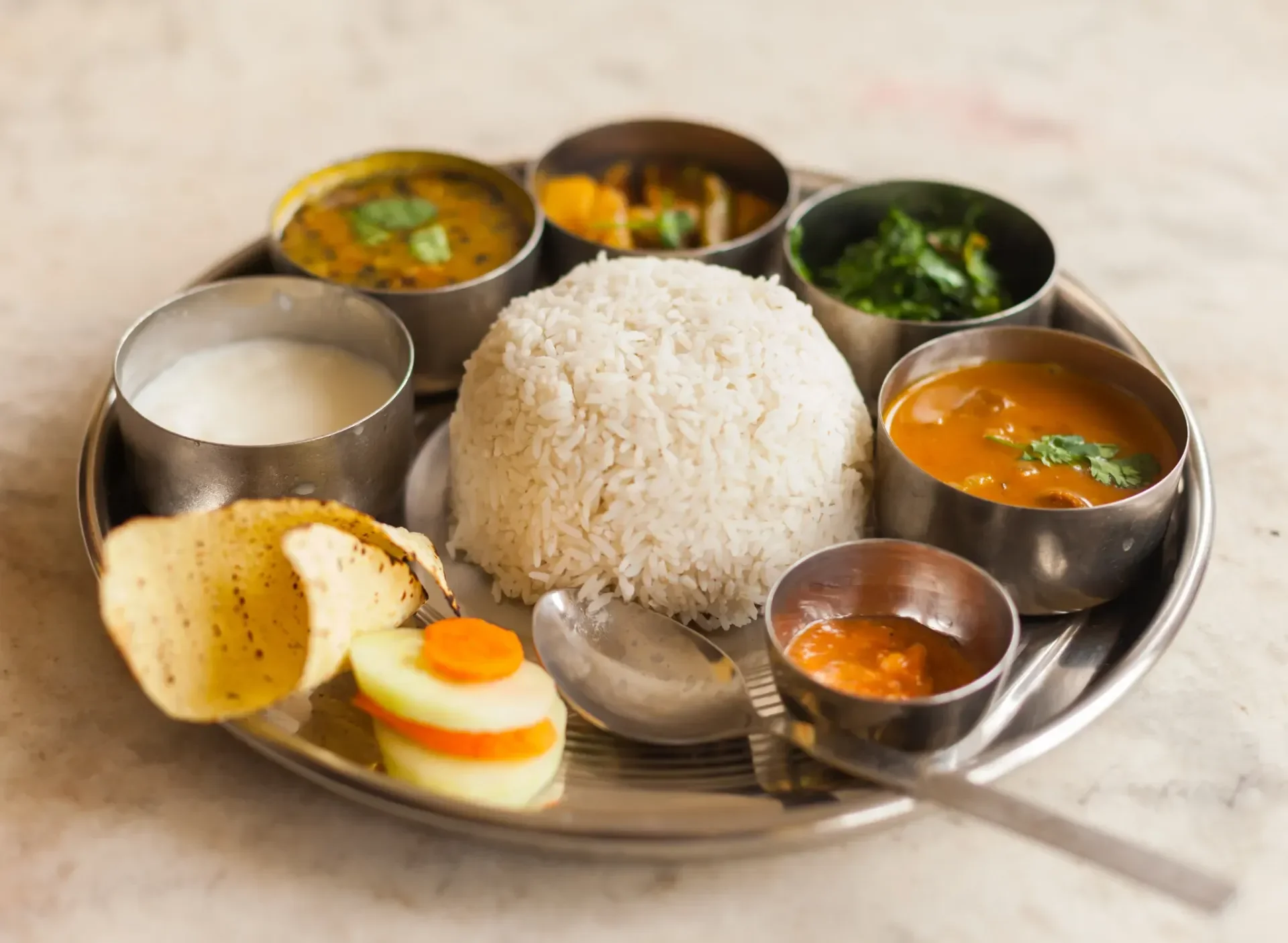
Eating is where Nepal feels almost free. A plate of Dal Bhat, the national staple of lentil soup, rice, and vegetable curry, costs NPR 200 to 450 at a local eatery and usually comes with free refills. Western restaurant meals in tourist areas run higher.
A nomad cooking some meals at home and eating local lunches can keep food costs to $150 to $250 USD per month. Eating exclusively at Western cafes pushes that past $400 USD. Local produce markets are dirt cheap and fresh, so a small kitchen pays for itself quickly.
Reliable internet decides whether Nepal works for you. In Kathmandu and Pokhara, fiber broadband from providers like WorldLink and Vianet is widely available and usually handles video calls fine. The real enemy is power cuts, which still happen, so confirm your accommodation has a backup inverter or generator.
For mobile data, both major carriers offer affordable plans. Ncell gives strong coverage across Pokhara, the Annapurna corridor, and most cities, while Nepal Telecom (NTC) is essential for remote regions and trekking zones like Everest, Manaslu, or Upper Mustang. A tourist SIM with a generous monthly data bundle costs around NPR 1,000 to 2,000, and you'll need your passport to register it.
We recommend carrying both a fiber-connected workspace and a charged mobile SIM as backup. If your work depends on uptime, treat connectivity as a non-negotiable line item, not an afterthought.
Dedicated coworking is still a small scene in Nepal, but it's growing. Kathmandu has the most options, with monthly hot-desk memberships typically running $50 to $120 USD. Pokhara's Lakeside has a handful of cafe-coworking hybrids at similar or slightly lower rates.
Many nomads skip formal coworking entirely and rotate between cafes, which expect you to buy a coffee every couple of hours. Budget roughly $80 to $150 USD per month if you work primarily from cafes. Confirm Wi-Fi speed before settling in; ask staff for the actual plan, not just whether "Wi-Fi exists."
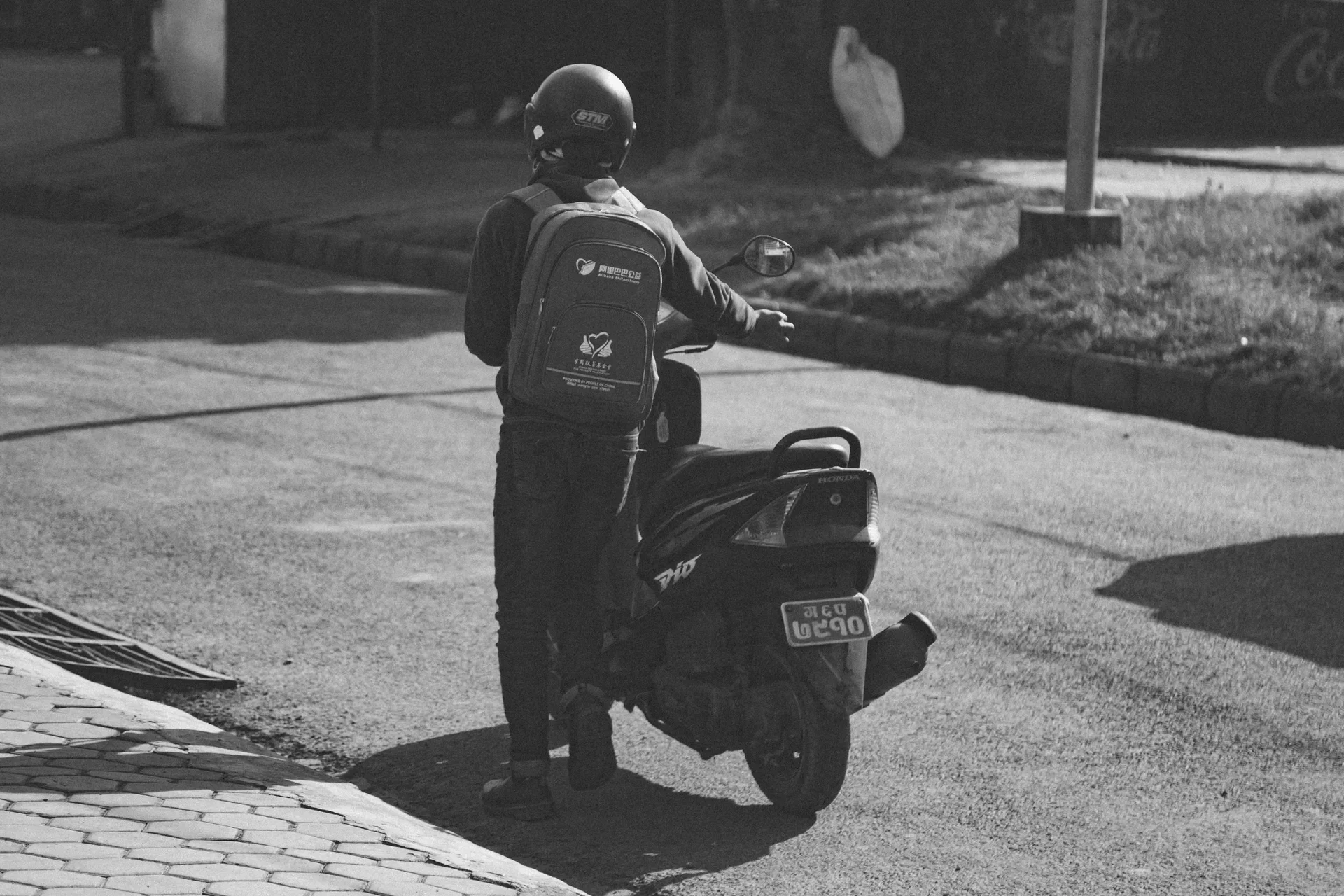
Getting around is cheap. Local buses cost NPR 20 to 50 per ride, ride-hailing apps like Pathao and InDrive cover both cities, and a short motorbike taxi runs NPR 100 to 300. Renting a scooter for the month costs roughly $80 to $150 USD, ideal for Pokhara's open roads.
Health-wise, a doctor's visit at a private clinic costs around NPR 1,000 to 2,500, and pharmacies stock most common medications cheaply over the counter. Still, get proper travel and medical insurance. If you plan any high-altitude trekking on the side, your policy must specifically cover emergency helicopter evacuation up to 6,000 meters and treatment for altitude sickness; standard travel insurance does not include this, and it's legally required for restricted-area trekking permits.
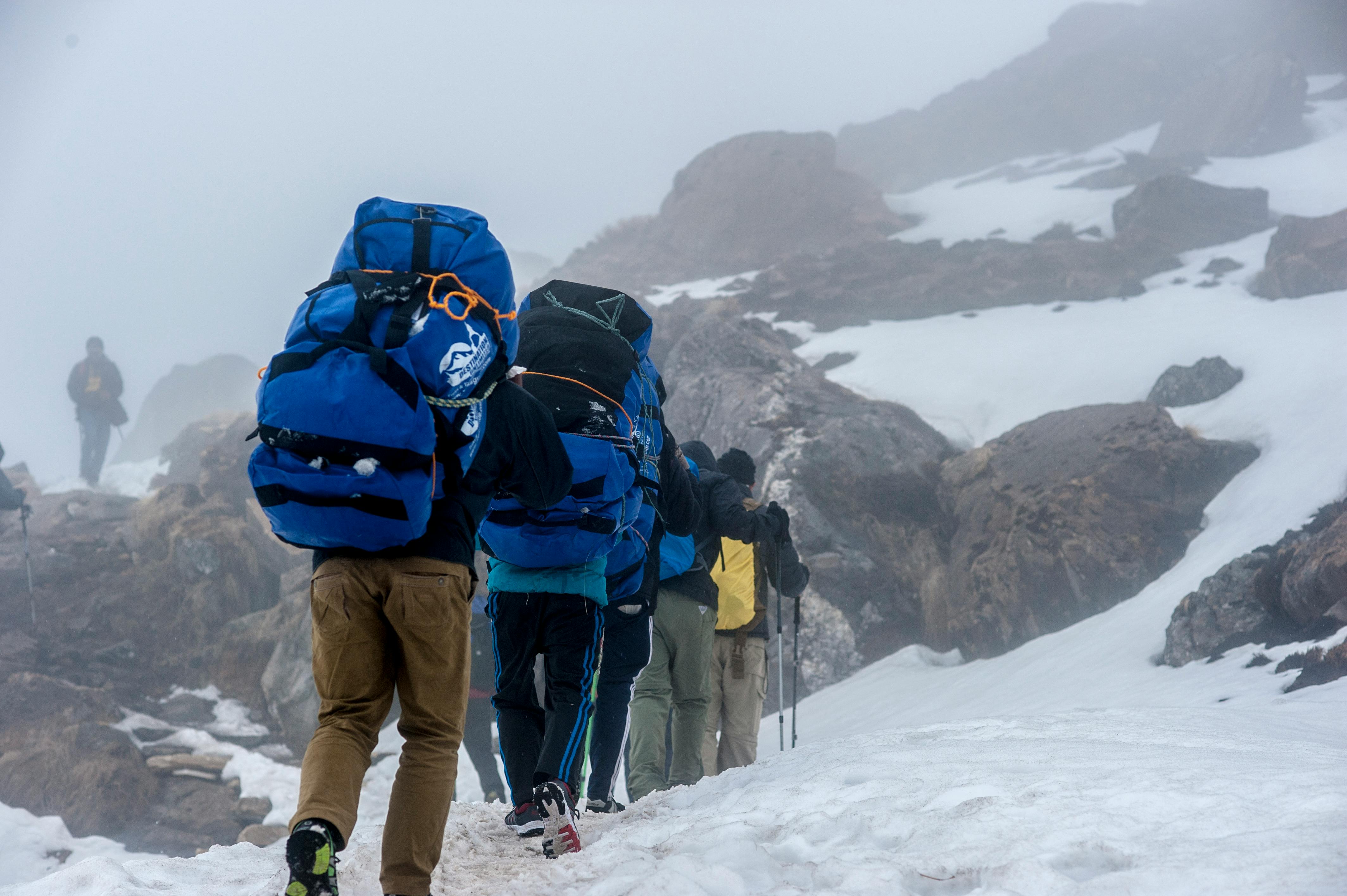
Half the reason to base yourself in Nepal is the trekking on your doorstep. From Pokhara, short routes like the Ghorepani Poon Hill trek or the Mardi Himal trek fit into a long weekend, while bigger ambitions like the Everest Base Camp trek need real planning.
Keep in mind that since 2023, all foreign trekkers on major routes within national parks and conservation areas must be accompanied by a licensed, government-registered guide.
As of March 2026, solo trekkers can now obtain restricted area permits independently without needing a second person, but hiring a licensed guide remains mandatory regardless of group size.
If you're weighing a future trek, our breakdown of trekking rules and costs covers the current permit framework. For the rain shadow regions like Upper Mustang and Dolpo, summer is actually prime season while the rest of the country drowns in monsoon, a useful detail if you base in Nepal year-round.
The sticker price is low, but a few things eat into budgets quietly. ATM withdrawal fees typically run NPR 500 per transaction at most banks, though some charge up to NPR 600–800, so these add up fast, so withdraw larger amounts less often. Air quality in Kathmandu during winter and dry season is genuinely poor, so factor in air purifiers or simply prefer Pokhara if your lungs are sensitive.
Power cuts can force you into a cafe or coworking space on short notice, and international money transfers carry their own fees. Imported goods, electronics, and specialty groceries are surprisingly expensive due to import taxes, so bring your tech gear with you rather than buying it locally.
Yes, with an asterisk. Nepal is one of the most affordable bases in Asia for a remote worker who eats local, rents monthly, and treats connectivity as the one area worth spending on. A comfortable life costs a fraction of what you'd pay in Bangkok, Bali, or Lisbon. The trade-off is infrastructure: you accept occasional power cuts and slower bureaucracy in exchange for mountains out your window and a cost of living that lets you actually save money. For most nomads who value the outdoors over polished co-living complexes, that's a trade worth making.
No. Nepal does not offer a dedicated nomad visa. Most remote workers use the tourist visa on arrival, costing $30 USD for 15 days, $50 USD for 30 days, and $125 USD for 90 days, extendable up to 150 days per calendar year.
A comfortable mid-range budget runs $700 to $1,100 USD per month in Kathmandu or Pokhara. Budget travelers manage on $500 to $650 USD, while higher-end living reaches $1,500 USD or more.
In Kathmandu and Pokhara, fiber broadband usually handles video calls, though power cuts interrupt connectivity. Book accommodation with a backup inverter or generator, and carry an Ncell or NTC SIM with mobile data as a fallback.
Pokhara is calmer, cleaner, and slightly cheaper for rent and food. Kathmandu has more coworking spaces and better flight access. Many nomads split time between both depending on workload and season.
Cards work in mid-range hotels, supermarkets, and tourist restaurants, but local eateries, shops, and transport are cash-only. ATMs charge around NPR 500 to 600 per withdrawal, so always carry Nepalese Rupees for daily spending.
Nepal is one of the safer countries in South Asia, with low violent crime. The main risks are road safety, Kathmandu air quality, and trekking altitude. Solo female nomads generally report feeling comfortable in hubs like Thamel and Lakeside.
Get travel ideas and local experiences from My Easy Guide in your inbox.
Spam free. Unsubscribe anytime. We respect your privacy.