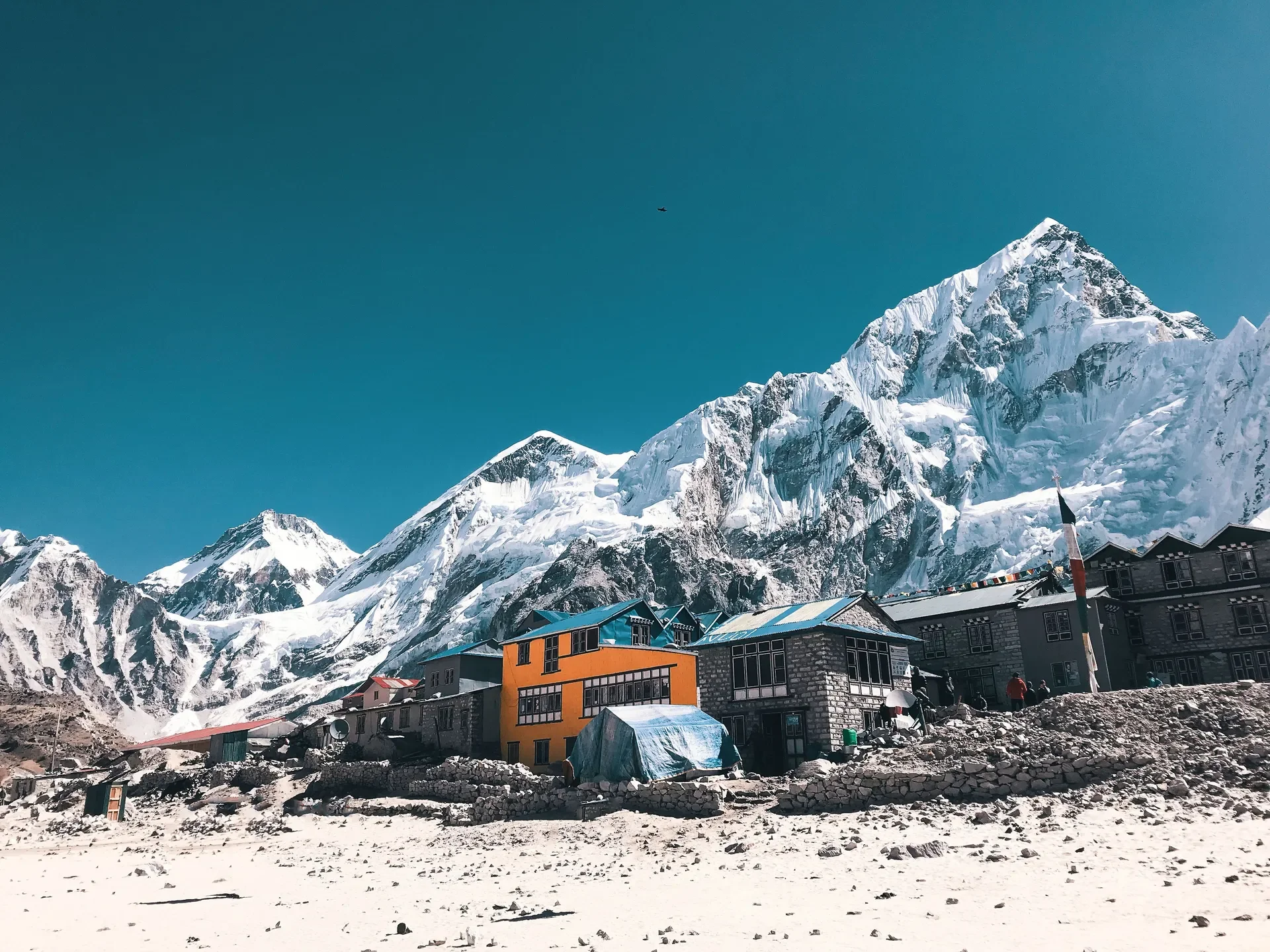
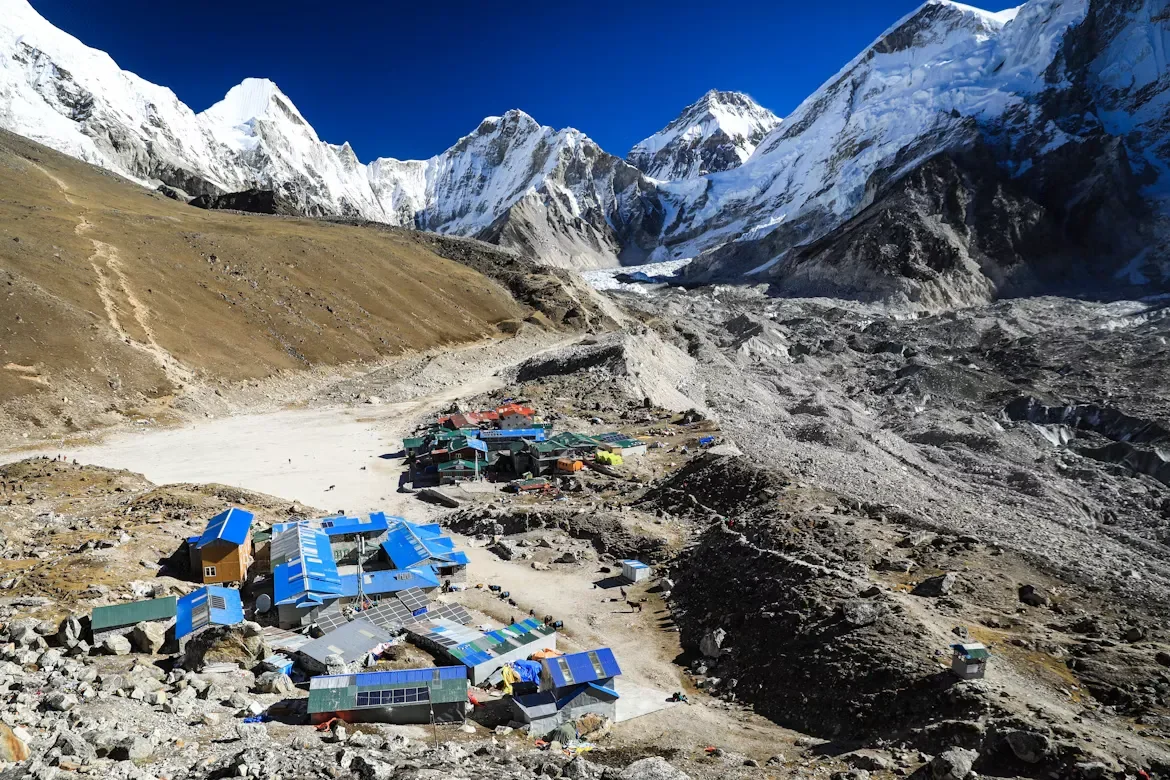
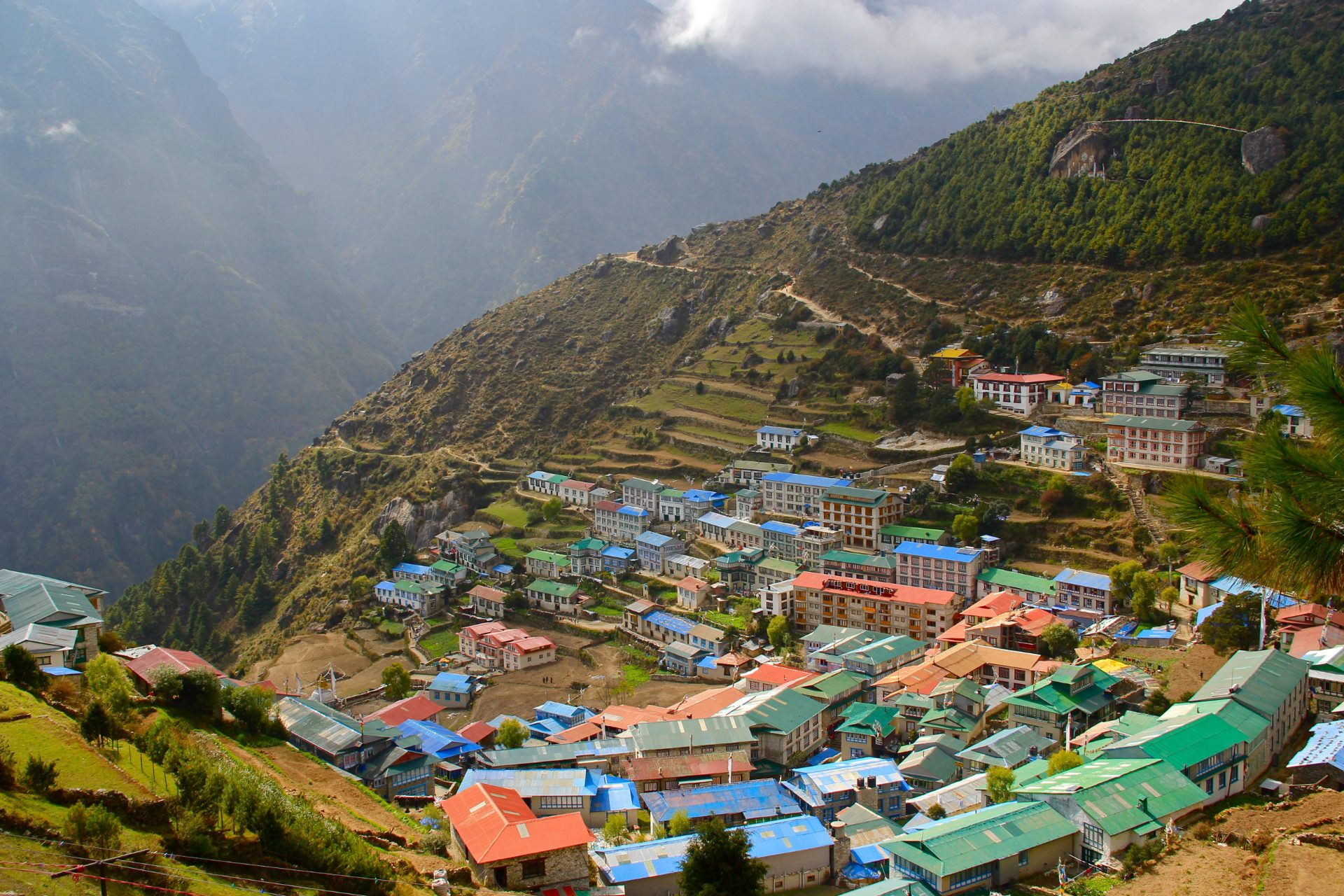
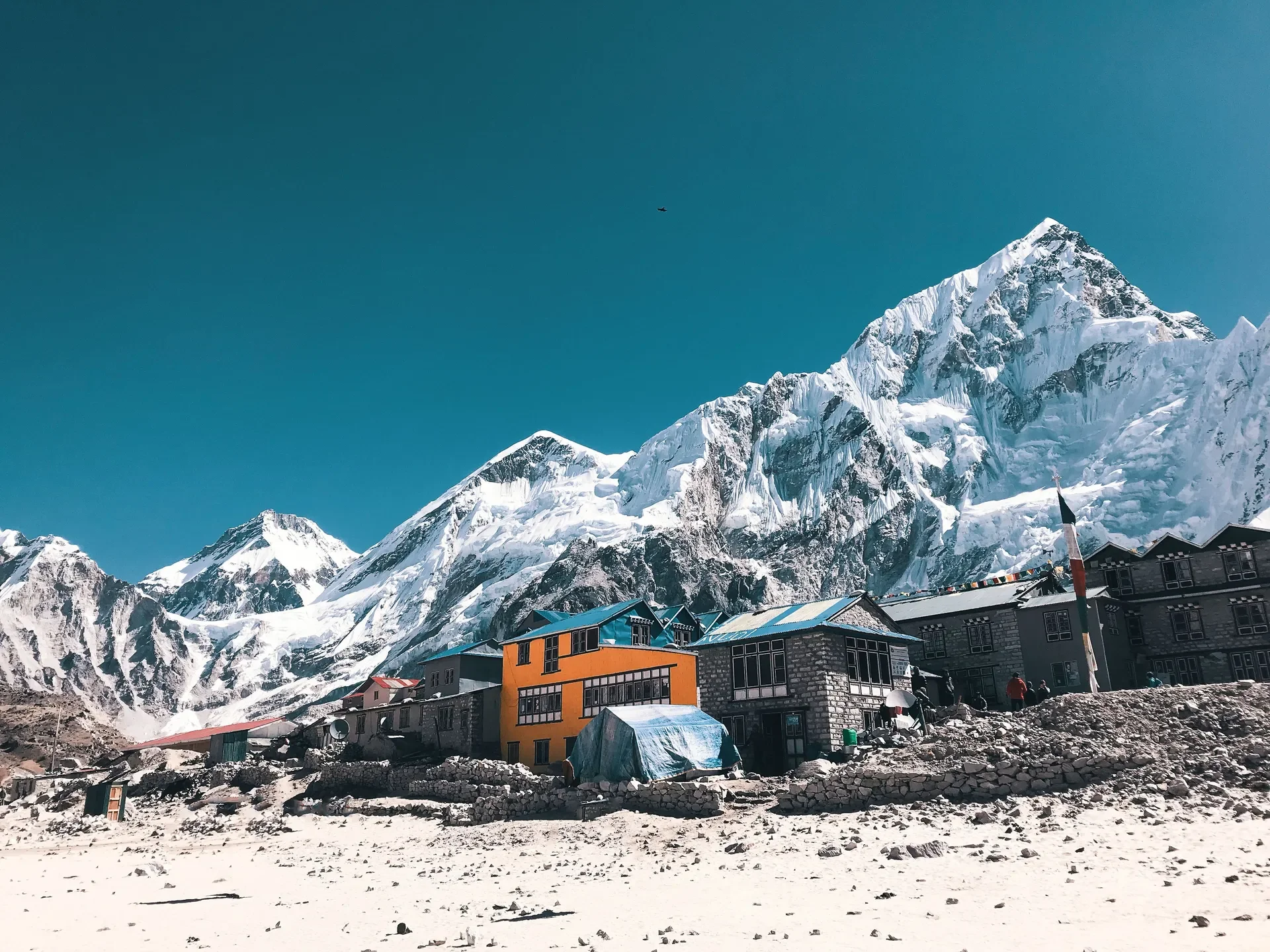
Notice the two acclimatization rest days at Namche and Dingboche. These are mandatory for safety, not optional. Learn more in our overview of altitude sickness and using Diamox on the trail.
Insurance You Genuinely Need
Standard travel insurance is not enough for the Khumbu. You must carry a policy that explicitly covers high-altitude emergency helicopter evacuation up to 6,000 meters and medical treatment for AMS, HAPE, and HACE. Confirm this in writing before you leave home. No teahouse booking matters if a medical emergency leaves you stranded without coverage.
Eat Smart: Why Dal Bhat Wins
Prioritize vegetarian meals on the trail. In the Buddhist Khumbu, slaughtering animals is prohibited by local custom, so all meat is carried up by foot over several days without refrigeration. Stick to fresh, locally grown carbohydrates. The traditional Dal Bhat, lentil soup with rice and vegetable curry, comes with free refills and gives you clean, steady energy. Our teahouse food guide breaks down the menu.
Water and Waste: Skip the Plastic Bottles
Do not buy single-use plastic bottled water on the trail. It pollutes the Khumbu and is expensive at altitude. Carry a reusable bottle paired with an active purification system such as a UV purifier, a Sawyer squeeze filter, or chlorine dioxide drops. Pack this in advance; see our trek packing list.
Cultural Decorum Along the Trail
The path to base camp passes countless mani walls, chortens, and stupas. Always walk clockwise around them, keeping the sacred structure on your right. Remove shoes and hats before entering monasteries like the one at Tengboche. Outdoor photography is fine, but never photograph inside prayer halls unless a resident monk gives you clear permission.
Tipping Your Crew
Tipping is culturally expected and a vital part of your guide and porter income. A standard guideline is 10% to 15% of your total trek cost, distributed among the crew at the end of the trip. This is separate from your daily teahouse spending, so set it aside in cash early.
So, Is Advance Booking Necessary? Final Verdict
For independent trekkers in peak season, do not assume you can wing the upper villages. For everyone trekking with a licensed guide, the answer is that your guide handles the daily phone bookings, which is far more reliable than any online reservation. Pair that with buffer days, enough NPR cash, and a sensible acclimatization plan, and you will have a bed every night.
If you want to compare this route with alternatives, our breakdown of Annapurna vs Everest Base Camp and our EBC trek cost guide are good next reads.
Frequently Asked Questions
1. Do I need to book teahouses in advance for the Everest Base Camp trek?
During the peak trekking seasons (March–May and September–November), advance booking is essential for high-altitude villages like Lobuche and Gorak Shep due to limited beds. Instead of online platforms, bookings are traditionally made over the phone by licensed guides a day or two in advance.
2. Can you use credit cards or ATMs on the Everest Base Camp trail?
No, there are no working ATMs past Namche Bazaar, and teahouses do not accept credit cards. You must withdraw enough Nepalese Rupees (NPR) in Kathmandu or Namche Bazaar to cover all your meals, room rates, and extra amenities in cash.
3. How much does a teahouse room cost on the EBC trek?
Teahouse rooms are highly affordable, generally costing between NPR 500 and NPR 2,000 per night. However, this low rate is conditional on you eating both dinner and breakfast at the lodge where you are staying.
4. What extra expenses should I budget for at EBC teahouses?
While rooms are inexpensive, daily add-ons stack up. Expect to pay extra for charging phones or power banks (NPR 200–700), hot gas showers (NPR 400–800), and Everest Link Wi-Fi access (NPR 300–700) depending on your altitude.
5. What permits are required for the Everest Base Camp trek?
You need two specific permits: the Khumbu Pasang Lhamu Rural Municipality fee (NPR 3,000) and the Sagarmatha National Park entry permit (NPR 3,000). The standard Nepal e-TIMS card is not used in the Everest region.
6. Where do Lukla flights depart from during peak season?
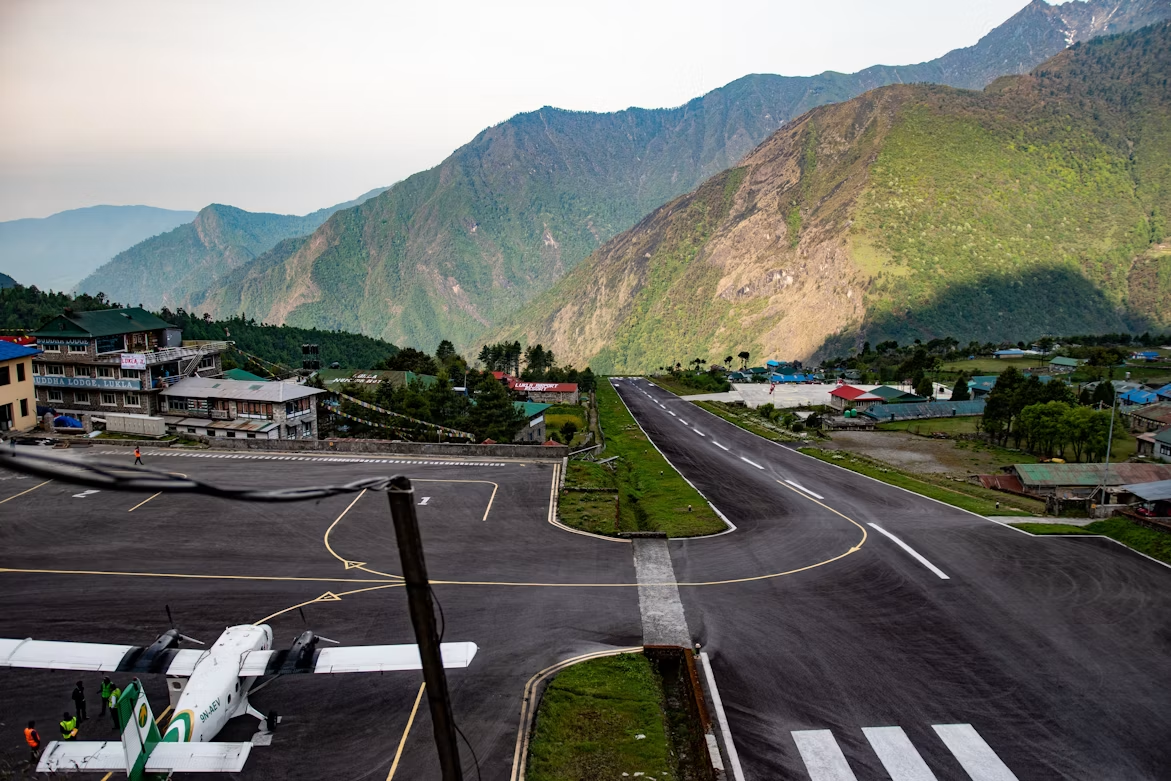
During the busy months of March–May and September–November, flights to Lukla depart from Manthali Airport in Ramechhap rather than Kathmandu. This requires a 4-to-5-hour drive from Kathmandu, usually starting around 1:00 AM.
7. How many acclimatization days are needed for the EBC trek?
A safe Everest Base Camp itinerary requires a minimum of two mandatory acclimatization rest days, typically taken at Namche Bazaar (3,440m) and Dingboche (4,410m), to prevent altitude sickness.
8. What is the best food to eat on the Everest Base Camp trail?
Vegetarian options, specifically the traditional lentil-and-rice dish Dal Bhat, are highly recommended. Because meat must be carried up by porters without refrigeration due to local religious customs, fresh vegetarian meals provide the safest, cleanest energy.
9. What kind of travel insurance do I need for trekking EBC?
Standard travel insurance is insufficient. You must have a specialized policy that explicitly covers high-altitude emergency helicopter evacuation up to 6,000 meters and medical treatment for Acute Mountain Sickness (AMS).
10. How much should I tip my guide and porter on the EBC trek?
Tipping is culturally expected in Nepal. A standard guideline is to set aside 10% to 15% of your total trek cost in cash to distribute among your guiding and porter crew at the end of the journey.