HACE and HAPE on Nepal Treks: The Two Killers and When to Descend
Sandeep Shrestha
Contents
- What Are HACE and HAPE?
- HACE: When the Brain Swells
- HAPE: When the Lungs Fill With Fluid
- The One Rule That Saves Lives: Descend
- Prevention: Climb Slow, Sleep Low
- HACE vs HAPE: Quick Comparison
- Helicopter Evacuation and Insurance You Actually Need
- Eating and Drinking to Stay Safe High Up
- The 2026 Guide Requirement Is a Safety Feature
- Where These Illnesses Strike Most on Popular Routes
- Frequently Asked Questions
The most dangerous moment on a Nepal trek is rarely a slip on the trail or a swinging suspension bridge. It is the quiet decision to push higher when your body is screaming to stop. Two illnesses, HACE and HAPE, are the reason experienced guides watch their trekkers like hawks above 3,000 meters. Both can turn a healthy person into a medical emergency within hours.
We coordinate treks across the Everest, Annapurna, and Manaslu regions, and we have seen how fast a manageable headache can spiral. This guide explains exactly what these two killers are, how to recognise them, and the one action that saves lives every single time: going down.
What Are HACE and HAPE?
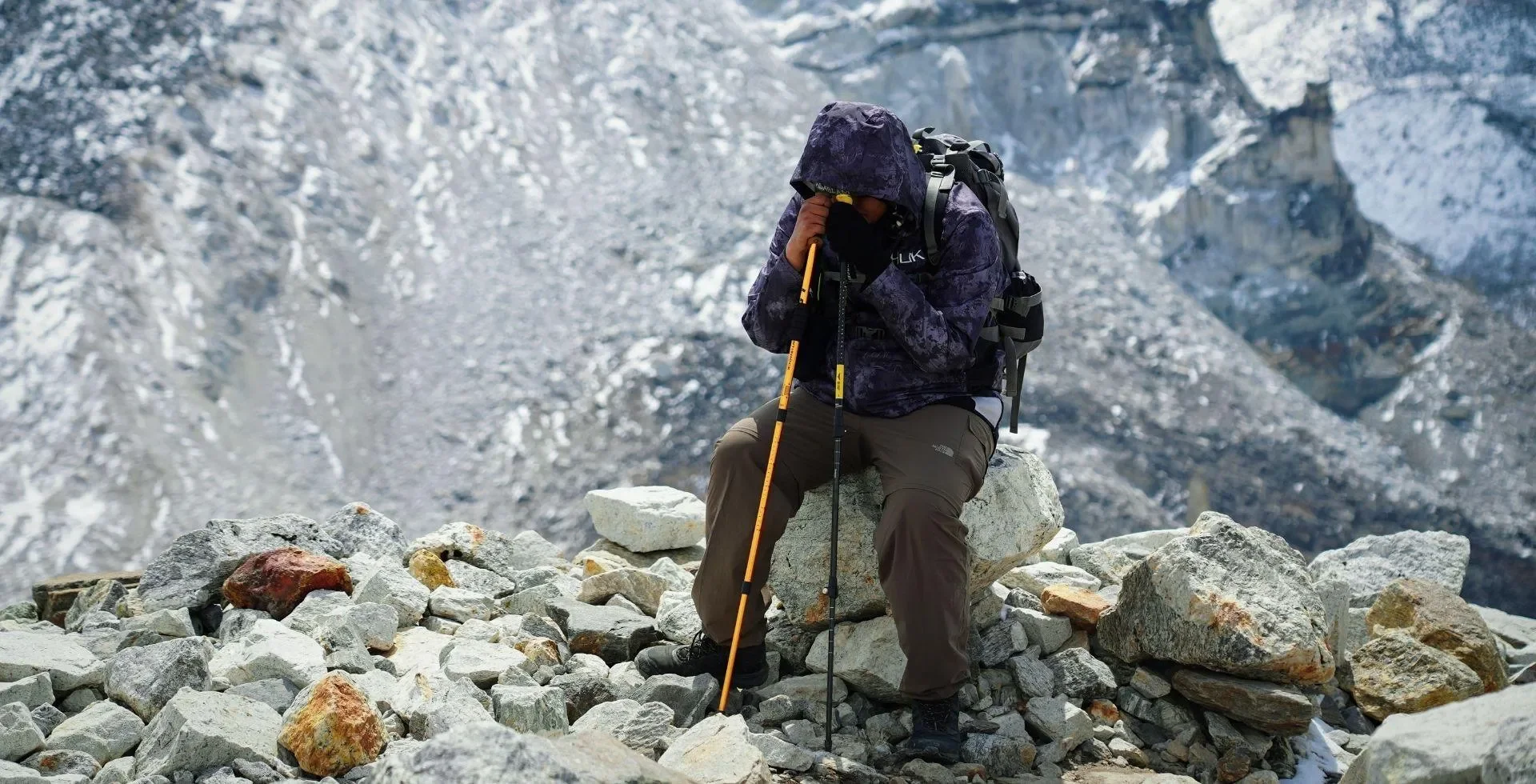
HACE (High Altitude Cerebral Edema) is fluid swelling in the brain, marked by confusion, stumbling, and loss of coordination. HAPE (High Altitude Pulmonary Edema) is fluid leaking into the lungs, marked by breathlessness at rest and a wet, gurgling cough. Both strike above 3,000 meters and are fatal without immediate descent.
Think of them as the severe ends of altitude illness. Most trekkers first feel Acute Mountain Sickness (AMS): headache, nausea, poor sleep, and fatigue. AMS is common and usually mild. The danger is when it is ignored and progresses into HACE or HAPE, which are genuine emergencies.
You can read our broader overview of altitude sickness in Nepal to understand the full spectrum before your trip.
HACE: When the Brain Swells
HACE is the brain version of altitude illness. Fluid builds up inside the skull, causing the brain to swell. The hallmark sign is ataxia, a loss of balance and coordination, often combined with confusion and severe drowsiness. Once HACE sets in, a trekker can lose the ability to walk within hours and must descend immediately.
The classic field test our guides use is asking the trekker to walk a straight line, heel to toe, as if on a tightrope. If they cannot do it, treat it as HACE until proven otherwise.
Warning Signs of HACE
- Loss of coordination (cannot walk straight)
- Confusion, irrational behaviour, or strange decisions
- Severe, drug-resistant headache
- Extreme drowsiness and difficulty waking
- Hallucinations in advanced cases
A trekker with HACE often does not realise how impaired they are. This is why we travel with companions and licensed guides. The person beside you may notice the slurred speech or wobbly steps before you ever feel something is wrong.
HAPE: When the Lungs Fill With Fluid
HAPE is fluid accumulation in the lungs that blocks oxygen transfer into the blood. The earliest warning is breathlessness at rest and a dramatic drop in exercise tolerance, often with a dry cough that turns wet. HAPE can kill faster than HACE and frequently appears on the second or third night at a new high altitude.
A trekker who could climb steadily yesterday but now gasps for air after ten steps is showing a red flag. Listen for crackling or bubbling sounds when they breathe.
Warning Signs of HAPE
- Breathlessness while resting, not just while walking
- A cough producing frothy or pink-tinged sputum in advanced cases
- Tightness or congestion in the chest
- Unusual fatigue and weakness
- Blue tinge to lips or fingernails (cyanosis)
- Rapid heart rate even at rest
HAPE often appears without a bad headache, which is why some trekkers dismiss it. Do not. Any breathlessness at rest above 3,000 meters demands immediate descent and medical attention.
The One Rule That Saves Lives: Descend
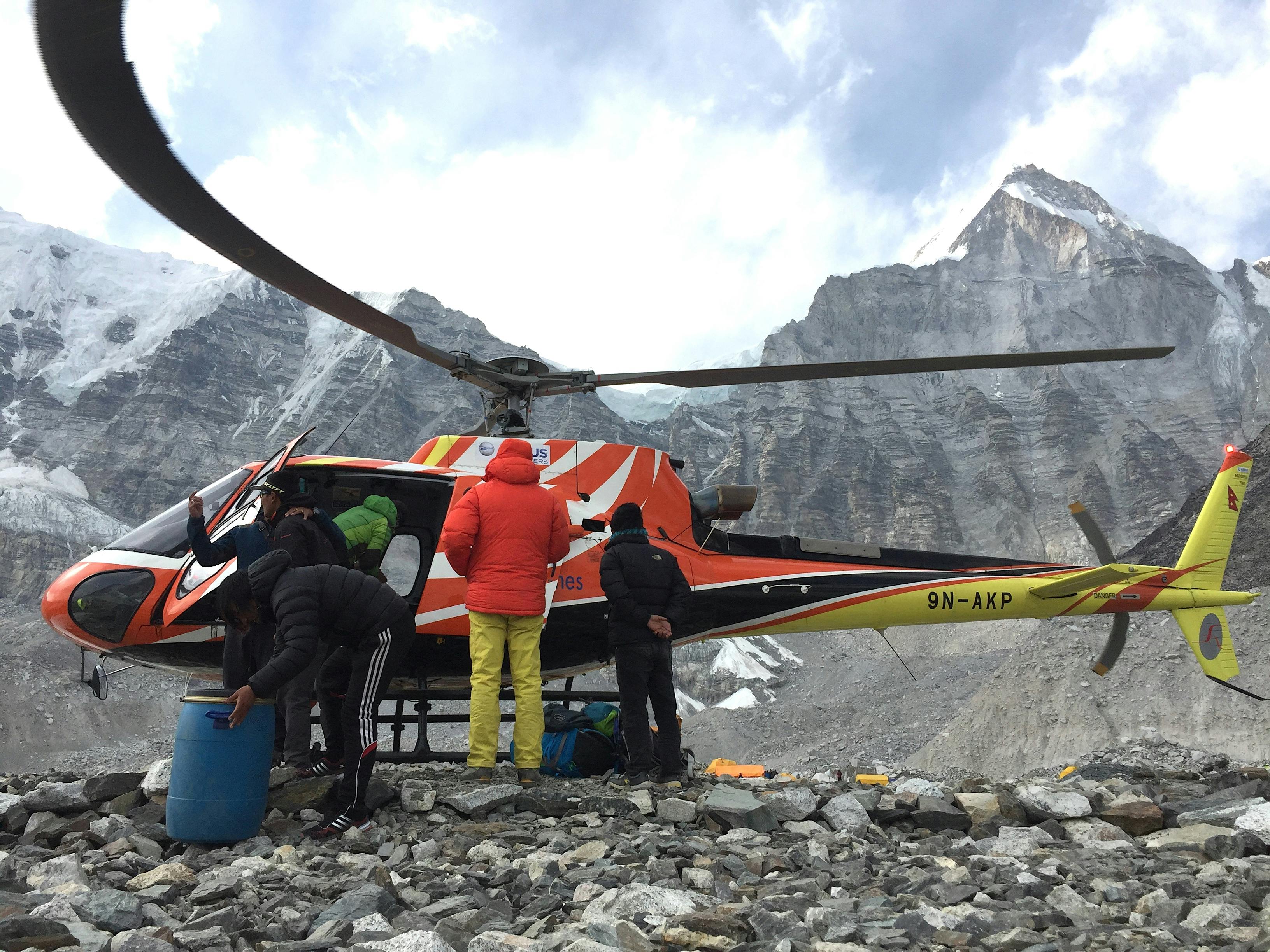
For both HACE and HAPE, the definitive treatment is immediate descent of at least 500 to 1,000 meters, ideally to an altitude where the trekker last felt well. Bottled oxygen, medication, and a portable Gamow bag buy time, but they are not substitutes for getting down. Never let a sick trekker spend another night high.
If symptoms appear at night, do not wait until morning. Descending in darkness with headlamps and a guide is far safer than gambling on dawn. Many fatalities happen because a group decided to "see how they feel in the morning."
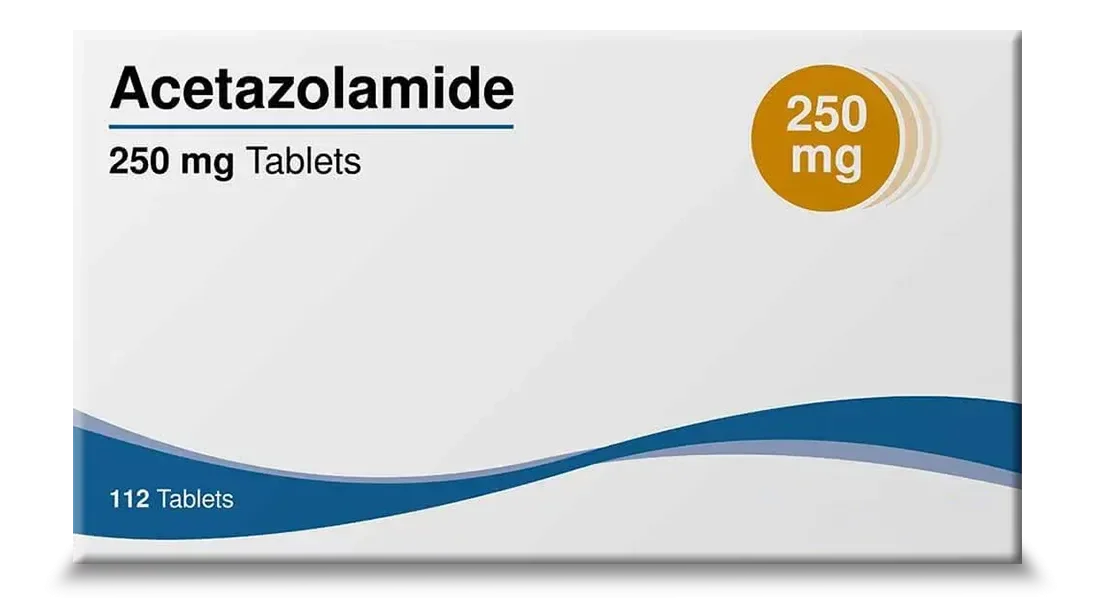
Drugs are supportive only. Dexamethasone is used for HACE, and Nifedipine for HAPE, alongside acetazolamide. Our guide to Diamox and acetazolamide for trekking explains how these fit into a safe plan, but always travel with a guide who knows their use.
Prevention: Climb Slow, Sleep Low
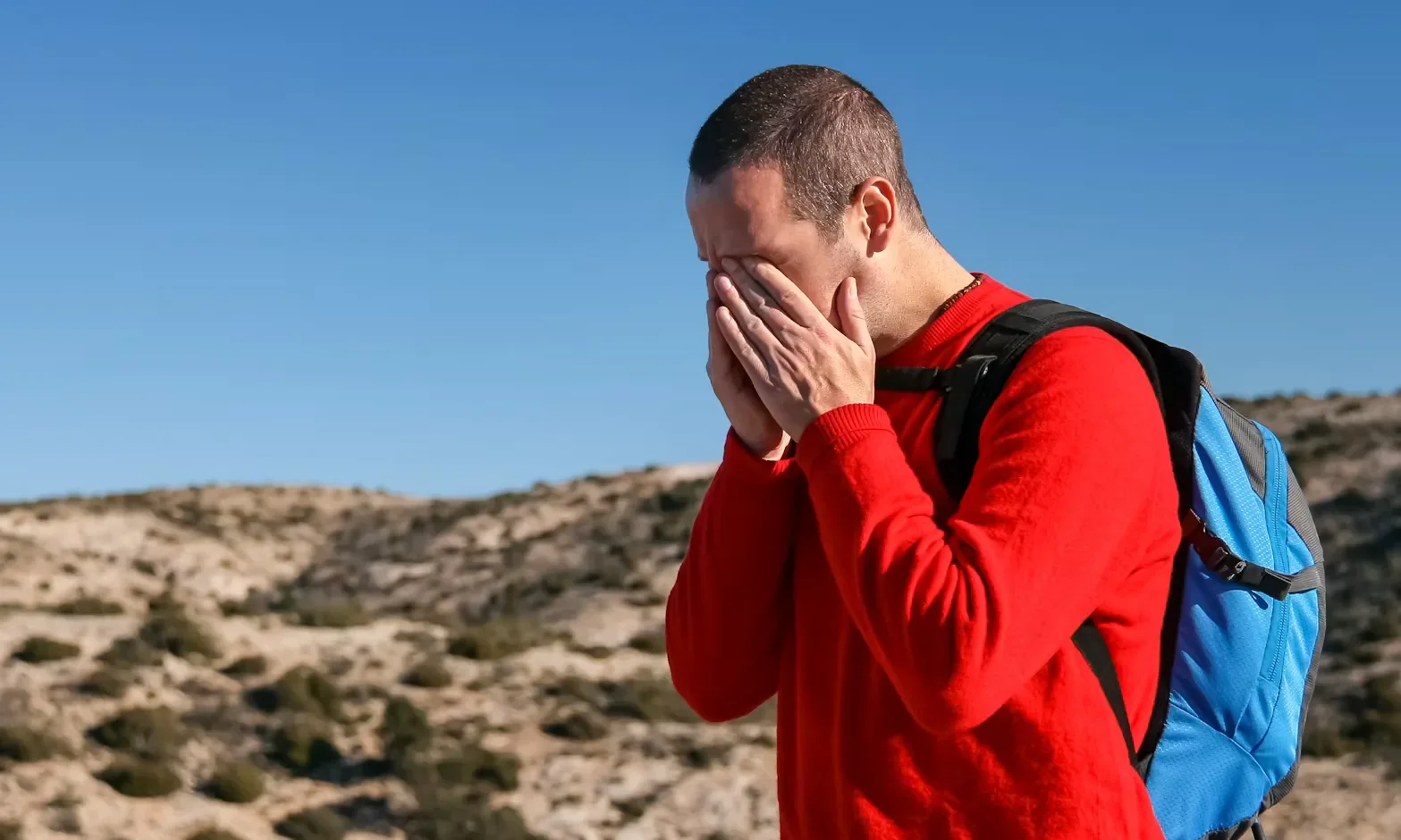
The single most effective prevention is a slow, graded ascent. Above 3,000 meters, your sleeping elevation should not rise by more than 300 to 500 meters per day, with a mandatory acclimatization rest day every 1,000 meters of gain. Hydration, avoiding alcohol, and eating well all matter, but pacing is king.
On the Everest Base Camp route, this means a full rest day at Namche Bazaar (3,440 meters) and another at Dingboche (4,410 meters). On the Annapurna Circuit, you take rest days at Manang (3,540 meters) before tackling the Thorong La Pass (5,416 meters). Skipping these to save time is the most common mistake we see.
Acclimatization Day-By-Day Targets
A little inspiration for your next trip
Get travel ideas and local experiences from My Easy Guide in your inbox.
Spam free. Unsubscribe anytime. We respect your privacy.