Travel Guide
Trek + Rafting Nepal 2026: Best River-to-Mountain Combos for Adventure Travelers
PT
Prabesh Tamang
11 min read
Prabesh Tamang
There is a particular kind of satisfaction in walking down off a high ridge with snow peaks behind you, then dropping into a warm river valley and paddling through whitewater the same week. Nepal lets you stack a Himalayan trek and a serious rafting run into one trip, and the logistics line up better than most travelers expect. The mountains feed the rivers, and the same road network that drops you at a trailhead picks you up at a river put-in.
We coordinate these combined trips constantly, and the difference between a smooth adventure and a rushed mess comes down to sequencing, permits, and matching your fitness to the right river grade. This guide walks you through the best trek-to-river pairings for 2026, the real costs, and the safety rules you cannot skip.
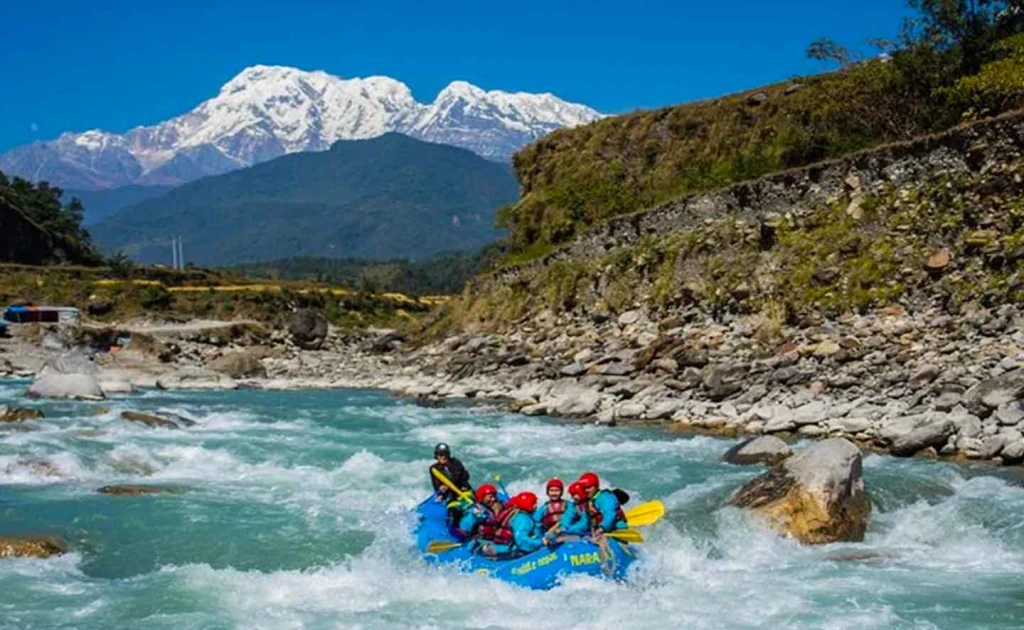
Combining a trek and a raft trip gives you altitude views and warm-valley adventure in a single itinerary, usually over 10 to 16 days. Treks finish in the hills, then a short road transfer drops you at a river put-in, so you use the same logistics window without a second international flight or wasted recovery days.
The pairing also makes physical sense. After days of descending on tired knees, sitting in a raft and using your arms is a genuine relief. The river days act as an active rest while still delivering adrenaline. You also drop in elevation, which speeds recovery and lets you sleep warm at low altitude after cold teahouse nights.
The strongest combos pair an accessible trek with a river that shares the same road corridor. The classic options are Poon Hill or Mardi Himal with the Kali Gandaki, Langtang with the Bhote Koshi or Trishuli, and Annapurna foothill treks with the Seti River near Pokhara. Each balances trekking difficulty against river grade.
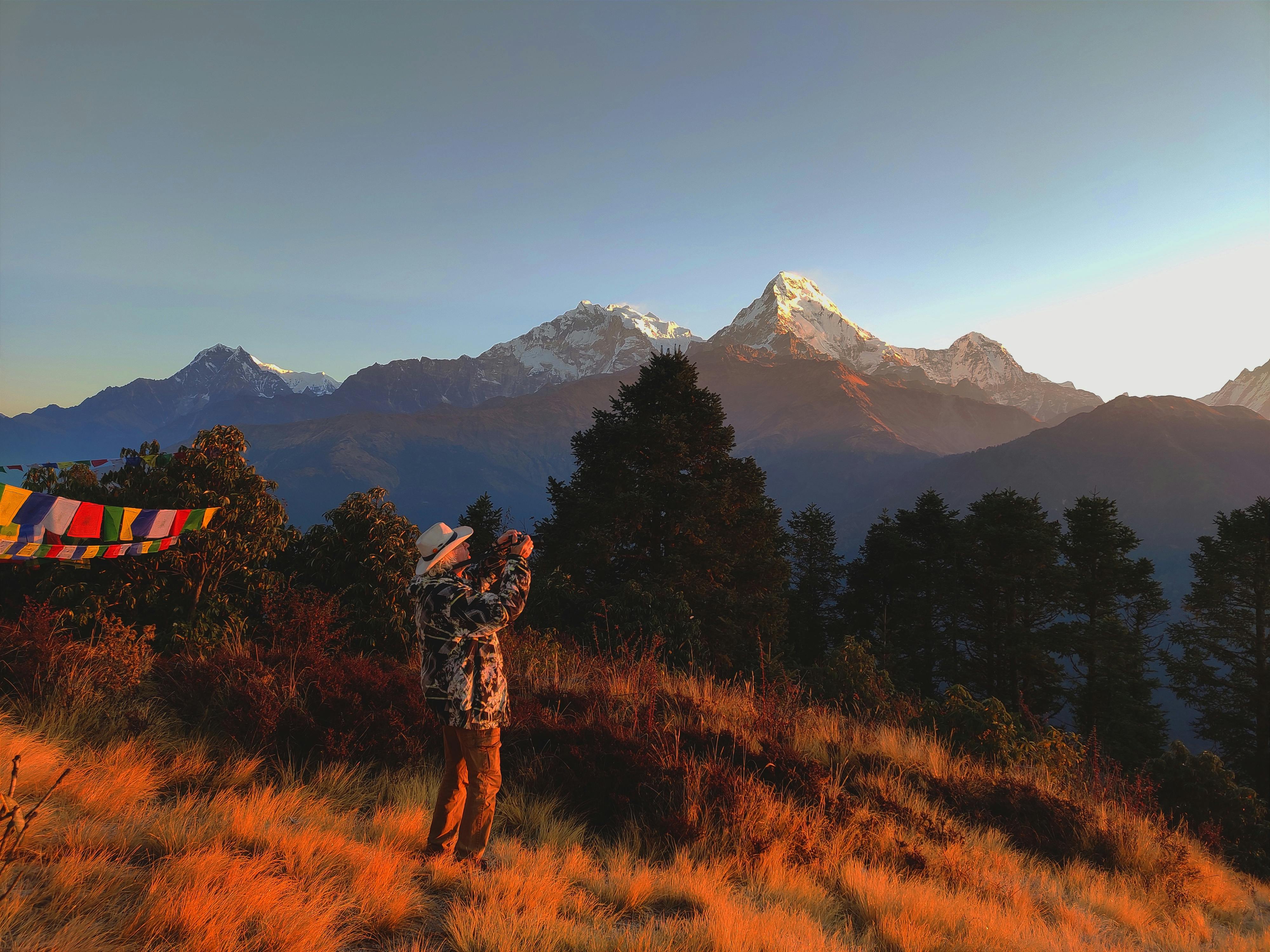
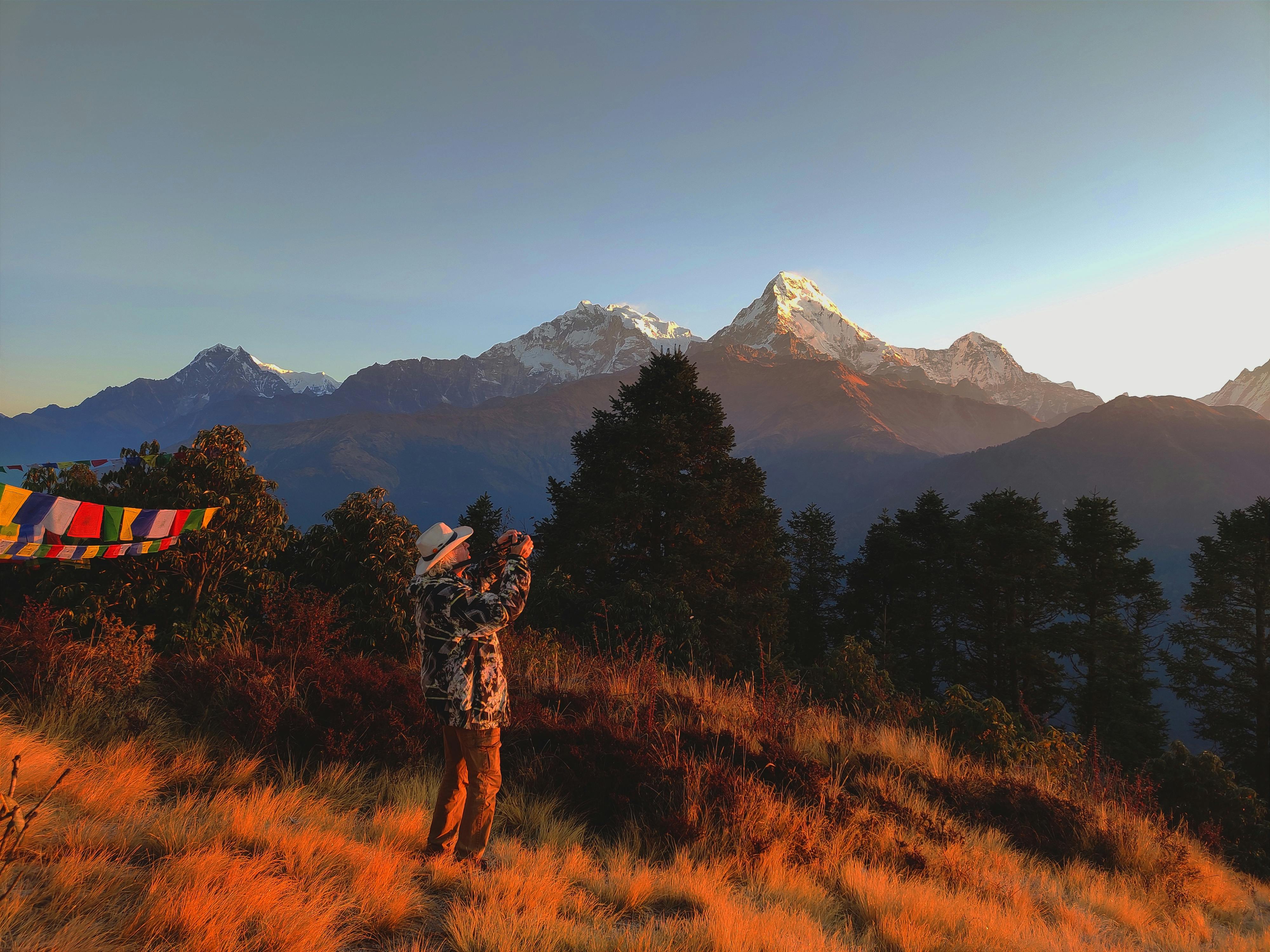
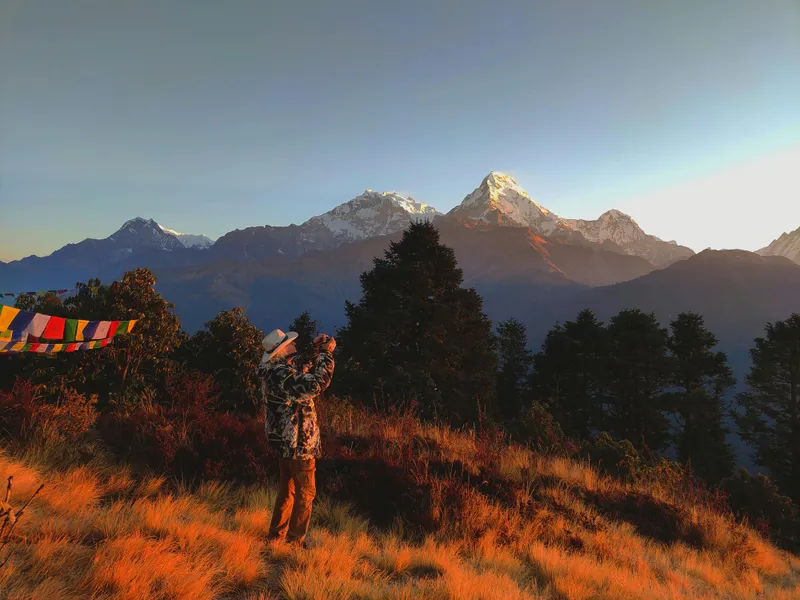
This is our favorite intermediate combo. The Ghorepani Poon Hill trek tops out at the viewpoint of 3,210 meters with sunrise over Dhaulagiri and Annapurna South. It is a 4 to 5 day trek with no extreme altitude risk, which makes it ideal before a river run.
After the trek you transfer toward the Kali Gandaki, the deepest gorge river in the country, running at Class 3 to 4. Expect 2 to 3 days on the water with beach camping, big read-and-run rapids, and sacred confluences along the banks. Fit beginners manage this with a strong crew; nervous first-timers should not start here.
See our Poon Hill trek cost breakdown to budget the trekking half accurately.
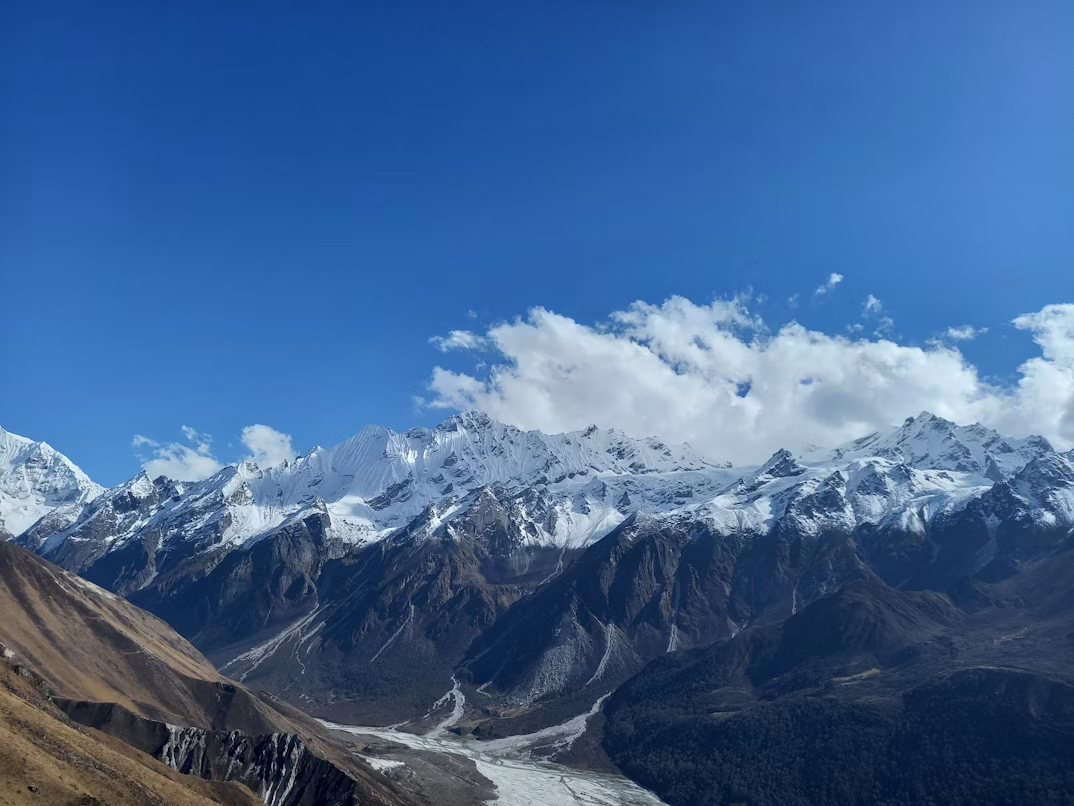
The Langtang Valley trek climbs to Kyanjin Gompa at 3,870 meters over 6 to 8 days, with the option to push to Kyanjin Ri at around 4,773 meters for a panorama day. Because Langtang starts north of Kathmandu, the road back passes close to two excellent rivers.
The Bhote Koshi is a steep, continuous Class 4 run for thrill-seekers and short on time, while the Trishuli offers gentler Class 2 to 3 water that suits families and first-timers. You can pick your intensity on the drive home, which makes this pairing flexible.
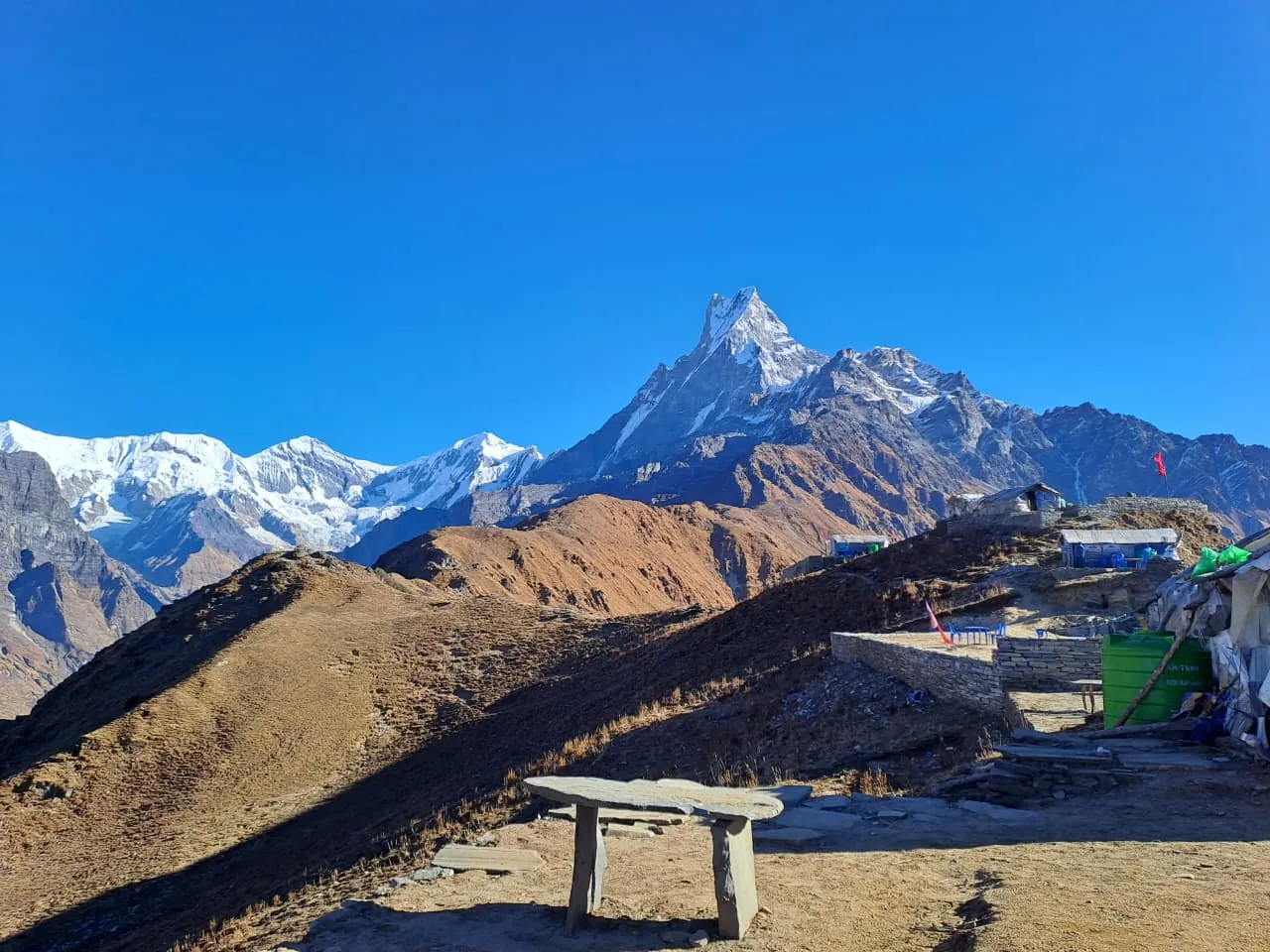
If you want to base yourself near Pokhara, combine a short foothill trek like Mardi Himal with the warm, scenic Seti River. Mardi Himal reaches a high camp around 3,580 meters over 4 to 5 days with quiet ridgeline trails and close-up Machhapuchhre views.
The Seti runs at a forgiving Class 2 to 3 with warm water and jungle banks, perfect for a relaxed 1 to 2 day float to close out the trip. Pokhara also gives you easy access to paragliding from Sarangkot if you want a third adventure stacked on.
Nepal rivers run from gentle Class 2 floats to committing Class 4 to 5 expedition runs. Grade depends heavily on season and water volume, so a river that is mellow in spring can be ferocious after the monsoon. Always match your experience and swimming ability to the grade your operator confirms for the actual dates.
Rafting needs no personal government permit, but your trek does. Most foothill treks require an ACAP or relevant conservation permit plus an e-TIMS card. Restricted areas cost far more and demand a licensed guide. Carry passport photos and your insurance details for permit processing.
Note that the Everest region does not use the standard e-TIMS card. The Khumbu requires the local Khumbu Pasang Lhamu Municipality fee of NPR 3,000 plus the Sagarmatha National Park permit of NPR 3,000. For full details, read our breakdown of trekking rules and costs and the TIMS card guide.
According to the latest 2026 update from Nepal's Department of Immigration, a single traveler can now obtain a Restricted Area Permit for regions like Manaslu, Upper Mustang, Dolpo, and Tsum Valley. The old two-person minimum is gone, but you still must hire a licensed guide, with a ratio capped at one guide per seven trekkers.
If you want a rafting combo with a restricted region, the Kali Gandaki pairs naturally with an Upper Mustang trek, since both follow the same gorge corridor.
Most travelers get a visa on arrival at Kathmandu airport. The 2026 fees are $30 USD for 15 days, $50 USD for 30 days, and $125 USD for 90 days. Bring exact cash and a passport photo to speed up the counter. A combined trek and raft trip usually fits the 30-day visa comfortably.
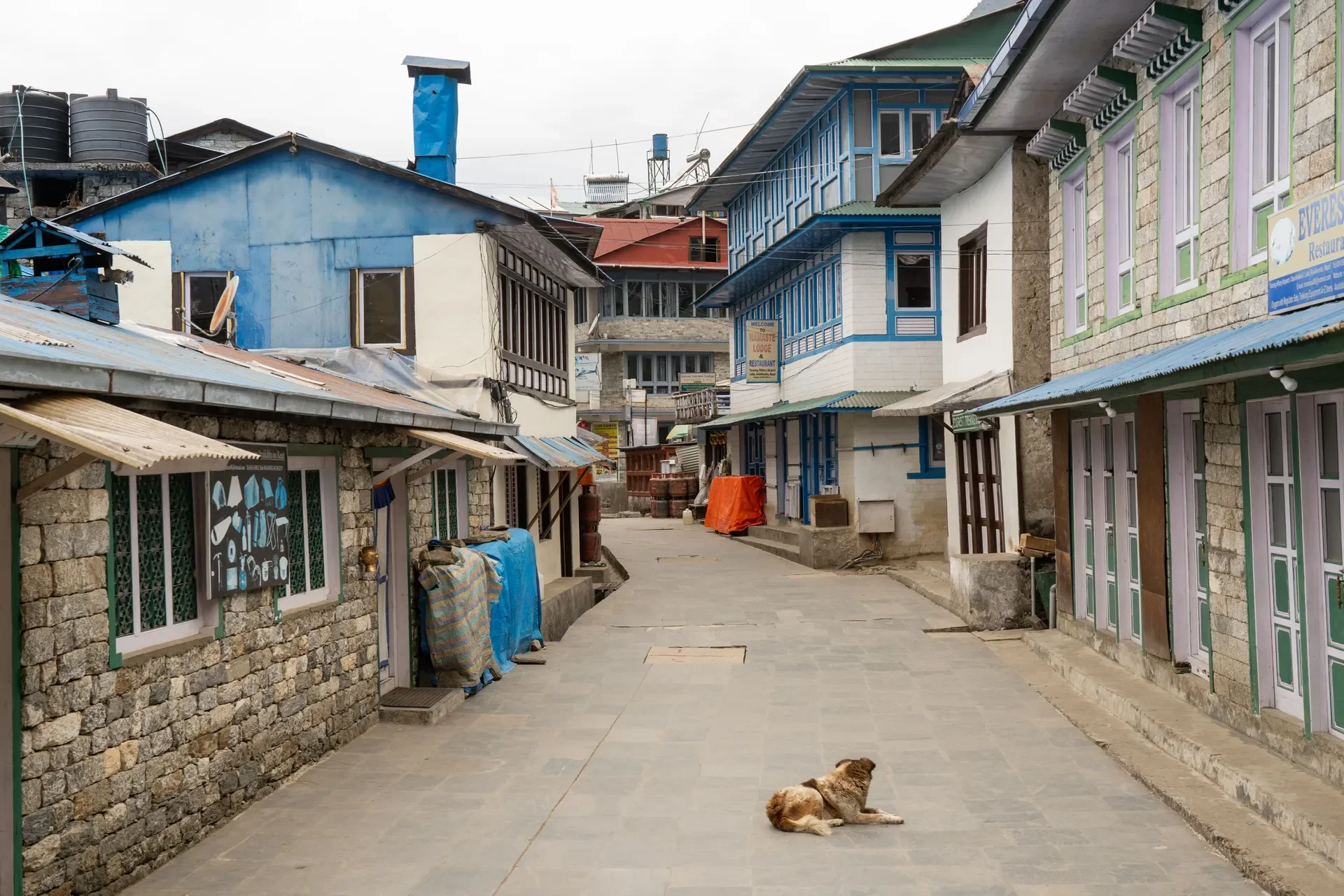
Above 3,000 meters, your sleeping elevation should not climb more than 300 to 500 meters per day, with mandatory rest days at hubs like Namche or Manang. Acute Mountain Sickness is the real risk on the trek portion, not the river, so never compress the schedule to save days for rafting.
Learn the warning signs in our guide to altitude sickness, and discuss preventive medication in our Diamox and acetazolamide article before you travel. Descending into a river valley after the trek actually helps recovery, which is one of the quiet bonuses of these combos.
Standard travel insurance is not enough. You need a policy that covers high-altitude emergency helicopter evacuation up to 6,000 meters and treatment for AMS, HAPE, and HACE, and it must list whitewater rafting as an included activity. This specific cover is also legally required to obtain Restricted Area Permits, so confirm the wording before you buy.
On the trekking side, prioritize vegetarian meals. In Buddhist regions like the Khumbu, slaughtering animals is prohibited by local law, so meat is carried in by foot or mule over days without refrigeration. Stick to fresh local carbohydrates and the traditional Dal Bhat, which comes with free refills and clean energy for long days.
Skip plastic bottled water to protect the trail environment. Carry a reusable bottle with a UV purifier, a Sawyer squeeze filter, or chlorine dioxide drops. Our teahouse food guide covers what to expect at lodges.
Carry enough Nepalese Rupees for the whole trip. ATMs vanish past Namche Bazaar and Jomsom, and river camps are entirely cash-based. Budget extra for common trail upcharges: charging a power bank, a gas-heated hot shower, or local Wi-Fi each cost an extra 200 to 700 NPR per use.
Buy a local SIM on arrival. Ncell gives strong coverage across the Annapurna Circuit and Sanctuary, while Nepal Telecom (NTC) is essential for the Everest region and remote zones like Manaslu or Upper Mustang. River canyons drop signal entirely, so tell family you will be offline during rafting days.
Always walk clockwise around mani walls, stupas, and chortens, keeping these sacred structures on your right. Remove your shoes and hat before entering any temple or monastery. Outdoor photography is fine, but taking photos inside monastery prayer halls is strictly prohibited unless a resident monk gives you clear permission.
Tipping is culturally expected and forms a vital supplement to your crew's base income. A standard range is 10% to 15% of your total trek cost, distributed among guides and porters at the end. Rafting crews are tipped separately at the take-out, typically a smaller lump sum split among the safety kayakers and raft guides.
Always build 1 to 2 buffer days for weather and water-level changes. If your trek uses a Lukla-style flight in peak season (March to May, September to November), expect departures from Manthali Airport in Ramechhap, which means a 4 to 5 hour drive from Kathmandu around 1:00 AM to catch the flight.
October to early December delivers the clearest mountain views and stable, moderate river levels, making it our top recommendation. Spring, from March to May, brings warm water and blooming rhododendron forests. September runs high and fast for experienced rafters, while the monsoon months of June to August suit only rain-shadow trekking in Upper Mustang or Dolpo.
For deeper seasonal planning, see our guides on trekking in October and the September vs October comparison.
Stacking a Himalayan trek and a whitewater river into one trip is one of the most rewarding ways to experience Nepal, and with the right sequencing it is far more achievable than it sounds. The key is matching the trek altitude to safe acclimatization and the river grade to your real comfort in moving water.
The top-rated pairings are the Poon Hill trek with the Kali Gandaki River (Class 3–4), the Langtang Valley trek with either the Bhote Koshi or Trishuli River, and the Annapurna Foothills (like Mardi Himal) with the Seti River near Pokhara.
Individual travelers do not need a personal government permit for rafting; however, your chosen operator handles local river clearance. Keep in mind that the trekking half of your trip will still strictly require standard permits, such as an ACAP or an E-TIMS card.
According to the latest 2026 Department of Immigration update, solo travelers can now obtain Restricted Area Permits for regions like Manaslu and Upper Mustang. The old two-person minimum is gone, but hiring a licensed guide remains mandatory by law.
For international travelers, standard conservation permits like the Annapurna Conservation Area Permit (ACAP) and Langtang National Park permit cost NPR 3,000. The mandatory E-TIMS card costs NPR 2,000, and must be processed digitally through a registered agency.
October to early December is the peak window, offering crisp mountain views and stable, exciting river flows. Spring (March to May) is also excellent, featuring warmer weather on the water and blooming rhododendron forests along the trekking trails.
You must secure a specialized policy that explicitly covers two things: high-altitude medical treatment and helicopter evacuation up to 6,000 meters, and professional white water rafting. Standard travel insurance typically excludes both activities.
Nepal's rivers are graded from Class 2 to 5 based on water volume and seasonal flow. Class 2–3 rivers (Trishuli, Seti) are ideal for beginners and families, while Class 3–4+ rivers (Kali Gandaki, Bhote Koshi, Sun Koshi) require strong paddling teamwork and experience.
No, cellular network coverage drops out completely inside deep river canyons. While Ncell and NTC SIM cards work reliably on major trekking routes like Annapurna and Langtang, you should plan to be entirely offline during your rafting days.
In Buddhist regions like the Khumbu and Langtang, local religious customs prohibit the slaughter of animals. Consequently, all meat is carried up the mountains by foot or mule for several days without refrigeration. Sticking to fresh vegetarian meals like Dal Bhat is the safest way to avoid illness.
For your trekking guide and porters, a standard cultural guideline is to tip 10% to 15% of your total trek cost at the end of the trail. Your rafting crew is tipped separately at the river take-out point, usually via a smaller lump sum split among the raft guides and safety kayakers.
Get travel ideas and local experiences from My Easy Guide in your inbox.
Spam free. Unsubscribe anytime. We respect your privacy.